
How Does Chicken Breast Smell? Freshness and Safety Signs
When you ask how does chicken breast smell, the short answer is that fresh chicken breast should smell very mild, almost neutral, or barely noticeable.
A strong, sharp, sour, or rotten odor is a warning sign that you should not ignore.
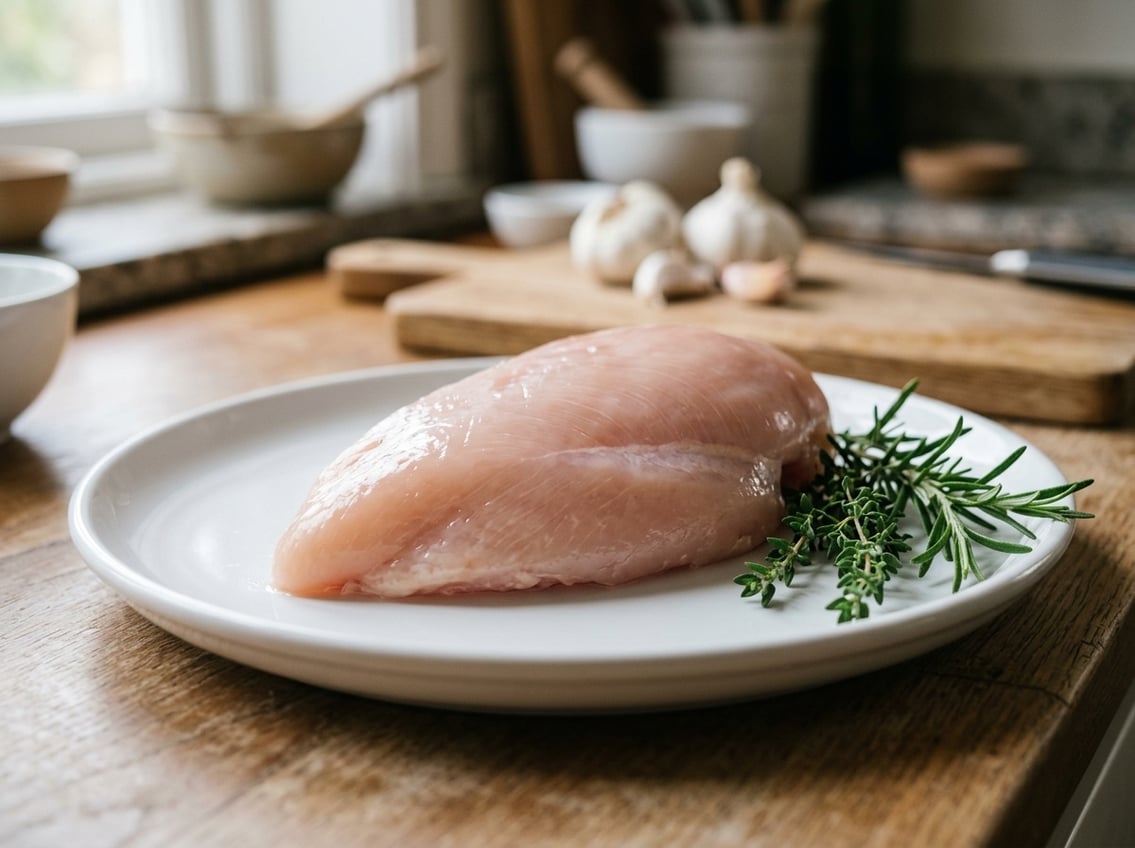
Use smell together with visual inspection, texture, and the expiration date, because no single sign tells the full story.
Fresh chicken can have a faint odor from packaging or natural juices, while spoiled chicken usually smells unpleasant and looks or feels off.
What Fresh Chicken Breast Should Smell Like
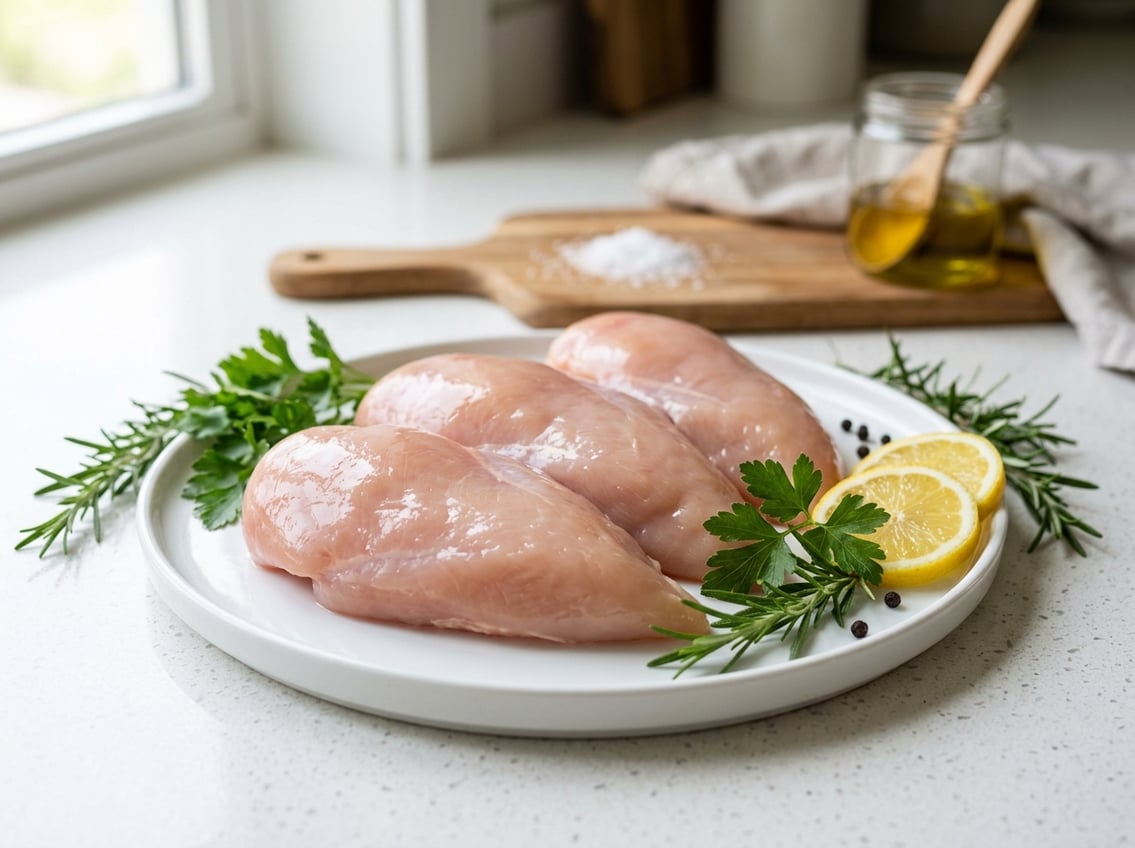
Fresh chicken breast usually has little to no smell.
If you notice an odor, it should be faint, clean, or slightly meaty, not strong or offensive.
A quick visual inspection also helps.
Fresh raw chicken should look moist, not slimy, and have even coloring.
Mild, Neutral, or Barely Noticeable Odor
A mild smell is normal for raw chicken, especially when you first open the package.
According to a guide on slight chicken smell, a fresh piece may have a slightly sweet or earthy odor, which is not the same as spoilage.
If the smell fades after a minute or two in the open air, that can still be normal.
A truly fresh chicken breast should not make you pull back right away.
How Packaging Can Temporarily Affect the Smell
Vacuum-sealed trays and tight plastic wrap can trap natural juices and gases.
That can make raw chicken smell stronger for a short time when you open it, even if the meat is still safe.
Give it a moment, then smell it again after it sits open briefly.
If the odor stays mild and the chicken looks normal, it may still be fine.
When a Slight Odor Is Still Normal
A slight odor can still be normal if the chicken is within the use-by date, kept cold, and shows no visual problems.
The smell should not be sour, rotten, or chemical-like.
If you are unsure, pair the smell with texture and color.
A fresh chicken breast should feel firm and look pink, not gray or sticky, as noted in raw chicken breast freshness tips.
Off-Odors That Signal Spoilage
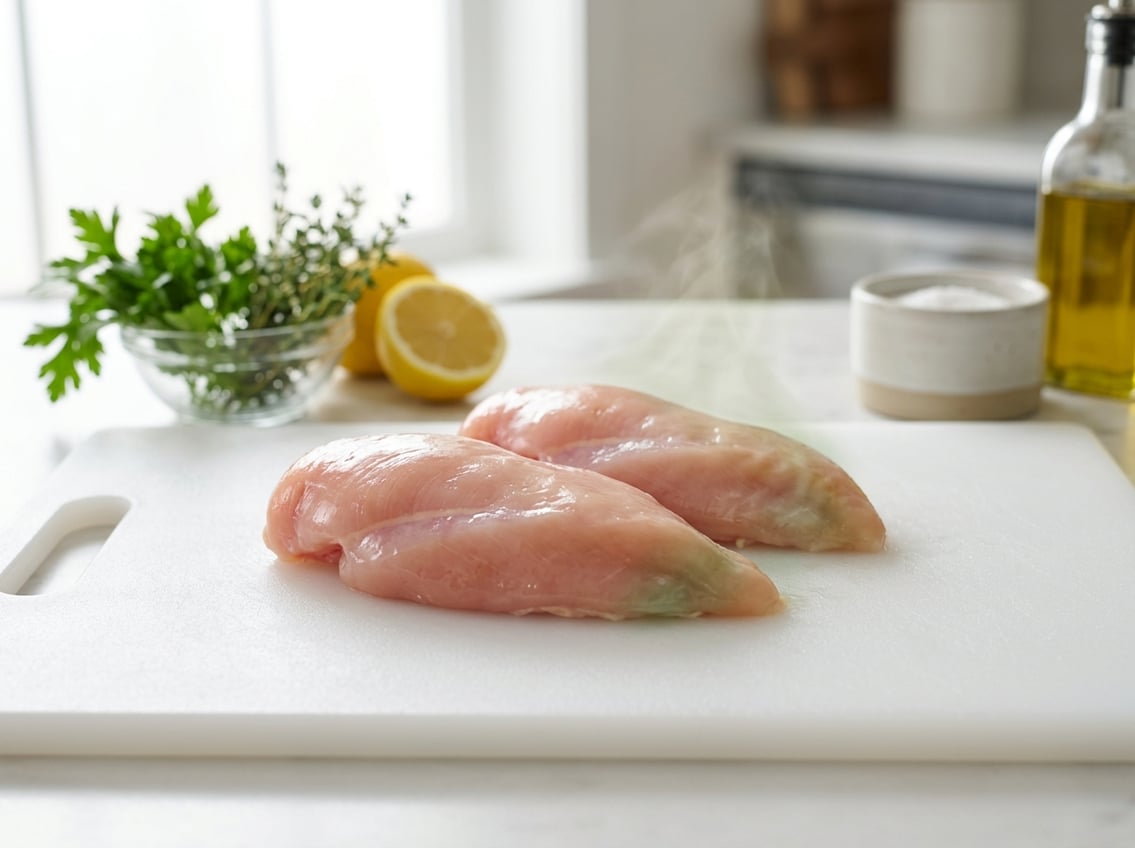
Spoiled chicken usually smells much stronger than fresh chicken.
Bad odors often come from bacterial growth, which can involve germs such as salmonella, e. coli, and other bacteria linked to foodborne illness.
The smell may show up before the chicken looks clearly spoiled.
Chicken Smells Like Eggs or Sulfur
If chicken smells like eggs or sulfur, treat that as a spoilage sign.
That odor often comes from bacteria breaking down proteins and releasing sulfur compounds.
This kind of smell is not normal for fresh chicken breast.
If it is strong, do not try to cook through it.
Chicken Smells Like Fish
Chicken that smells like fish is usually not fresh.
That odor can point to breakdown of proteins or fats, which happens as chicken ages or spoils.
A fishy smell is especially concerning when it is paired with slime, discoloration, or a sticky surface.
Chicken Smells Like Vinegar
A vinegar-like smell is another warning sign.
Some spoiled chicken gives off a tangy, sharp odor that can seem acidic or fermented.
That smell may mean bacterial growth is already happening.
Do not rely on cooking to fix it.
Sour, Ammonia-Like, or Rotten Odors
Sour, ammonia-like, or rotten smells are strong signs that chicken has gone bad.
These are some of the most reliable clues that spoilage has started, according to food safety guidance on bad chicken.
If the chicken smells bad before you cook it, it may carry a higher risk of foodborne illness.
When in doubt, throw it out.
How to Check If It Is Safe to Use

Use smell, but also look at the chicken, feel its texture, and review the expiration date and storage history.
That gives you a better safety check before cooking chicken.
Use Smell Together With Texture and Color
Fresh raw chicken should look pink or pale pink, feel firm, and stay slightly moist without feeling slimy.
If it looks gray, dull, sticky, or has patches of discoloration, treat that as a warning.
A bad smell plus a bad texture is a clear sign to discard it.
Even if the smell seems only a little off, the texture can confirm the problem.
Check the Expiration Date and Storage History
Always check the expiration date or use-by date before you cook raw chicken.
Also think about how long it has stayed in your fridge and whether it has been kept at 40°F or below.
If the package sat warm during transport, or if you do not know how it was stored, the risk rises.
Good storage matters as much as the date on the label.
When to Throw It Out Instead of Cooking It
Throw chicken away if the smell is strong, sour, rotten, or chemical-like.
Also discard it if the color is off, the surface is slimy, or the package is bloated.
Do not depend on cooking to rescue spoiled chicken.
Heat can kill many bacteria, yet it does not make unsafe food safe again if toxins have already formed.
Storage and Handling That Prevent Bad Smells
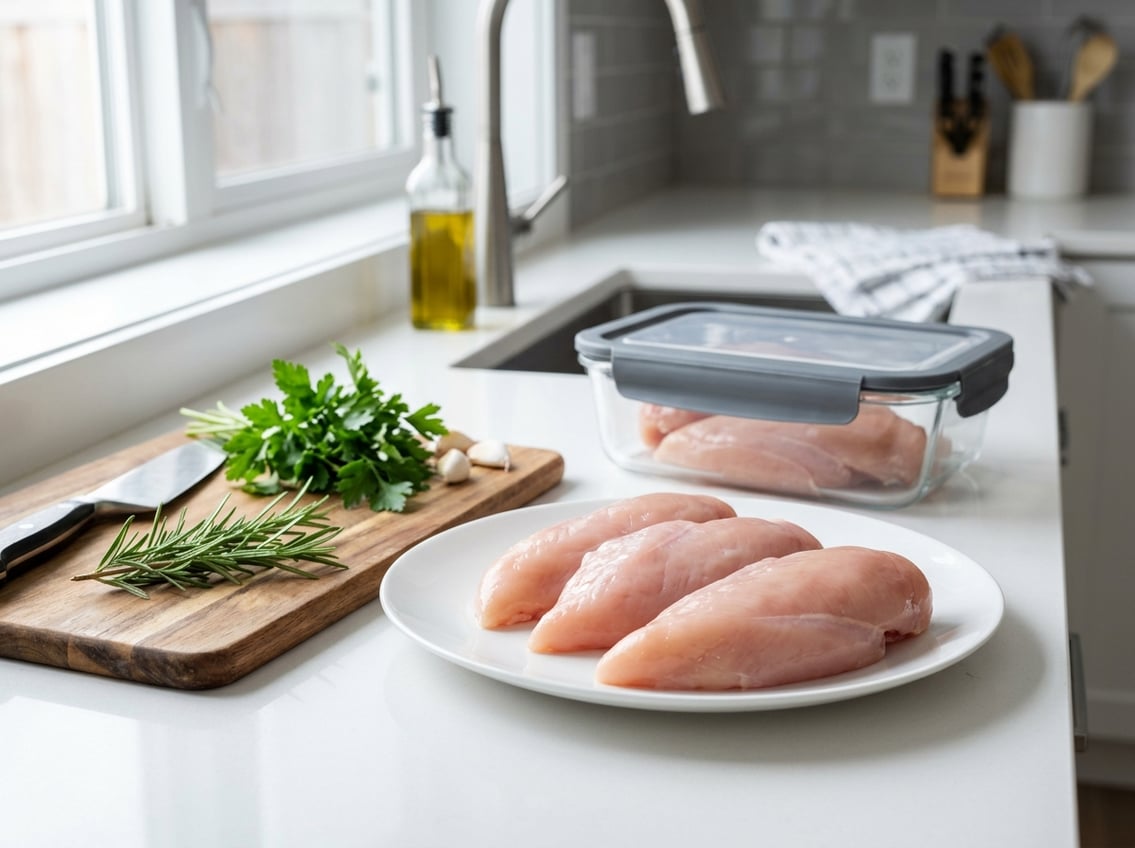
Bad smells often start with poor storage, warm temperatures, or cross-contamination.
Keeping raw chicken cold and sealed helps slow bacterial growth and protects the rest of your food.
The same habits also help cooked chicken stay fresher for longer.
Refrigeration, Airtight Storage, and Cross-Contamination Control
Store raw chicken breast in the refrigerator at 40°F or below.
Keep it in its original package or move it to an airtight container so juices do not leak.
Place it on the bottom shelf so it cannot drip onto produce or ready-to-eat food.
Wash your hands, cutting boards, and knives after handling raw chicken to reduce cross-contamination.
When to Freeze Chicken
Freeze chicken if you will not cook it soon.
Freezing slows bacterial growth and helps preserve quality, which makes it a smart choice when your meal plan changes.
Use freezer-safe packaging or an airtight container to reduce freezer burn and odor transfer.
Label the package with the date so you know how long it has been frozen.
Cooked Chicken Smells and Leftover Storage
Cooked chicken smells normal and appetizing, not sour or rotten.
If leftovers smell bad after refrigeration, do not taste them to test safety.
Cool cooked chicken quickly and store it in a sealed container. Refrigerate it within two hours.
Discard leftovers that smell off, feel slimy, or show mold.


