
Why Is Chicken Breast Tough? Causes and Fixes
Chicken breast often feels tough because of cooking mistakes, meat quality, or both. Since chicken breast is lean, it can go from soft and juicy to dry and rubbery fast.
If you want a juicy chicken breast, control the temperature, cook it evenly, and start with good quality meat. Knowing the causes helps you prevent tough chicken before it happens.
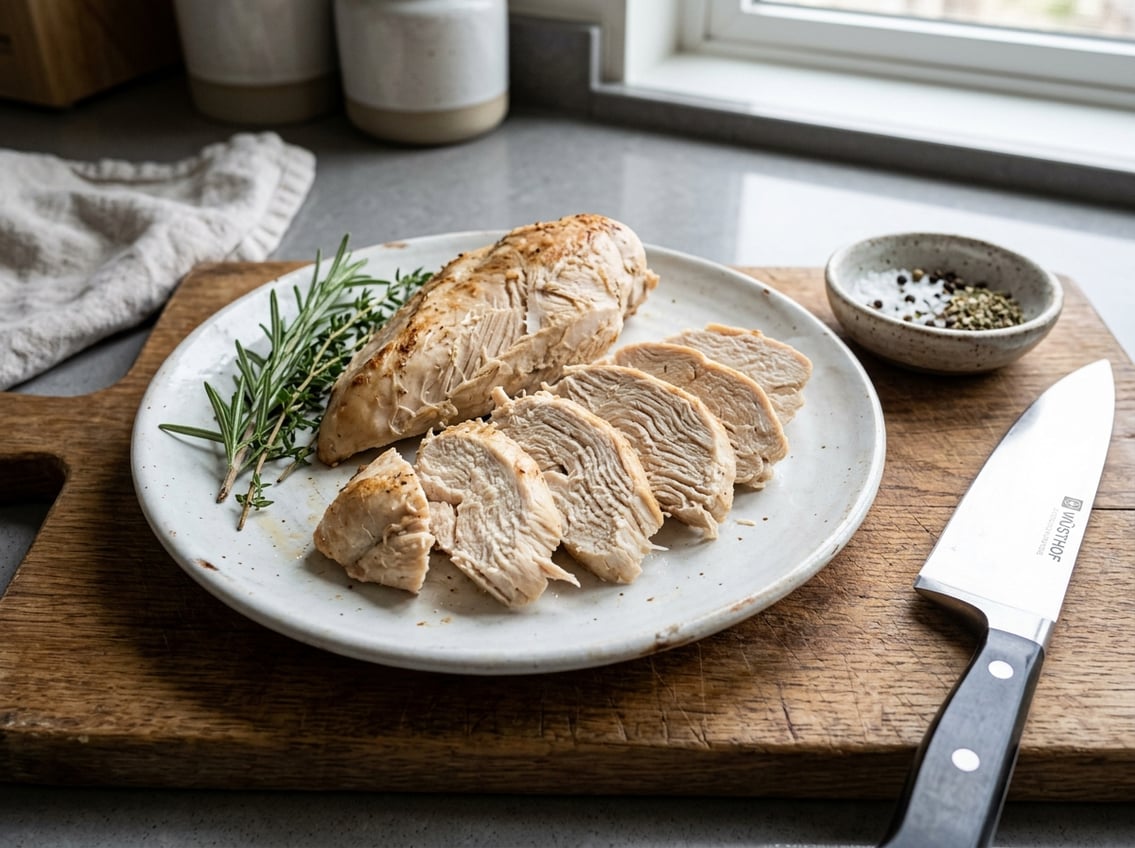
What Usually Makes Chicken Breast Tough
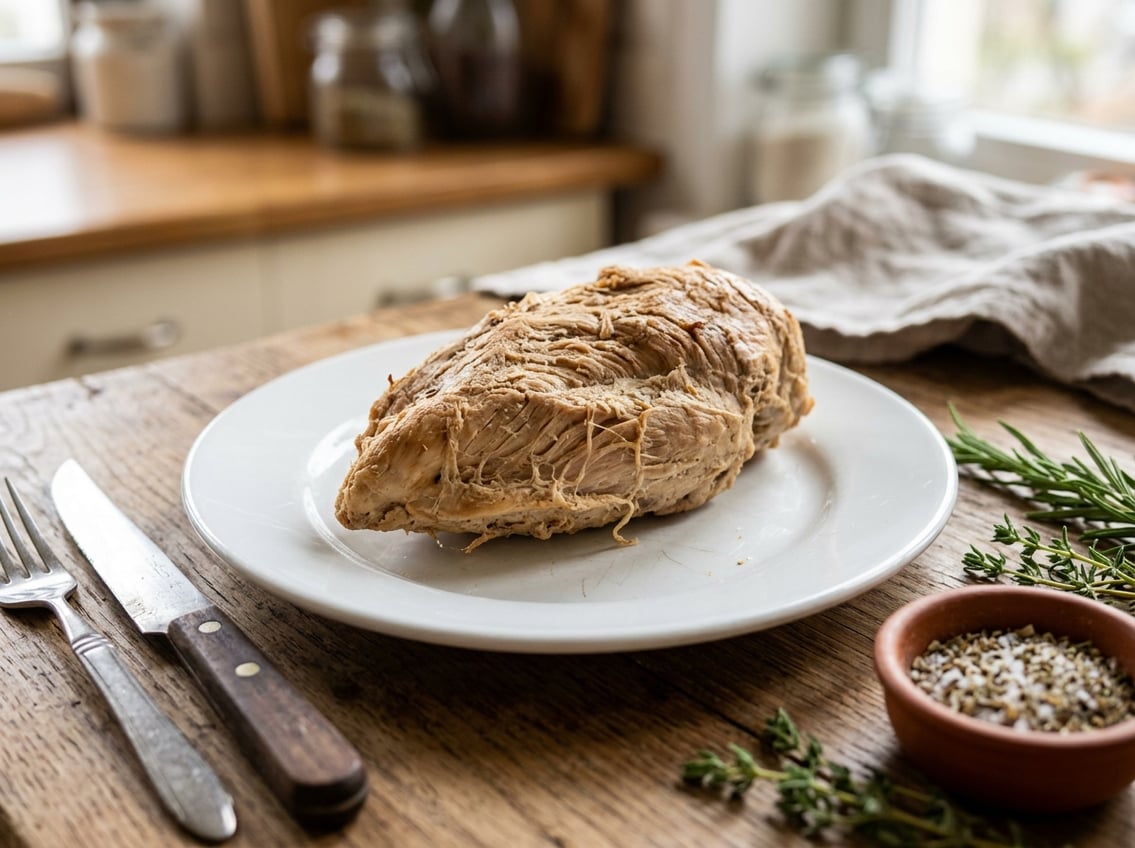
Too much heat, too little heat, or uneven cooking often make chicken breast tough. Chicken breast cooks quickly, so small errors can lead to a dry or rubbery texture.
Overcooking and Moisture Loss
When you overcook chicken, it loses moisture as the proteins tighten and push out liquid. That can make chicken breast turn dry and firm even if it started out tender.
A thin cut like chicken breast needs close attention because a few extra minutes can change the texture a lot.
Undercooking and Rubbery Texture
Undercooked chicken feels soft in the middle and rubbery around the edges. The texture is unpleasant and unsafe.
To cook chicken breast properly, use enough heat to reach a safe internal temperature all the way through. The USDA recommends cooking chicken breast to 165°F to keep it safe and tender.
High Heat and Uneven Thickness
High heat can brown the outside too quickly while the inside stays undercooked. That creates overcooked edges and undercooked centers.
Uneven thickness causes similar problems. A thick end may still be cooking while the thinner end is already dry.
How to Keep It Tender and Juicy
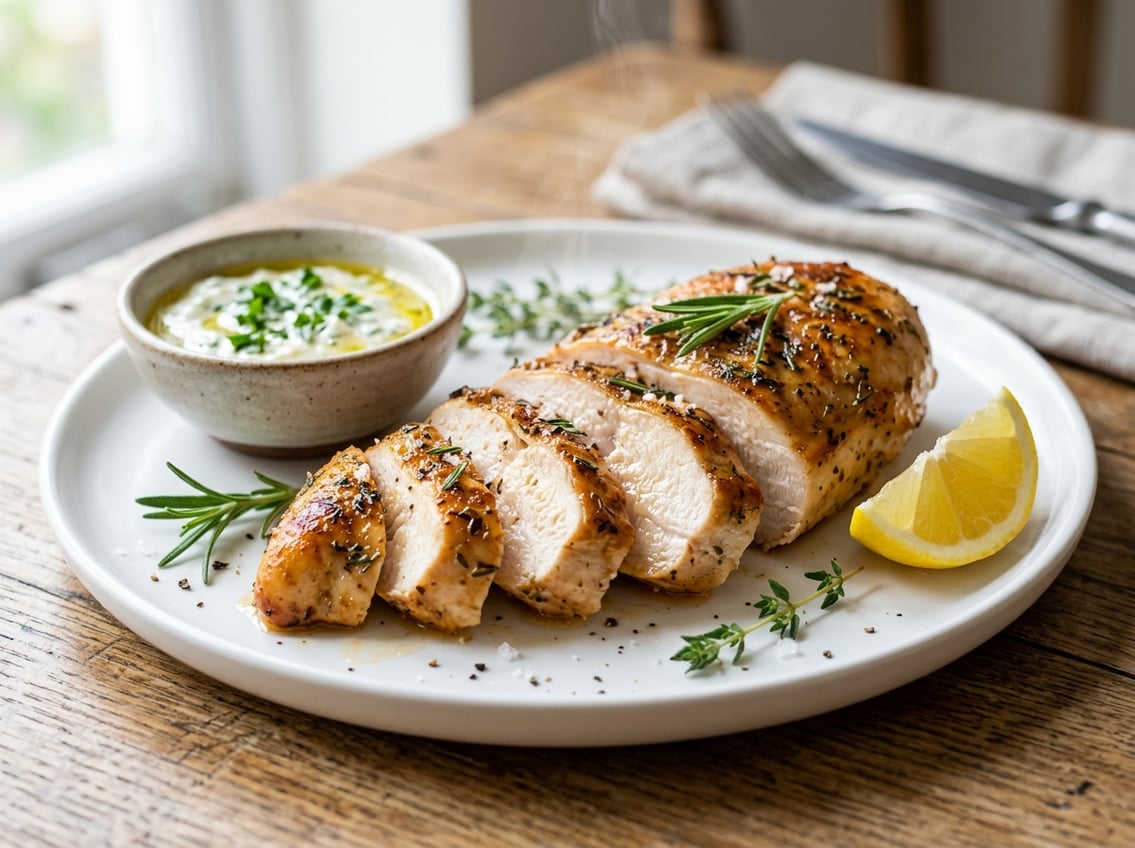
Start with accurate temperature control and even thickness for tender chicken. Simple prep steps, like pounding chicken breast flat and using a meat thermometer, help you cook chicken breast more consistently.
Use a Meat Thermometer and Watch Carryover Cooking
A meat thermometer helps you keep chicken breast juicy. Pull the chicken when the thickest part reaches 165°F, then let it rest.
The temperature can rise a little after you remove the pan or baking dish from the heat. Stop cooking just as the target is reached.
Pounding Chicken for Even Cooking
Pound chicken breast so it cooks at the same rate from edge to center. Use a meat mallet and aim for even thickness, especially when one side is thicker.
This step helps the chicken cook more evenly in a skillet, oven, or on a grill. It also lowers the chance of dry edges and a rubbery middle.
Brining and Marinating for Better Texture
Marinate chicken to improve taste and tenderness. Salt-based brines help the meat hold on to moisture during cooking.
A simple marinade with salt, acid, and fat also works well. Dry brining and marinating are both common ways to improve flavor and tenderness before cooking.
Resting and Slicing to Preserve Moisture
Let chicken rest after cooking so the juices stay in the meat. A short rest makes a noticeable difference.
Slice across the grain when you serve it. That shortens the muscle fibers and makes each bite feel more tender.
When the Problem Starts With the Chicken Itself
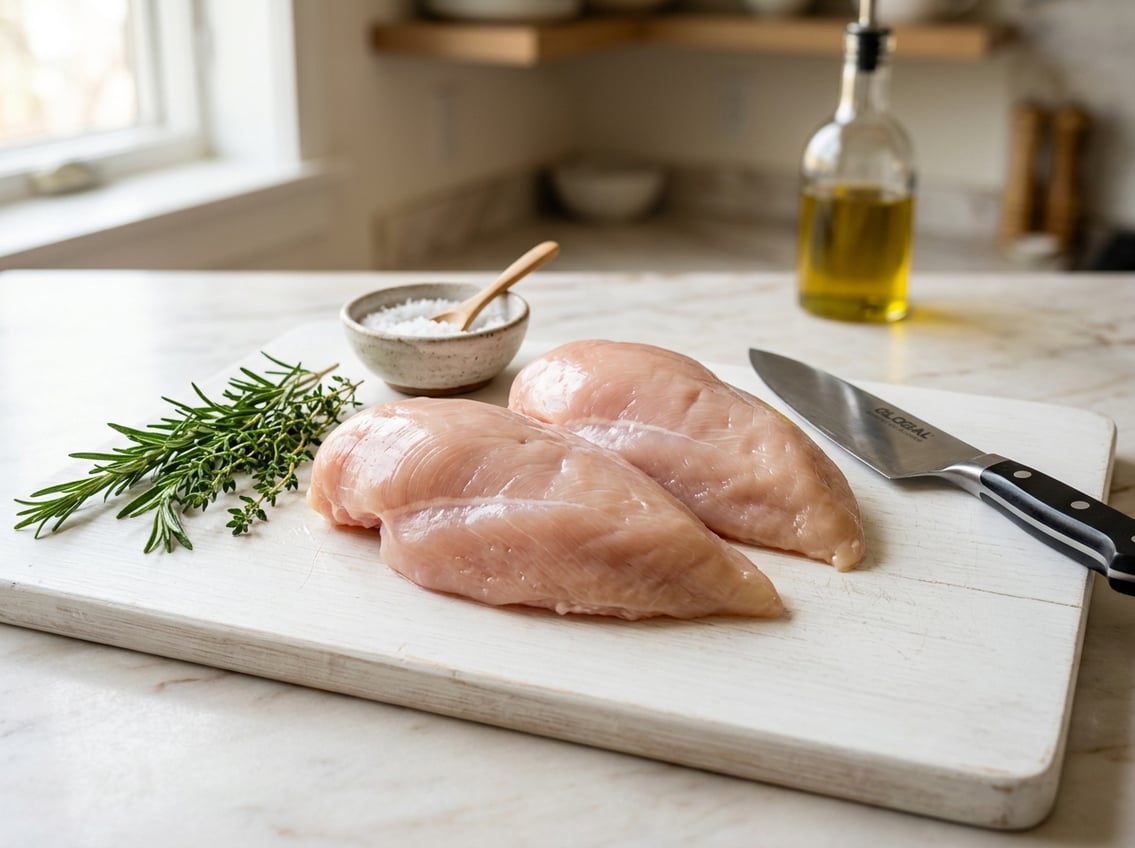
Sometimes the issue is the meat, not your method. Poor quality chicken, oversized breasts, and woody breast syndrome can make chicken breast tough before you even start cooking.
Woody Breast Syndrome and How to Spot It
Woody breast syndrome is a muscle condition that makes some chicken breasts feel hard, dense, or stringy. It affects texture even when you cook the meat correctly.
You may notice an unusually firm feel before cooking or a strange, board-like texture after cooking. If a chicken breast feels very rigid or has thick white striping, woody breast may be the cause.
Poor Quality Chicken and Oversized Breasts
Poor quality chicken often leads to uneven texture and low moisture retention. Very large breasts can dry out on the outside before the center finishes cooking.
When you buy chicken breast, pick pieces that are similar in size and not overly thick. Smaller, even breasts are easier to cook and more likely to stay juicy.
Why Air-Chilled and Organic Chicken Can Help
Air-chilled chicken usually has less added water than water-chilled chicken, which can help texture and browning. Organic chicken may also come from production systems with different feed and handling standards.
Trying a different brand or processing method may improve results if your usual chicken keeps turning tough.
How to Fix a Tough Batch After Cooking
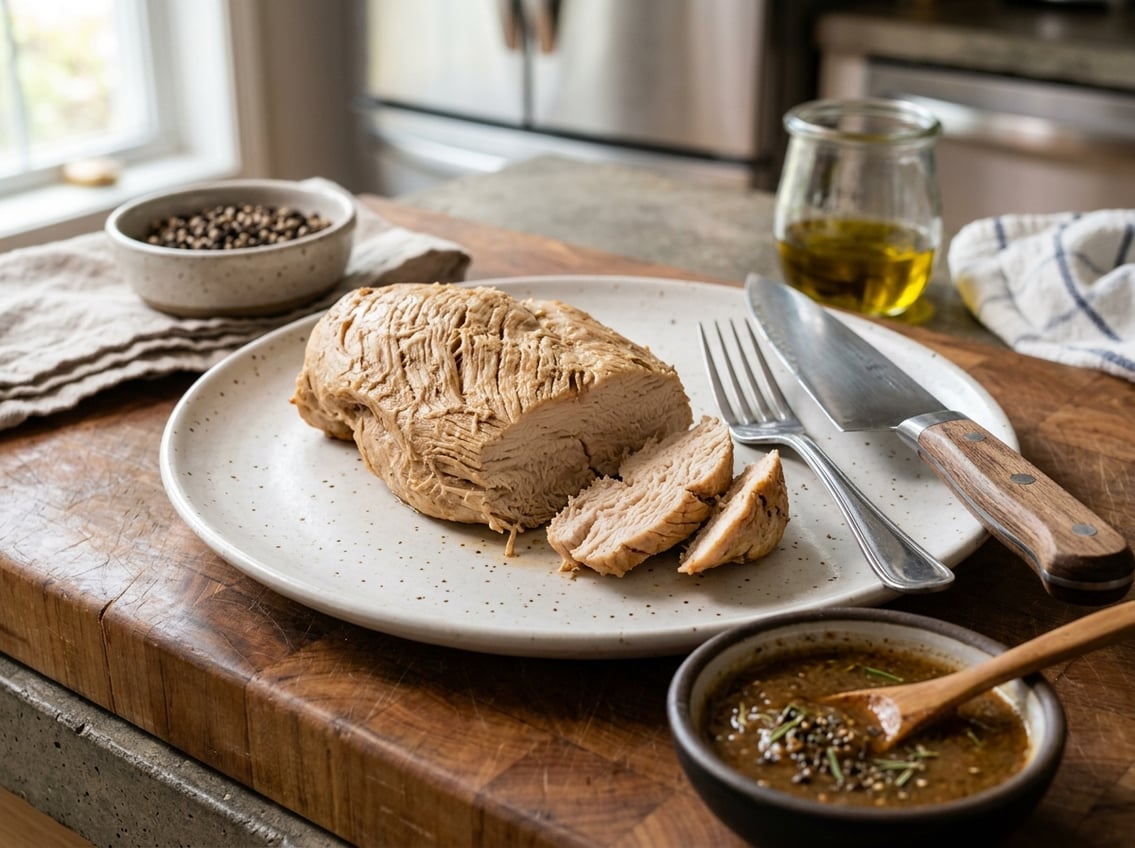
You can still fix tough chicken breast after cooking. The best method depends on whether the meat is dry, rubbery, or too firm.
Best Ways to Save Dry Pieces
If the chicken is dry, add moisture back with sauce, broth, or a creamy dressing. Sliced chicken breast works well in dishes with mayo, yogurt, vinaigrette, or pan sauce.
You can also chop it and mix it into soups, pasta, or casseroles. That helps the meat blend with other ingredients so the dryness is less noticeable.
When to Slice or Shred for Other Dishes
If the chicken is tough, thin slicing can improve the bite. Shredding works well for chicken salad, enchiladas, tacos, and similar dishes.
For chicken salad, mix the meat with enough dressing to coat each piece. This is one of the easiest ways to use overcooked chicken without wasting it.
When Tough Texture Means You Should Keep Cooking
If the chicken is rubbery and still looks underdone in the center, keep cooking it until it reaches 165°F.
Undercooked chicken can be both unsafe and unpleasant to eat.
If the outside is already dry, lower the heat and finish it gently.
That can help the center catch up without making the texture worse.


