
Is a Chicken Breast Good for You? Nutrition and Health
You may ask, is a chicken breast good for you because you want a simple answer. For most people, it can be a healthy choice.
Chicken breast is a lean protein. It is naturally low in fat when you remove the skin, and it fits well into many healthy eating patterns.
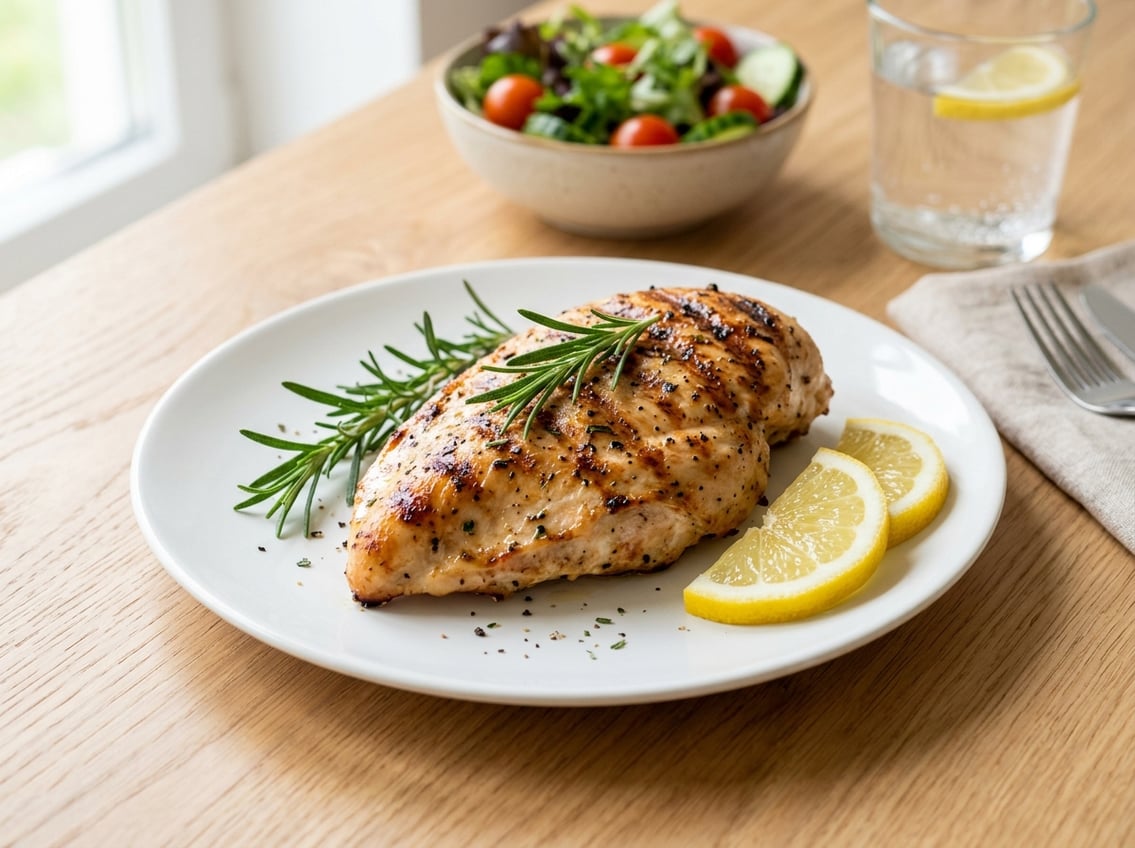
Chicken breast provides strong protein content and a useful mix of nutrients. A boneless skinless chicken breast supports muscle repair, helps with fullness, and makes it easier to build balanced meals.
How you cook chicken breast and what you serve with it matters. Breading, frying, heavy sauces, and large portions can turn a healthy protein into a less healthy meal.
Chicken Breast Nutrition at a Glance
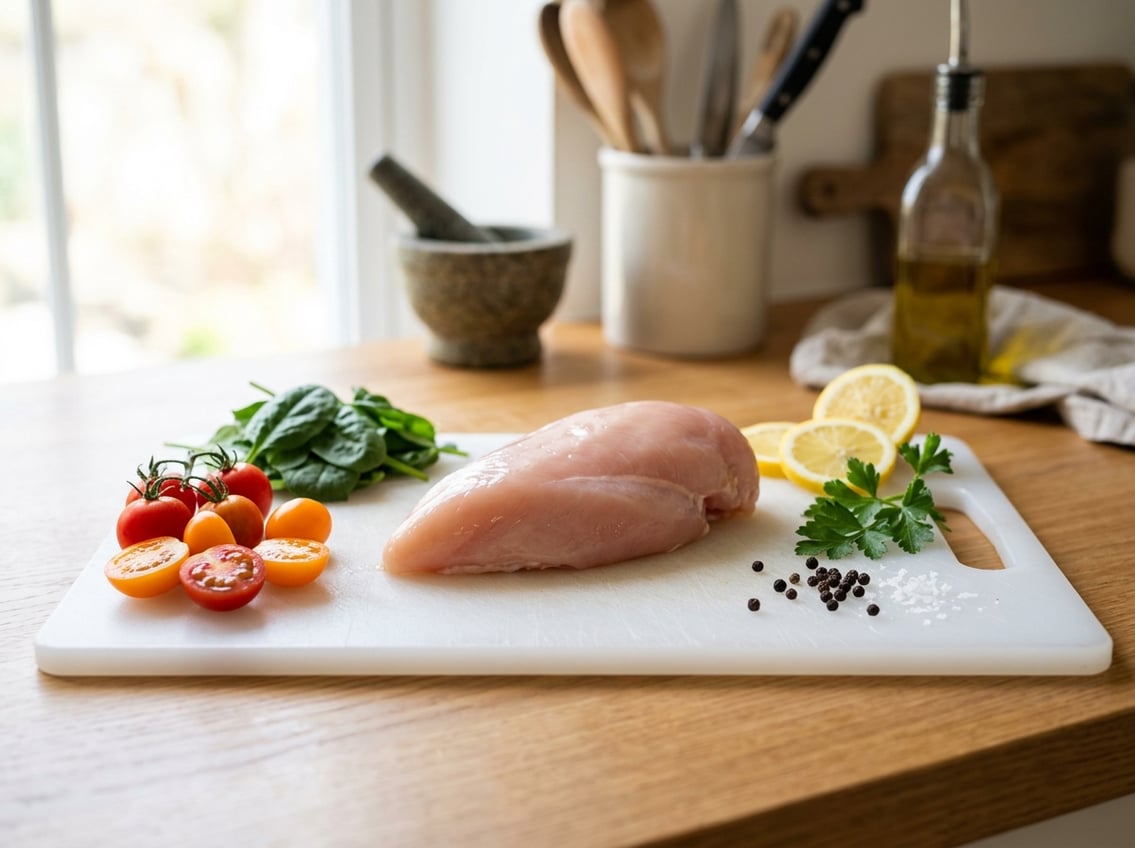
Chicken breast’s nutrition makes it popular in the U.S. A skinless chicken breast is a lean white meat with high protein content and relatively few calories and fat.
A standard serving can look different depending on whether you measure it cooked or raw. The numbers below show what you get from a typical portion.
Calories, Protein, and Fat in a Standard Serving
A 3-ounce serving of cooked, skinless chicken breast has about 128 calories, 26 grams of protein, 3 grams of fat, and 1 gram of saturated fat, according to EatingWell’s review of USDA data.
A 3.5-ounce serving is close to 100 grams, and many nutrition labels use that size for comparison.
Chicken breast offers a strong protein-to-calorie ratio. It is a high protein food that is also low in fat and saturated fat.
You also get small amounts of cholesterol, iron, and sodium. The exact amounts change with brand, cooking method, and whether you add salt or sauce.
Key Micronutrients Like Niacin, Vitamin B6, Selenium, and Choline
Chicken breast is not only about protein. It also provides niacin, vitamin B6, selenium, choline, phosphorus, magnesium, and other B vitamins.
These nutrients help your body use energy and support nerve function. Chicken breast also supplies some zinc and iron for immune function and oxygen transport.
Because it is a lean white meat, chicken breast gives you many nutrients without a lot of extra fat. It is a practical option when you want a nutrient-dense main dish.
Skinless vs. Skin-On Nutrition Differences
The skin makes a big difference. Skinless chicken breast stays lower in calories, total fat, and saturated fat than skin-on chicken breast.
If you leave the skin on, you get more flavor and a richer texture, along with more fat and calories. If you want a lighter meal, boneless skinless chicken breast is usually the better choice.
How Chicken Breast Can Support Health Goals
Chicken breast fits many healthy diets because it is filling, versatile, and easy to portion. It is especially useful when you want a protein source that works with vegetables, whole grains, beans, and healthy fats.
The main benefits come from its lean protein content, which can support fullness, recovery, and better meal balance.
Weight Management, Satiety, and Portion Control
Protein helps you feel full, which can support weight management and weight loss efforts. When you build meals around lean protein, it may be easier to control hunger and keep your portion size in check.
Chicken breast is also easy to measure. A modest portion control approach, such as 3 to 4 ounces, can help you avoid eating far more calories than you planned.
Muscle Growth and Recovery
Chicken breast is a strong choice for muscle growth because it provides complete protein with a good mix of amino acids. That makes it useful after exercise and during active training.
It also contains tryptophan, along with other amino acids your body uses to repair tissue. If you lift weights, run, or stay active, chicken breast can fit well into a recovery meal.
Heart Health, Blood Pressure, and Type 2 Diabetes Risk
Chicken breast can support heart health when you replace higher-fat meats and prepare it with little added salt or sugar. Its low saturated fat level helps it fit well in healthy diets, including the Mediterranean diet and other eating plans built around lean protein.
According to EatingWell’s summary of research, lean poultry can be part of a heart-healthy diet. Replacing processed red meat with poultry links to a lower risk of type 2 diabetes in some studies.
It can also help with blood pressure when you choose low-sodium seasonings and balanced sides.
When Chicken Breast Is Less Healthy
Chicken breast is not always the healthiest choice. The cooking method, added ingredients, and your own health needs can change its nutritional value.
A plain grilled chicken breast differs greatly from a breaded, fried, or sauce-heavy meal. Small changes can add a lot of calories, sodium, and fat.
Fried Chicken, Added Fats, and Hidden Calories
Fried chicken often brings extra calories from breading and oil. Butter, creamy sauces, cheese, and heavy marinades can also add a lot of added fats without much nutrition.
Even though the meat itself is low fat, the meal may no longer be. If you want the healthiest version, keep the chicken breast plain or lightly seasoned.
High-Heat Cooking and Advanced Glycation End Products (AGEs)
Very high-heat methods can create advanced glycation end products or AGEs. These compounds form when you cook foods at high heat, especially when they brown or char.
A little browning is normal, and you do not need to avoid grilled chicken. Still, gentle methods like poaching can reduce charring and may be a better fit if you cook chicken often.
Allergies, Cholesterol Concerns, and Who Should Be Cautious
Chicken allergy is less common than some other food allergies, but it can happen. In severe cases, it may lead to anaphylaxis, which is a medical emergency.
People who need to watch cholesterol may want to pay attention to portion size and cooking method. If you have special dietary needs, you may need to choose smaller portions, lower-sodium recipes, or other protein sources more often.
Very active people may also need more calories than a plain chicken breast provides.
Best Ways to Cook and Serve It Safely

The healthiest chicken breast recipes keep the meat moist, limit added fat, and follow basic food safety rules. The goal is to get good flavor without turning a lean protein into a heavy meal.
Safe handling matters as much as cooking method because raw chicken can carry harmful bacteria.
Healthier Cooking Methods Like Grilling, Poaching, Stir-Frying, and Pressure Cooking
Grilled chicken breast can be a smart choice when you avoid over-charring it. Poaching is especially good if you want tender meat with little added fat, and EatingWell notes that many experts favor it.
Stir-frying works well when you use a small amount of oil and plenty of vegetables. Pressure cooking can also keep chicken breast moist while keeping added fat low.
Food Safety Basics to Prevent Salmonella and Campylobacter
Raw chicken can contain salmonella and campylobacter, two bacteria that can cause foodborne illness. Wash your hands, clean cutting boards, and keep raw chicken away from ready-to-eat foods.
Cook chicken breast to a safe internal temperature of 165°F. A meat thermometer is the easiest way to check.
Balanced Meal Ideas and Healthy Chicken Breast Recipes
A healthy plate usually includes chicken breast, vegetables, fiber-rich carbs, and a small amount of healthy fat. That could mean rice and broccoli or a salad with beans.
You can try roasted potatoes and green beans as well.
Good chicken breast recipes do not need to be complicated. You can make chicken fajitas, bake chicken with vegetables, or grill chicken breast with a whole grain side.
A healthier chicken parmesan uses less cheese and oil. A lighter maple-glazed chicken breast keeps added sugar in check.
For everyday cooking, choose skinless chicken breast. Keep your portion size moderate so the meal stays balanced.


