
Who to Cook Chicken Breast: Best Methods and Tips
You can cook chicken breast with reliable results by focusing on three things: the cut, the method, and the final temperature. If you get those right, you can cook chicken breast that stays juicy instead of turning stringy or dry.
The easiest path is to choose an even piece, season it well, and use a meat thermometer so you stop cooking at the right time. From there, you can bake, sear, poach, grill, or use a slow cooker depending on the meal you want.
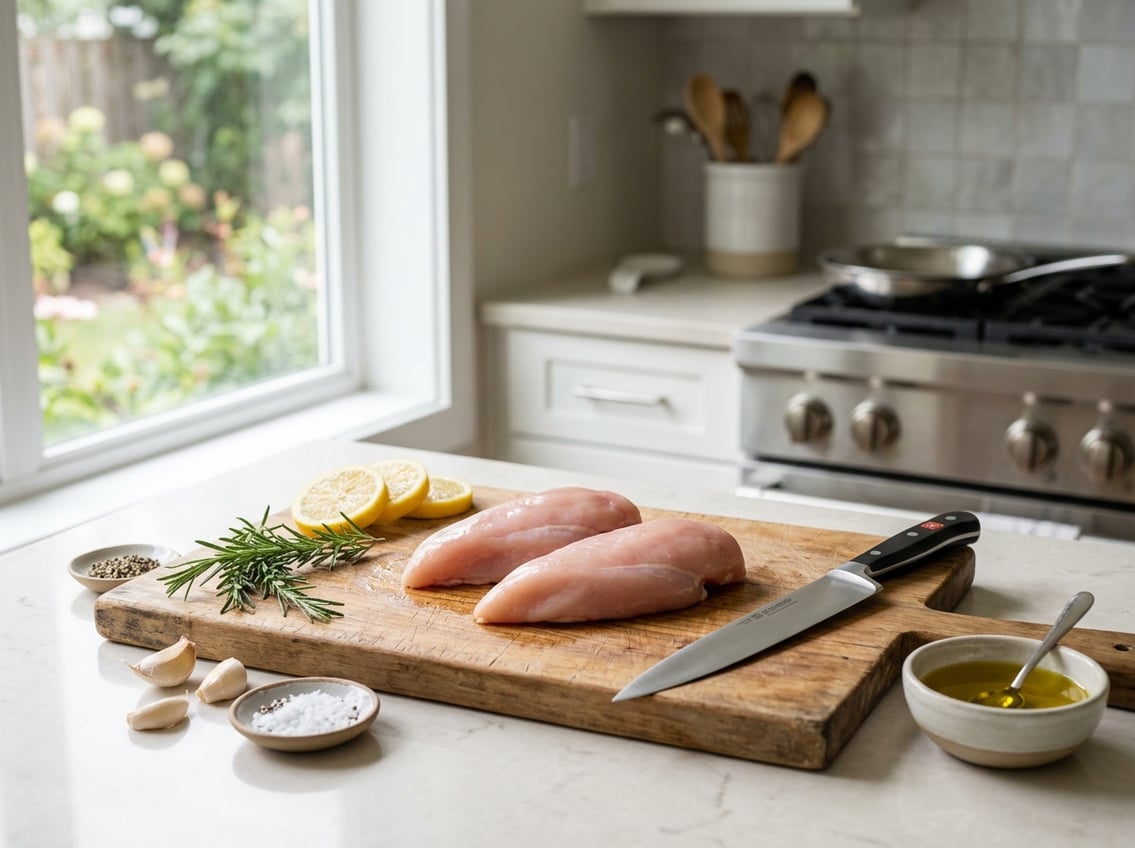
The best chicken breast recipe is not about fancy steps. It is about control, especially if you want a juicy chicken breast that works for dinner, meal prep, or leftovers.
Choose the Right Cut and Prep It Properly
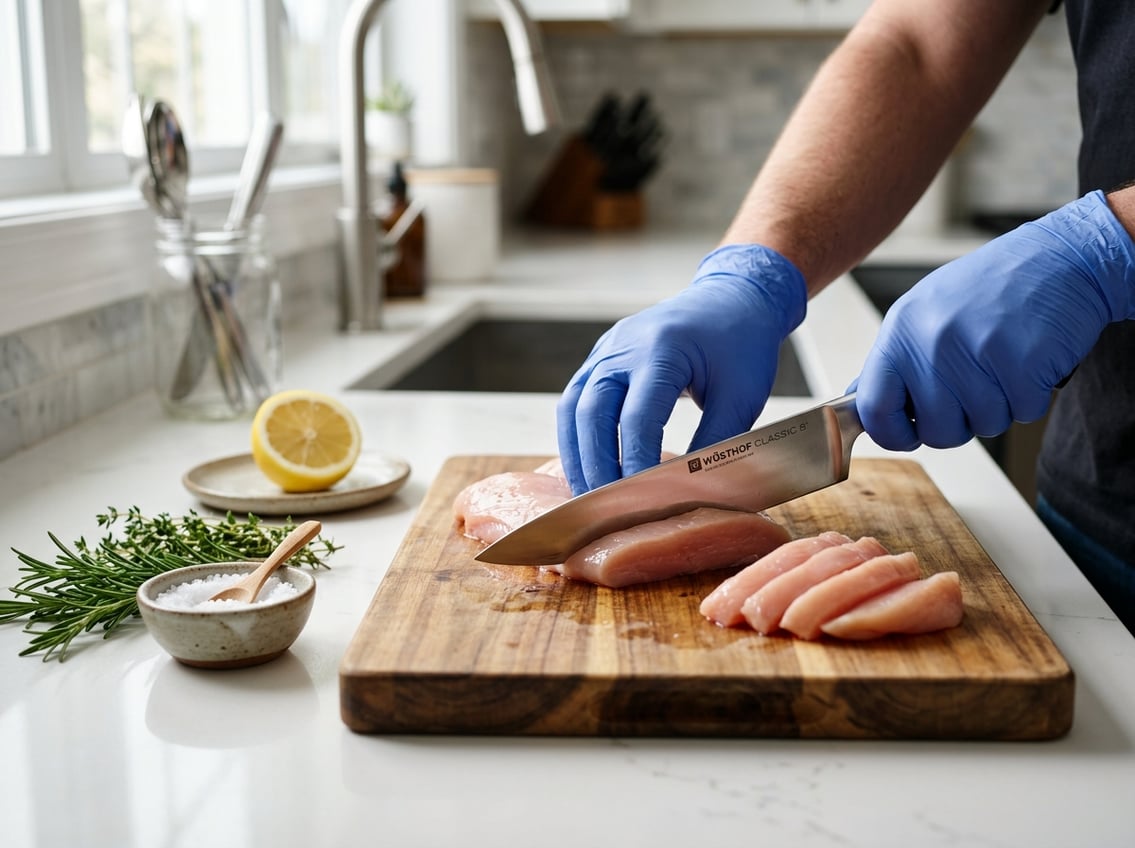
The cut you choose changes cook time, flavor, and texture. Even simple prep steps, like drying the surface and evening out thickness, help you avoid dry chicken.
Boneless vs. Bone-In
A boneless chicken breast cooks faster and is easier to slice, which makes it a practical choice for weeknights. A bone-in chicken breast usually takes longer, but the bone can help protect the meat from drying out during cooking.
If you want speed and flexibility, choose boneless. If you want a little more forgiveness and you do not mind extra cook time, bone-in can work well.
Skinless vs. Skin-On
A skinless chicken breast is lean and easy to season directly. A skin-on chicken breast gives you more browning and can help hold moisture, especially in the oven or on the grill.
A boneless skinless chicken breast is the most common option in US kitchens because it cooks quickly and works in many dishes. It also needs careful timing, since it can dry out fast.
Simple Prep Steps
Start with chicken that is thawed and close to room temperature. Pat it dry so the surface browns better, then season it evenly with salt and pepper.
If one end is much thicker, gently pound it so the whole piece cooks at the same rate. Use a meat thermometer to prevent overcooking and avoid dry chicken.
Best Ways to Cook It
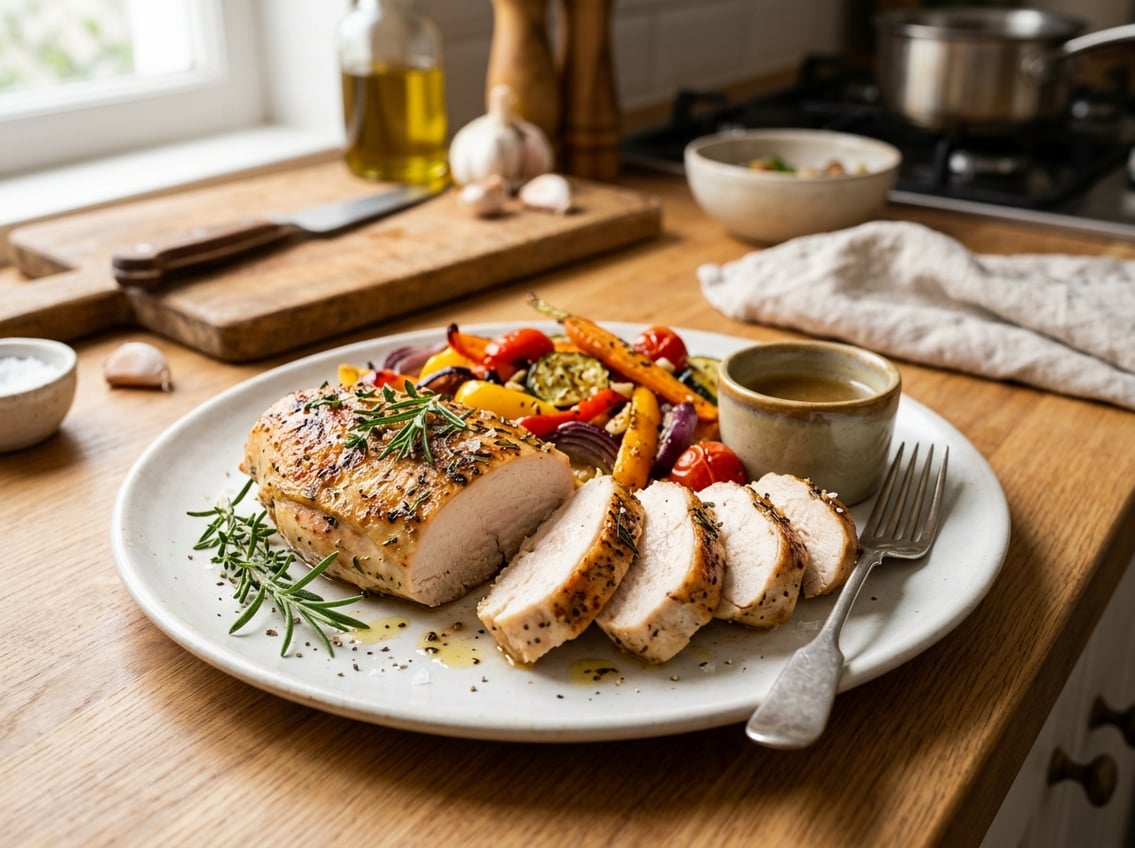
You can bake, sear, grill, poach, or use a slow cooker, and each method has a clear use. The best choice depends on whether you want convenience, browning, tenderness, or hands-off cooking.
Bake in the Oven
To bake chicken breasts, place them on a baking sheet, season them well, and cook them in a hot oven until they reach the right temperature. This is one of the most dependable ways to make a baked chicken breast for weeknight meals.
Start with evenly sized pieces and check early with a thermometer. A simple oven method is described in this oven-baked chicken breast recipe, which uses basic seasoning and a straightforward bake time.
Pan-Sear for Browning and Flavor
Sear chicken breasts in a hot skillet to get a golden crust and rich flavor in a short time. This works well when you want fast results and a more polished finish.
Use a little oil, keep the heat at medium-high, and do not move the chicken too soon. Let the crust form before you turn it.
Poach for Tender Slices
Poach chicken by cooking it gently in simmering liquid, not a hard boil. This is useful when you want soft, even meat for salads, soups, and tacos.
Keep the liquid just below a boil and cook until the center is no longer pink. Poaching is one of the easiest ways to make tender meat that shreds well.
Grill for a Smoky Finish
Season or marinate chicken, then cook over medium-high heat. The grill adds char and a smoky taste that works well with simple sides.
For a basic approach, the grilled chicken breast recipe recommends a short marinade and careful timing.
Use a Slow Cooker
A slow cooker is useful when you want low-effort shredded chicken. It is not the best choice for a browned crust, yet it works well for batch cooking and meal prep.
Add seasoning and a little liquid, then cook until the chicken pulls apart easily. This method is best for recipes where texture matters less than convenience.
Timing, Temperature, and Common Mistakes
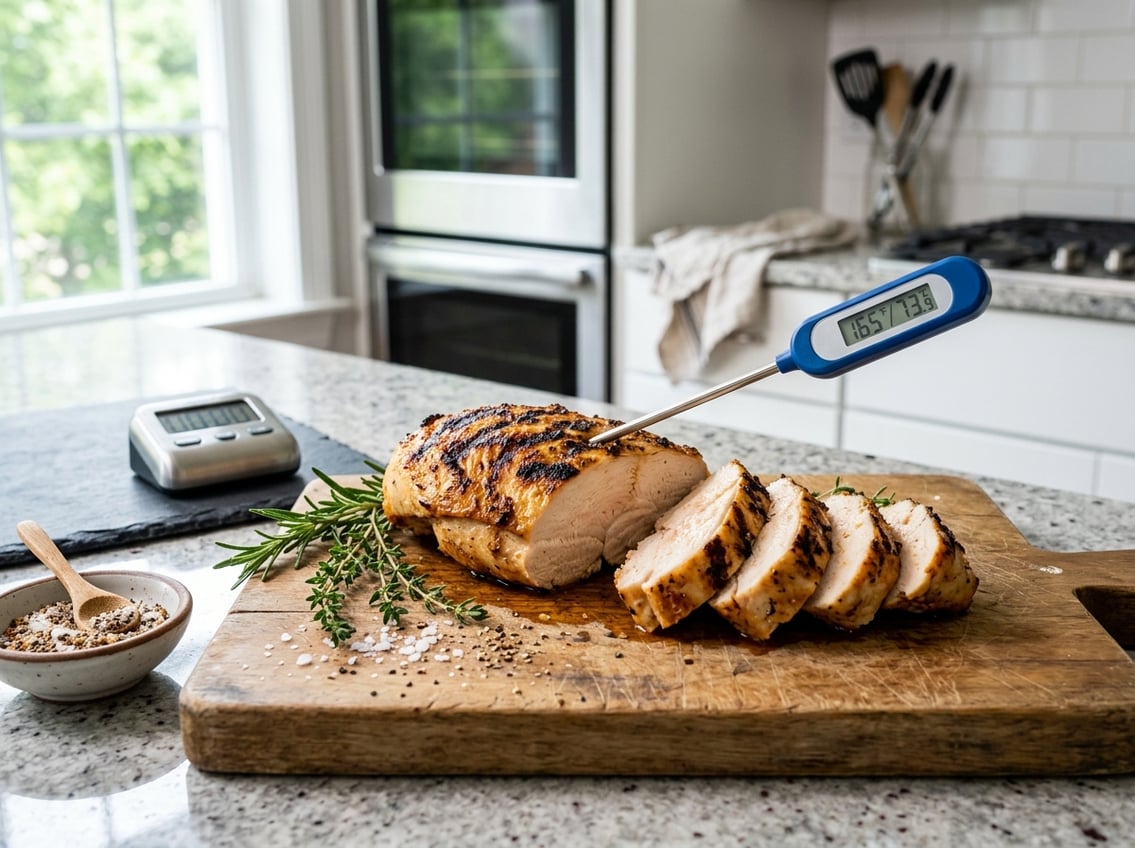
Most chicken problems come from guessing cook time or slicing too soon. Use a meat thermometer to remove the guesswork and help you make juicy chicken breast with fewer mistakes.
What Internal Temperature to Aim For
Cook chicken breast to an internal temperature of 165°F in the thickest part. That is the standard food-safety target used across many home cooking guides, including the simple chicken breast temperature guide.
Check the temperature near the center, not near the edge. If you pull it at the right point, you are much more likely to avoid dry chicken.
How Thickness Affects Cook Time
Thicker chicken breasts need more time than thin ones, even in the same pan or oven. That is why uneven pieces often end up with one dry side and one underdone side.
Pound the breast to an even thickness so it cooks at the same pace. This makes timing easier whether you cook chicken breast in the oven, on the stove, or on the grill.
Why Resting Matters
Rest the chicken for a few minutes after cooking. This lets the juices settle back into the meat instead of running out onto the cutting board.
If you slice too soon, the meat often seems drier than it really is. Resting is a small step that improves texture in nearly every method.
Easy Flavor Directions and Recipe Ideas
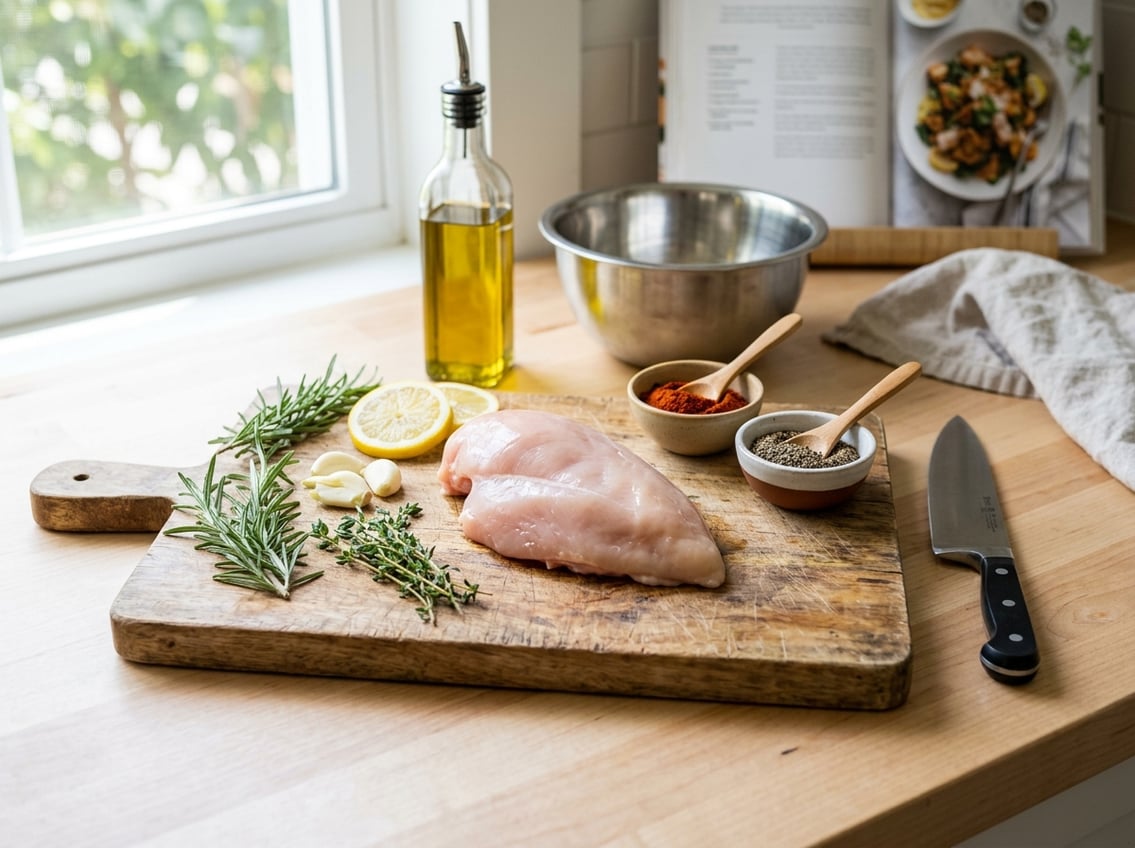
Good flavor starts with simple seasoning, then you can move into more specific recipes. The same base method can support a plain chicken breast recipe or a more detailed dinner like lemon chicken or chicken parmesan.
Everyday Seasonings and Marinades
Keep a basic mix of salt, pepper, garlic powder, paprika, and olive oil for everyday use. A short marinade can add more flavor, especially if you grill or bake chicken.
According to a beginner-friendly guide from How to Cook Chicken Breast for Beginners, simple herbs and spices are enough to improve taste without making the process harder.
Best Uses for Meal Prep, Salads, and Sandwiches
A plain baked chicken breast is useful when you want protein you can reuse all week. Slice it for salads, shred it for wraps, or cube it for grain bowls.
You can also poach chicken for cold dishes where a softer texture works better. That makes poached chicken a practical option for sandwiches and meal prep.
Popular Variations Like Lemon Chicken and Pesto Chicken
Lemon chicken gives you bright flavor with little effort.
Pesto chicken brings more herb flavor and pairs nicely with pasta, rice, or vegetables.
For a richer dinner, try chicken parmesan with a breaded, sauced style that feels more filling.
Once you learn how to handle the breast well, many chicken breast recipe ideas become easy to use.


