
Why Is Chicken Breast Protein So High?
Chicken breast contains a lot of protein because the meat is mostly muscle, and muscle tissue is naturally rich in protein.
When you choose chicken breast, you get a lot of protein in a small serving and very little fat. That is why many people in the U.S. use it as a lean protein choice.
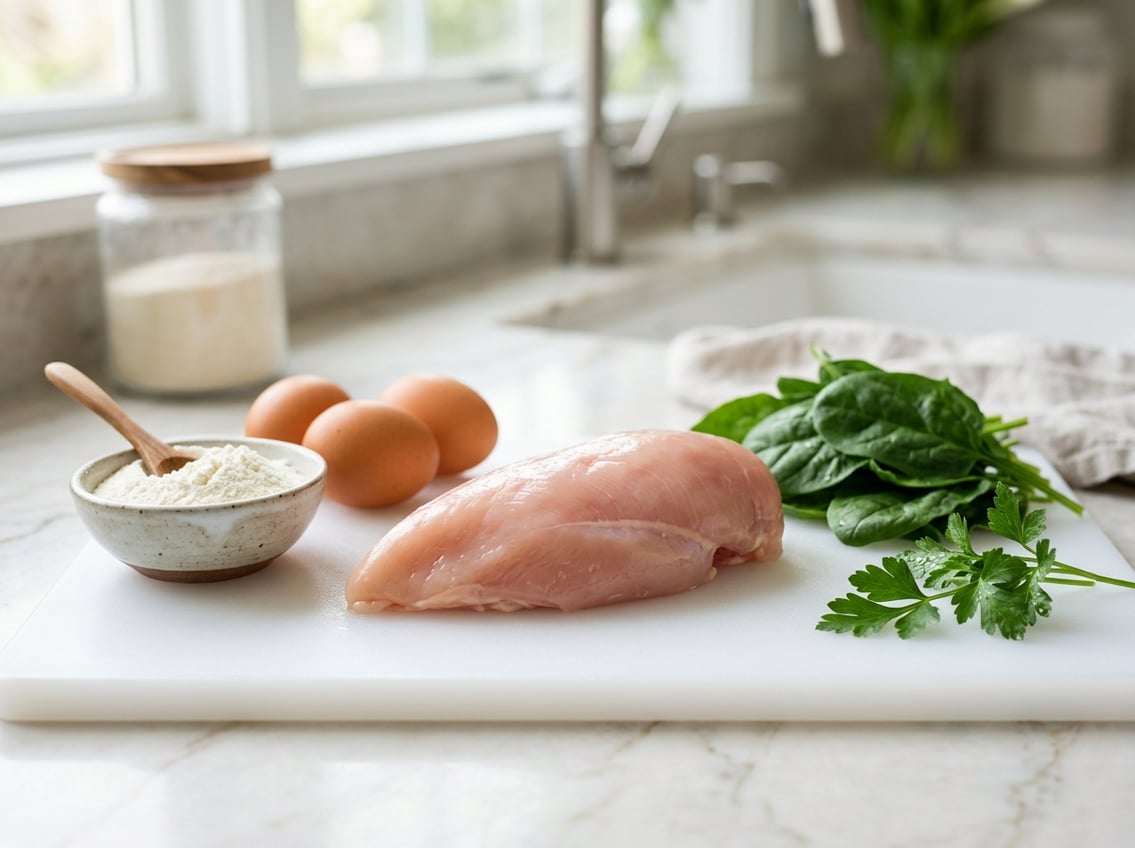
The exact amount of protein in chicken breast depends on portion size, cooking method, and whether the cut is skinless or bone-in.
Still, chicken breast consistently offers high protein content and a favorable nutrition profile for many meal plans.
Muscle Structure Makes Breast Meat Protein-Dense
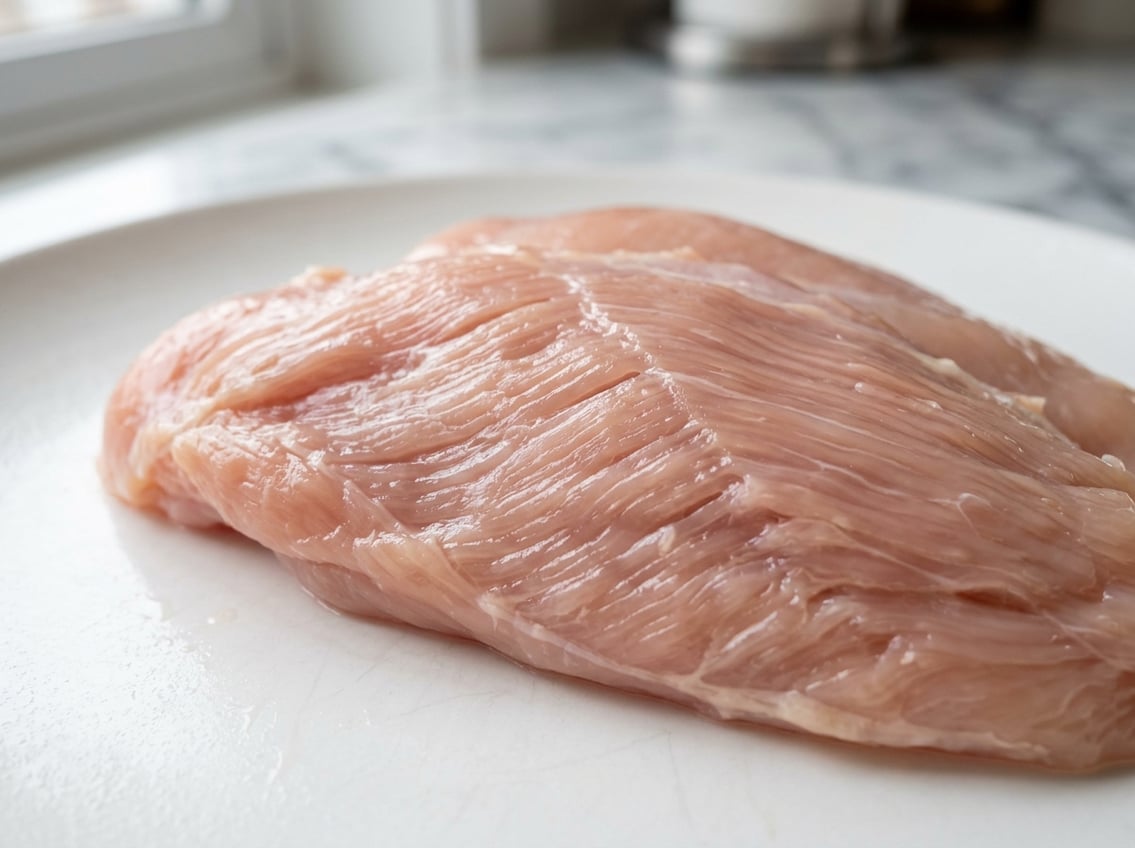
Chicken breast is mostly pectoral muscles, and that muscle tissue contains a lot of structural proteins.
That is why chicken breast delivers more protein than many other foods in the same calorie range.
Why The Pectoral Muscles Contain So Much Protein
The pectoral muscles power movement in the bird, so they form from tightly arranged muscle fibers.
These fibers are made of protein, which gives breast meat its dense texture and high protein content.
Chicken breast is an unprocessed chicken cut with a simple macro profile.
A 3-ounce cooked serving provides about 23.8 grams of protein, according to MSN.
How Low Fat Increases The Protein-To-Calorie Ratio
Chicken breast is high in protein partly because it is low in fat.
When a food has less fat, more of each calorie comes from protein, which improves the protein-to-calorie ratio.
That ratio is one reason skinless chicken breast is a common lean protein choice.
You get protein in chicken breast without many extra calories from fat.
Why Skinless Cuts Concentrate More Lean Protein
Skin adds fat and a few extra calories, while the meat itself remains the main source of protein.
Skinless chicken breast gives you more lean protein for the same amount of edible meat.
If you want the highest protein density, skinless cuts are easier to track and easier to fit into meal prep.
They also keep the focus on protein instead of added fat.
Protein Quality Matters As Much As Quantity
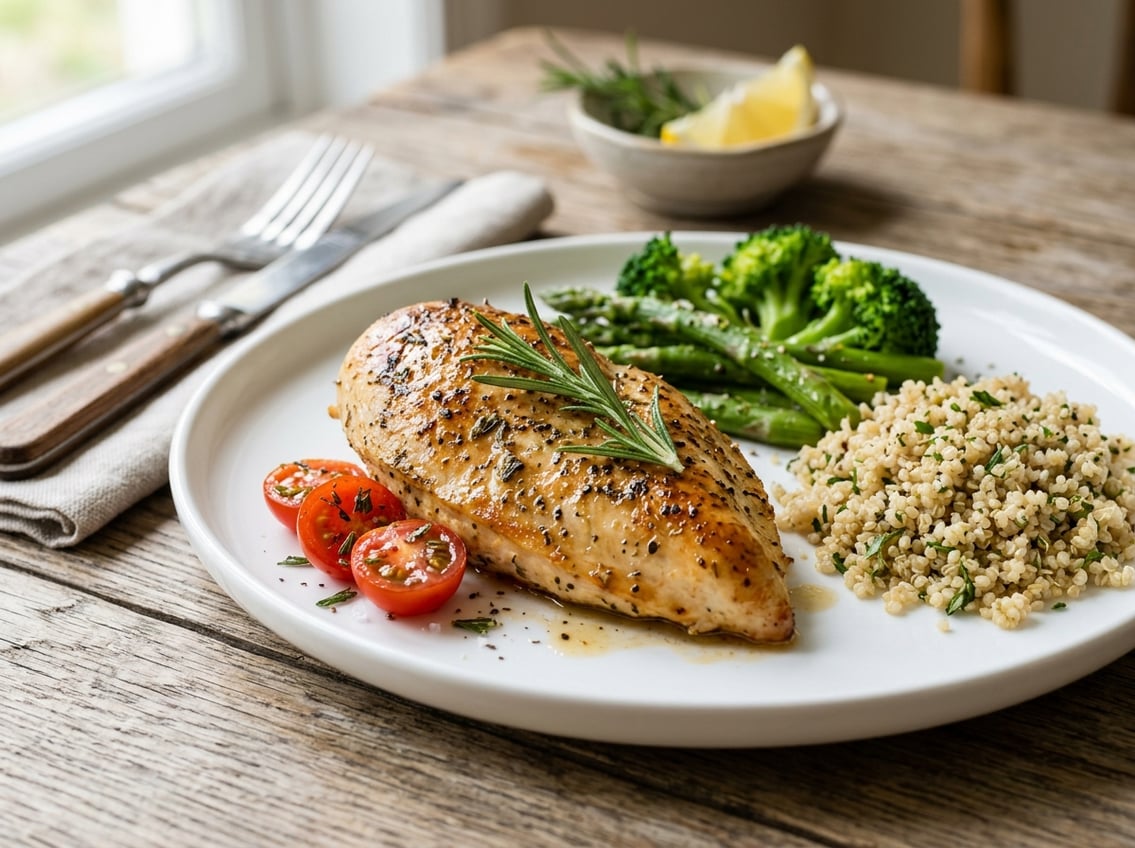
Chicken breast is not only high in protein, it also provides high-quality protein.
Your body uses amino acids from food to build and repair tissue.
How Chicken Breast Provides A Complete Protein
Chicken breast is a complete protein, which means it contains all essential amino acids.
Your body cannot make these on its own, so you need them from food.
The protein content is useful, and the amino acid profile supports daily nutrition needs.
Essential Amino Acids And Muscle Protein Synthesis
Essential amino acids are the building blocks your body uses for muscle protein synthesis.
This process helps repair and maintain muscle tissue after exercise or normal daily wear.
Chicken breast gives you those amino acids in a form your body can use well.
Why Protein Absorption And Bioavailability Are High
Chicken breast is also known for good protein absorption and bioavailability.
Your body can digest and use much of the protein efficiently.
How Much You Actually Get Per Serving
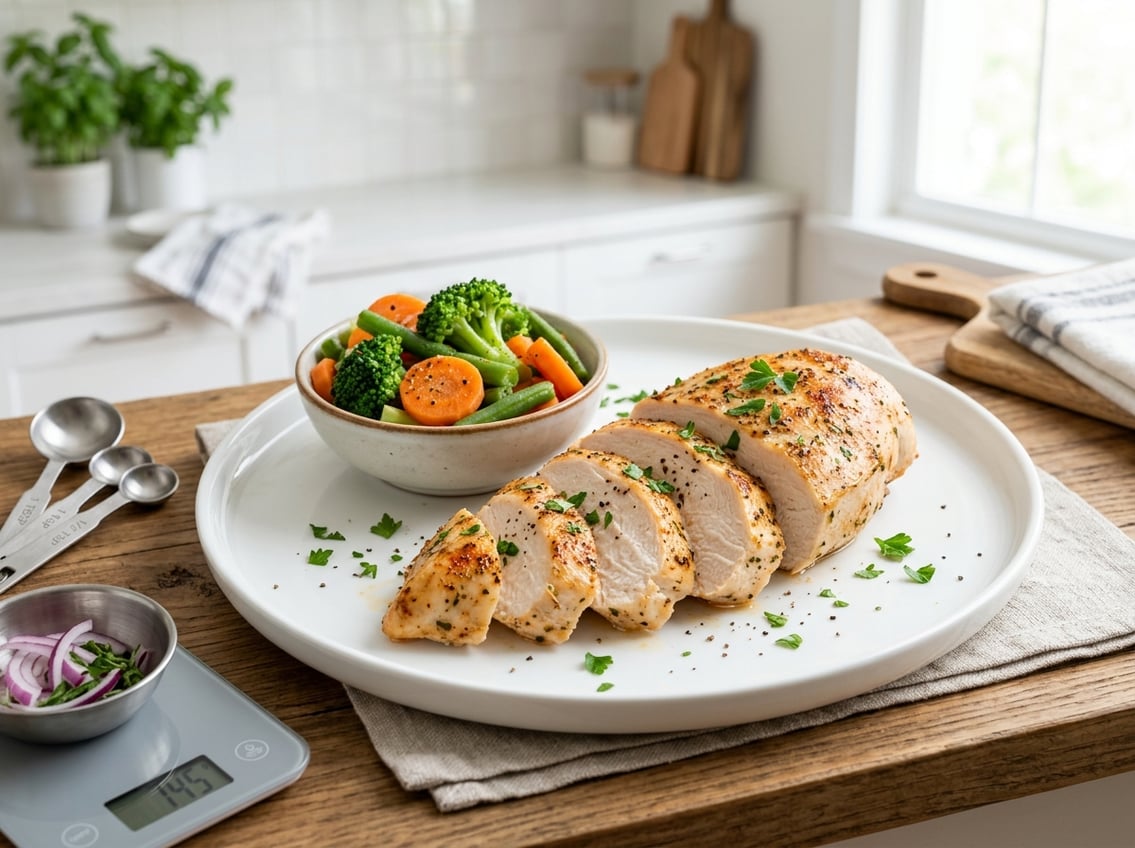
Serving size changes the numbers a lot, so it helps to compare common portions.
A piece that looks small on the plate can still deliver a large share of your daily protein requirements.
Protein Per 100g Versus Protein Per Serving
For cooked chicken breast, protein per 100g is usually about 31 to 32 grams.
A 3-ounce serving provides about 23 to 26 grams, with recent nutrition coverage listing 23.8 grams for a 3-ounce cooked portion.
A 3-ounce portion is close to the size of a deck of cards.
That makes chicken breast nutrition simple to use in real meals.
How Grilled And Baked Portions Compare
Grilled chicken breast and baked chicken usually land in a similar range if you start with the same cut and do not add much fat.
Cooking removes water, so the protein looks more concentrated by weight after cooking.
Grilled chicken and baked chicken often seem higher in protein per ounce than raw chicken because the water content drops.
Using Chicken Breast To Meet Daily Protein Requirements
Chicken breast can help you maximize protein intake without making meals too heavy.
If you need around 20 to 30 grams of protein per meal, one cooked breast portion may already get you close.
It is easier to meet daily protein requirements when your main protein source is simple and predictable.
What Changes The Nutrition Value On Your Plate
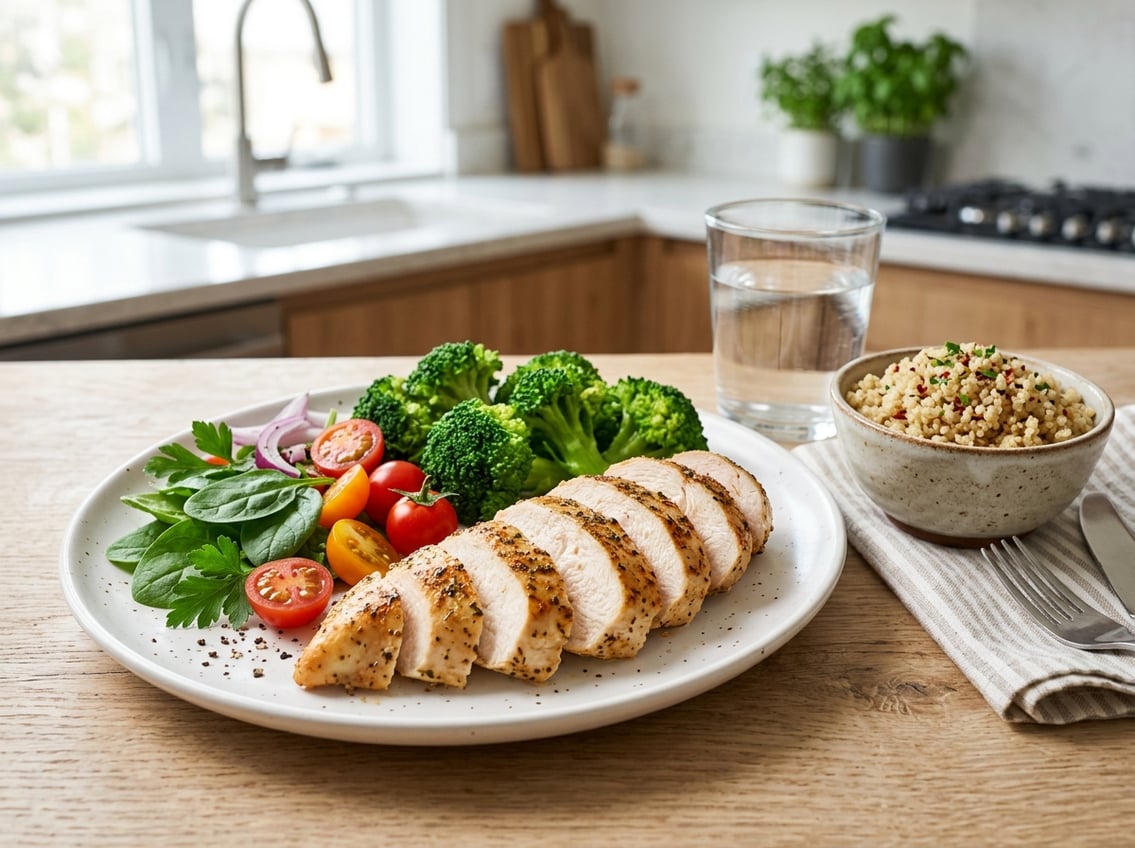
The nutrition value of chicken breast changes based on how you buy it, cook it, and serve it.
The protein stays there, yet calories, fat, and portion size can shift the final numbers.
Cooking Method Effects On Chicken Breast Nutrition
Grilling, baking, poaching, and air frying usually keep chicken breast nutrition fairly lean if you avoid heavy sauces or added oil.
Deep frying changes the profile much more because it adds fat and calories.
A plain grilled chicken breast or baked chicken breast is usually the easiest option when you want lean protein.
Added breading, butter, and oil can lower the protein-to-calorie ratio.
Skinless, Organic, And Less Processed Options
Skinless chicken breast is the leanest choice and usually the easiest to count for macros.
Organic chicken may appeal to you for sourcing reasons, yet the protein content is still mainly tied to the cut, not the label.
Unprocessed chicken is often the best fit when you want simple chicken breast nutrition without hidden extras.
It gives you more control over seasoning, portion size, and cooking fat.
When Chicken Breast Is The Best Choice For Your Goals
Chicken breast helps you increase protein while keeping calories and fat moderate.
It works well for muscle building and weight control.
Chicken breast also makes meal prep easier.
If you want a food that is easy to portion and fits into a high-protein day, chicken breast is a great option.
That is why chicken breast protein remains popular in the U.S.


