
Who to Bake Chicken Breast for Juicy Results
The question of who to bake chicken breast for juicy results is really about method, not mystery.
If you want a baked chicken breast that stays moist, you need the right oven temperature, the right cut size, and the right moment to stop cooking.
You can make a juicy baked chicken breast with a simple oven method, a quick seasoning blend, and a meat thermometer.
That approach works well for busy weeknights, meal prep, and easy baked chicken recipes.
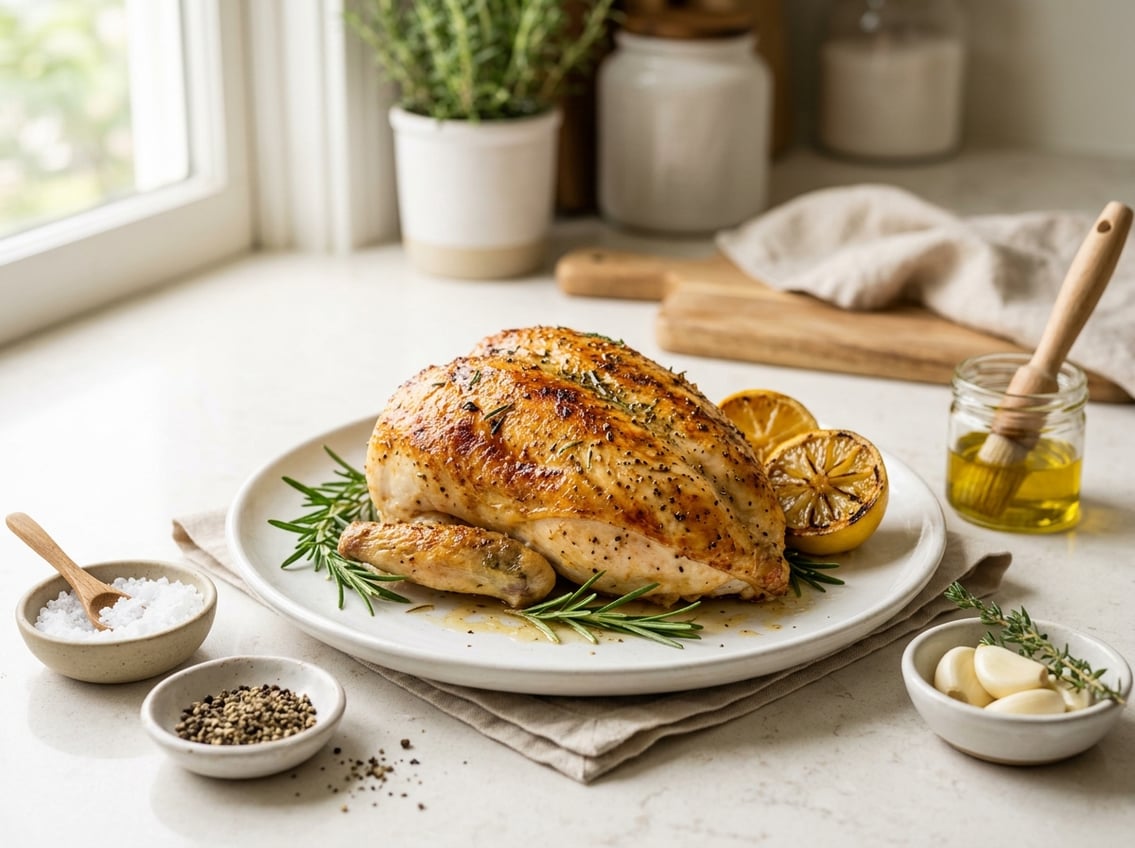
A good baked chicken breast recipe does not need much.
Salt, pepper, and a few pantry spices are often enough when you control the heat and do not overbake.
The best answer to who to bake chicken breast for juicy results is simple: use even pieces, bake them at the right temperature, and check the internal temperature before you pull them from the oven.
Get the Oven Method Right
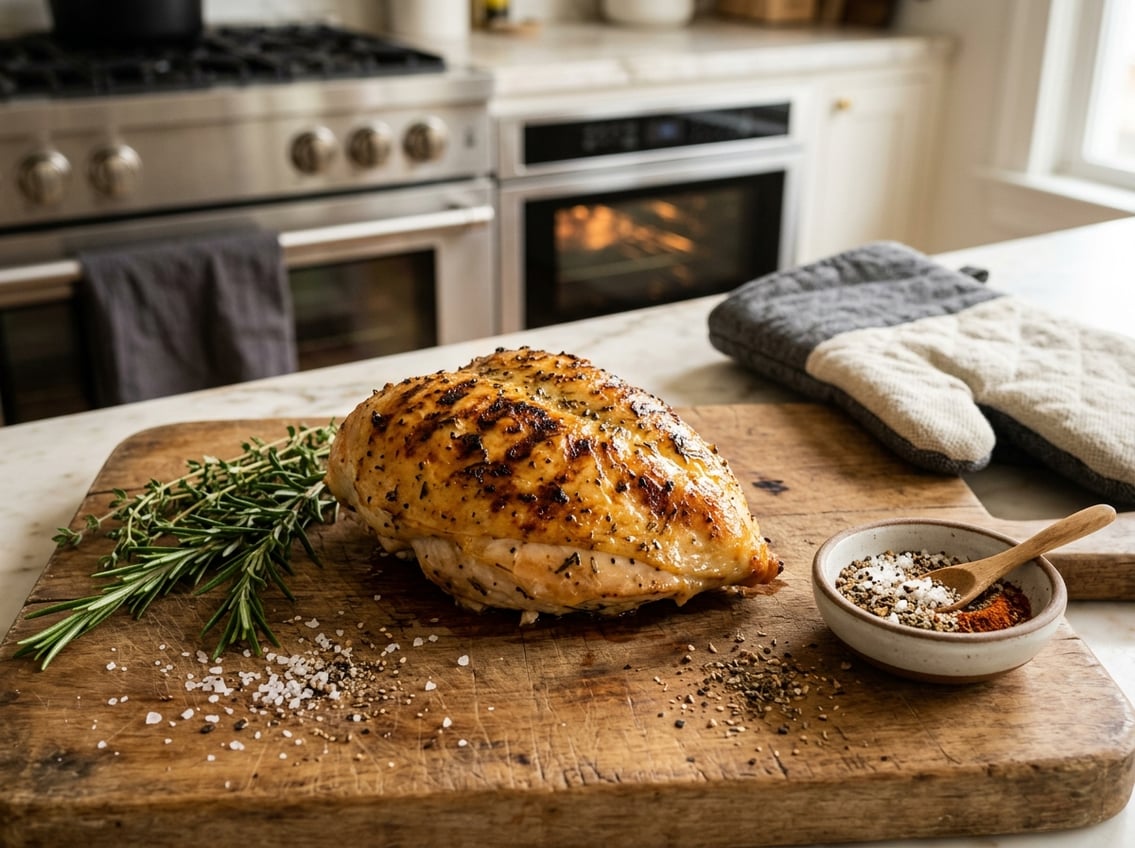
The oven method matters more than fancy ingredients.
When you bake chicken breasts with steady heat and a thermometer, you reduce the chance of dry, tough meat and get tender chicken breast instead.
According to Better Homes & Gardens, baking uncovered at 375°F is a reliable starting point for 6- to 8-ounce chicken breasts.
That temperature gives you enough heat for cooking through without rushing the outside too fast.
Best Oven Temperature and Timing
For most boneless cuts, 375°F works well.
It gives you enough time to season the surface and keep the inside juicy without drying the meat out.
A typical bake time is 25 to 30 minutes for standard-sized breasts.
If you prefer a slightly hotter oven, 400°F can work too, as long as you watch the timing closely and check the center early.
How Thickness Changes Bake Time
Thickness changes everything when you bake chicken breast.
A thick piece needs more time than a thin one, even if both weigh the same.
If one end is much thicker, it may still be undercooked when the thin end is already done.
Pound the thicker side to an even shape to get juicy baked chicken breasts and avoid uneven results.
When Chicken Is Fully Cooked
Use an instant-read meat thermometer to check doneness.
Chicken is ready when the thickest part reaches 165°F.
Do not guess based on color alone.
Clear juices and firm texture can help, yet the thermometer gives the most reliable result for juicy baked chicken and safe cooking.
Prepare and Season the Chicken
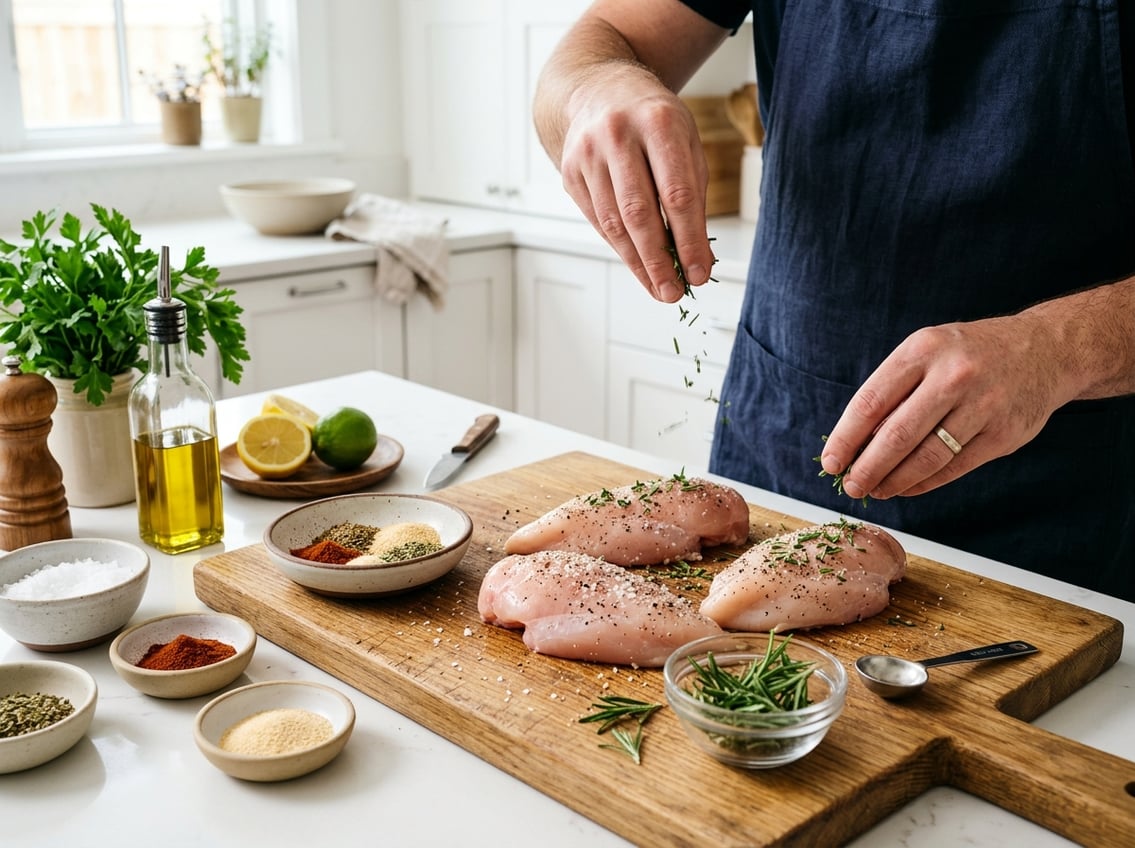
Simple prep gives you the best results.
Start with good-size boneless pieces, even out the shape, and use a seasoning mix that supports the rest of the meal.
You can keep it mild for salads and bowls, or add more spice for a stronger baked chicken recipe.
Choosing Boneless Cuts and Portion Size
Boneless skinless chicken breasts are the easiest choice for an easy chicken recipe.
They cook faster than bone-in pieces and absorb seasoning well.
Try to choose pieces that are similar in size.
If one boneless skinless chicken breast is much larger than the others, it will need more time in the oven and may dry out before the smaller ones finish.
How to Even Out Thick Pieces
Place the chicken between parchment or plastic wrap and pound the thick part gently.
You want a more even shape, not a flat cutlet.
This step helps the chicken cook at the same rate from edge to center.
It is one of the simplest ways to make a chicken breast recipe more reliable.
Simple Spice Blends That Work
A basic blend of salt, pepper, garlic powder, and smoked paprika works well on most chicken breast recipes.
If you want heat, add a small pinch of cayenne pepper.
Keep the mix light if the chicken will go into pasta, soup, or a sauce later.
That keeps the flavor balanced and makes the chicken easier to use in other meals.
Keep It Juicy After Baking
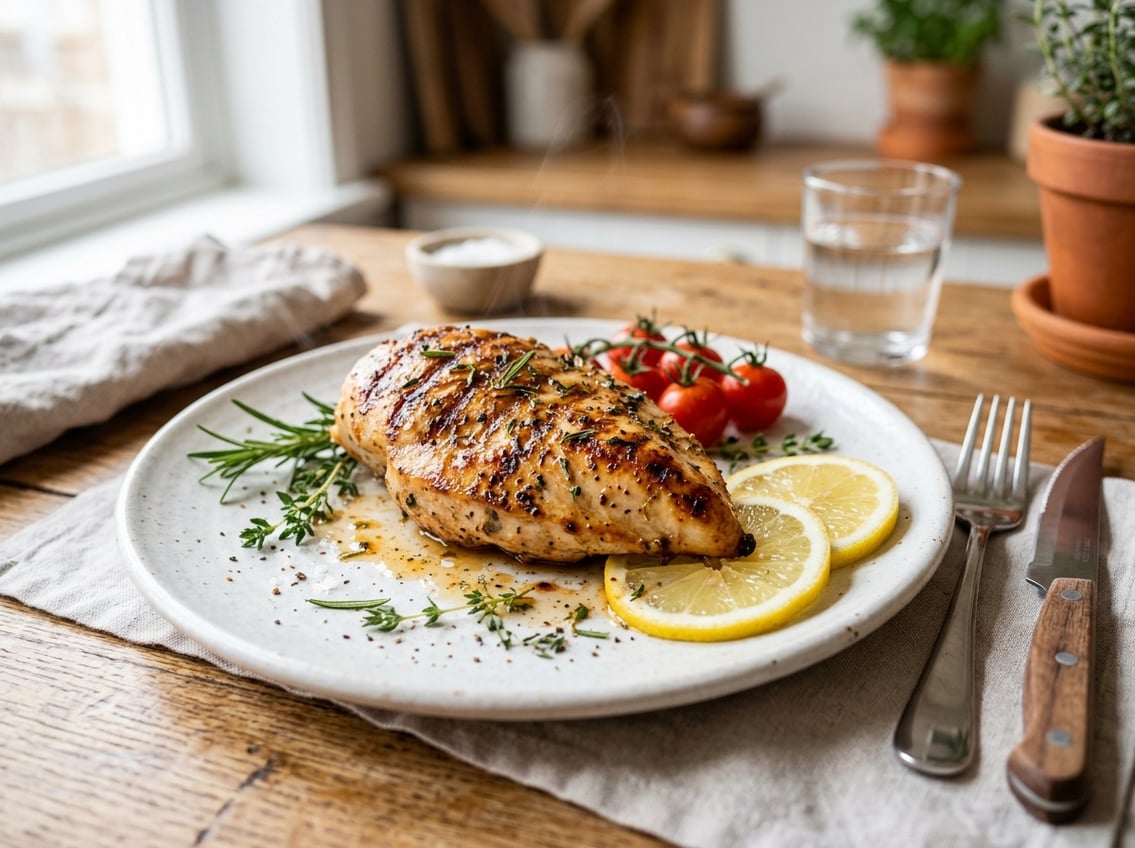
Cooking does not end when the chicken leaves the oven.
Rest time, storage, and reheating all affect whether you keep a juicy baked chicken breast or lose moisture before serving.
Why Resting Matters Before Slicing
Let the chicken rest for 5 to 10 minutes before slicing.
This gives the juices time to settle inside the meat instead of running out on the cutting board.
If you cut too soon, even well-cooked chicken can seem dry.
Resting is a small step, yet it makes a clear difference in juicy baked chicken.
Best Ways to Store and Reheat
Store cooked chicken in an airtight container in the refrigerator for up to 4 days.
For longer storage, freeze cooked chicken after it cools completely.
To reheat, use a covered dish with a little broth or water so the meat does not dry out.
Low heat works better than a hot blast from the oven or microwave.
Meal Prep and Leftover Uses
Baked chicken leftovers fit into many chicken breast recipes.
You can slice them for salads, dice them for grain bowls, or shred them for wraps.
If you plan to freeze cooked chicken, portion it first.
Smaller packs thaw faster and make weeknight meals easier to build.
Variations for Different Chicken Cuts
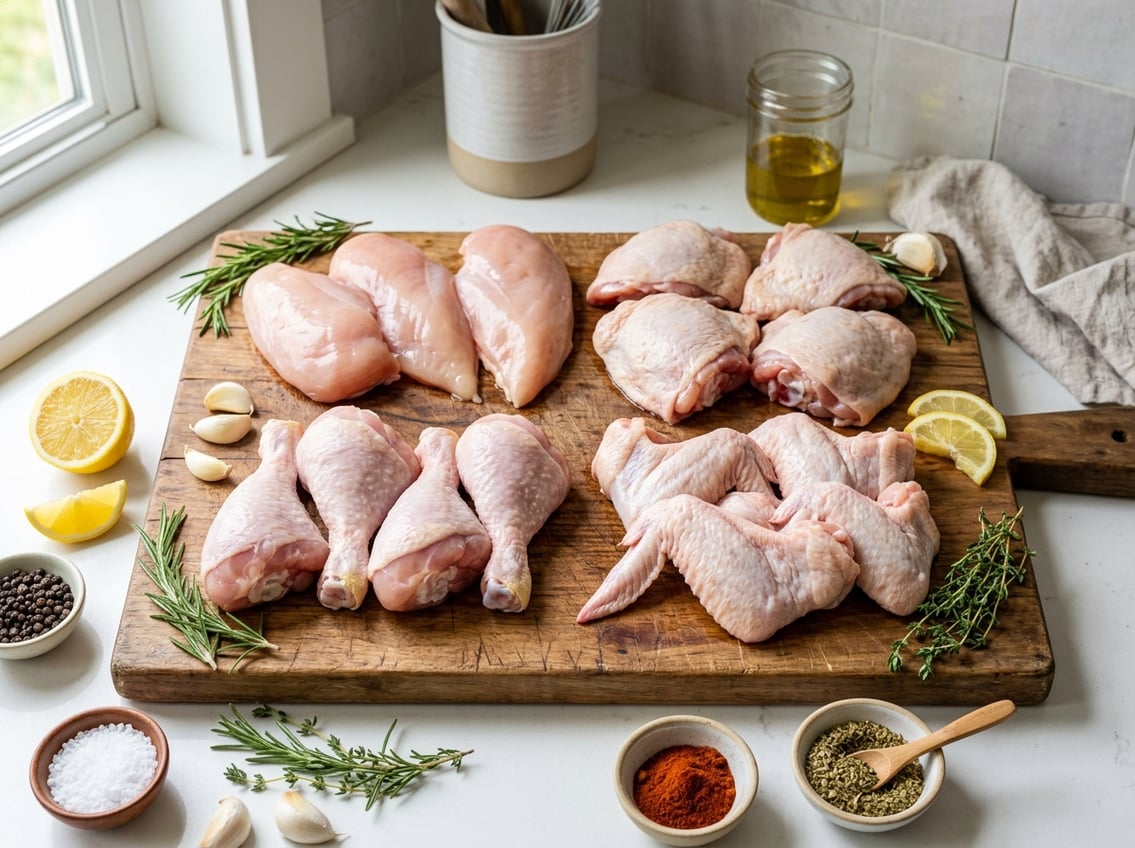
Different cuts need different handling, even when you use the same oven baked chicken approach.
Skin-on pieces and bone-in breasts can both work well if you adjust the timing and check temperature carefully.
A meat thermometer helps you with these versions.
It keeps you from guessing and helps you avoid overcooking.
When to Use Skin-On Pieces
Skin-on chicken works well when you want more surface flavor and a richer finish.
The skin can brown nicely in the oven, which adds texture to the meal.
Keep the temperature steady and watch the skin near the end of baking.
If you want crispier skin, give it a little extra time, while still checking the center for 165°F.
Adjusting the Method for Bone-In Breasts
Bone-in breasts usually take longer than boneless skinless chicken breasts.
The bone slows down the heat, so give the chicken more time in the oven.
Check the thickest part near the bone with your meat thermometer.
That spot tells you whether the chicken is fully cooked and safe to serve.


