
What Is the Best Chicken Breast? How to Choose and Cook It
The best chicken breast matches your cooking method and stays moist through the full cook. For most home cooks, that means a plump, evenly shaped breast with a fresh smell, good color, and enough thickness to cook without drying out.
If you want the best result, choose chicken breasts based on cut, size, and how you plan to cook them, not just price or package style. That approach gives you better texture and better flavor.
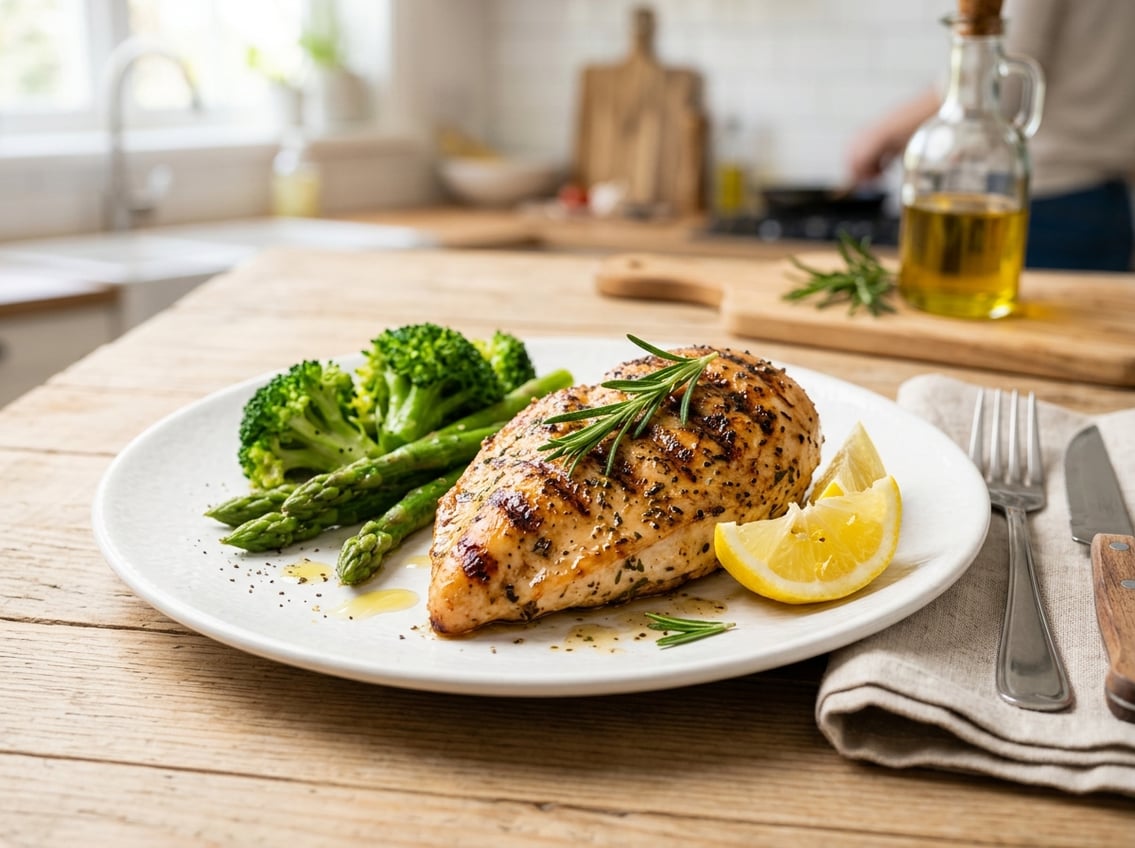
Chicken breasts can be simple or versatile, but they are also easy to overcook. Once you know what to look for in the store and how to match the cut to grilled chicken, baked chicken breast, or quick skillet meals, you can cook more tender chicken breast meals with less guesswork.
How to Tell Which Chicken Breast Is Best
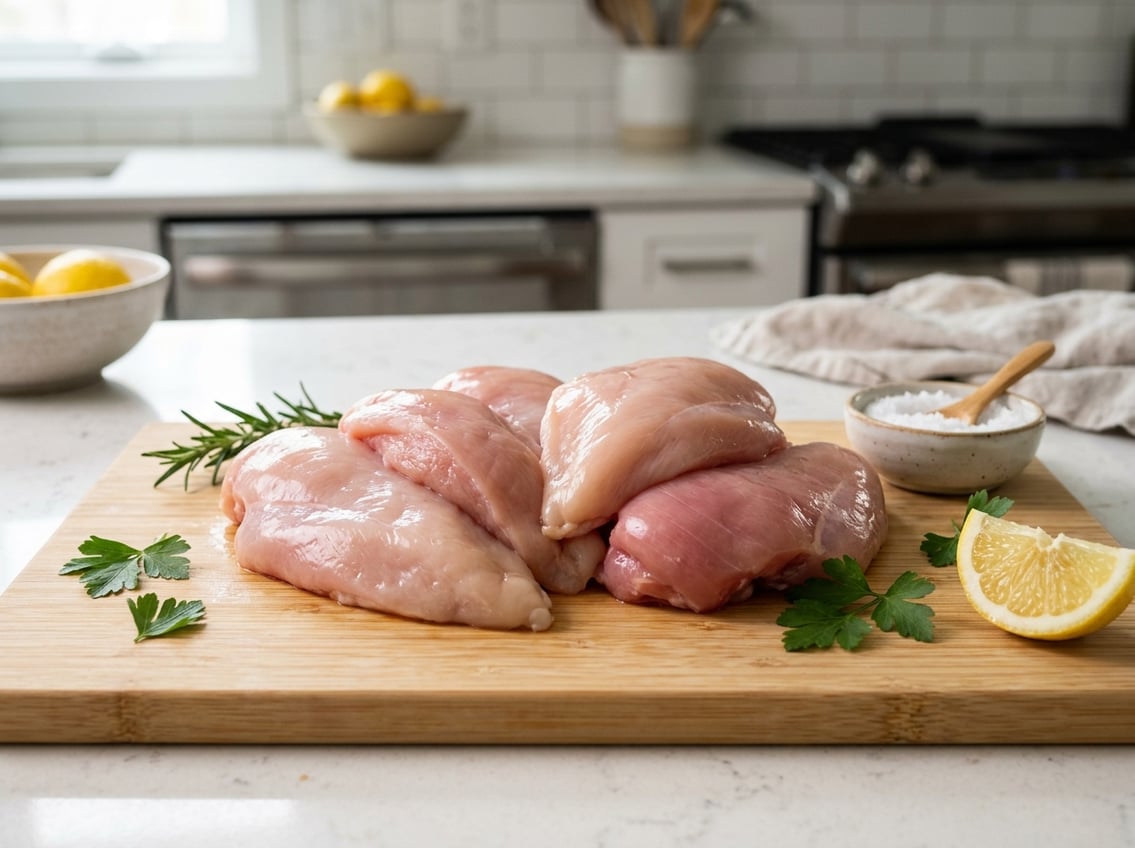
The best chicken breasts look fresh, feel firm, and have an even shape. You want enough thickness for a juicy chicken breast, along with clean packaging and no off smells.
Fresh vs Frozen and What Matters Most
Fresh chicken works well when you plan to cook it soon. Frozen chicken is often just as useful when you thaw it safely.
Freezing does not lower chicken breast quality by itself. How the chicken was handled before it reached your kitchen matters most.
According to meatcheftools.com’s guide to choosing chicken breast, fresh chicken should look pink, feel firm, and be free of slime or strong odor.
Boneless Skinless vs Split Breast
Boneless skinless chicken breasts are the most common choice in US stores because they cook quickly and work in many chicken recipes. They are a good fit when you want flexible weeknight cooking.
Split breast, which includes the bone and sometimes skin, can stay more forgiving in the oven. If you want a baked chicken breast with extra protection from drying out, split breast is often a smart pick.
Size, Thickness, and Texture Clues
Size matters more than many people expect. Very large chicken breasts can cook unevenly, while medium breasts are usually easier to keep tender.
Look for chicken breasts that are similar in thickness across each piece. A firm feel, light moisture on the surface, and a pink hue are good signs.
Avoid chicken breasts with a slimy texture or dull gray color.
What to Look for at the Store
Check the sell-by date, package seal, and whether the tray has liquid pooling at the bottom. Pick packages that are cold, intact, and free from tears or leaks.
If you shop for organic or free-range chicken, those labels may fit your preferences for taste and sourcing. A chicken breast that fits your budget, your recipe, and your timing is usually the best choice.
Best Choice by Cooking Method
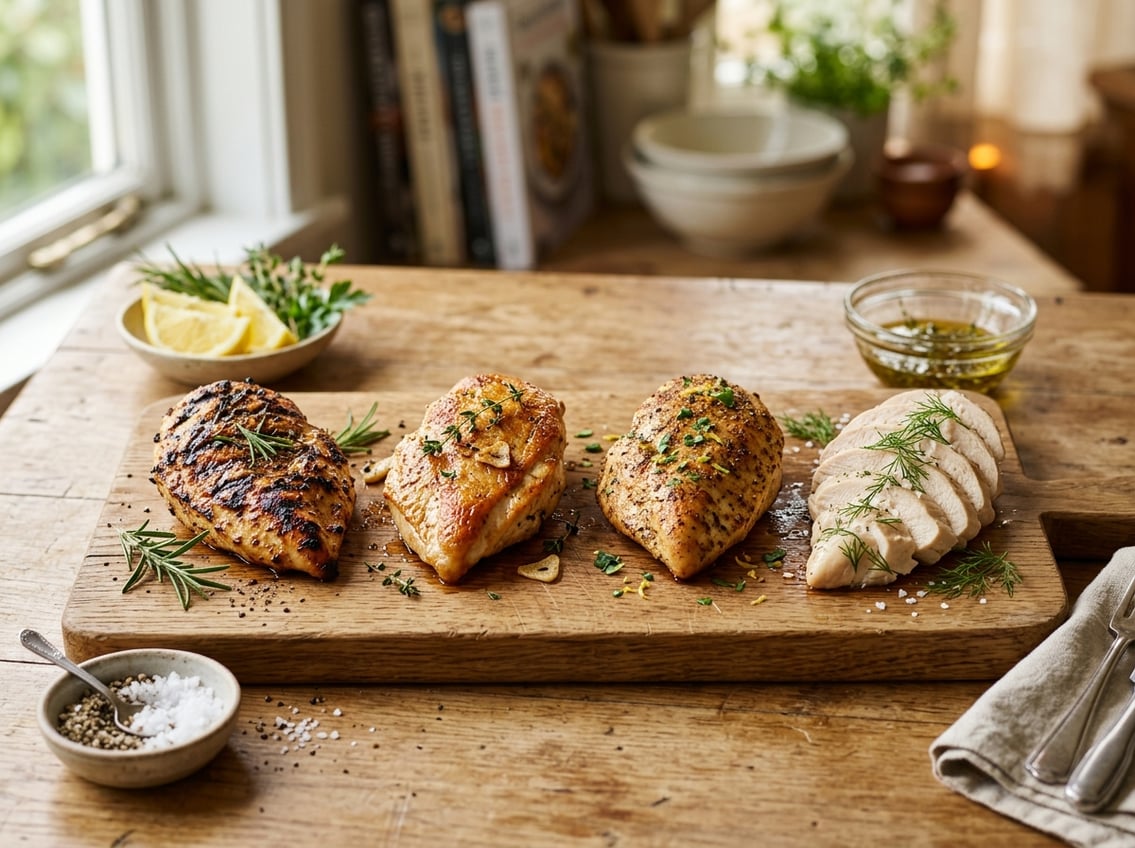
The best cut depends on heat, time, and how much browning you want. Some methods work best with thicker pieces, while others need thin, even chicken breasts for fast cooking.
Best for Grilling
Choose medium-thick boneless breasts that are similar in size for grilling. Even thickness helps the meat cook through before the outside dries out.
Simple chicken marinades work well, especially lemon herb chicken, lemon pepper chicken, ranch chicken, or mustard chicken. If you use ranch seasoning, keep the flavor balanced so the surface does not burn too fast over high heat.
Best for Baking
Use thicker boneless breasts or split breasts for baking because they hold moisture better. The oven gives you more control, which helps when you want a reliable weeknight meal.
Baking also suits chicken marinades with garlic, citrus, or herbs. Use a simple seasoning mix and bake until the center reaches a safe temperature.
Best for Skillet Cooking
For skillet cooking, use thin cutlets or breasts that you have sliced in half horizontally. They brown quickly and stay more tender when you keep the cook time short.
A hot skillet is a strong match for quick sauces and pan finishes. That style works well for chicken breasts that need a fast sear before a light sauce.
Best for Air Frying
For air fryer chicken, choose smaller or evenly sized boneless breasts. The circulating heat works best when pieces are similar in thickness.
Air frying pairs well with dry seasonings and light coatings. If you want a crisp outside without breading, this method is a strong option for simple chicken breast dinners.
Best Uses for Different Chicken Breast Styles
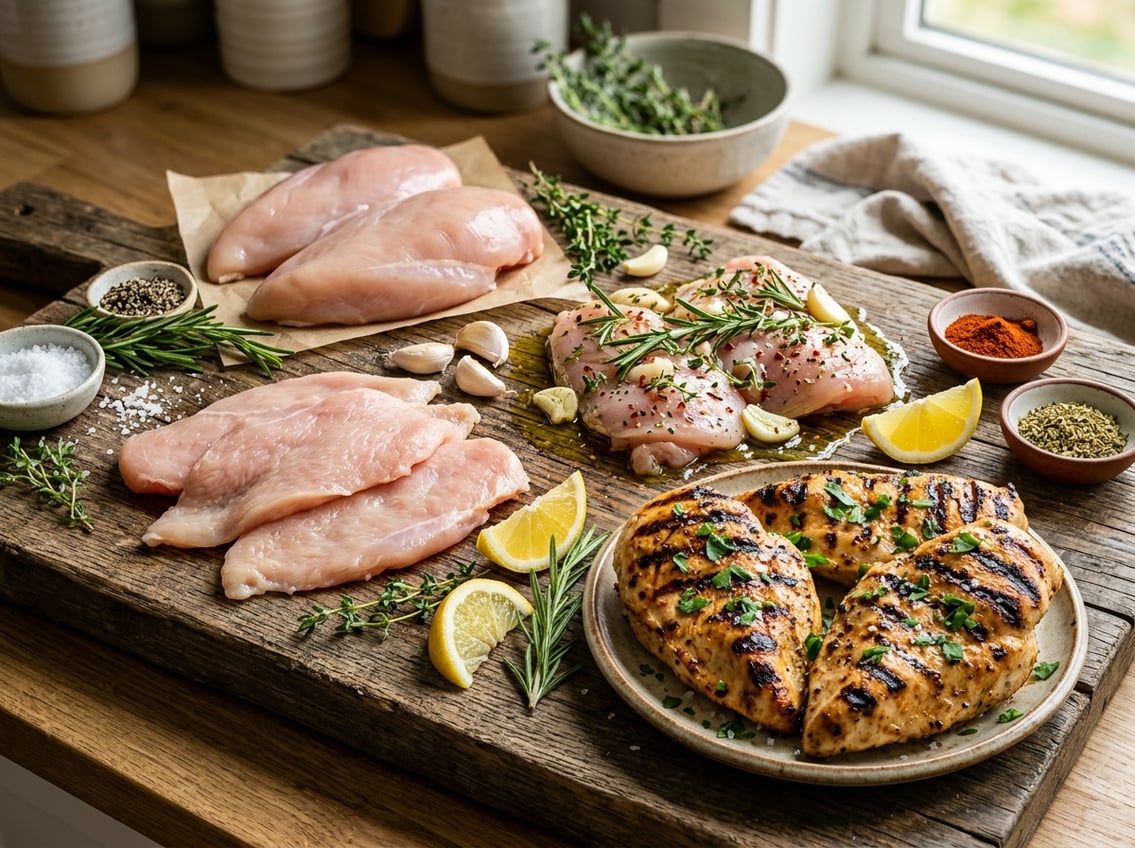
Different chicken breast styles fit different recipes. Thin pieces are best for fast sauces, while pounded or whole breasts work better when you want crisp edges or a simple main dish.
Thin Cutlets for Fast Saucy Dinners
Thin cutlets are ideal for dishes like chicken piccata, chicken marsala, and chicken parmesan. They cook fast and soak up sauce without turning dry.
You can also use them for chicken florentine or chicken saltimbocca, where a thin piece stays tender under a light sauce. For a weeknight dinner, thin chicken breasts keep the meal moving quickly.
Whole Breasts for Simple Everyday Meals
Whole breasts work well for stuffed chicken breast, smothered chicken, and chicken breasts with balsamic vinegar and garlic. They give you more room for fillings, sauces, and pan juices.
They also fit simple dishes like basil chicken or a basic baked chicken breast with herbs. For meals that need a straightforward protein, whole breasts are often the easiest choice.
Pounded Breasts for Crispy Coated Recipes
Pound breasts for chicken schnitzel, chicken cordon bleu, and parmesan-crusted chicken. Even thickness helps the coating cook at the same pace as the meat.
This style also works for chicken katsu, where a thin, crisp crust is part of the dish. If you want a coated cutlet that stays even, pounding is worth the effort.
Cubed or Sliced Breast for Bowls, Pasta, and Stir-Fries
Use cubed or sliced chicken breast for chicken stir fry, kung pao chicken, cajun chicken pasta, chicken fajitas, and chicken enchiladas. Small pieces cook fast and mix well with sauces and vegetables.
This cut also works for chicken sandwiches, chicken salads, and chicken breasts used in quick meal prep. Recipes like lucky’s quickie chickie and five-ingredient red curry chicken also benefit from quick-cooking pieces.
How to Keep Chicken Breast Juicy Every Time
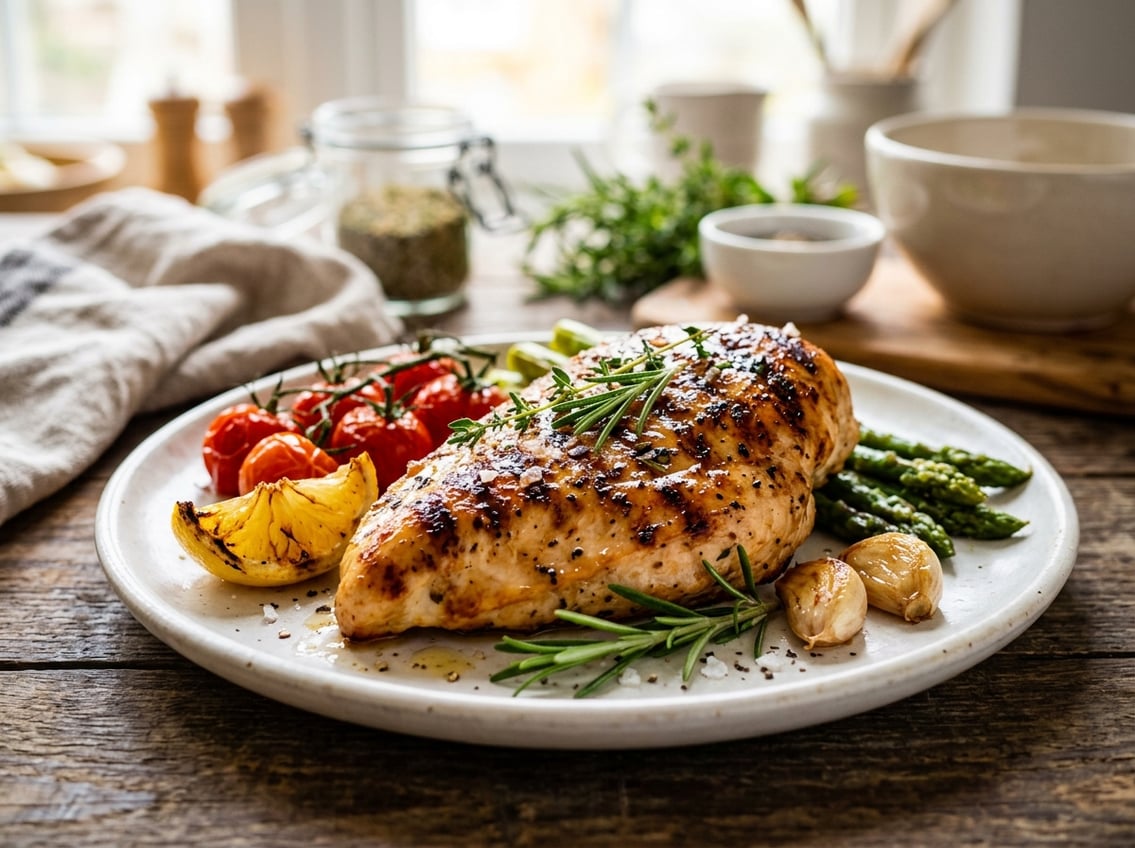
Moist chicken starts with good prep and ends with careful timing. The main goals are to season well, avoid overcooking, and let the meat rest before you slice it.
Brining, Marinating, and Seasoning Basics
A simple brine helps chicken breasts stay juicy, especially before grilling or roasting. Marinades add flavor and can also improve texture when you give them enough time.
For many chicken marinades, 30 minutes is useful, and a few hours is even better. Lemon herb chicken, ranch chicken, and mustard chicken all work well because they add flavor without hiding the taste of the chicken.
Safe Internal Temperature Without Overcooking
Cook chicken breast to 165°F in the thickest part. Use a meat thermometer to check doneness.
Pull the chicken from heat as soon as it reaches temperature, since carryover heat can raise the center a little more. That small step helps you avoid dry chicken breast.
Resting, Slicing, and Meal Prep Tips
Let the chicken rest for a few minutes before slicing. This gives the juices time to settle so they do not run out on the cutting board.
Slice against the grain for a more tender bite. That matters for grilled chicken, baked chicken breast, and meal prep portions used later in the week.
When to Use Breast in Soups, Salads, and Sandwiches
Chicken breast works well in chicken caesar salad, chicken salads, and chicken sandwiches. You can also use it in white chicken chili, instant pot white chicken chili, chicken and wild rice soup, chicken skewers, and chicken kabobs.
These dishes use smaller pieces or shredded meat, so a little extra firmness is not a problem. For soups and chili, chicken breast adds lean protein without much fat.
In salads and sandwiches, it gives a clean texture that pairs well with dressing, sauce, or vegetables.


