
Which Chicken Breast Is Healthy? How to Choose Well
The answer to which chicken breast is healthy is simple: choose a plain, skinless, boneless chicken breast with little or no added sodium, sugar, or breading.
That choice gives you a lean source of protein that works well in healthy chicken breast recipes and high protein meals.
The healthiest pick is not just about the cut itself. It also depends on how you package, season, cook, and serve it.
A plain breast can be a smart choice, while a heavily processed or breaded version can quickly become less healthy.
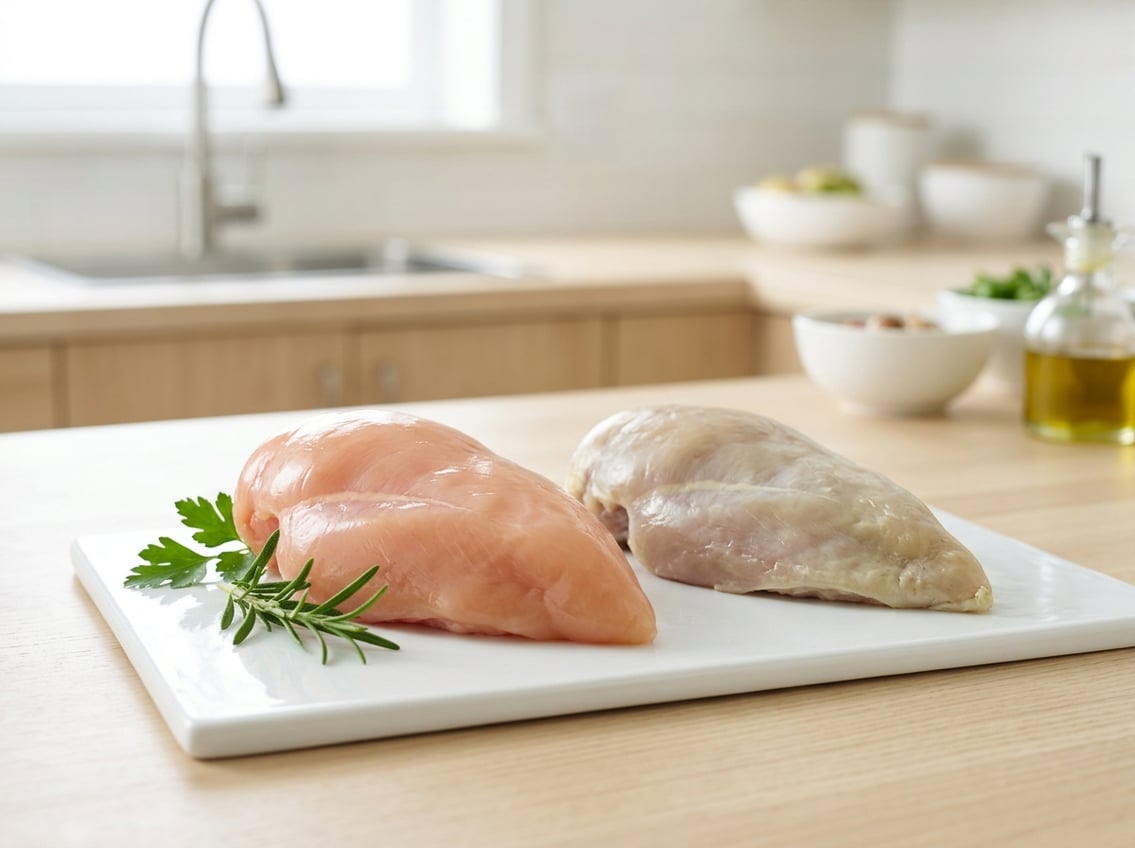
If you want the best result, focus on lean protein, simple ingredients, and cooking methods that keep the meat tender without adding much fat.
That approach gives you more flexibility for meal prep and busy dinners.
What Makes One Option Better Than Another
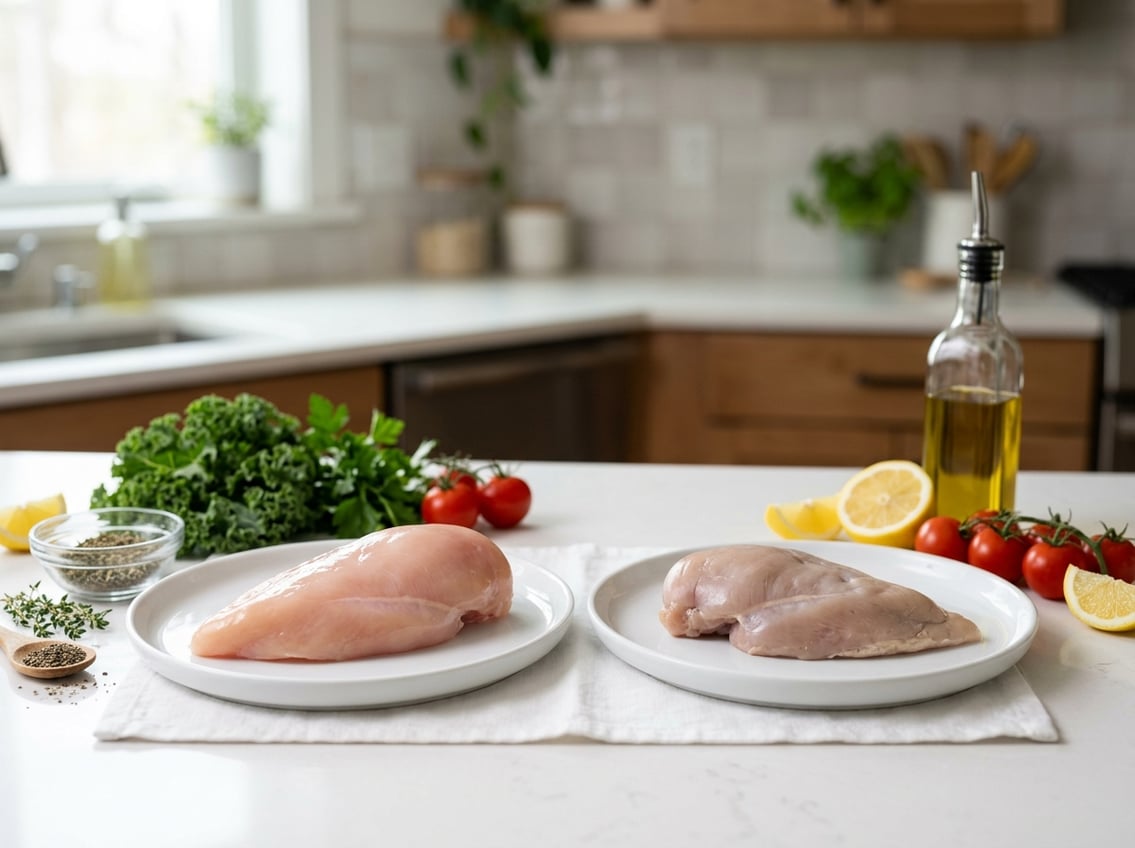
The healthiest chicken breasts usually have the shortest ingredient list and the least extra sodium.
A plain breast fits easily into baked, oven-baked, and air fryer chicken breast meals.
Small differences in fat, salt, and additives can change the health picture more than people expect.
A juicy chicken breast can still be a good choice when it stays simple and unbreaded.
Compare Protein, Fat, Sodium, and Additives
Chicken breast is high in protein and relatively low in fat.
Protein helps with fullness and muscle repair.
Sodium and additives matter too, especially in pre-seasoned packs, marinated chicken, and ready-to-cook items with sugar, starches, or preservatives.
Skinless Boneless vs Skin-On and Bone-In
Skinless boneless chicken breasts are usually the leanest option.
Skin-on and bone-in cuts add extra fat and calories.
If your goal is a lighter meal, skinless boneless is the easier pick.
If you prefer more flavor, keep the rest of the meal simple and watch portion size.
Fresh, Frozen, and Pre-Seasoned Packages
Fresh and frozen plain chicken breasts can both be healthy choices.
Frozen chicken is not less healthy just because it is frozen.
Pre-seasoned packages often contain more sodium and added sugar.
This can work against a heart-friendly or weight-conscious meal.
How Portion Size Changes the Health Picture
A healthy cut can still become too much if the portion is oversized.
A larger breast can double the calories and protein compared with a smaller one.
Pair your chicken with vegetables, beans, whole grains, or salad to build a balanced plate.
How to Shop for the Best Choice
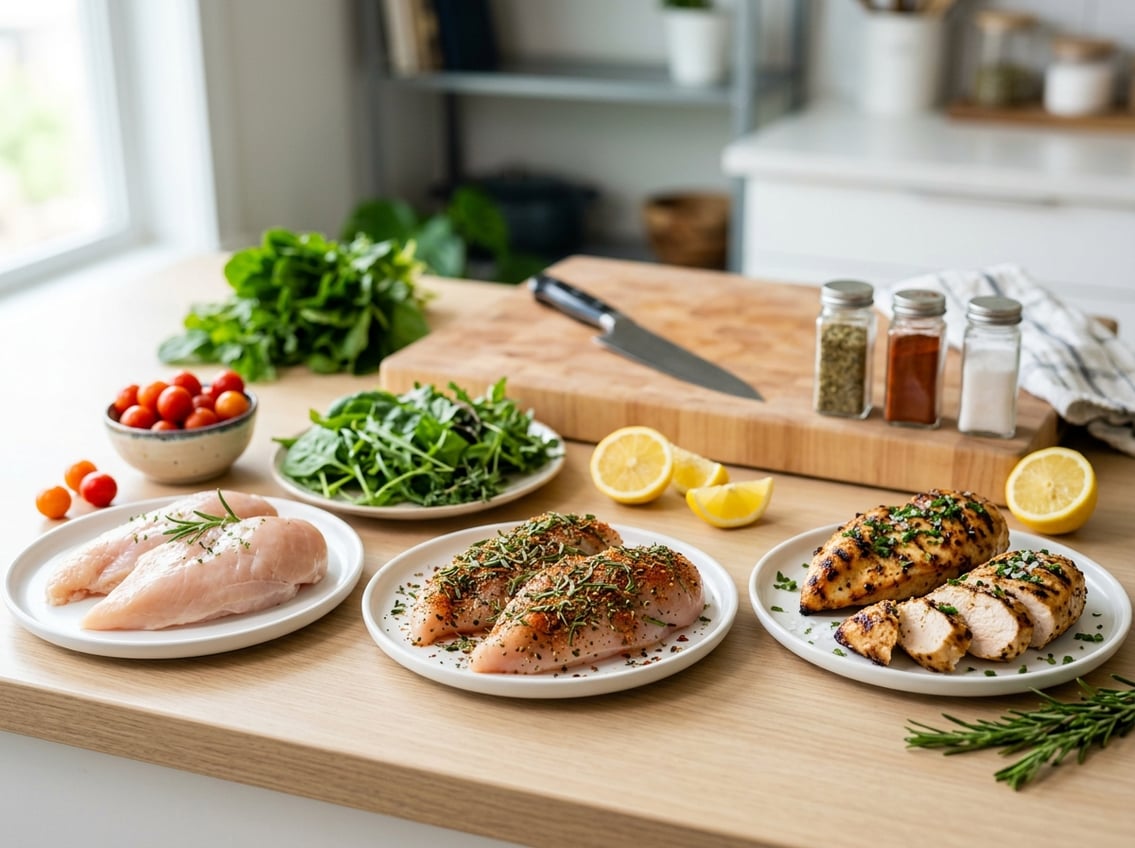
Good shopping habits make a big difference before you start cooking.
Labels can help you choose a better product, while some convenience items hide extra sodium, breading, and fillers.
Chicken breast does not have to be the only smart protein in your cart.
Depending on your goals, chicken thighs, baked chicken tenders, baked cutlets, instant pot chicken, slow cooker chicken, and sheet pan chicken can all fit into a meal plan.
Reading Labels Like Organic, No Antibiotics, and Air-Chilled
Labels such as organic, no antibiotics, and air-chilled can help you sort through choices.
They do not automatically make a chicken breast healthier, but they may matter if you care about farming methods or texture.
A clean label with plain ingredients is still the most useful detail for day-to-day health.
The EatingWell clean-eating buyer’s guide to chicken is a helpful reminder to look past marketing and check the actual product.
When Conventional Chicken Breast Can Still Be a Good Pick
Conventional chicken breast can be a strong choice when it is plain and minimally processed.
You do not need a premium label to make a healthy dinner.
If the price is better and the ingredient list is simple, it can serve the same role as an organic option.
What matters most is the final product on your plate.
Red Flags in Breaded, Deli, and Ready-to-Cook Products
Breaded chicken, deli-style chicken, and some ready-to-cook products often have extra sodium, refined carbs, or added oils.
That can make them less useful for a lighter meal.
If you want convenience, look for plain cuts instead of heavily coated ones.
Baked chicken tenders and baked chicken cutlets can be healthy if you make them yourself with simple ingredients.
Chicken Breast vs Chicken Thighs for Different Goals
Chicken thighs are not unhealthy, but they are higher in fat than chicken breast.
If you want a leaner protein with fewer calories, chicken breast is usually the better match.
If you want more flavor and richness, thighs may work better.
For lower-fat meal prep, chicken breast is the more direct choice.
Healthiest Ways to Cook and Serve It
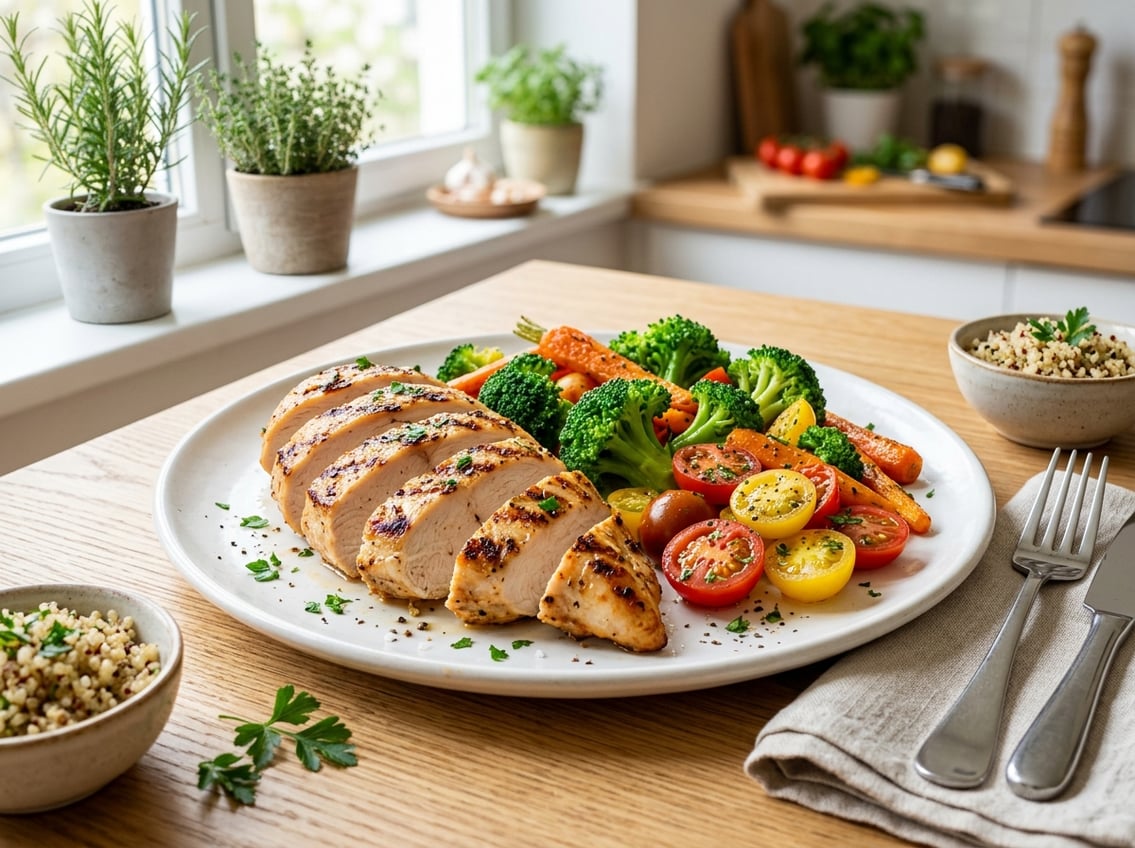
The healthiest cooking methods keep chicken moist without relying on heavy sauces or lots of oil.
Grilling, baking, air frying, and gentle simmering all work well for lean results.
Flavor matters because food you enjoy is easier to keep in your routine.
Simple seasoning, bright herbs, and balanced sides can turn chicken into a meal you want to repeat.
Best Cooking Methods for Lean, Tender Results
Grilled chicken breast, air fryer chicken, sheet pan chicken, instant pot chicken, and slow cooker chicken are all practical choices.
These methods keep the meat tender while limiting added fat.
For the leanest result, avoid deep-frying and heavy breading.
A basic method like grilling or simple baking often gives you the best mix of taste and nutrition.
Smart Sauces, Marinades, and Seasonings
Lemon garlic chicken, lemon herb chicken, honey mustard chicken, maple mustard chicken, balsamic chicken, mediterranean chicken, teriyaki chicken, and orange chicken can all be reasonable if the sauce stays light.
The key is not drowning the meat in sugar or cream.
Dry spices, citrus, vinegar, garlic, and herbs add flavor with little extra fat.
A quick marinade can also help make meal prep chicken less dry.
Balanced Meal Ideas for Lunch and Dinner
Chicken breast fits well in a grain bowl, blackened chicken salad, southwest chicken salad, chicken cobb salad, chicken stir-fry, and quick skillet dinners.
These meals work well because they combine protein, fiber, and color.
For healthy weeknight dinners, aim for a plate with chicken, vegetables, and a smart carb.
That might mean rice, potatoes, beans, or whole grains in a modest portion.
When Comfort Food Can Still Fit a Healthy Pattern
Some richer dishes can still fit if you keep portions sensible and use lighter ingredients.
Stuffed chicken breasts, spinach stuffed chicken, creamy tuscan chicken, marry me chicken, chicken piccata, chicken fajitas, chicken fajita casserole, chicken parmesan, chicken alfredo, lemon chicken pasta, and chicken skewers can all be adapted.
Use less cheese, lighter sauces, and more vegetables when possible.
That lets you enjoy comfort food without making every meal heavy.
Where Chicken Breast Fits in a Healthy Routine
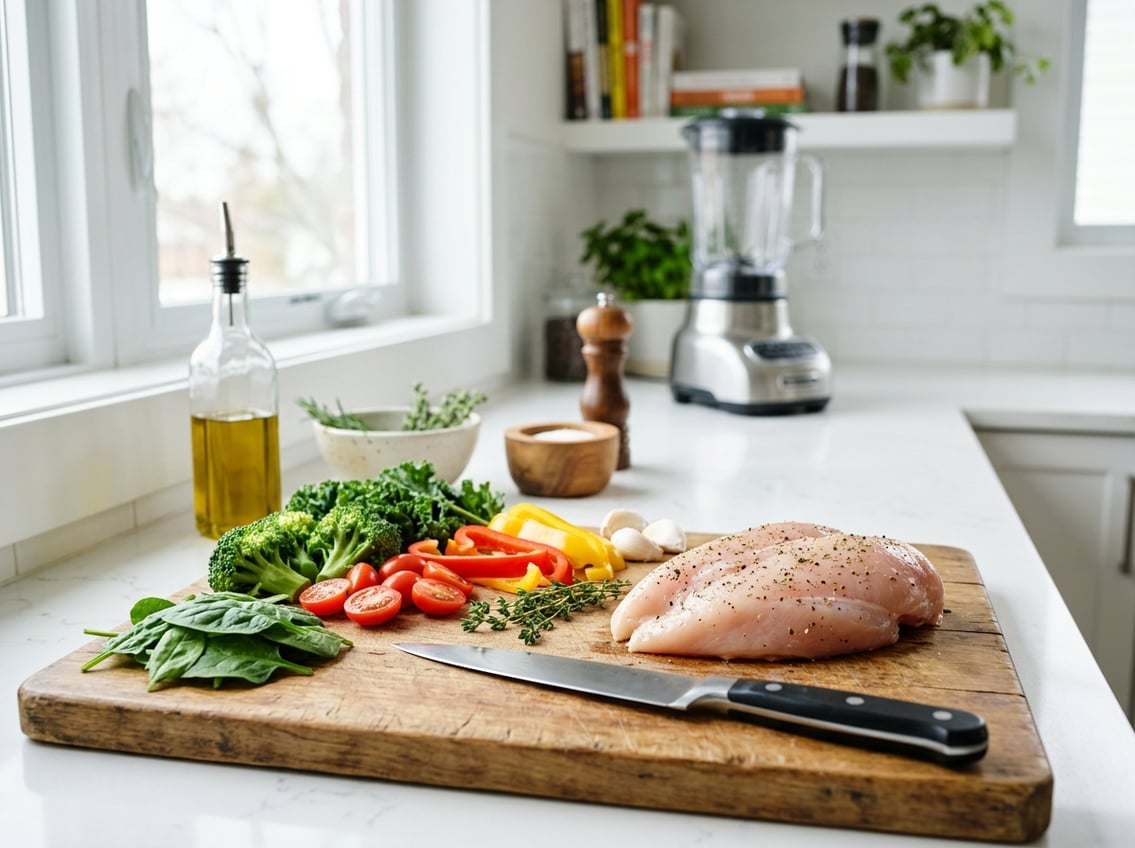
Chicken breast is easy to use in routines built around weight loss, muscle gain, and meal prep.
It is filling, simple to portion, and easy to batch cook.
Leftovers work well because the flavor can change from meal to meal.
You can turn the same cooked chicken into bowls, soups, tacos, and rice dishes without much extra work.
Best Uses for Weight Loss, Muscle Gain, and Meal Prep
For weight loss, chicken breast gives you a lot of protein for relatively few calories.
That can help you feel full while keeping meals lighter.
For muscle gain, it is a reliable protein base after training.
For meal prep, shredded or sliced chicken keeps well in the fridge and works in several meals during the week.
Easy Ways to Use Leftovers Without Getting Bored
Leftover shredded chicken can become shredded chicken tacos, crockpot chicken tacos, salsa verde chicken, instant pot chicken fried rice, cashew chicken, or pepperoncini chicken.
Small changes in sauce and seasoning make the same protein feel new.
You can also add it to wraps, salads, pasta, or roasted vegetables.
That keeps your meals practical without repeating the same plate every day.
Soups, Tacos, and Bowls That Keep It Practical
Chicken noodle soup, chicken soup recipes, buffalo chicken soup, and chicken pot pie all use chicken breast in a useful way.
Soup helps when you want an easy, filling meal.
For a fast dinner, use chicken breast in tacos and bowls.
A simple mix of protein, beans, rice, salsa, and vegetables can turn basic leftovers into a solid meal.


