
How to Chicken Breast Fillet for Even, Juicy Cooking
Start with a sharp knife, a steady board, and a clean horizontal cut through the thickest part of the breast. Turning a thick breast into even fillets helps the meat cook faster, absorb seasoning better, and stay more tender.
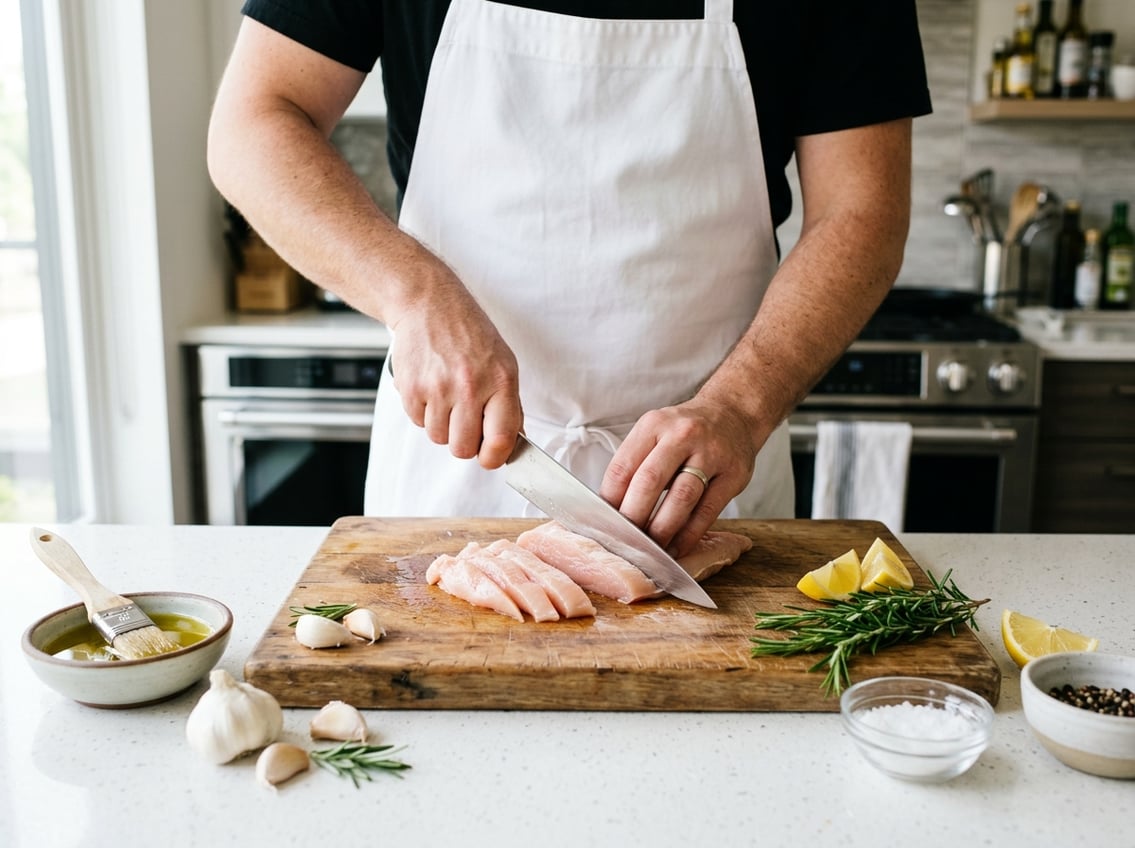
The main goal is simple: keep the fillets even in thickness so your chicken cooks at the same rate and stays juicy. That small change improves baked chicken fillet, pan-seared meals, and quick recipes that need reliable results.
Filleting helps when you buy large chicken breasts that are uneven or too thick for fast cooking. You get more control, whether you plan to bread them, bake them, or use them in pasta, teriyaki chicken, or bbq dishes.
Fillet a Chicken Breast Step by Step
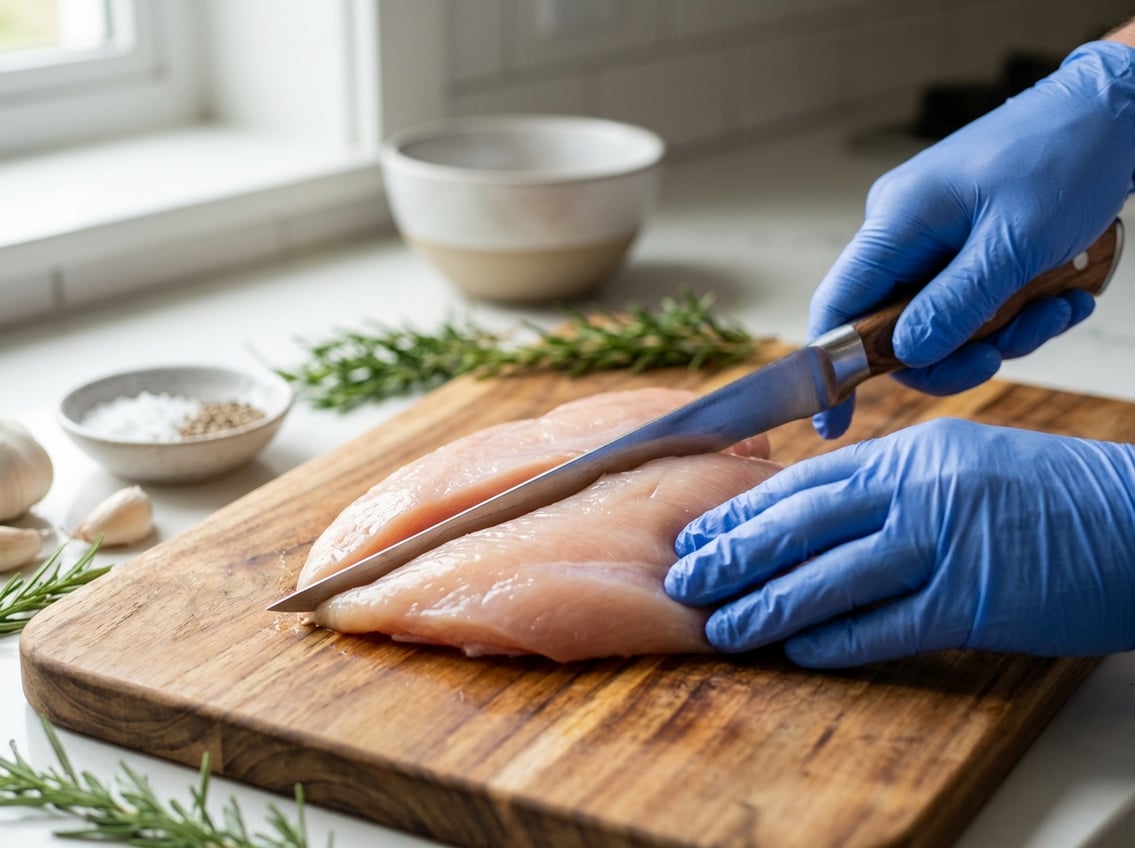
A good fillet starts before the first cut. Set up a stable workspace, position your hands clearly, and slice smoothly to keep the meat intact and the pieces even.
Set Up Your Knife and Cutting Board
Use a sharp chef’s knife or boning knife and a cutting board that does not slide. Place a damp towel under the board to keep it steady.
Pat the chicken dry before you start. Dry meat is easier to grip and safer to cut.
Position the Breast for a Clean Horizontal Cut
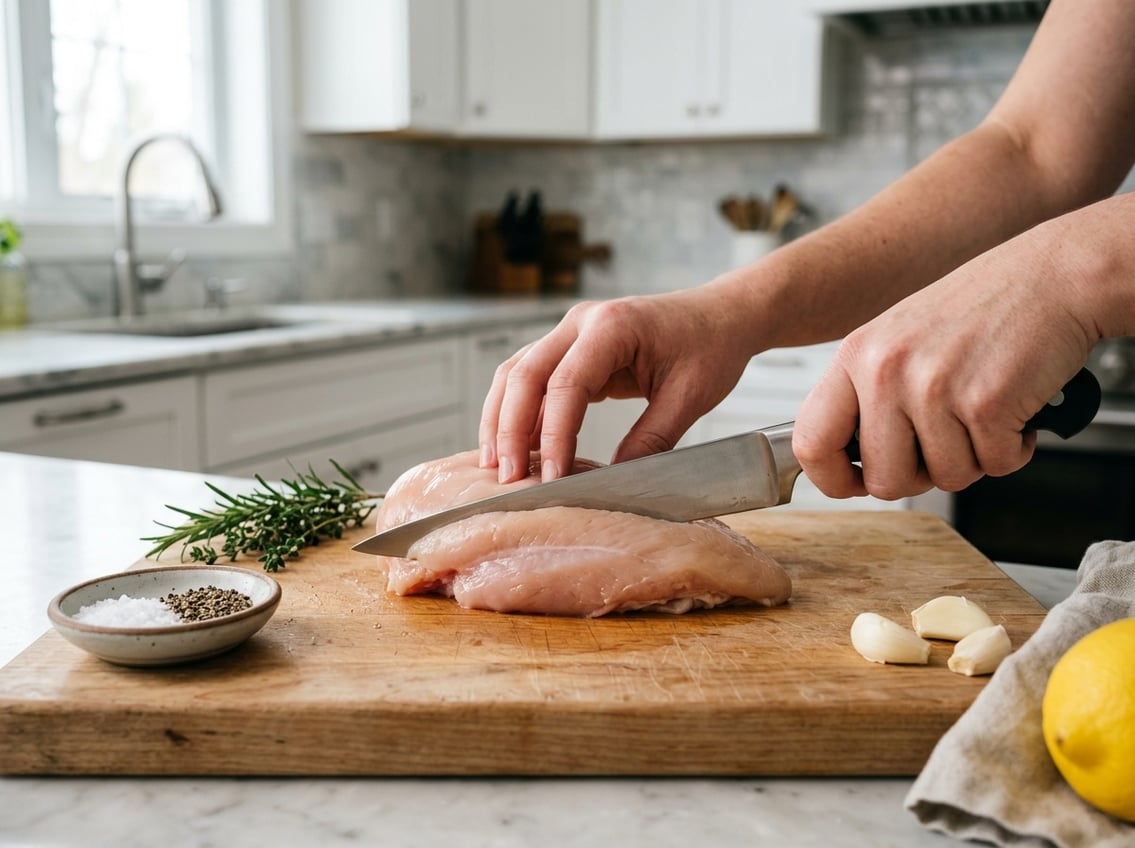
Place the breast flat on the board with the thick side facing your knife hand. Hold the top with your non-cutting hand and keep your fingers tucked away.
Keep your knife parallel to the cutting board for a clean fillet cut.
Slice Into Even Fillets Without Tearing the Meat
Cut slowly through the thickest part of the breast in one smooth motion. Avoid sawing back and forth, which can tear the meat and leave ragged edges.
If the breast is large, open it like a book near the end of the cut to create two even pieces. These work well for baked chicken fillet or breaded recipes.
Trim and Check Thickness Before Cooking
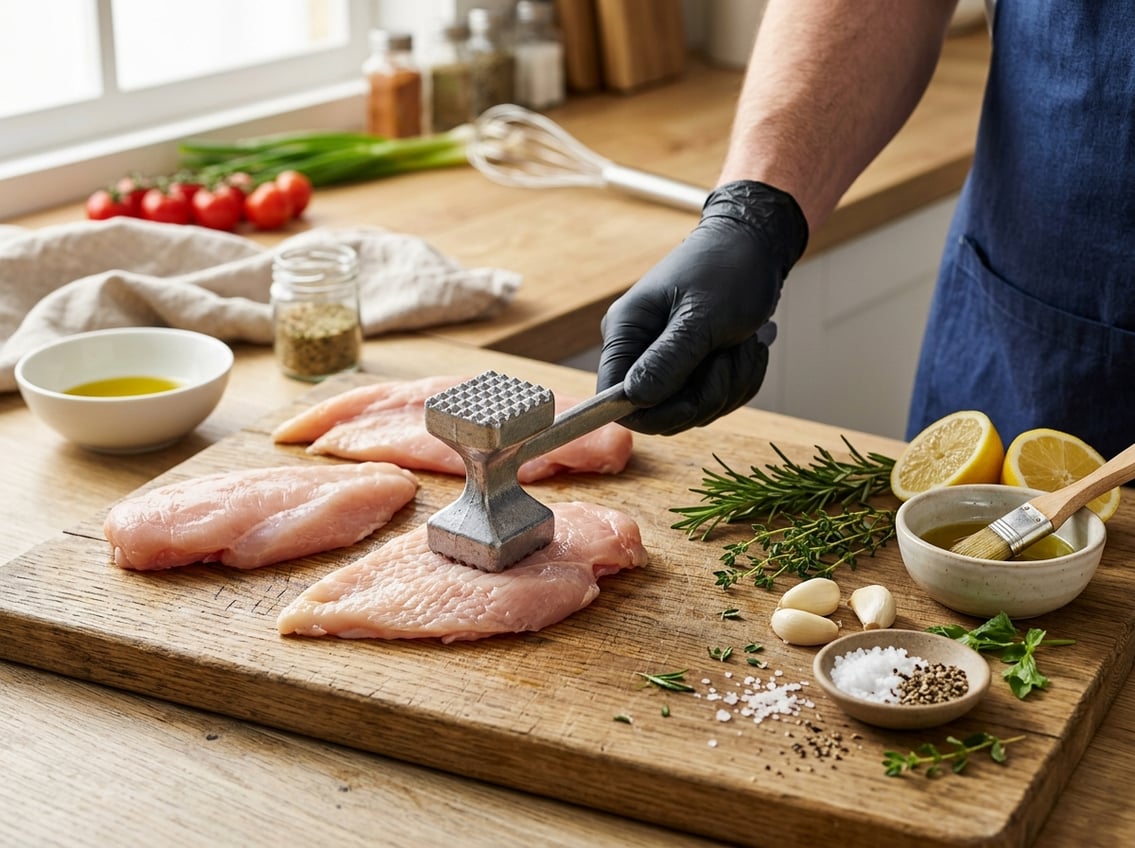
Trim extra fat, small tendons, or uneven edges after filleting. If one side is much thicker, lightly pound it so the whole piece cooks evenly.
Dust cutlets with a little flour for pan-searing if a recipe calls for a light crust. Check thickness before the heat goes on, not after the chicken is already in the pan.
Prep Choices That Improve Texture and Flavor
Once you fillet the chicken, your prep choices shape the final texture. Thin, even pieces take seasoning more evenly and cook at a predictable pace.
When to Butterfly, Pound, or Cut Into Thin Cutlets
Butterfly when you want one larger piece for stuffing or grilling. Cut into full fillets for separate portions and quick cooking.
Pound the meat when a recipe needs a very even, thin cutlet. This works well for breaded dinners and fast skillet meals.
Brining, Dry Seasoning, and Marinade Timing
A short brine helps chicken hold moisture, especially if you plan to bake it. Dry seasoning works well when you want a cleaner surface for browning.
Fillet before marinating. More surface area means more contact with the seasoning, which is useful for teriyaki chicken and bbq-style meals.
How Even Thickness Helps Juicier Results
Even thickness helps prevent thin ends from drying out while the thick center cooks through. Uniform pieces give you a better chance at juicy results.
Best Ways to Cook Chicken Fillets
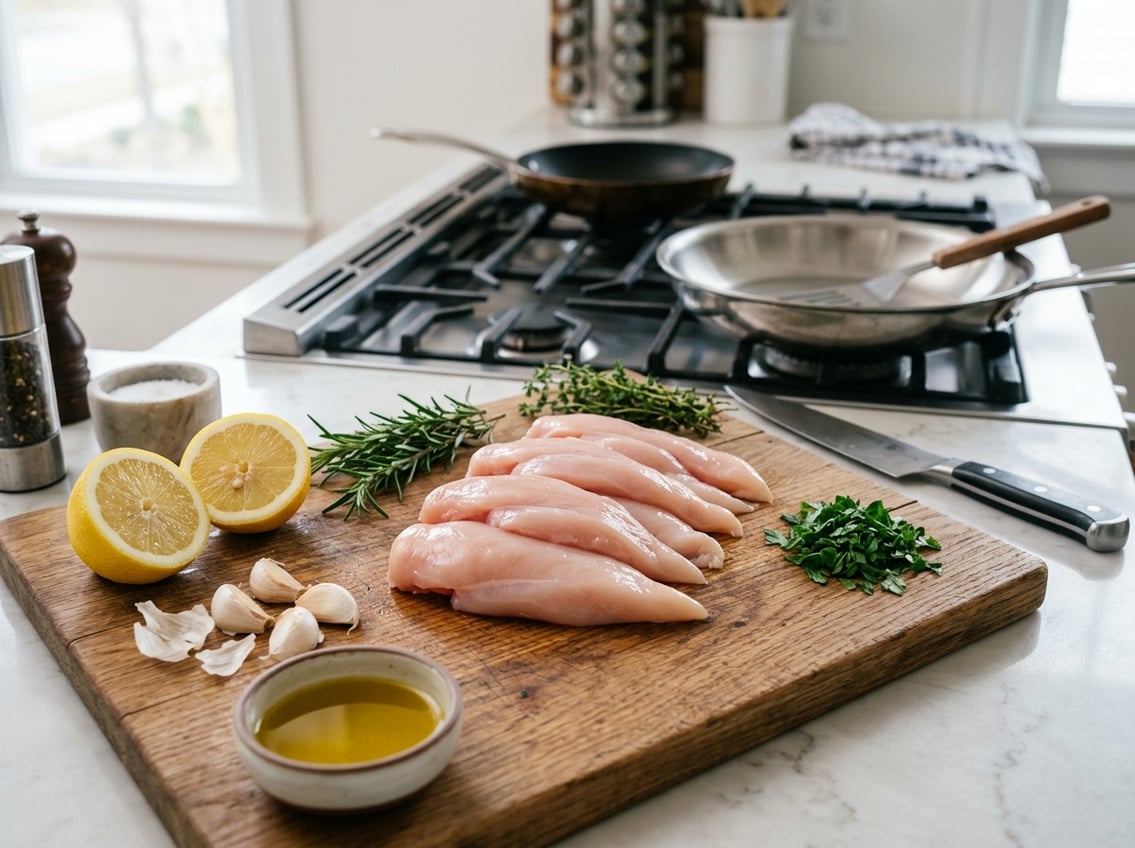
Chicken fillets cook quickly, so the best methods use controlled heat and short cook times. The cut works well in simple meals, sauced dishes, and crisp finishes.
Pan-Seared Fillets for Fast Weeknight Meals
A hot skillet gives you fast browning and good flavor. Season the fillets, add a little oil, and cook until both sides are golden and the center reaches a safe temperature.
This method is quick and pairs easily with salad, rice, or vegetables.
Oven-Baked Options for Crispy or Simple Results
Baking is a good choice for less hands-on cooking. A lightly oiled fillet can bake into a clean, simple baked chicken fillet with little effort.
For a crispier result, use a breaded coating or a light flour dredge before baking. Keep the oven hot enough to brown the surface without drying the meat.
How to Use Fillets in Saucy and Glazed Dishes
Use fillets in teriyaki chicken, bbq meals, and pasta dishes because they soak up sauce quickly. Their thin shape lets them finish fast in the pan or oven and hold up well in a glaze.
Slice the cooked fillets before serving if you want them to mix evenly into saucy dishes.
Mistakes to Avoid While Cutting and Cooking
Small mistakes can ruin the texture of chicken breast quickly. Most problems come from poor cutting, high heat, or skipping simple safety steps.
Using a Dull Knife or Partially Frozen Chicken
A dull knife tears the meat and makes the cut less controlled. Partially frozen chicken is harder to slice safely and evenly.
Let the breast thaw fully before you fillet it. A sharp blade gives you cleaner cuts and a better shape for cooking.
Uneven Slicing, Overcooking, and Skipping Rest Time
Uneven slices cook unevenly, which leaves thin edges dry and thicker parts underdone. Keep your knife level and stay patient as you cut.
Overcooking is another common issue. Use a thermometer if needed, and let the chicken rest after cooking so the juices stay in the meat.
Raw Chicken Safety and Storage Basics
Keep raw chicken cold until you are ready to cut it.
Wash your hands, knife, board, and counters after contact with raw meat.
Store filleted chicken in the refrigerator and cook it within a few days.
Freeze chicken if you need longer storage.
Keep raw chicken separate from ready-to-eat food.
Use clean tools for every step.


