
What’s Chicken Breast With Rib Meat? Explained
Chicken breast with rib meat is chicken breast that still has some meat from the rib cage attached, usually from the area close to the breast bone.
The label does not mean the product is low quality or unsafe. It usually means the breast was trimmed less fully during processing.
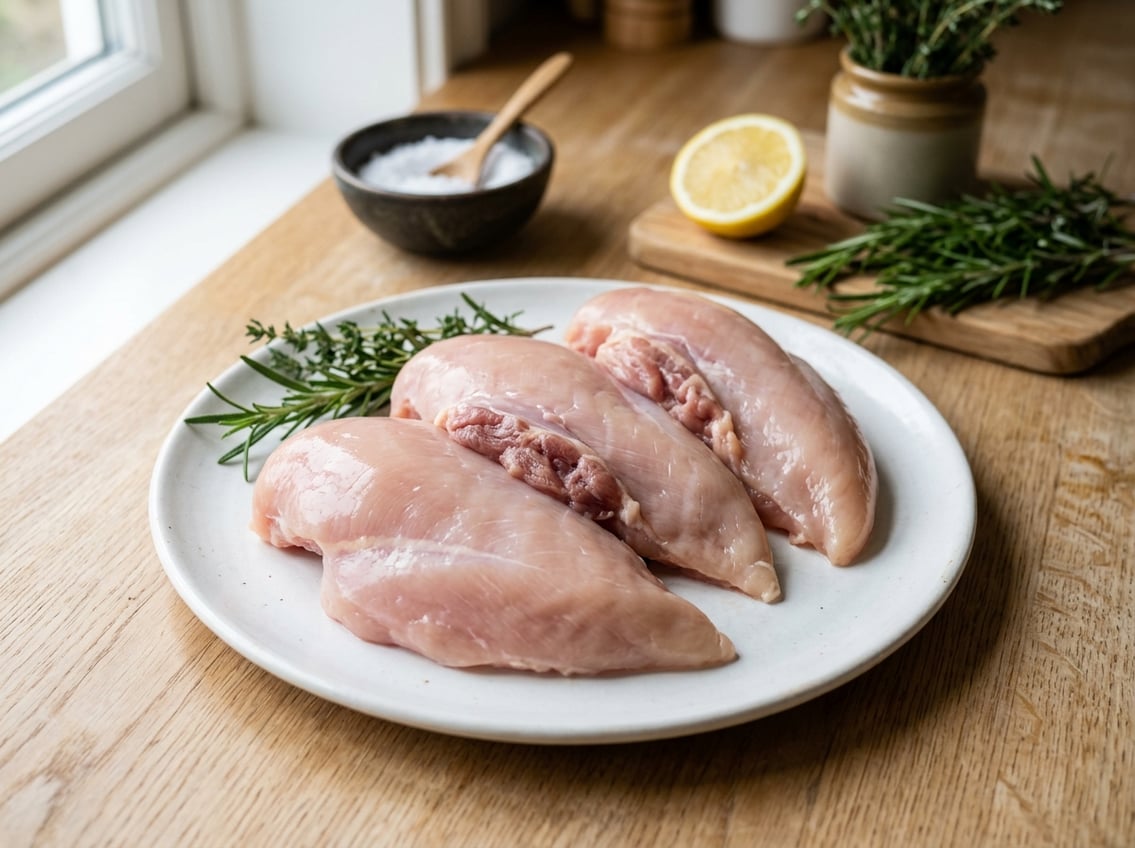
If you buy chicken breast with rib meat, you usually get a normal breast cut with a small extra strip of meat that can add a little more flavor and juiciness.
This meat is often slightly darker than standard breast meat and cooks the same way.
In U.S. grocery stores, you may see it on packages of boneless chicken breast or skinless chicken breast.
The label mainly tells you that the breast is not trimmed as tightly as other chicken cuts.
What the Label Means
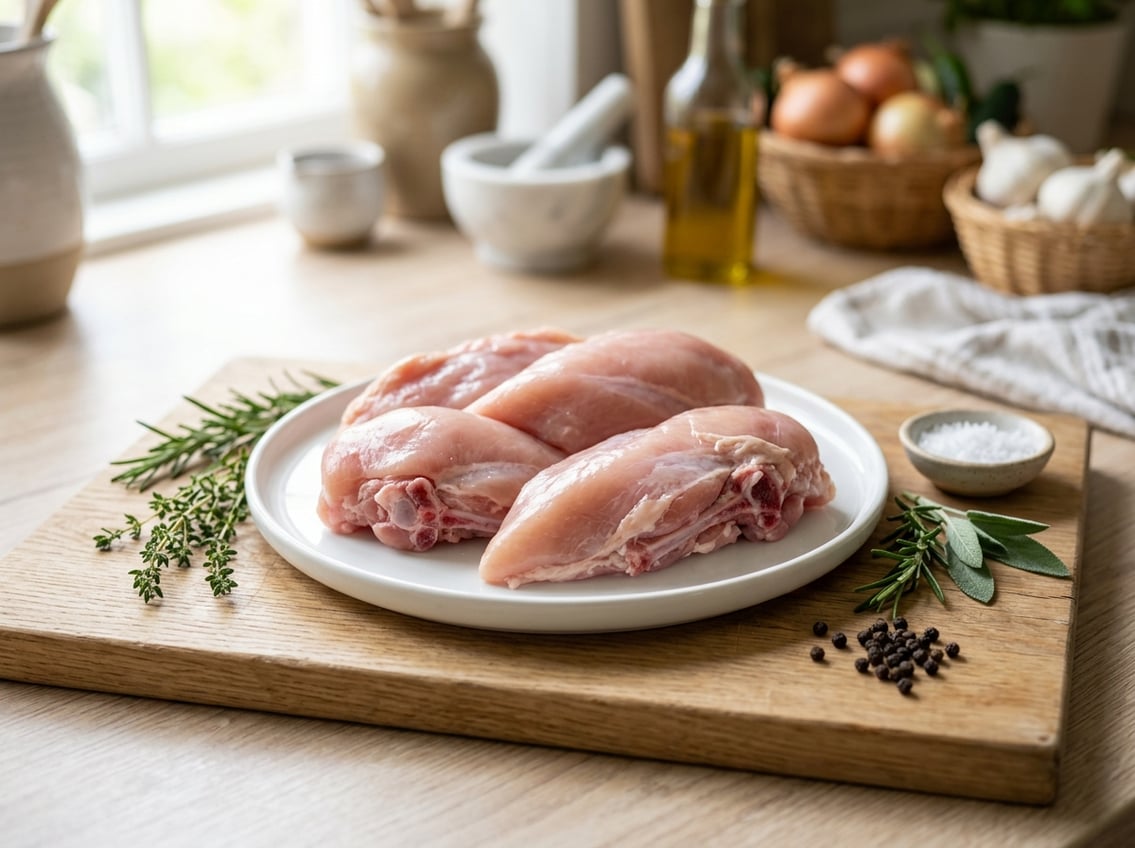
The label tells you the cut includes breast meat plus a small amount of meat from the rib area.
It is still a chicken breast product, just not a fully trimmed one.
That extra meat is part of the same bird and often comes with boneless or skinless chicken breast.
You are not seeing a separate product, only a different style of trimming.
Where This Meat Comes From on the Bird
Chicken rib meat comes from the area along the rib cage, close to the breast.
In some products, the breast is trimmed with a little extra meat left attached, which can include meat near the ribs and surrounding tissue.
Chicken breasts with rib meat can look a little irregular in shape compared with standard chicken cuts.
The cut is still mostly breast meat, just not trimmed down as far.
Why Processors Leave It Attached
Processors leave rib meat attached because it is faster and easier during breakdown.
In some cases, this also reduces waste and keeps more usable meat in the package.
It can help the meat stay juicier after cooking.
The small amount of extra fat and darker meat can add moisture and mild flavor.
How It Differs From Standard Breast Fillets
A standard boneless chicken breast is usually trimmed more cleanly and has a more uniform shape.
Chicken breast with rib meat may have a thicker edge or a small attached section that looks and feels a little different.
The difference is mostly in trimming, not in basic use.
You can still use it like other chicken cuts in recipes that call for breast meat.
Flavor, Texture, and Nutrition
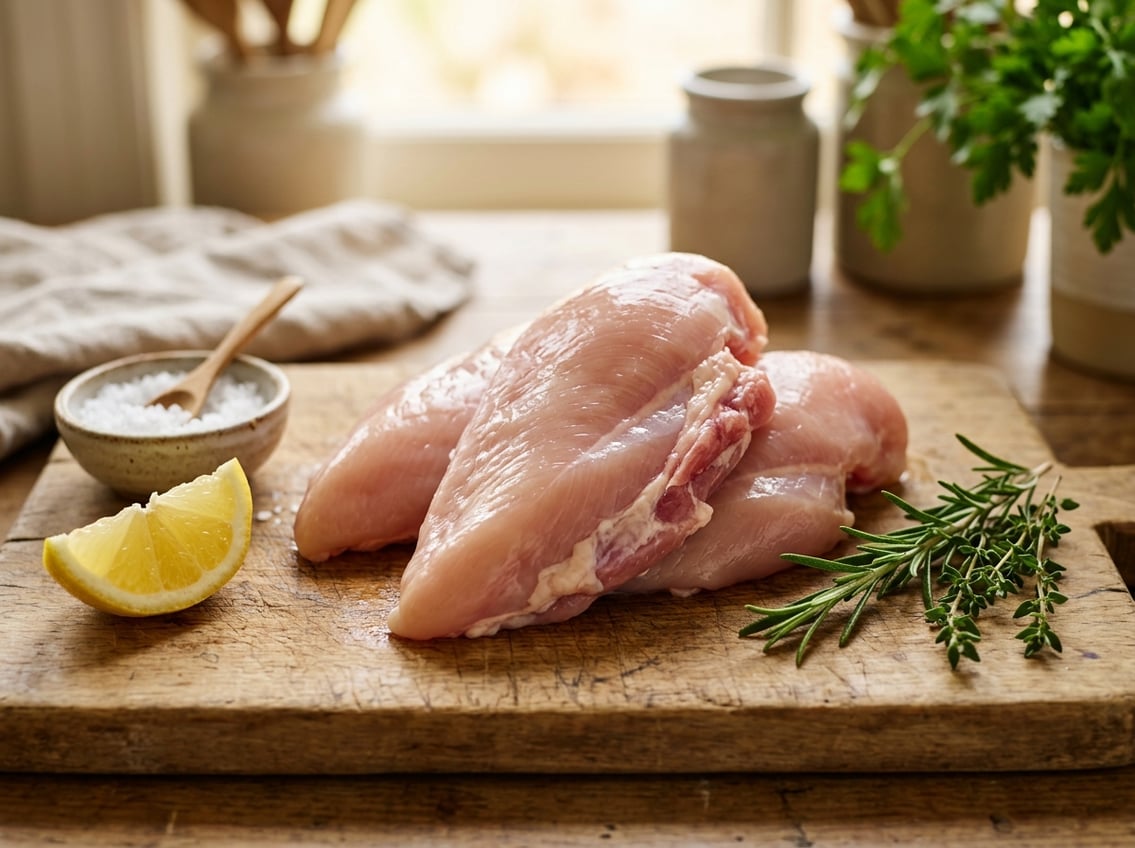
Chicken rib meat tastes mild, with a slightly richer flavor than plain breast meat.
The added portion can make the whole piece feel a little juicier, especially if you cook it carefully.
The nutrition profile stays close to other breast cuts, with small differences in fat and moisture.
The attached meat may slightly change texture, but not enough to make it a very different food.
How the Attached Portion Changes Juiciness
Rib meat in chicken can help a breast hold onto more moisture during cooking.
That matters most if you cook lean meat at high heat or for too long.
If you have ever had chicken that felt dry, a breast with rib meat can be a better match for simple baked or pan-cooked meals.
The extra bit of meat can make the finished piece feel less dry on the plate.
White Meat Versus Darker Attached Meat
Chicken rib meat is often slightly darker than the main breast.
It sits closer to dark meat in texture, though it is still sold with breast products.
That difference is small, so you should not expect a strong dark-meat flavor.
The change is more about tenderness and a little extra richness than about a major taste shift.
What to Expect From Calories and Protein
The calorie and protein content stays close to plain boneless chicken breast and skinless chicken breast.
The main change is a little more fat from the attached meat, which can raise calories slightly.
That small difference is usually minor in a normal serving.
If you track macros closely, compare the package label to your usual chicken breast product, since brands can vary.
Buying and Cooking Tips
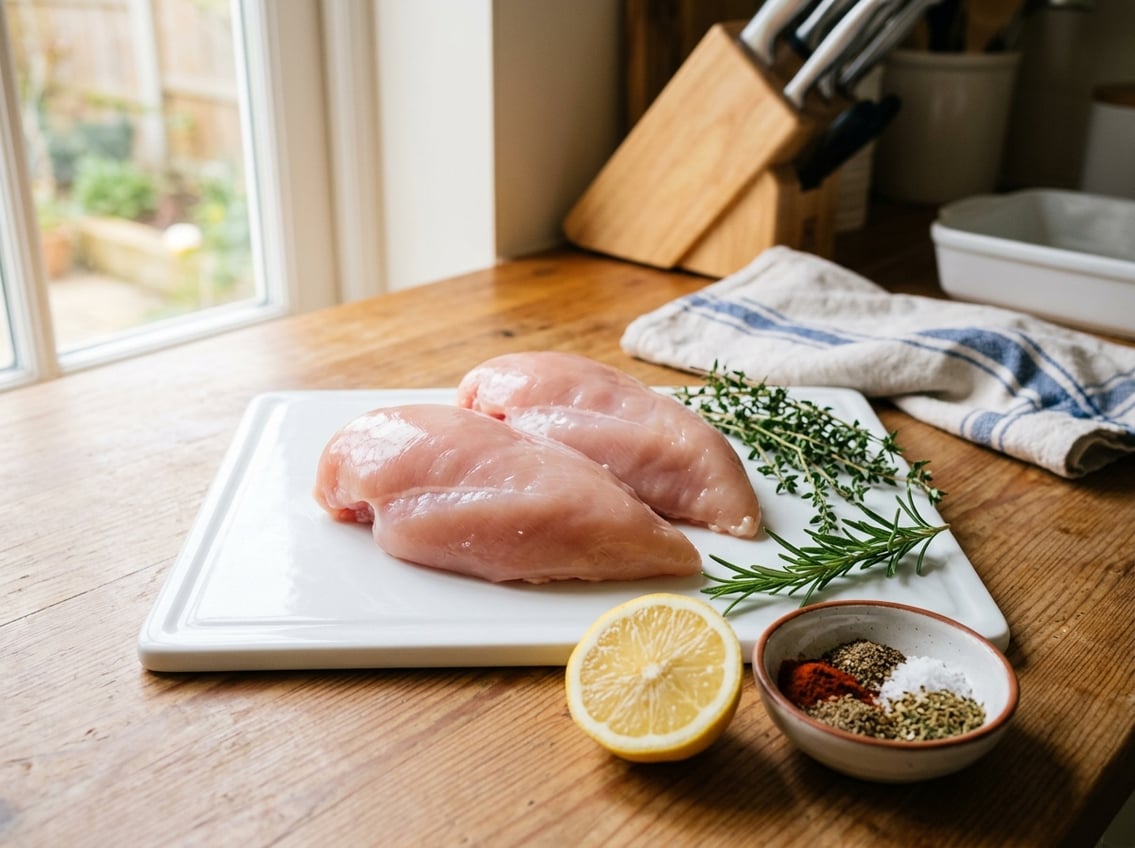
You can use chicken breast with rib meat in almost any recipe that calls for breast meat.
The main things to watch are the package label, the price, and how gently you cook it.
A small amount of extra attached meat may help the chicken stay moist, especially in baked dishes.
It can be a smart pick when you want a simple value buy.
How to Spot It at the Store
Look for wording like “chicken breast with rib meat” or a package that shows an uneven edge on the breast.
Some products may also mention that the cut is boneless or skinless, which means the main breast bones and skin are gone, even if some rib meat remains.
If the package looks unusually uniform, it may be a more heavily trimmed breast fillet.
If the cut has a slightly thicker strip along one side, it may be a breast with rib meat attached.
When It Is a Better Value
This cut often costs less than a more fully trimmed breast.
Since processors spend less time removing every bit of extra meat, the product can cost less while still giving you a standard chicken dinner.
It can be a good choice when you want a budget-friendly option for baked chicken breast with rib meat, casseroles, soups, or meal prep.
The small difference in trimming rarely matters once the meat is cooked and sliced.
Best Ways to Cook It Without Drying It Out
You can cook chicken breast with rib meat the same way you cook other chicken cuts. Make sure the inside reaches 165°F.
Baking, pan-searing, grilling, and poaching all work well if you avoid overcooking.
For baked chicken breast with rib meat, use moderate heat. Check the temperature early.
Salt the meat ahead of time or use a sauce, marinade, or light oil coating before cooking to help keep it moist.


