
Where to Buy Chicken Breast: Best Stores and Buying Tips
You can find where to buy chicken breast in several reliable places. The best choice depends on your budget, timing, and the cut you want.
Grocery chains, big-box stores, delivery apps, and warehouse clubs all sell chicken breasts. The price and convenience can vary a lot.
The best value often comes from comparing the price per pound and watching for real deals. Choose the format that fits the meal you are planning.
Fresh, frozen, boneless, skinless, thin-sliced, and bulk-pack options all serve different needs.
Best Places to Shop First
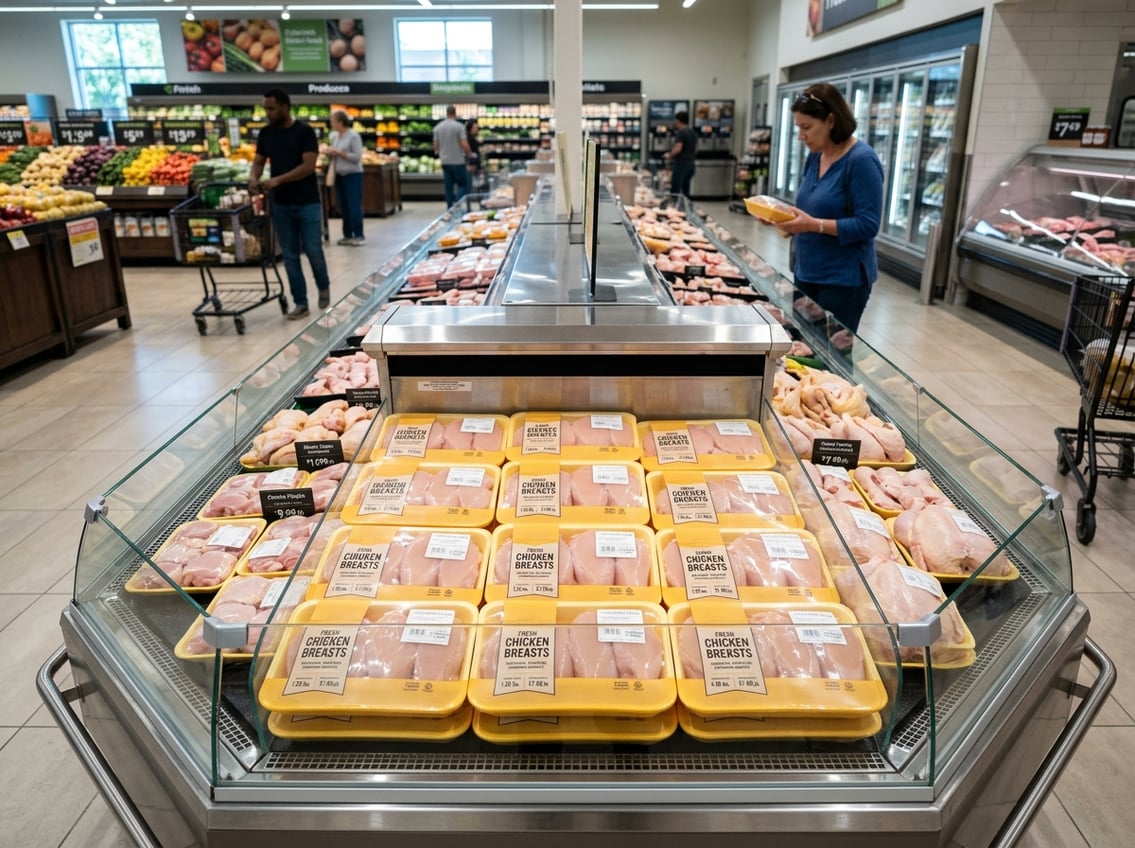
Start with the stores you already use for groceries. Then try the apps and clubs that fit your shopping style.
The best place is often the one that gives you the right mix of price, freshness, and easy pickup.
Major Grocery Chains and Big-Box Retailers
Chains like Kroger and Walmart carry many chicken breast options in one place. Kroger lets you find chicken breasts online for pickup or delivery.
Walmart lists fresh, frozen, and value-pack choices, including boneless skinless chicken breasts with pickup and delivery options.
Big-box retailers often run promos and offer store-brand pricing. If you shop by unit price, you can see whether a tray, fillet pack, or frozen bag gives you a better deal.
Delivery and Pickup Apps
If convenience matters most, grocery delivery apps can bring chicken breast to your door fast. DoorDash offers same-day chicken breast delivery.
Grubhub lists chicken breast delivery or pickup in many areas. Instacart also offers chicken breast products for delivery or pickup.
These services are useful when you need food fast. Fees and markups can make them more expensive than in-store shopping.
Warehouse Clubs and Bulk Sellers
Warehouse clubs work well when you cook chicken often and can freeze extra portions. Bulk packs usually lower the cost per pound, especially for family meals and meal prep.
A large tray or frozen bag may cost more at checkout. You can save money over time if you use it before it spoils.
If you have freezer space, bulk buying can stretch your grocery budget.
Which Type Gives You the Best Value
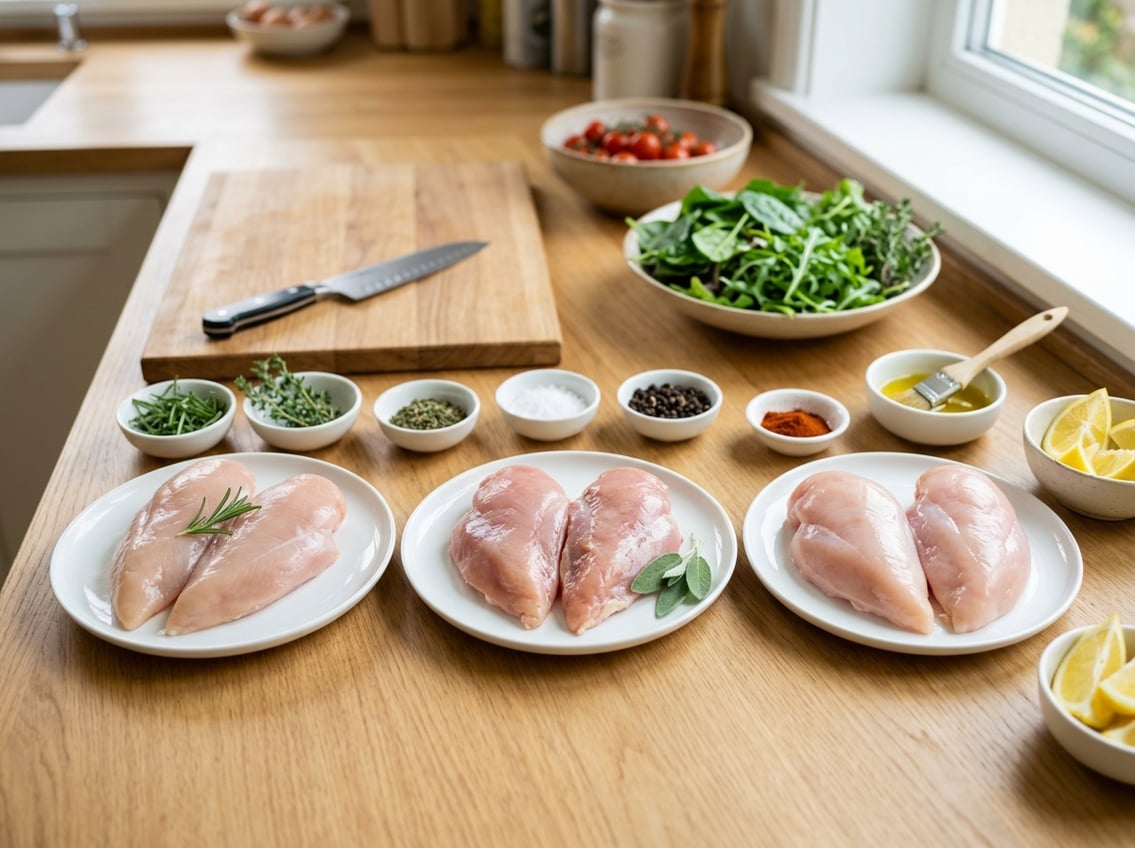
The best value depends on how you cook. You may save money with a different cut than the one you usually buy, especially if you are flexible about fresh versus frozen or whole chicken versus trimmed breasts.
Boneless Skinless Chicken Breasts vs Chicken Breast Fillets
Boneless skinless chicken breasts are versatile for roasting, grilling, slicing, and meal prep. Chicken breast fillets are thinner and cook faster, which can save time.
Fillets can cost more per pound because they are smaller and more uniform. If you do not need the thin shape, regular boneless skinless chicken breasts often give you a better price.
Fresh vs Frozen Skinless Chicken
Fresh chicken can feel more convenient if you plan to cook it soon. Frozen chicken gives you more storage time.
Frozen packs are often priced lower per pound. Walmart’s frozen boneless skinless chicken breasts show how store brands can reduce the cost.
Frozen skinless chicken is a good option if you shop in larger trips. Fresh chicken works better when you want the best texture and you know you will use it quickly.
When Whole Chicken Costs Less
A whole chicken can cost less than buying only breasts, especially when you break it down yourself. You get breast meat, thighs, wings, and bones for broth or stock.
If your goal is the lowest total meat cost, a whole chicken may beat separate chicken breast packs. If your goal is convenience, trimmed chicken breast still makes more sense.
How to Compare Price, Quality, and Convenience

Compare price per pound, the quality you see on the package, and how easy the product is to use. A low sticker price does not always mean a better deal.
Reading Price Per Pound and Pack Size
Always check the price per pound first. A smaller pack can look cheap at the shelf, while a larger tray may cost less per pound and give you more food for your money.
Pack size matters too. One family may finish a large tray quickly while one person may waste part of it.
Walmart’s chicken breast listings show how prices can change by cut and weight, from freshness guaranteed trays to frozen value packs.
Spotting Real Deals vs Sponsored Listings
Promotions can help, yet sponsored products are not always the lowest-cost option. On Walmart’s chicken breast page, several items are labeled sponsored, which means they are promoted placements.
Check the full price, the price per pound, and the regular shelf price if it is shown. A true deal fits your budget without hiding fees or smaller pack sizes.
Choosing Between Store Brand and Premium Options
Store brands often cost less and can be a good choice for everyday meals. Premium labels may offer details like cage-free, organic, or specialty trimming, which can matter if you have a preference for texture, farming method, or certification.
If the label does not matter to you, store brand chicken breasts are usually enough. If you want a specific product feature, pay for it only when it gives you something you will use.
Specialty Options for Dietary and Cultural Needs
Your chicken breast search may also depend on dietary rules or food traditions. Many supermarkets now carry specialty products, and a little label checking can help you find the right option faster.
Finding Halal Chicken at Supermarkets and Specialty Stores
Larger supermarkets, international grocers, and local butcher shops often carry halal chicken. Some stores keep it in a separate case, while others place it near other packaged poultry.
If you want boneless skinless chicken breasts or a skinless chicken breast that fits halal requirements, ask the meat department where they stock certified products. Specialty stores may offer more choices and clearer labeling.
What to Check in Product Labels and Certifications
Check the certifying body, not just a claim on the front of the package.
Look for labels that say halal, organic, free-range, or other claims that matter to you.
Confirm that the certification is current and easy to verify.
Grocery choices can reflect personal preferences and dietary rules for cultural and religious food needs.
The USDA provides information on culturally and religiously preferred foods.
If you are unsure, read the full package details.
Ask the store for documentation before you buy.


