
Do Chicken Breast Tenderloins Have Bones? Clear Answer
You may wonder, do chicken breast tenderloins have bones? The clear answer is no, chicken breast tenderloins are boneless.
They are a small, naturally tender strip of white meat that sits under the breast. This is why stores sell them as a convenient, quick-cooking cut.
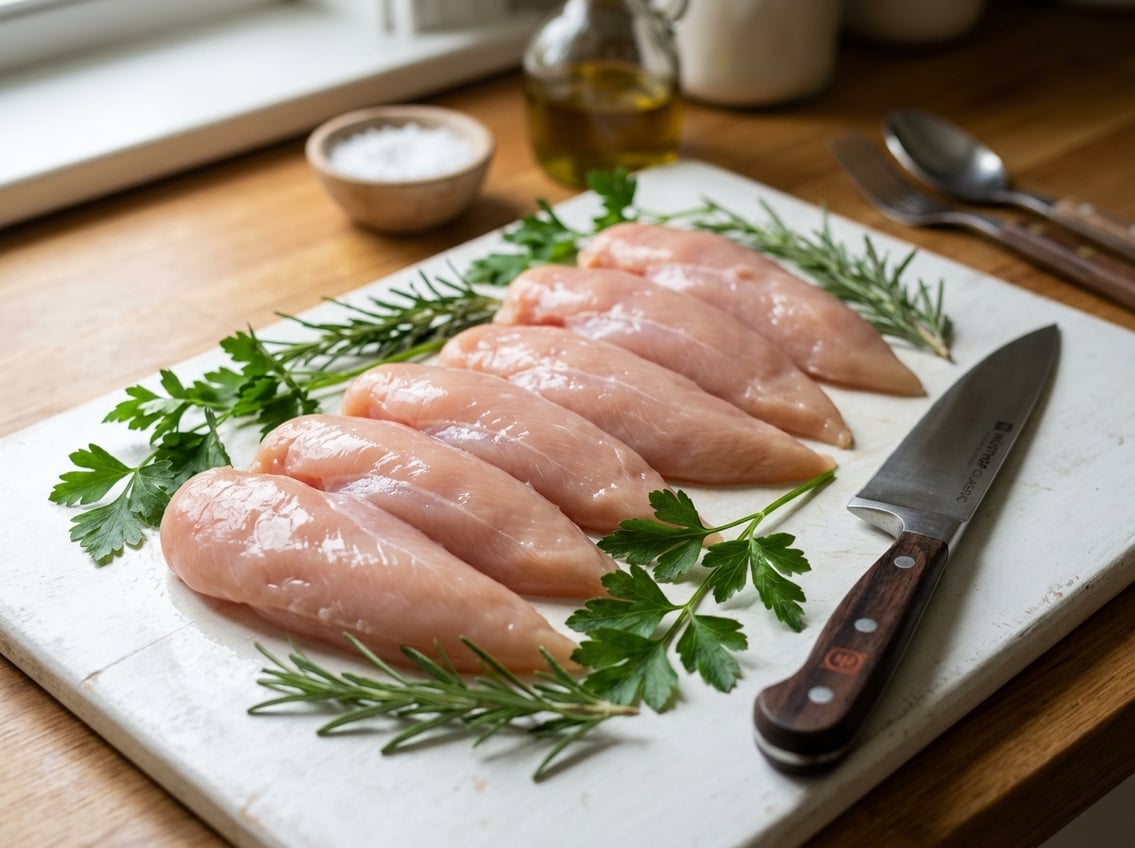
If you buy chicken breast tenderloins, you get a boneless cut that cooks faster than chicken breast. Tenderloins work well in many everyday recipes.
You may also hear them called chicken tenderloin, chicken tender, or simply chicken tenders. These different names can make store labels confusing.
Knowing what chicken tenderloin is and how it differs from chicken breast helps you shop and cook with more confidence.
The Short Answer and Where This Cut Comes From
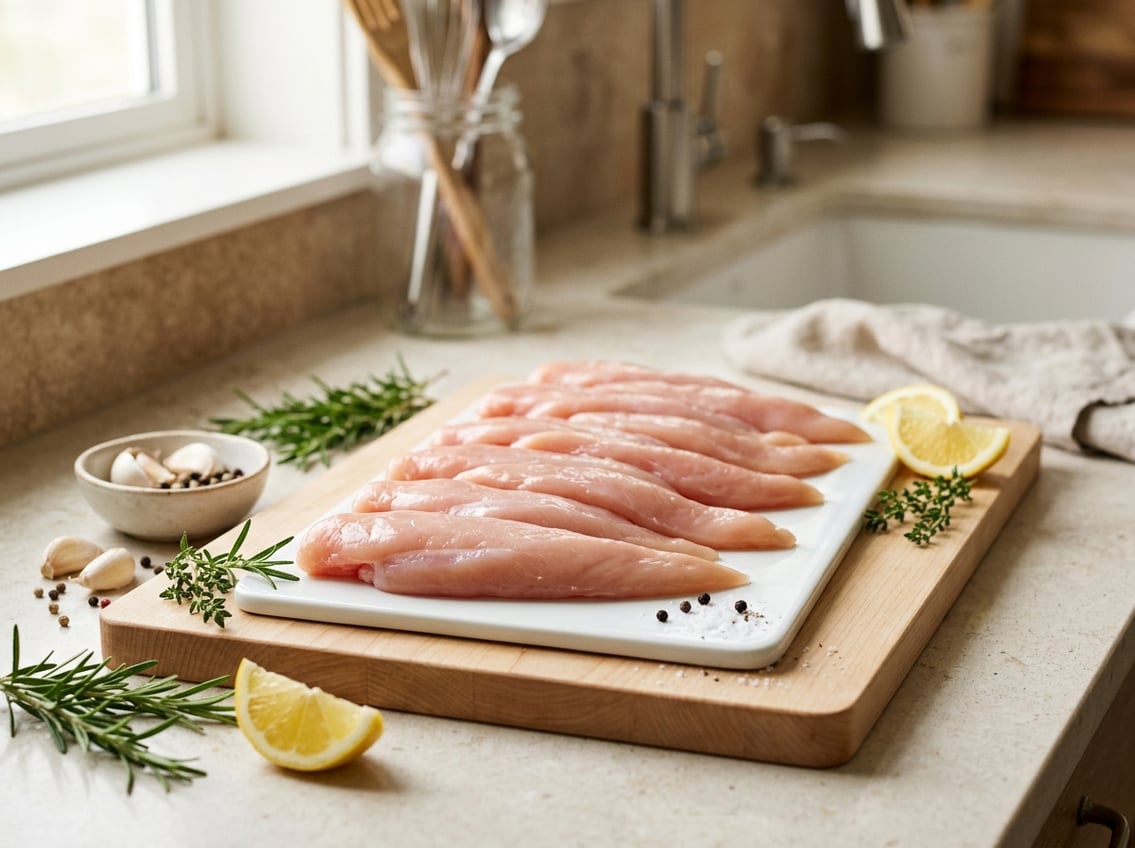
Chicken breast tenderloins come from the chicken breast area, but they are not the same as the main breast muscle. They are boneless white meat, and they are usually smaller, thinner, and more delicate than chicken breasts.
Why Tenderloins Are Boneless by Definition
A tenderloin is a muscle, not a bone-in cut. In chickens, the tenderloin stays boneless because it is a strip of meat attached to the breast area, not a section around a bone.
You will not find bones in packaged chicken breast tenderloins.
How the Tenderloin Sits Under the Breast
The tenderloin sits underneath the chicken breast, along the underside of the bird. It is usually hidden until someone removes the breast.
A BBQ Host breakdown of chicken tenderloin explains that the cut is a separate, smaller muscle tucked against the underside of the breast.
Pectoralis Major vs. Pectoralis Minor
The main chicken breast comes from the pectoralis major, which is the larger breast muscle. The tenderloin comes from the pectoralis minor, a smaller muscle that is less worked and more tender.
That smaller muscle structure makes chicken tenderloins softer and causes them to cook a little differently than breast meat.
How to Identify Real Tenderloins at the Store
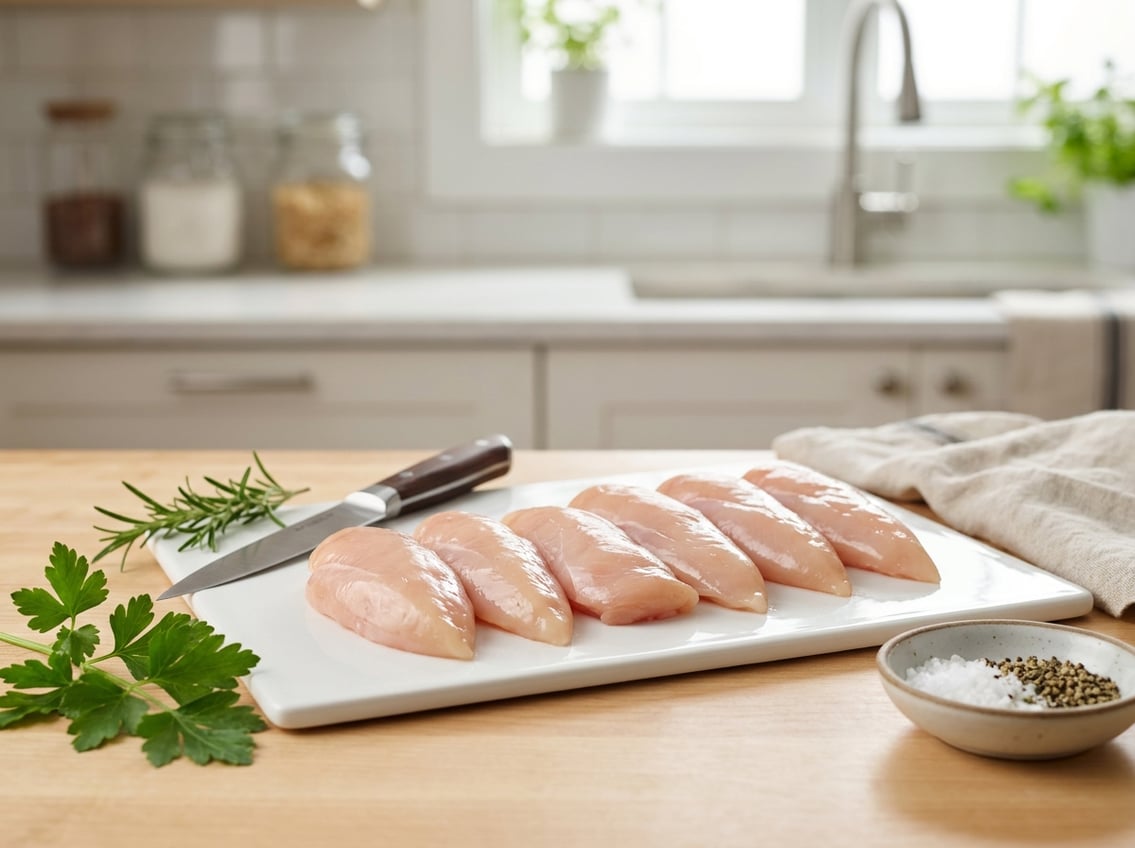
Store labels often blur the line between chicken tender, chicken tenders, chicken strips, chicken fingers, and chicken fillets. The name matters because some packages contain real tenderloins, while others hold sliced breast meat with a similar shape.
Chicken Tenderloin vs. Breast Strips
Real chicken breast tenderloin is usually a narrow, tapered piece with a thin tendon attached. Breast strips are often cut from larger chicken breasts and may be flatter, wider, and more uniform.
If the shape looks like a mini breast instead of a slim strip, it is probably breast meat, not a true tenderloin.
Common Names on Packages and Labels
You may see labels such as chicken fillets, chicken strips, or chicken tenders used in different ways. Chicken tenders often mean breaded products in the freezer aisle, while chicken fillets may refer to boneless breast meat in general.
If you want the real cut, check the package photo and the meat’s shape, not just the name.
Availability, Price, and What to Expect
Real tenderloins are widely available in the U.S., fresh or frozen. They are usually more expensive than buying whole chicken breasts and cutting them yourself.
That price difference happens because the cut is smaller and convenient. As SnapCalorie notes, tenderloins are a small, thin strip of white meat beneath the breast with a mild flavor and tender texture.
Cooking Differences That Matter in the Kitchen
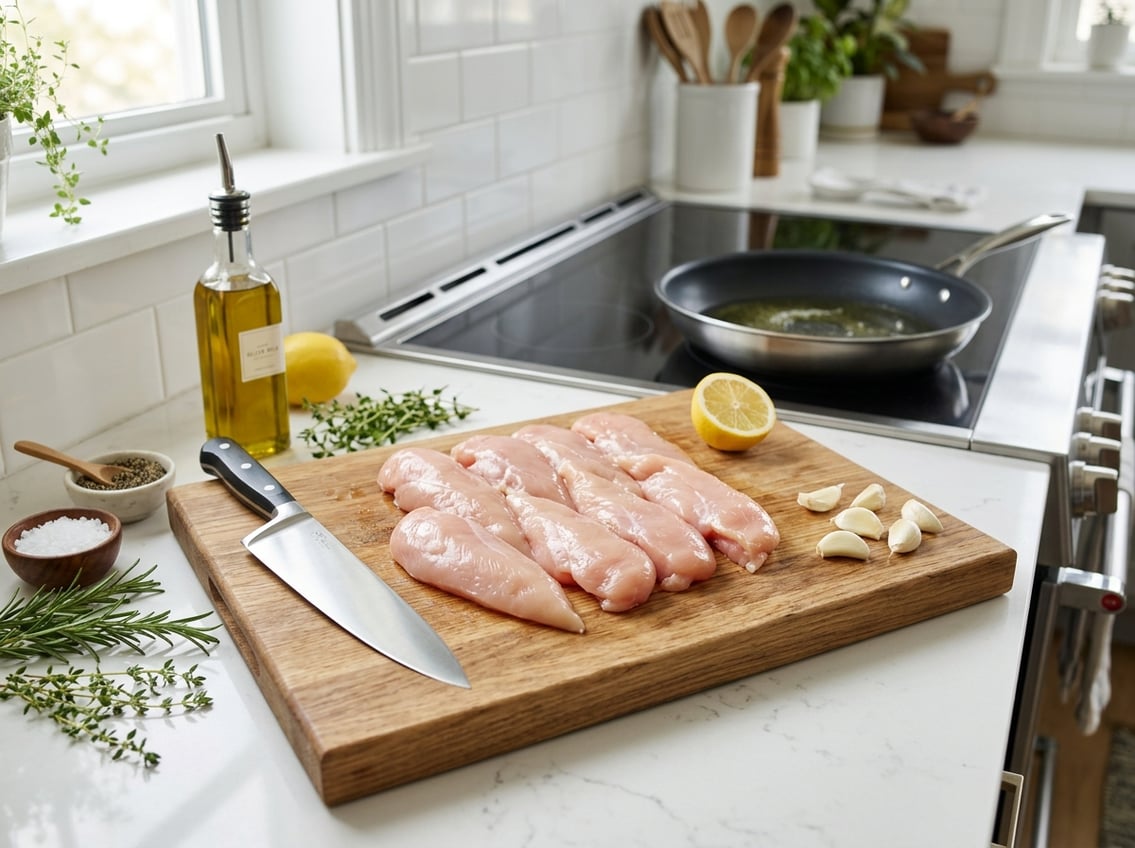
Chicken tenderloins cook much faster than chicken breast because they are smaller and thinner. That makes them useful for quick meals, but they dry out more quickly if you leave them on the heat too long.
Best Cooking Methods for Tenderloins
Gentle, fast cooking methods work best for chicken tenderloins. You can bake, sauté, poach, steam, or cook them with a short grill or pan-sear time.
For many chicken tenderloin recipes, a quick cook keeps the meat juicy and avoids a tough texture.
When to Use Breast Instead
Use chicken breast when you want a larger piece for slicing, stuffing, or serving as a main plate. Chicken breast also works well in chicken parmesan and many chicken breast recipes because it gives you more surface area and a bigger portion.
If a recipe calls for grilled chicken breast, you can use tenderloins, but you will need less time on the heat.
Marinating and Avoiding Dryness
Marinating chicken can help both cuts taste better, but tenderloins need less time in the marinade. A short marinade of 15 to 30 minutes is usually enough for tenderloins, while chicken breast can handle longer marinating time.
For either cut, avoid overcooking, since dry meat is the most common problem.
Nutrition, Texture, and Recipe Fit
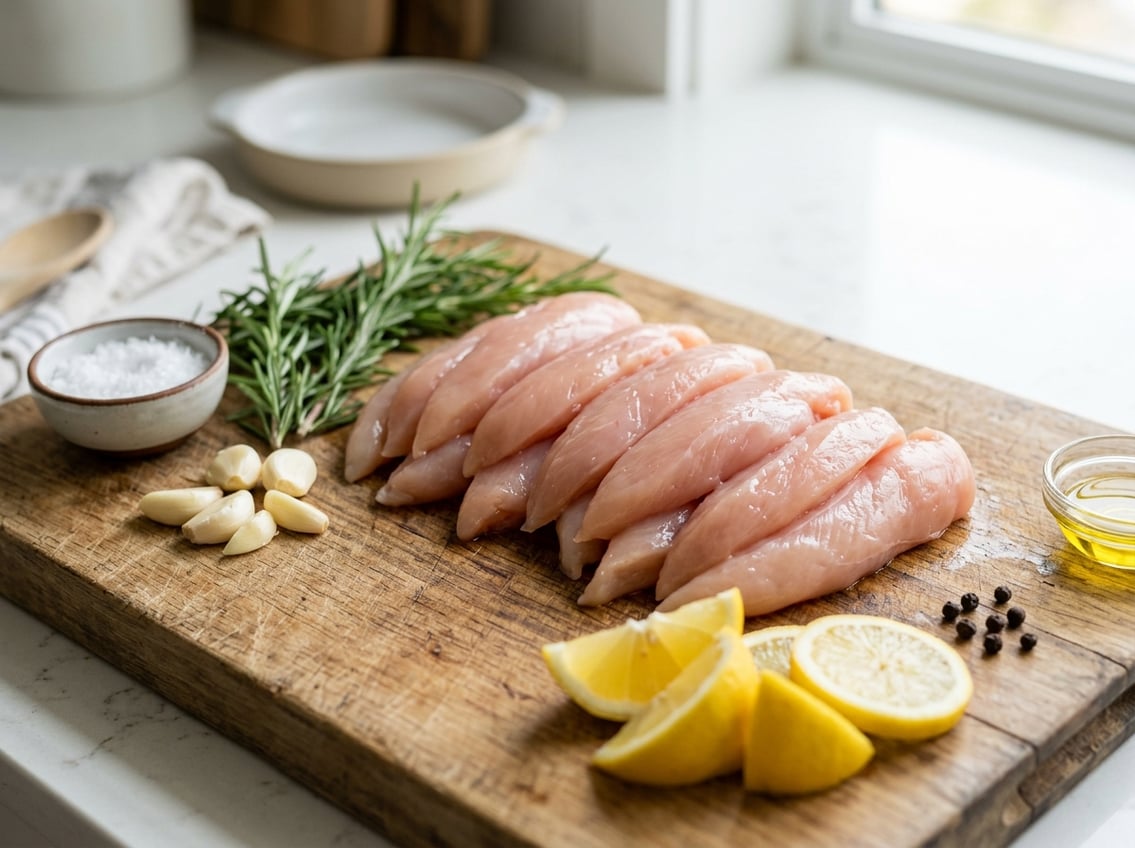
Chicken breast and chicken tenderloin are both white meat, so they are both lean protein choices. The main differences are in size, texture, and how each cut fits into your meal plan.
Nutritional Value Compared With Breast Meat
Chicken breast is usually the leaner choice, while tenderloins can be slightly higher in calories and sodium depending on how they are packaged and prepared. Both can fit well in a balanced diet, especially if you choose simple cooking methods.
For packaged products, check the label if you are tracking protein, sodium, or fat.
Flavor and Texture in Everyday Meals
Chicken tenderloin has a softer, more delicate texture than chicken breast. The flavor is mild, so it works well with sauces, seasonings, and marinades.
In everyday meals, the difference is usually more about texture than taste.
Best Uses for Each Cut
Choose tenderloins for fast cooking and a naturally tender bite.
Pick chicken breast when you need a larger piece for slicing, pounding, or building a full meal.
You can swap chicken breast and tenderloin in many recipes if you adjust the cooking time.


