
Do Chicken Breast Have Saturated Fat? Quick Nutrition Guide
Do chicken breast have saturated fat? Yes, it does, but the amount is usually low, especially when you choose skinless chicken breast and cook it without much added fat.
That makes chicken breast a common choice when you want a high-protein food that stays relatively low in saturated fat.
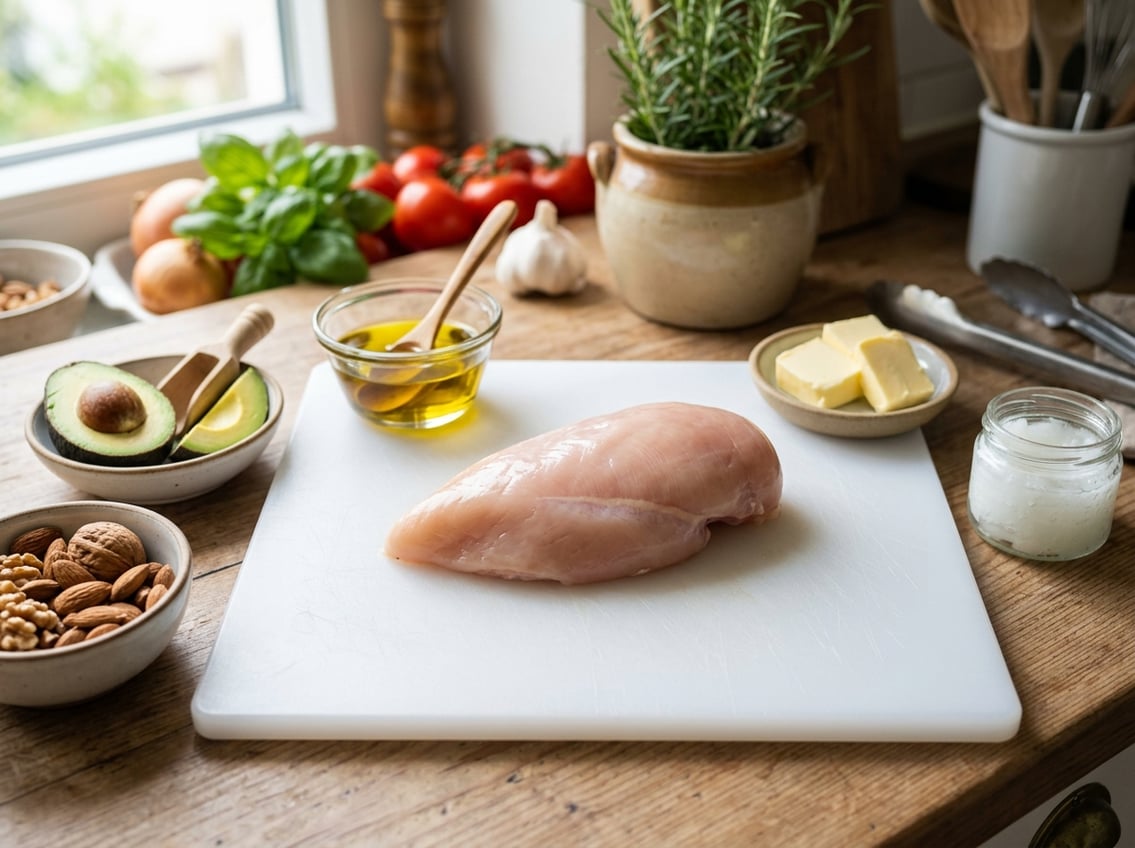
Chicken breast contains some saturated fat, and the amount changes a lot based on preparation.
A plain, skinless piece is much leaner than a chicken breast with skin or a fried version.
How Much Saturated Fat Is in a Chicken Breast?
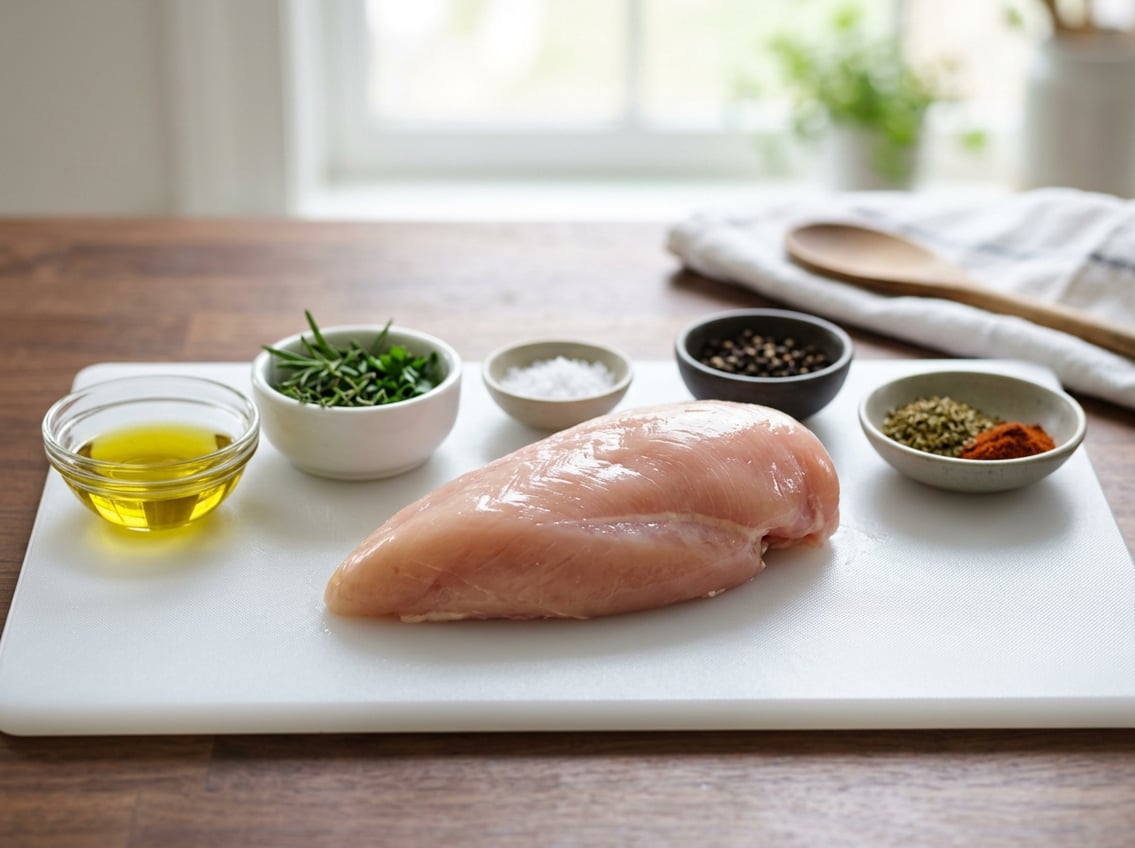
Chicken breast is one of the leanest common cuts of poultry.
The saturated fat content varies by portion size, whether the skin is on, and how the meat is cooked.
Typical Saturated Fat in Skinless Cooked Portions
A cooked, skinless chicken breast usually has about 1 to 2 grams of saturated fat per serving.
For example, FatSecret lists a medium cooked chicken breast without skin at 1.723 grams of saturated fat and 6.09 grams of total fat (FatSecret chicken breast nutrition).
That is a modest amount compared with many red meats and full-fat prepared foods.
A 4-ounce serving of cooked skinless chicken breast is also commonly in the same low range.
What Changes With Chicken Breast With Skin
Chicken breast with skin contains more fat and more saturated fat than skinless meat.
FatSecret lists a medium chicken breast with skin at 15.13 grams of total fat and 5.89 grams of saturated fat in a cooked medium breast (FatSecret chicken breast nutrition).
The skin holds much of the extra fat, so removing it lowers the saturated fat count quickly.
If you are tracking chicken breast saturated fat, removing the skin is one of the easiest ways to cut it down.
Why Chicken Breast Counts as Lean Protein
Chicken breast counts as lean protein because it gives you a lot of protein for a relatively small amount of fat.
The Ohio Poultry Association’s chicken nutrition facts note that skinless chicken breast has only about one gram of saturated fat, making it a useful choice when you want to limit intake.
It is also lower in fat than many other chicken cuts, such as thighs and wings.
What Raises or Lowers the Fat Content
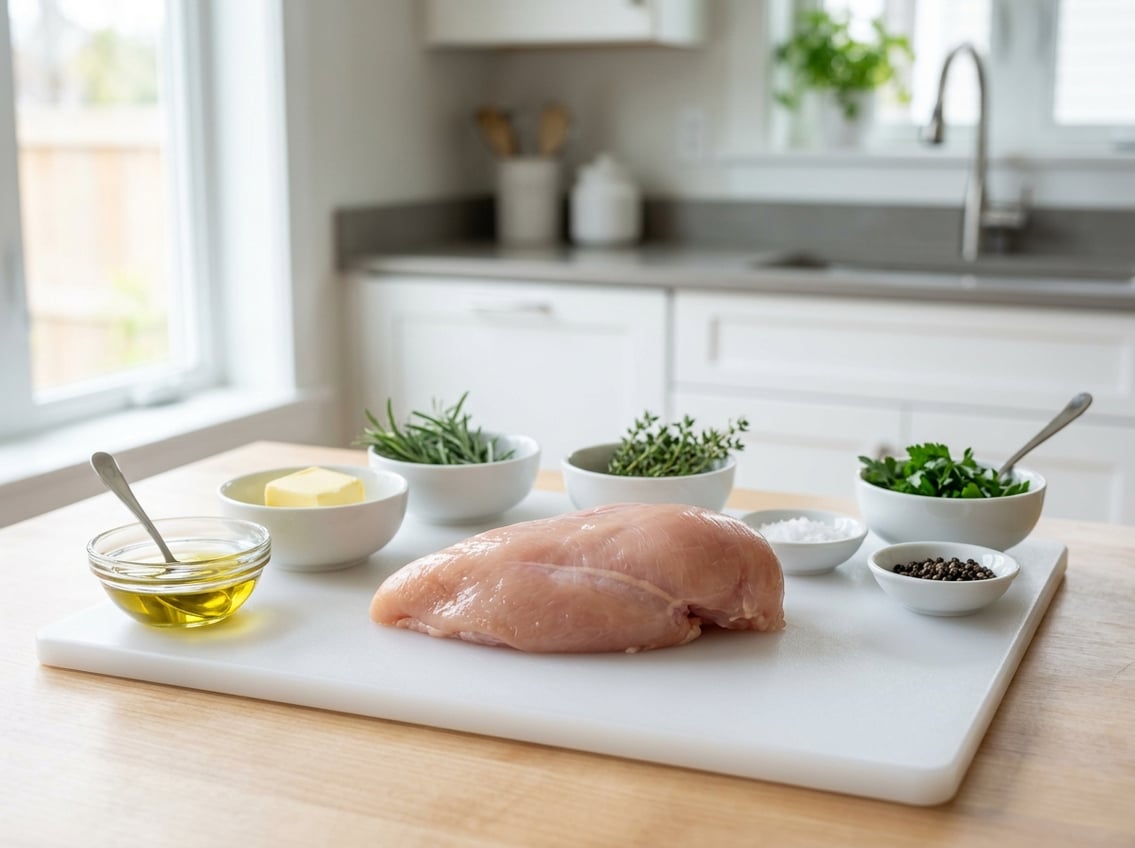
The fat content of chicken breast changes when you keep the skin on, change the cooking method, or eat a larger serving.
Simple preparation helps you keep saturated fat lower.
Skin, White Meat, and Fat Distribution
Skinless chicken breast is naturally lower in fat than chicken breast with skin.
White meat also tends to have less fat than dark meat, which makes the breast the leanest choice.
Fat is not spread evenly through the chicken.
Skin, surface drippings, breading, and cooking oils can all add to saturated fat.
Grilled, Roasted, and Poached vs. Fried Preparations
Grilled, roasted, and poached chicken breast usually stay lower in fat when you do not add much oil or butter.
Fried chicken breast can absorb extra fat during cooking.
FatSecret shows that a fried chicken breast without coating has more saturated fat than a baked or roasted skinless breast, and fried with coating is higher still (FatSecret chicken breast nutrition).
The cooking method affects the fat content as much as the cut itself.
Portion Size and Restaurant Serving Differences
A larger portion gives you more total fat, even if the nutrition per ounce stays similar.
Restaurant servings can also be bigger than what you cook at home, which makes it easy to underestimate saturated fat.
Sauces, cheese, butter, and extra oil can raise the fat content too.
If you want to keep chicken saturated fat lower, choose a plain portion with simple seasoning.
How Chicken Fits Into Daily Saturated Fat Limits
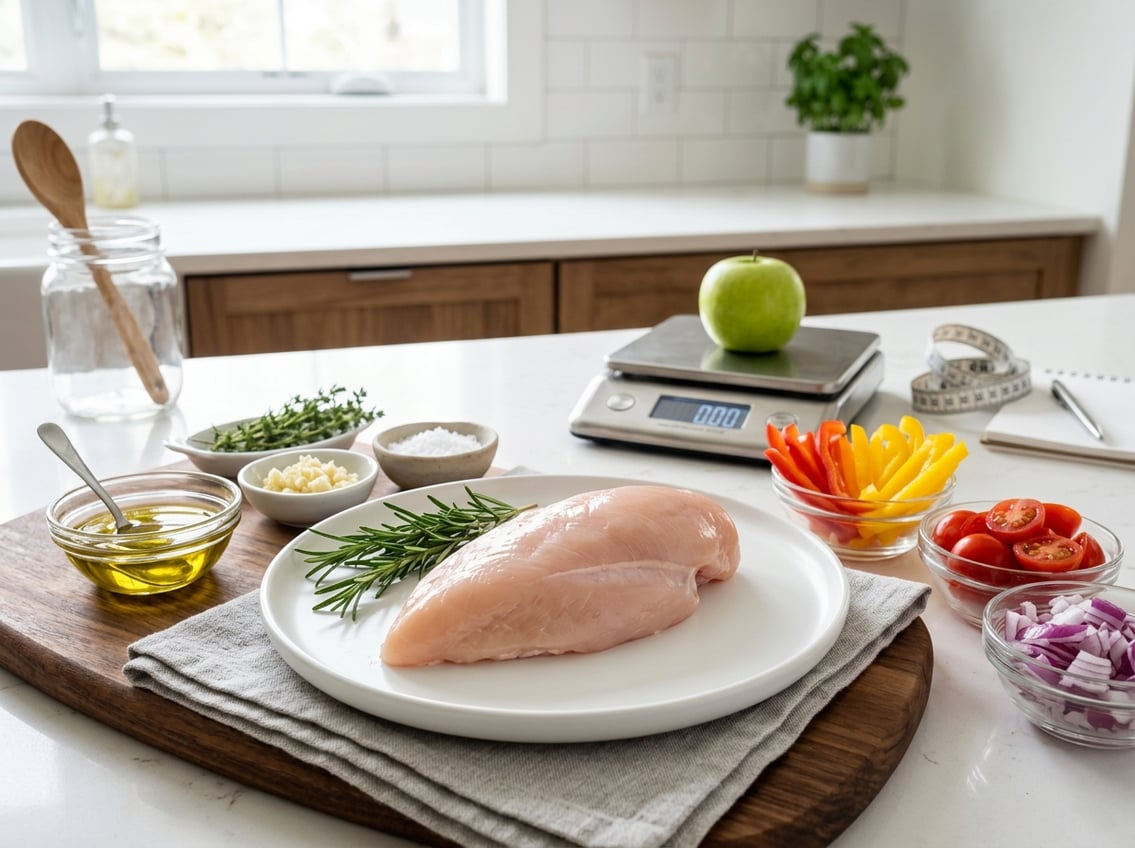
The daily saturated fat limit helps you judge whether your meal fits your goals.
A lean chicken breast fits easily, while fried chicken breast or a rich meal can use a much larger share of your day.
Using the Daily Saturated Fat Limit as a Guide
Many heart-health guidelines suggest keeping saturated fat low.
The American Heart Association recommends choosing lean meats and poultry without skin as part of a heart-healthy pattern (American Heart Association saturated fats guidance).
A skinless chicken breast usually uses only a small part of that limit.
A fried chicken breast or skin-on version can use much more, so the difference matters if you are watching your daily saturated fat limit.
How Sides, Oils, and Sauces Change the Meal
Your chicken may be lean, yet the rest of the plate can change the picture quickly.
Creamy sauces, buttery sides, and oil-heavy dressings add saturated fat and total fat.
A grilled chicken breast with vegetables and a simple starch stays much lighter than one covered in cheese sauce or served with fries.
Small changes in the meal can shift your total intake more than the chicken itself.
A Practical Example Using Chicken Caesar Salad
A chicken caesar salad often sounds lighter than it is.
Grilled chicken may be present, but the dressing, cheese, and croutons add a meaningful amount of saturated fat.
You can choose grilled chicken breast, use less dressing, and keep the cheese modest so the salad fits better into a low-saturated-fat plan.
Fried chicken makes the salad much richer and less lean.


