
What Does Trimmed Chicken Breast Mean? Label Guide
You may wonder what trimmed chicken breast means when you see it on a package at the store. It means the chicken breast has already had some visible fat, skin, tendon, gristle, or loose connective tissue removed before packaging.
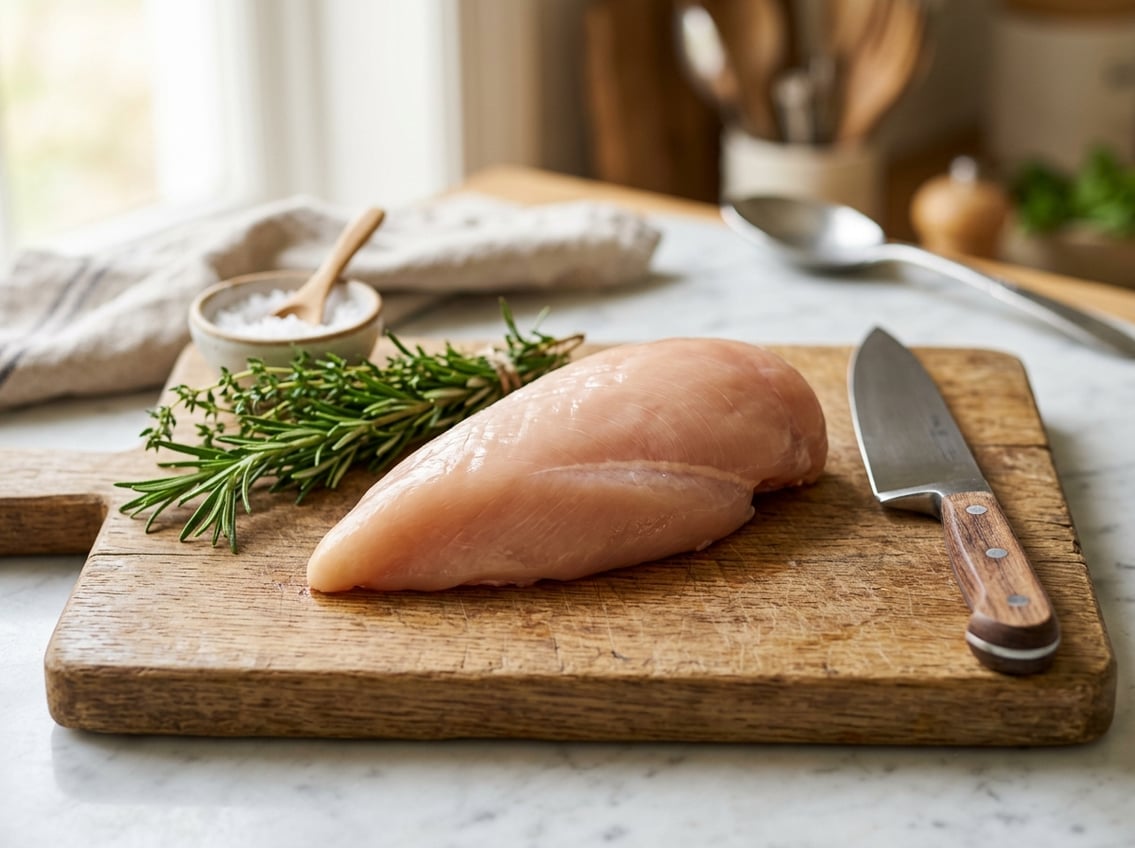
This label usually means you are buying a cleaner, more ready-to-cook piece of fresh chicken. You may still need to check it before cooking.
In U.S. stores, trimmed chicken breast often sits close to boneless skinless breasts. The words are not always identical.
The package may promise less prep work. You still need to inspect the meat for stray bits that processors did not remove.
What Shoppers Should Understand From the Label
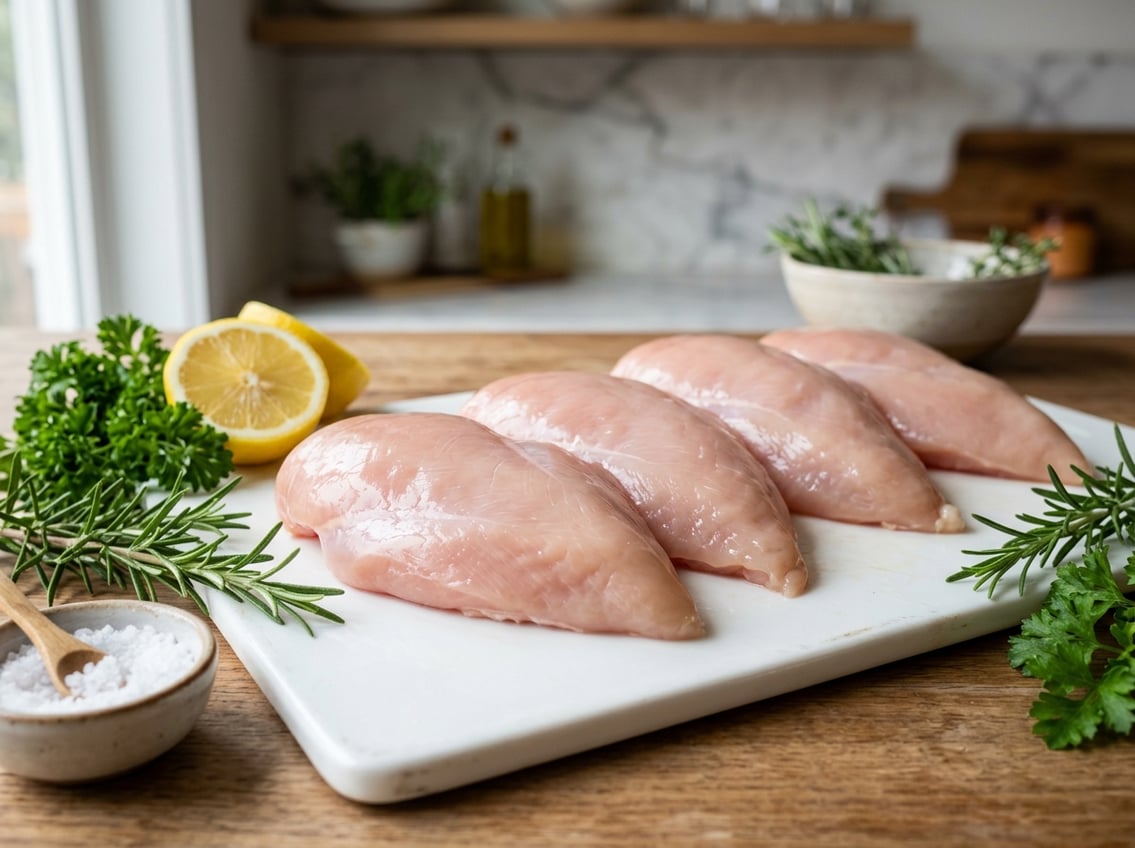
A label that says trimmed chicken breast usually means some of the work has already been done for you. The meat should have less visible waste than standard store cuts.
It is not always the same as a fully cleaned, ready-to-cook package.
What Usually Gets Removed Before Packaging
Processors remove loose skin, thick fat, cartilage, and tough connective tissue before packing the meat. Some brands also remove the small tenderloin strip or clean up the edges so the breast looks more uniform.
That makes the package easier to portion and cook. It also reduces the amount of cleanup you need to do at home.
How Trimmed Packs Differ From Standard Store Cuts
A standard package of fresh chicken breasts may include more uneven edges, extra fat, or tougher bits near the rib side. Trimmed chicken usually looks neater and more consistent from piece to piece.
You are still buying raw poultry, and the label does not guarantee a perfect shape or zero prep.
Why Some Packages Still Need Extra Prep at Home
Even when a package says trimmed chicken breast, you may still find small pieces of fat, cartilage, or tendon. That happens often with boneless skinless breasts, especially when processors cut the meat quickly for retail.
A quick at-home check helps both appearance and food safety. You can remove any remaining scraps before seasoning and cooking.
How to Inspect and Prep It Before Cooking
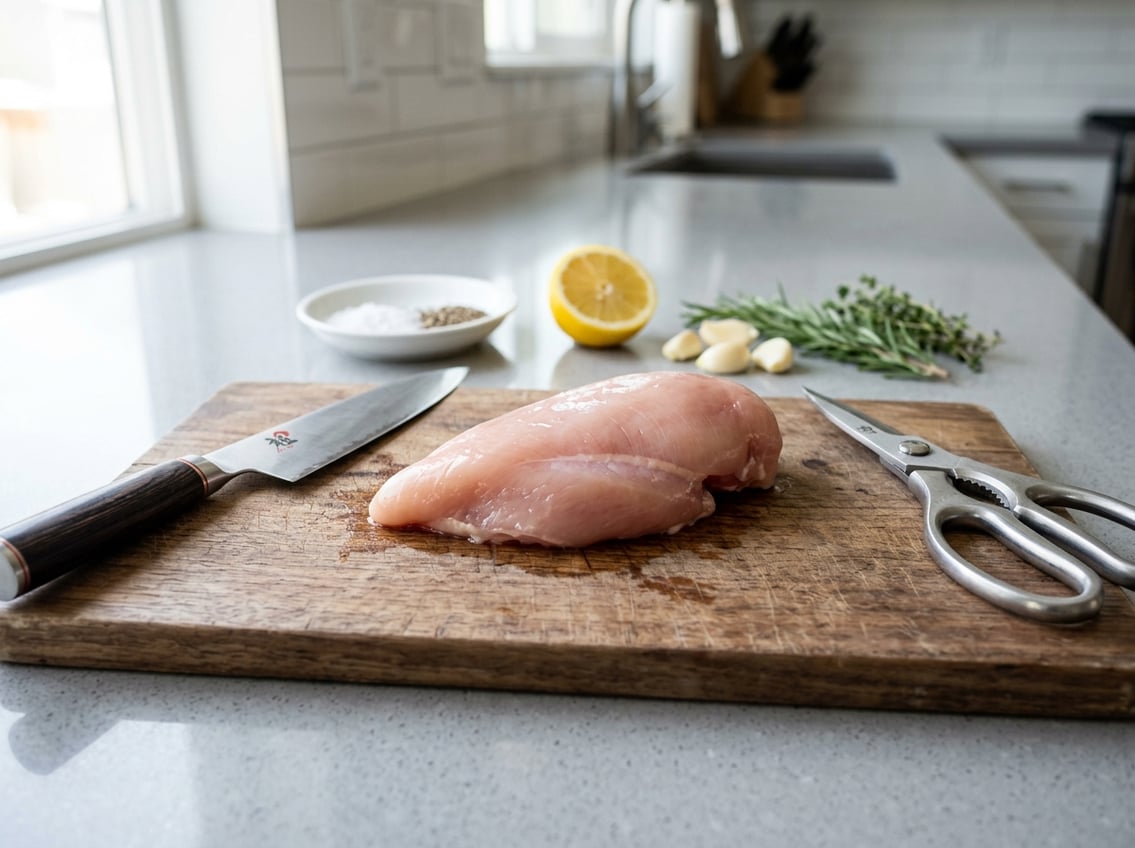
Good prep starts with a close look at the meat before you cook it. Remove only what does not belong, since cutting away too much can waste meat and make the breasts cook unevenly.
How to Trim Chicken Without Removing Too Much Meat
If you are learning how to trim chicken, start by locating the thin white or yellow bits along the edge. Slide the tip of a knife under the unwanted piece and lift it away with short, careful cuts.
Keep the blade close to the surface of the fat or connective tissue. A small, sharp knife gives you more control than a large blade.
Tools That Make Cleaner, Safer Prep Easier
A sharp boning knife or chef’s knife helps you work with fewer slips. Use a stable cutting board so raw poultry stays secure while you prep it.
Food safety matters every time you handle raw chicken. Keep the board, knife, and countertop clean, and wash your hands after touching the meat to reduce cross-contamination.
What to Look For in Fat, Tendons, and Cartilage
On trimmed chicken, the most common extras are thin fat deposits, pale tendons, and tiny cartilage pieces near the edges. Fat feels soft and slippery, while tendons look white and stringy.
If you see a rubbery strip or a hard bit that will not cook down well, trim it off. A little care at this stage gives you a cleaner bite and a more even result in the pan.
How Cutting Style Affects Texture and Cooking
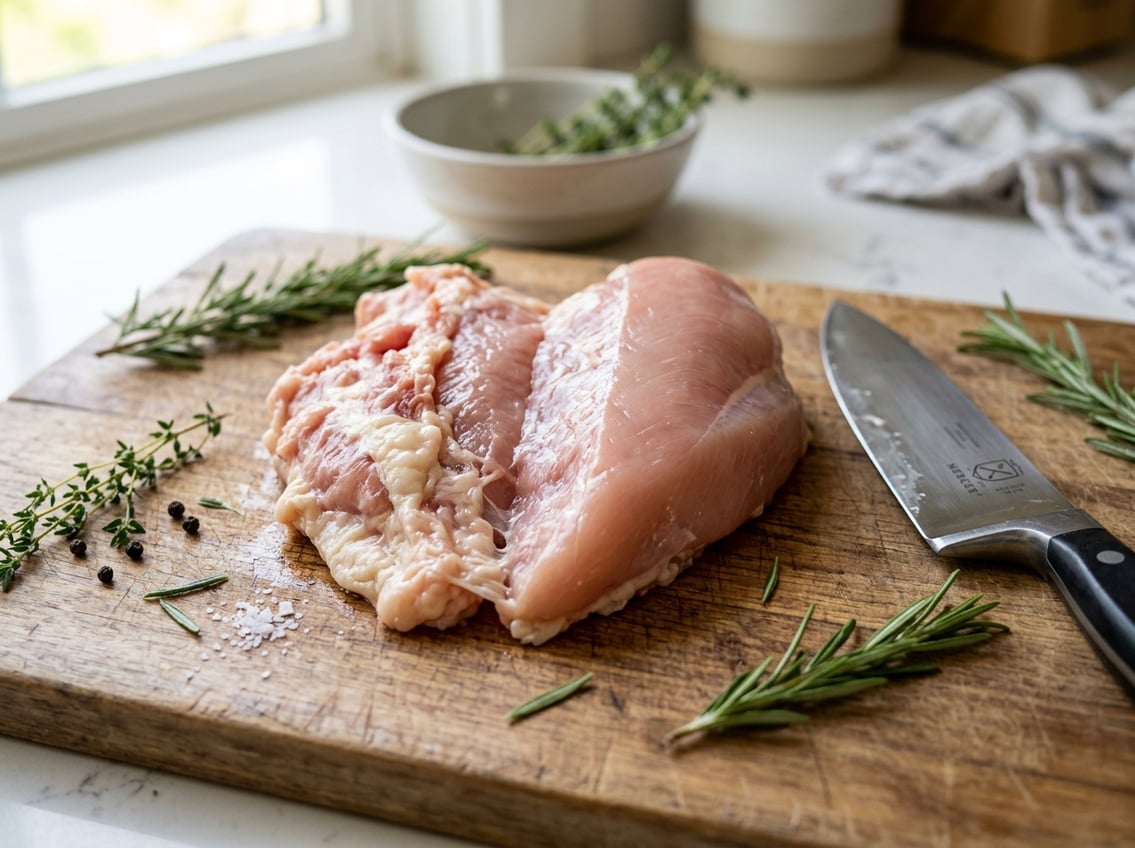
How you cut chicken breast changes how fast it cooks and how tender it feels. Thin, even pieces cook more quickly, while the direction of your cuts can affect how chewy the meat seems.
How to Cut a Chicken Breast for Different Recipes
If you want chicken breast for stir-fries, salads, pasta, or sandwiches, slice it into cutlets or strips. If you follow a recipe that calls for even portions, learning how to cut a chicken breast into similar sizes helps the pieces finish at the same time.
For faster cooking, many cooks thin the breast before seasoning. That helps when you are cutting chicken breast for skillet meals or quick baking.
Why You Should Cut Against the Grain
When you cut against the grain, you shorten the muscle fibers. That makes each bite feel less firm and easier to chew.
With larger trimmed chicken breast pieces, the grain is easy to see. Slice across those lines for a better texture.
How to Cut Chicken Breast Into Strips Evenly
To cut chicken breast into strips, lay the breast flat and steady it with your non-knife hand. Slice across the width of the meat in even strokes, aiming for similar thickness in each strip.
A sharp knife helps the strips stay clean and uniform. Consistent size matters for cooking.
When Pre-Trimmed Chicken Is Worth Buying
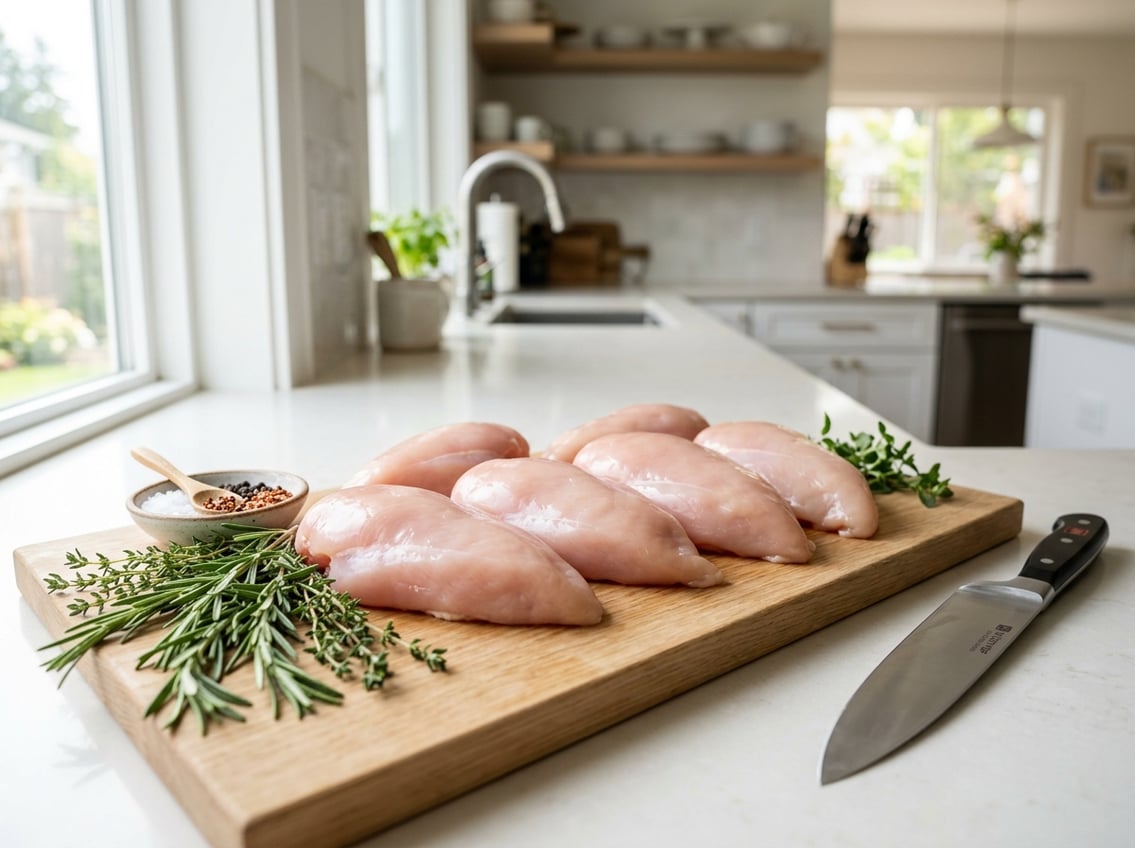
Pre-trimmed chicken makes sense when you want less prep and a cleaner-looking pack of meat. It costs more than doing the trimming yourself.
The value depends on your time, budget, and cooking style.
Convenience Versus Cost at the Grocery Store
If you buy boneless skinless breasts often, pre-trimmed packs can save time on busy nights. The tradeoff is price, since you pay extra for the trimming work.
For some shoppers, that extra cost is worth it. Others prefer buying fresh chicken in a larger pack and trimming it at home.
Best Uses for Ready-to-Cook Portions
Trimmed chicken is a good fit for quick dinners, meal prep, and recipes where neat pieces matter. It works well for cutlets, strips, baked breasts, and freezer portions.
It also helps when you want a more consistent look on the plate. Many grocery brands market hand-trimmed or extra-clean breasts, such as the trimmed and cleaned boneless breast described by Prestige Farms.
Storage, Handling, and Safe Meal Prep
Treat trimmed chicken breast like any other raw poultry. Keep it cold and store it in a sealed package.
Use chicken breast before the date on the label or freeze it promptly. Food safety remains important after purchase, even if the package looks neat and ready to cook.
Keep raw chicken separate from ready-to-eat foods. Clean all surfaces after you prepare chicken.


