
Is It Good to Eat Chicken Breast? Health Facts
You may ask, is it good to eat chicken breast on a regular basis? Many people in the U.S. say yes, because chicken breast is a simple, high-protein food that is naturally low in fat when you remove the skin and cook it in a healthy way.
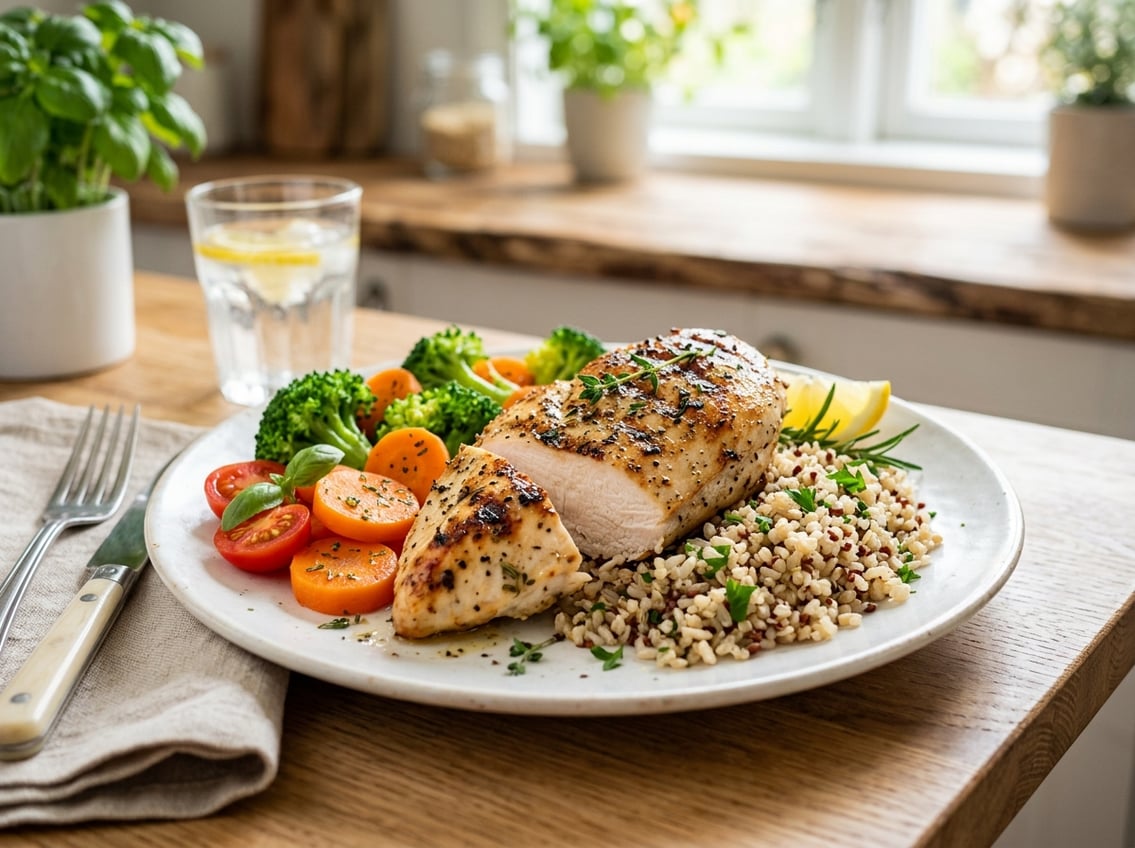
Chicken breast can be a smart choice when you want lean protein and steady fullness. It gives you useful nutrients, such as choline and vitamin B12, without much saturated fat.
The cut you choose, the skin, and the way you cook it all change the health impact. The details matter, especially if you are thinking about weight management, heart health, or daily protein intake.
What Makes Chicken Breast a Healthy Choice
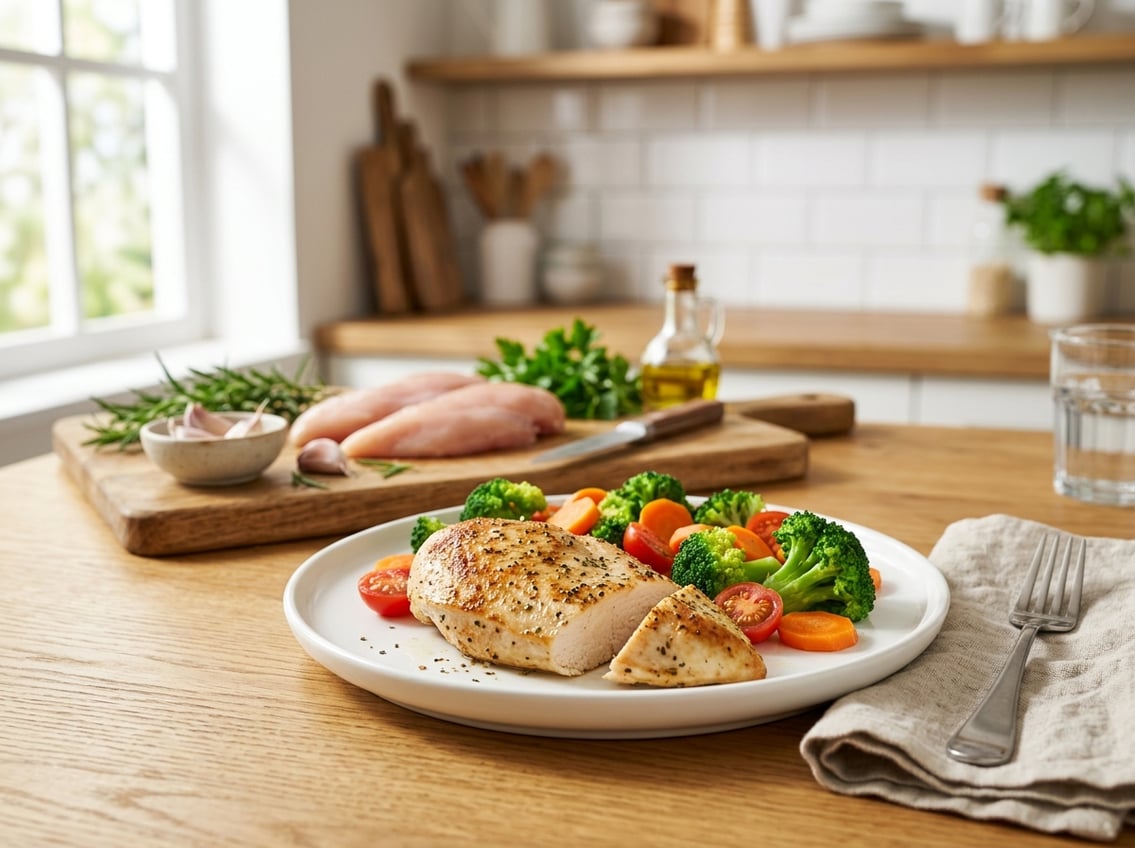
Chicken breast is popular because it delivers a lot of nutrition for relatively few calories. A skinless portion is especially helpful if you want lean protein with little fat.
Chicken Breast Nutrition at a Glance
A 3-ounce serving of cooked skinless chicken breast provides about 128 calories, 26 grams of protein, and 3 grams of fat, according to EatingWell’s chicken breast nutrition guide. It also contains small amounts of iron, plus nutrients such as choline, vitamin B12, zinc, and vitamin B6.
Protein supports muscle maintenance, while choline and vitamin B12 help with normal body functions. Chicken breast also gives you all the essential amino acids your body needs from food.
Why It Counts as a Lean Protein
Chicken breast is one of the leanest animal proteins you can eat. Since it has little fat, more of its calories come from protein.
It also makes portioning easier. If you aim for a reasonable amount of protein per meal, chicken breast can help you get there without adding a lot of extra calories or cholesterol.
How It Supports Weight Management and Fullness
Protein tends to be more filling than refined carbs or sugary foods. That can help you stay satisfied longer and may make weight management easier.
Chicken breast gives you a lot of protein in a compact serving. It works especially well when you pair it with vegetables, beans, whole grains, or fruit instead of heavy sauces.
When Chicken Breast Is Better Than Other Cuts
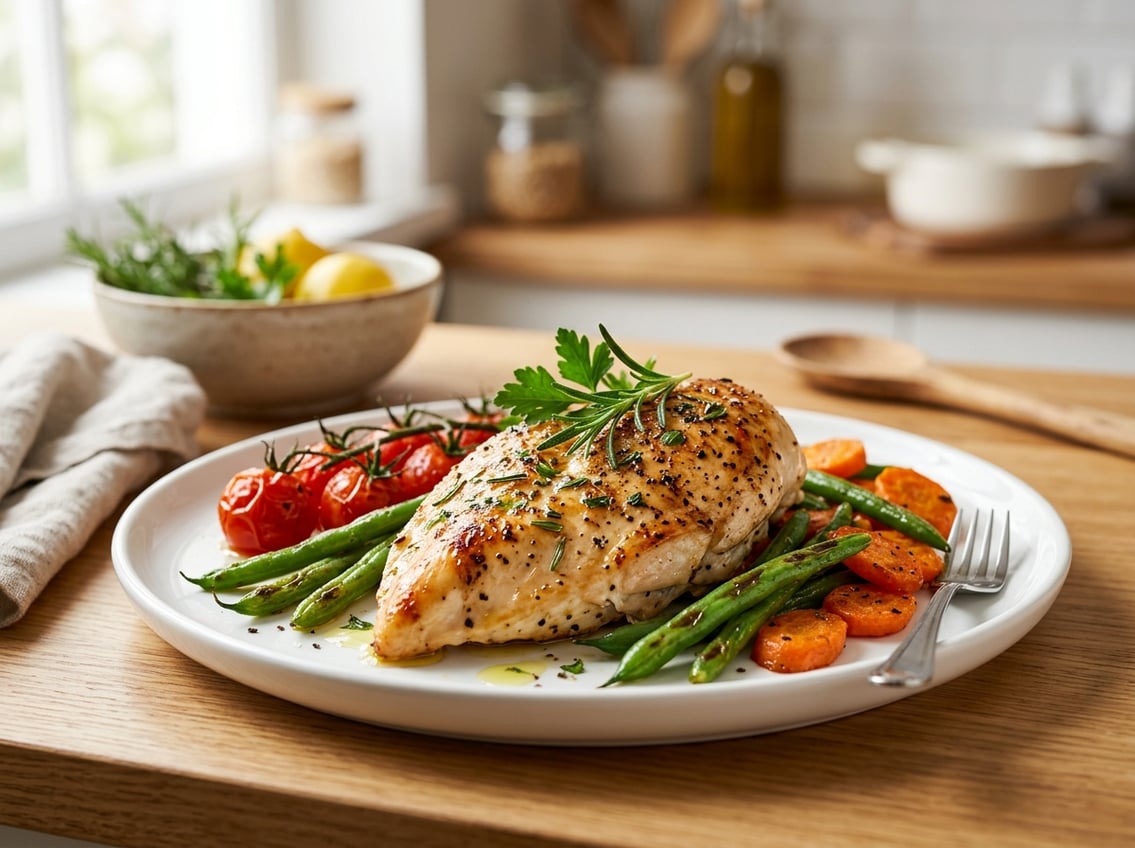
Chicken breast is often the better pick when you want the leanest cut, fewer calories, and lower fat. Other cuts can still fit into a healthy diet, especially when flavor, tenderness, or extra minerals matter more to you.
Chicken Breast vs Thigh and Dark Meat
Chicken breast usually has less fat and fewer calories than thigh, drumstick, and other dark meat cuts. Many people choose it for a lighter meal or to keep saturated fat lower.
Dark meat still offers plenty of protein, and many people prefer its richer taste and softer texture. If you are not trying to cut calories, thigh or drumstick can be useful parts of a balanced diet.
How Skin Changes Saturated Fat and Calories
The skin changes the nutrition profile more than many people expect. Skinless chicken breast is the leanest option, while skin-on chicken breast contains more fat and calories.
If you want to keep the meal lighter, remove the skin. That choice helps you reduce saturated fat without giving up the protein.
Where Iron and Zinc Make Other Cuts Useful
Other cuts of chicken, especially dark meat, can give you a bit more iron and zinc. Those minerals matter for energy use, immune function, and general nutrition.
If you want more iron or prefer a juicier cut, thigh or drumstick may be the better fit.
How Preparation Changes the Health Impact

How you cook chicken breast can change how healthy it is. Grilling, baking, and poaching keep it lighter, while frying and heavy sauces add fat and calories fast.
Grilled Chicken, Baked Chicken, and Fried Chicken Compared
Grilled and baked chicken breast usually keep the calorie count lower and preserve the lean profile. Boiled or poached chicken can also work well if you want minimal added fat.
Fried chicken is different. The breading and oil can raise both fat and calories, which makes it less heart friendly than a plain cooked breast.
Advanced Glycation End Products and High-Heat Cooking
Very high-heat cooking can create advanced glycation end products, or AGEs. These compounds form more easily when meat is cooked at high temperatures or charred.
Gentler cooking methods are a better choice if you want to limit extra compounds and keep the meal lighter.
Smarter Meal Ideas Like Chicken Soup and a Chicken Sandwich
Chicken soup can be a solid option if it uses lean chicken, vegetables, and a broth that is not too salty. A simple chicken sandwich can also work well if you choose whole grain bread, plenty of vegetables, and a light spread.
These meals keep the protein while avoiding the extra fat that often comes with fried or heavily sauced dishes.
How Much to Eat and How to Keep It Safe
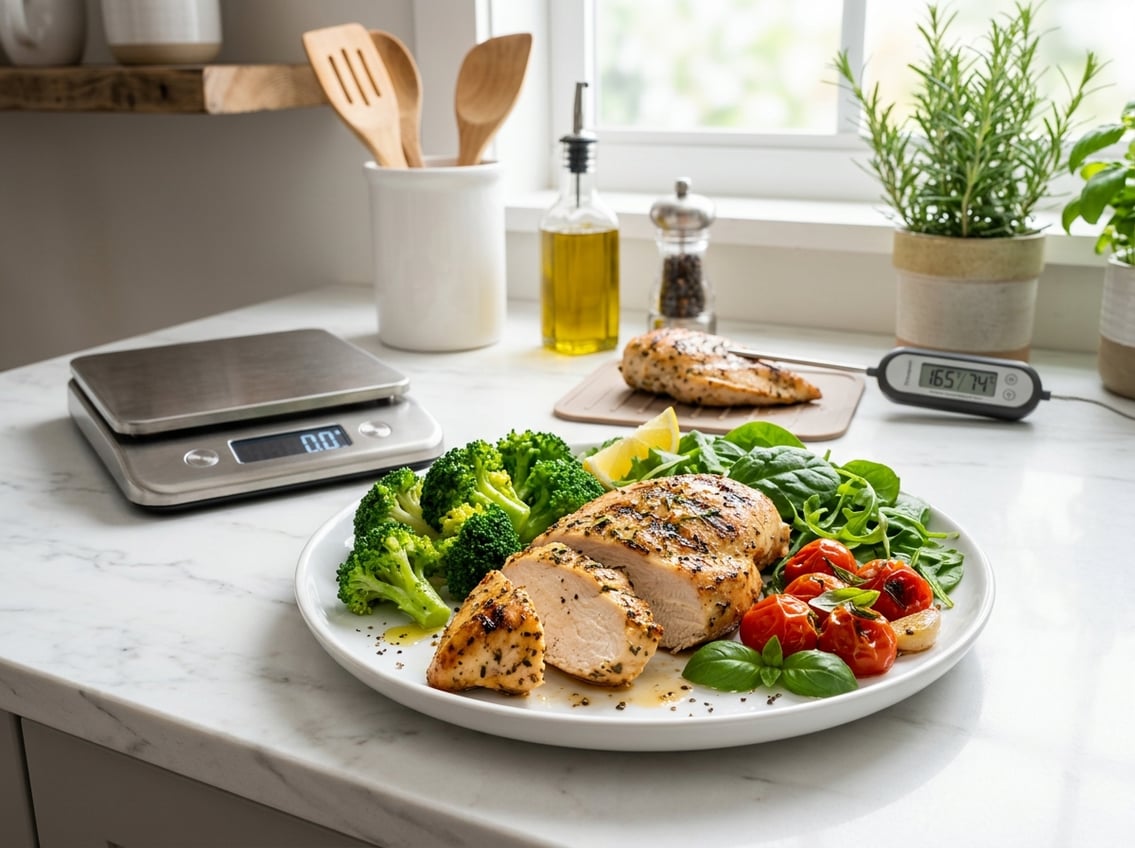
Chicken breast can fit into your day in a healthy way, even if you eat it often. The key is portion size, variety, and safe cooking.
Is Eating Chicken Breast Every Day a Good Idea
Eating chicken breast every day is not automatically a problem if the rest of your diet is varied. It can support weight management and protein goals, especially when you keep the skin off and avoid heavy breading or sugary sauces.
Variety matters. Rotating in fish, beans, eggs, tofu, yogurt, or other protein foods can help you cover more nutrients and keep meals more interesting.
Portion Size, Protein Targets, and Balanced Variety
A common serving is about 3 to 4 ounces cooked, which often gives you around 25 grams of protein. That can be close to a full protein per meal target for many adults, depending on body size and activity level.
If you eat larger portions, the calories rise quickly. A balanced plate with vegetables and fiber-rich foods can help you stay full without overdoing it.
Food Safety, Internal Temperature, and 165 Degrees F
Raw chicken can carry harmful bacteria. Handle it safely to avoid risks.
Cook chicken breast to an internal temperature of 165 degrees F. Let it rest briefly before eating.
Check the thickest part of the meat with a food thermometer. This helps you enjoy chicken with confidence.


