
What Is the Macros of Chicken Breast? Quick Nutrition Guide
Chicken breast macros are simple, which makes it a common choice for meal plans and macro tracking. In most cases, chicken breast gives you a high amount of protein with very little carbohydrate and a small amount of fat.
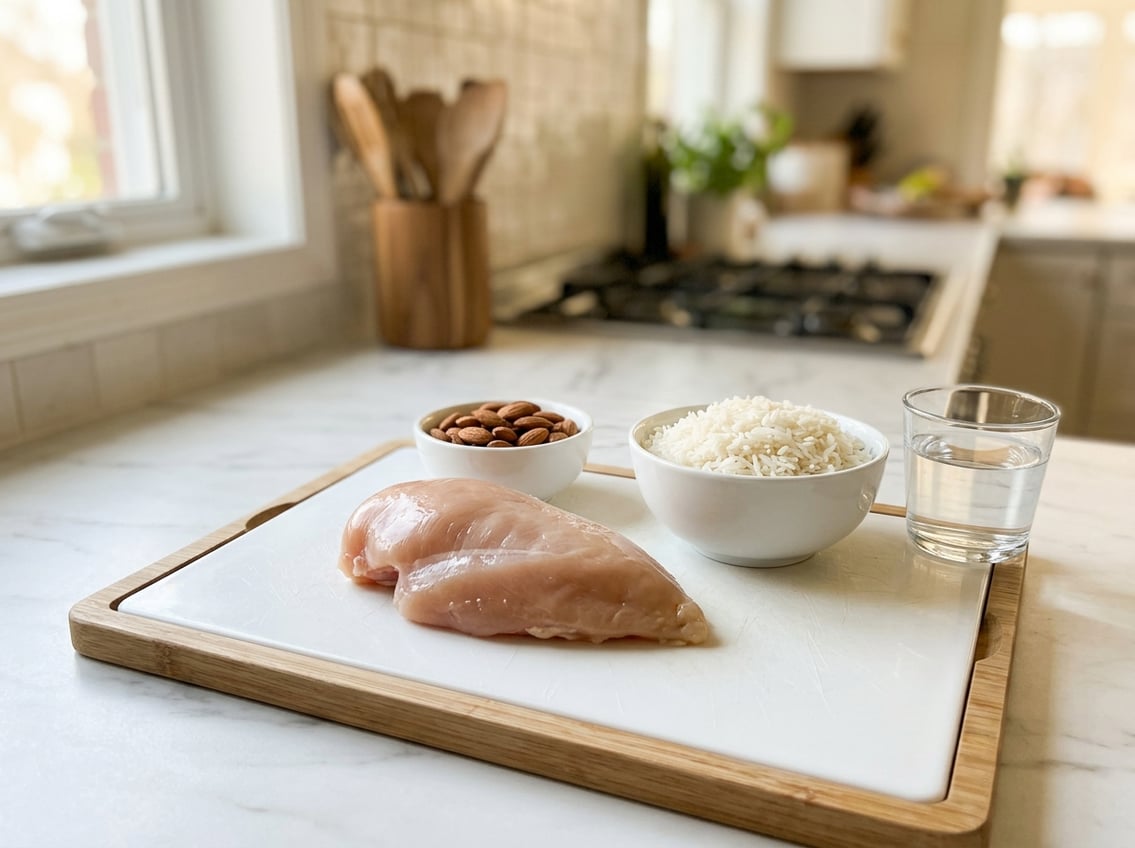
If you want a lean, high protein food that is easy to portion, chicken breast is one of the most practical options. The exact numbers change based on whether you weigh it raw or cooked, and whether it is skinless, boneless, or prepared with added fat.
Chicken breast nutrition changes with cooking method. A plain grilled or baked piece stays lean, while breading, frying, or keeping the skin on can raise the calories fast.
That makes it important to know what your serving size actually means before you log it.
Macro Breakdown by Serving Size

You can track chicken breast macros easily when you use a single reference point and stay consistent with raw or cooked weight. The values below are for boneless, skinless chicken breast, which is the most common standard for chicken breast nutrition facts.
For comparison, protein in chicken breast scales closely with weight, so even small serving changes matter when you are close to daily protein goals.
Protein, Calories, and Fat Per 100g
A 100g serving gives you a clear baseline for chicken breast nutrition.
| Serving | Calories | Protein | Fat | Carbs |
|---|---|---|---|---|
| 100g raw | 120 | 23g | 2.6g | 0g |
| 100g cooked | 165 | 31g | 3.6g | 0g |
Chicken breast offers high protein with very little fat and no carbs in a plain serving.
Common Portions Like 3 oz, 4 oz, 6 oz, and 8 oz
These are common serving sizes in the US:
| Serving | Calories | Protein | Fat | Carbs |
|---|---|---|---|---|
| 4 oz raw | 136 | 26g | 3g | 0g |
| 4 oz cooked | 187 | 35g | 4g | 0g |
| 6 oz raw | 204 | 39g | 4.4g | 0g |
| 6 oz cooked | 281 | 53g | 6g | 0g |
| 8 oz raw | 272 | 52g | 6g | 0g |
| 8 oz cooked | 374 | 70g | 8g | 0g |
A 3 oz cooked portion gives about 26g of protein, which is useful for a smaller meal.
How Chicken Breast Fits Daily Protein Intake
Chicken breast helps you hit daily protein goals because a single serving can cover a large share of one meal. A 4 to 6 oz portion is often enough for lunch or dinner if you want a high protein meal without much fat.
If you aim for 100g or more of protein per day, chicken breast makes that easier to reach without adding many calories.
What Changes the Numbers
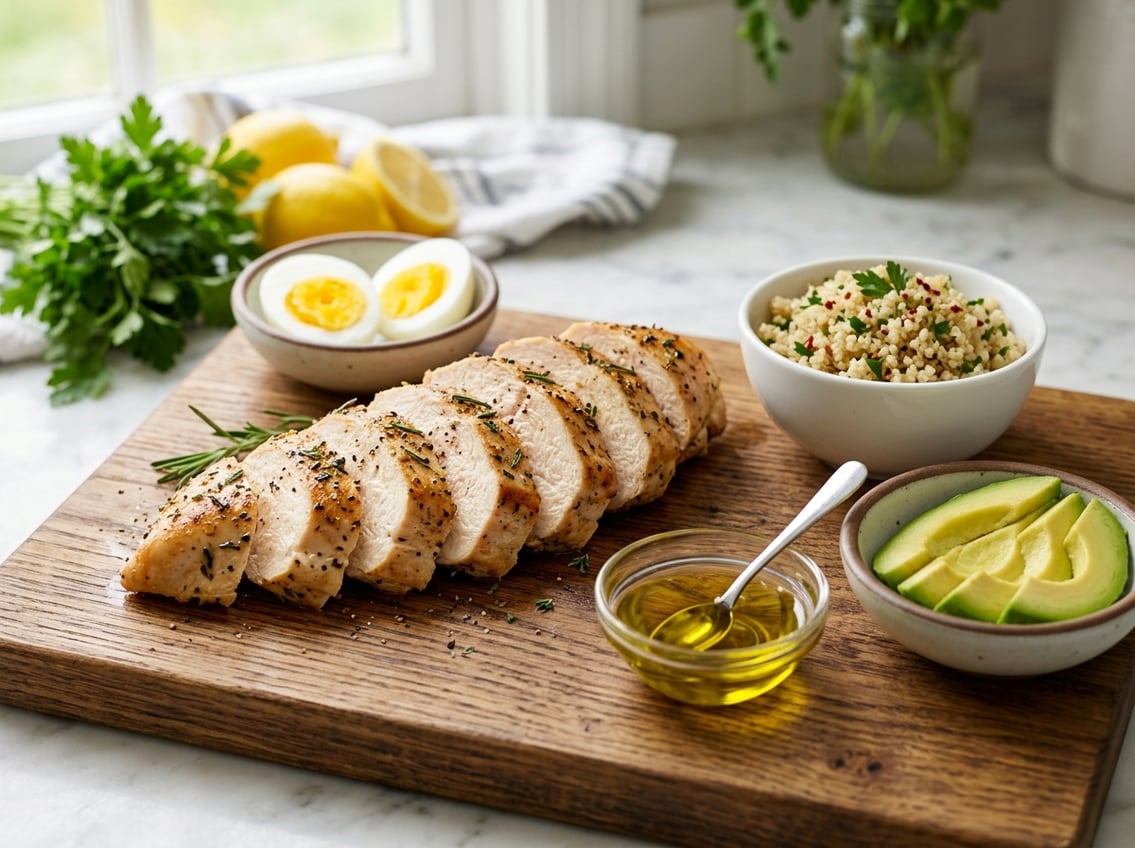
The numbers change when the weight includes water, bone, or skin. They also change when your chicken nutrition comes from a prepared product instead of plain chicken breast.
Raw and cooked weights are not interchangeable, even when the food started out the same.
Raw vs Cooked Weight
Raw chicken breast weighs more before cooking because it still holds water. As it cooks, water leaves the meat, so the cooked piece weighs less and the protein becomes more concentrated per ounce.
A 6 oz raw piece is not the same as 6 oz cooked. If your app entry says cooked and you weigh raw, your log will be off.
Boneless Skinless vs Bone-In and Skin-On
A boneless skinless chicken breast gives you the cleanest macro tracking. A bone-in chicken breast includes bone weight, so part of what you buy is not edible meat.
Skin also changes the nutrition facts. Skinless chicken breast stays much leaner, while skin-on chicken adds extra fat and calories.
Why Water Loss Concentrates Macros
Cooking does not create more protein, it just removes water. That is why protein per 100g is higher in cooked chicken than in raw chicken.
A good chicken breast macro guide, such as the complete nutrition guide for chicken breast macros, shows this shift clearly.
How Cooking Method Affects Nutrition
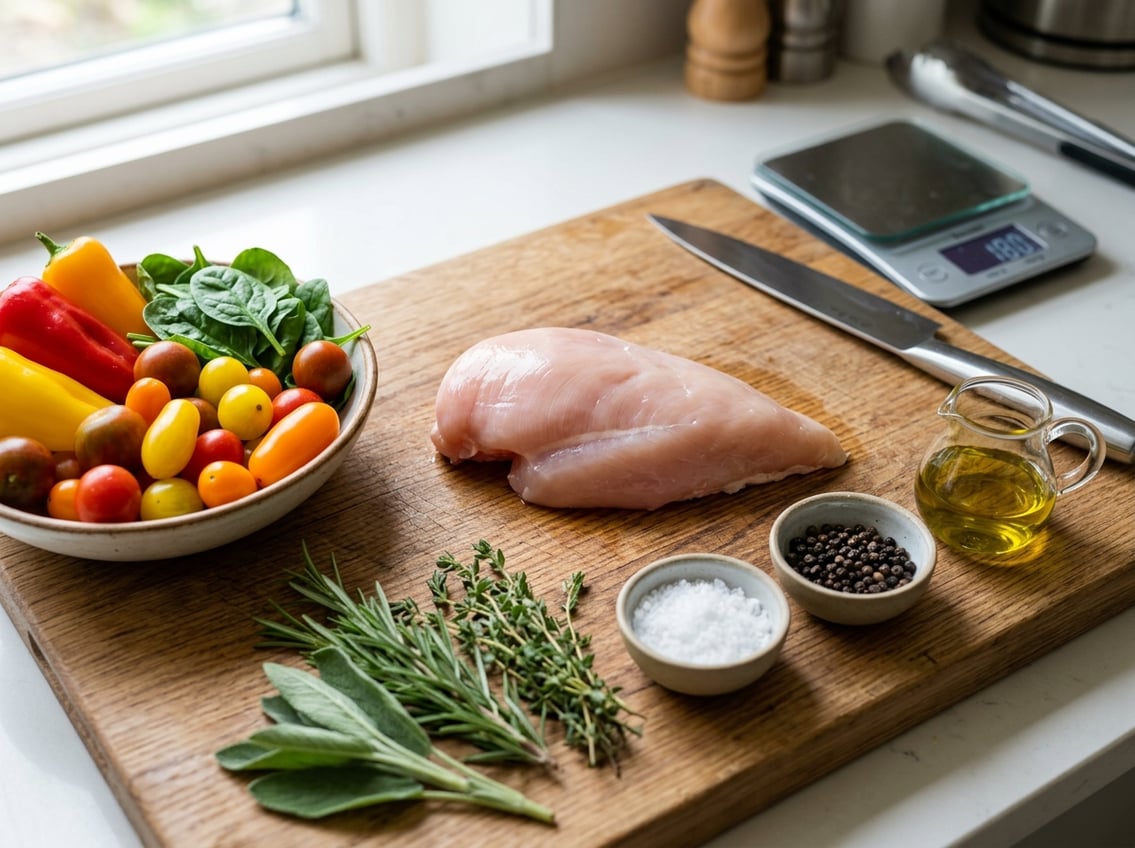
Cooking method changes calories in chicken breast more than many people expect. Plain heat keeps it lean, while breading, frying, and added oil raise the total fast.
If you want accurate chicken nutrition tracking, the cooking method matters as much as the cut.
Grilled and Baked Options
Grilled chicken and baked chicken breast are some of the cleanest ways to prepare it. When you do not add much oil or sauce, the macros stay close to the baseline values for plain chicken breast.
A simple grilled chicken breast is a dependable choice when you want high protein with lower calories in chicken. Baking works the same way if you keep the seasoning simple.
Breaded and Fried Versions
Breaded chicken and fried chicken are very different from plain chicken breast. The breading adds carbs, and frying adds more fat and calories.
The extra coating can turn a simple chicken breast into a much larger calorie source.
Added Oils, Fats, and Sodium to Watch
Added oil increases the fat count quickly, even if the chicken itself is lean. Oils contain mostly monounsaturated fats and polyunsaturated fats, which are not a problem in a balanced diet, yet they still add calories.
Seasonings, marinades, and pre-made chicken products can also raise sodium. If you track closely, check labels and log the full cooked item, not just the meat.
Protein Quality and Meal Planning Uses
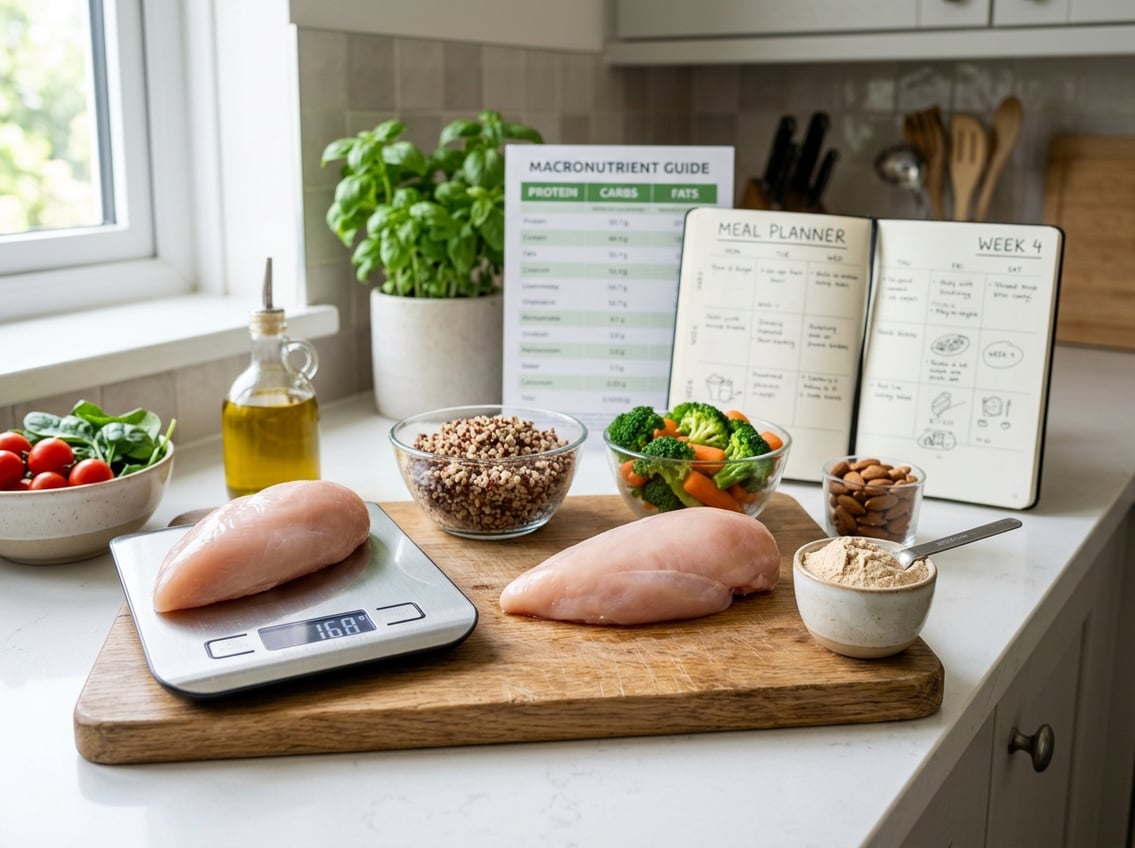
Chicken breast is popular not only because it is lean, but because the protein is complete. It gives you essential amino acids, which help support muscle repair and daily protein needs.
It also provides micronutrients like vitamin B12, which support energy metabolism and normal body function.
Essential Amino Acids and Key Micronutrients
Chicken breast gives you all the essential amino acids your body cannot make on its own. That is a major reason it is valued as a high protein food.
It also provides B vitamins, especially vitamin B12, along with other nutrients that support a balanced diet.
Using Chicken Breast in Everyday Meals
Chicken breast works in many meals, from a chicken Caesar salad to a chicken wrap. It also fits well next to rice, potatoes, vegetables, or pasta if you are building a full plate.
Grilled chicken breast is one of the easiest options for meal prep. You can cook several portions at once, then mix them into lunches and dinners during the week.
When Chicken Breast Is Best for Macro Tracking
Chicken breast works well when you want a predictable lean protein with minimal carbs and fat.
You can count it more easily than many mixed foods because the base macros stay stable with simple preparation.
If you want the most accurate log, weigh it raw and use the matching entry in your tracker.
That habit makes your chicken breast nutrition numbers much more reliable.


