
What Causes Chicken Breast to Be Woody? Key Reasons
Changes in how the muscle develops usually cause chicken breast to be woody, not anything you do at the stove.
When you cut into a woody chicken breast, the meat feels firm, dry, and fibrous. The texture is much tougher than normal chicken breasts.
A muscle defect linked to fast growth in modern broilers mainly causes woody breast. Fast growth can lead to hardened muscle fibers and a coarse, chewy texture.
The problem often starts before the chicken reaches your kitchen, especially in birds raised for rapid meat production.
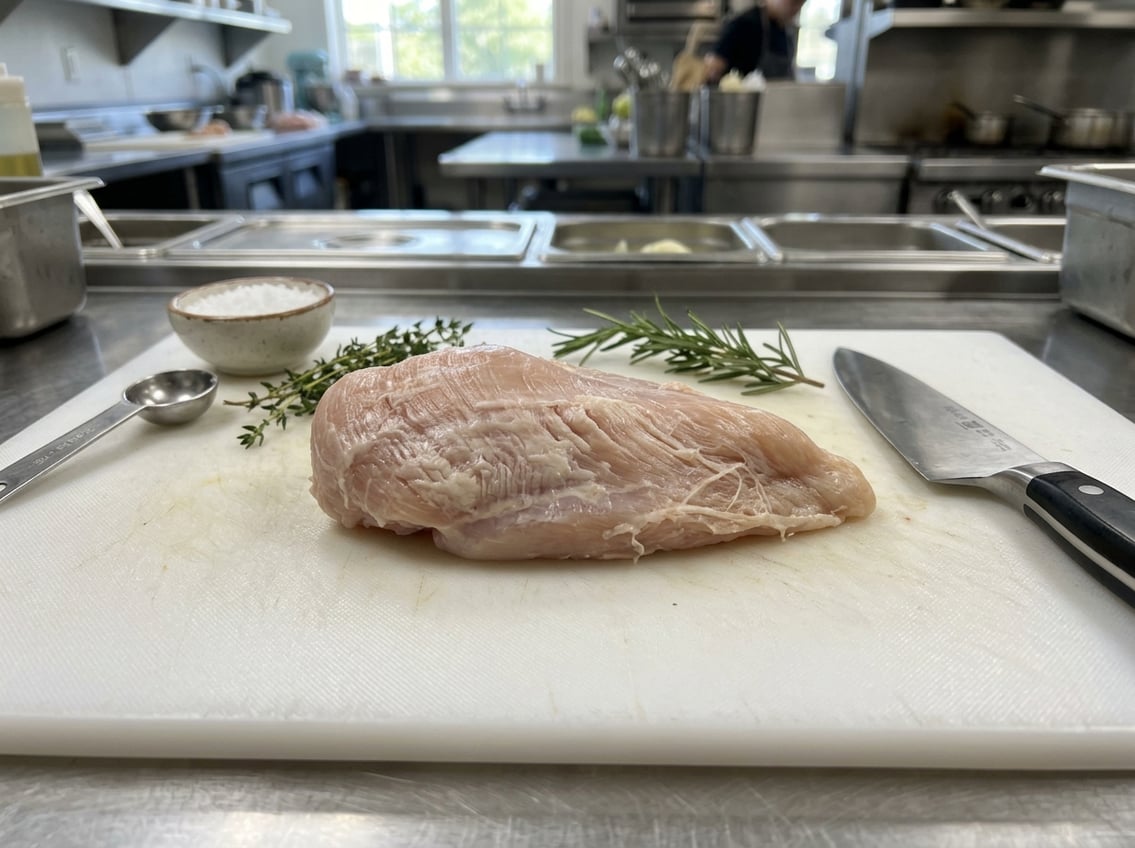
Woody breast syndrome is a known issue in the poultry industry. It can affect both raw and cooked chicken breast.
It is different from ordinary dryness or overcooking. Woody breast can show up even when you cook the meat carefully.
Main Drivers Behind the Tough Texture
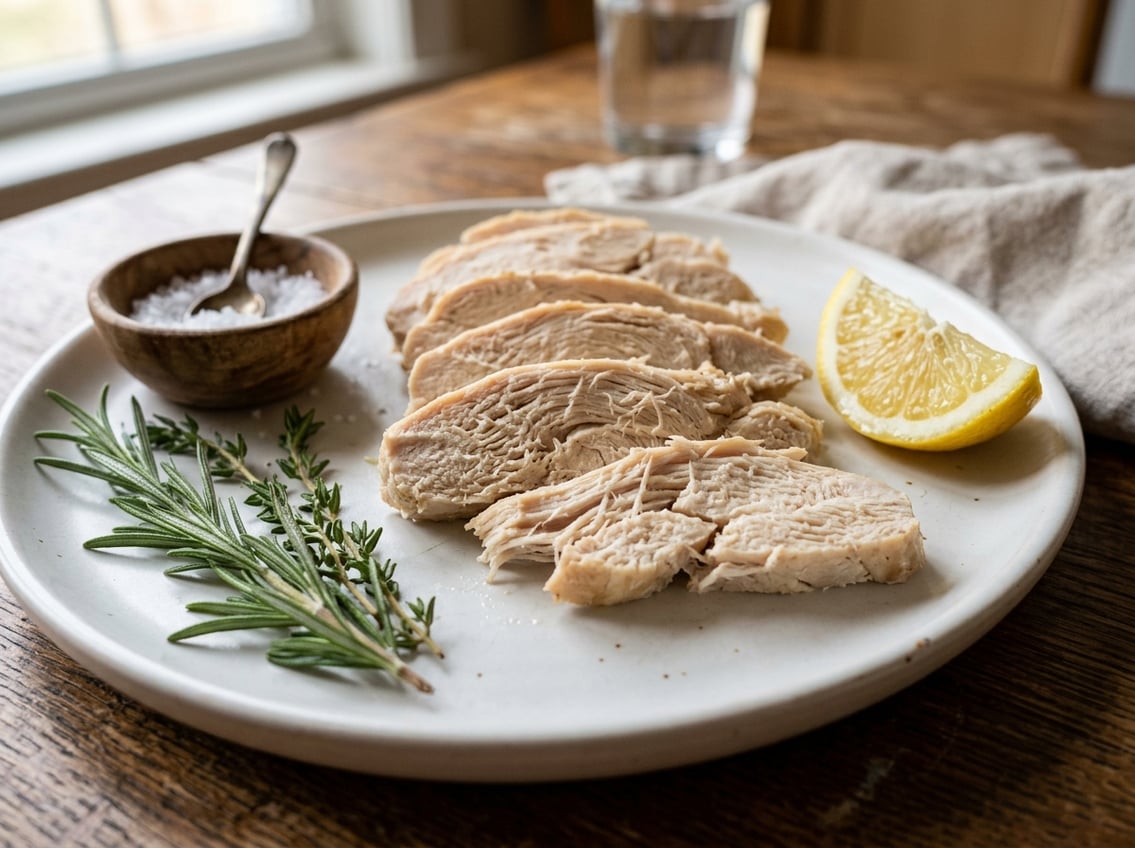
How broiler chickens grow and how their breast muscles develop are tied to the woody breast condition.
Researchers in poultry science, including those cited by the National Chicken Council, continue to study the exact cause, but several patterns keep showing up.
Rapid Growth Rates in Modern Broilers
Fast-growing broilers are more likely to develop woody breast. As birds gain breast muscle quickly, the tissue can outpace normal support and blood flow, adding stress to the muscle.
That stress makes woody breast more common in commercial broiler industry systems. Birds bred for size and speed show the problem more often than slower-growing types.
How Hardened Muscle Fibers Develop
When muscle grows too quickly, the fibers can become damaged or altered. Over time, this can lead to hardened muscle fibers, extra connective tissue, and a dense feel in the meat.
Dr. Casey Owens of the University of Arkansas explained that muscle development and stress during growth seem linked to woody breasts. This can change the meat’s structure.
Severe woody breast can feel much firmer and look paler than normal.
Why Larger Breasts Are Affected More Often
Larger breasts are affected more often because they place more demand on the muscle. Bigger birds are also more likely to show the condition, especially when they grow very quickly.
Chicken breasts are more likely to show the issue than thighs or wings. The breast muscle is simply the part most stressed by rapid size gain.
Why the Exact Cause Is Still Being Studied
Scientists have not settled on one single cause of woody breast. Growth rate, muscle stress, changes in protein, and possible shifts in fat and collagen inside the tissue all seem involved.
How to Recognize It and Similar Conditions
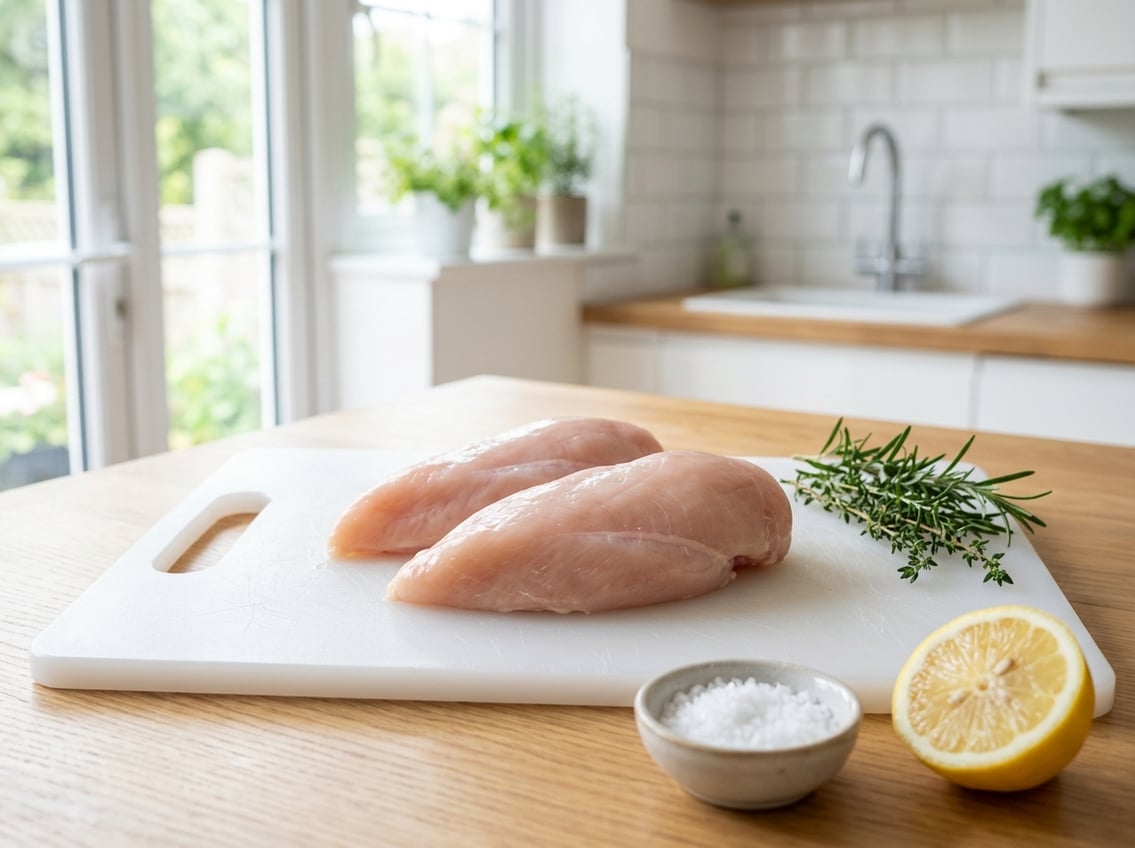
You can often identify woody chicken by touch and appearance before cooking. It can look similar to other quality issues, especially when chicken breasts are packaged and cold.
Raw Signs Shoppers Can Look For
Raw woody chicken breast often feels hard, thick, or unusually firm in the package. It may also look pale, less plump, or slightly distorted compared with normal chicken breasts.
If you press the meat and it feels rigid instead of springy, that is a warning sign. Frozen pieces are harder to judge until thawed.
How It Feels and Tastes After Cooking
After cooking, woody chicken breast stays chewy, dense, and dry even if you do not overcook it. The texture can seem stringy or rubbery, and the meat may not break apart easily.
The taste is usually plain or muted because the texture dominates the eating experience.
Severe woody breast can make a normally tender cut feel much more like tough roast meat.
Woody Breast vs White Striping
Woody breast is not the same as white striping. White striping shows up as white lines of fat running through the meat, while woody breast is mainly about firmness and a coarse texture.
The two can appear together, which makes the chicken look even less appealing.
A bird may have one condition, the other, or both.
When Spaghetti Meat Shows Up Too
Spaghetti meat is another breast issue, and it makes the muscle fibers separate into loose strands.
It can show up with woody chicken breast or on its own.
If the breast looks stringy and falls apart in a weak, soft way, that points more toward spaghetti meat than woody breast. If it feels hard and compact, woody breast is the more likely problem.
What It Means for Buying, Cooking, and the Industry
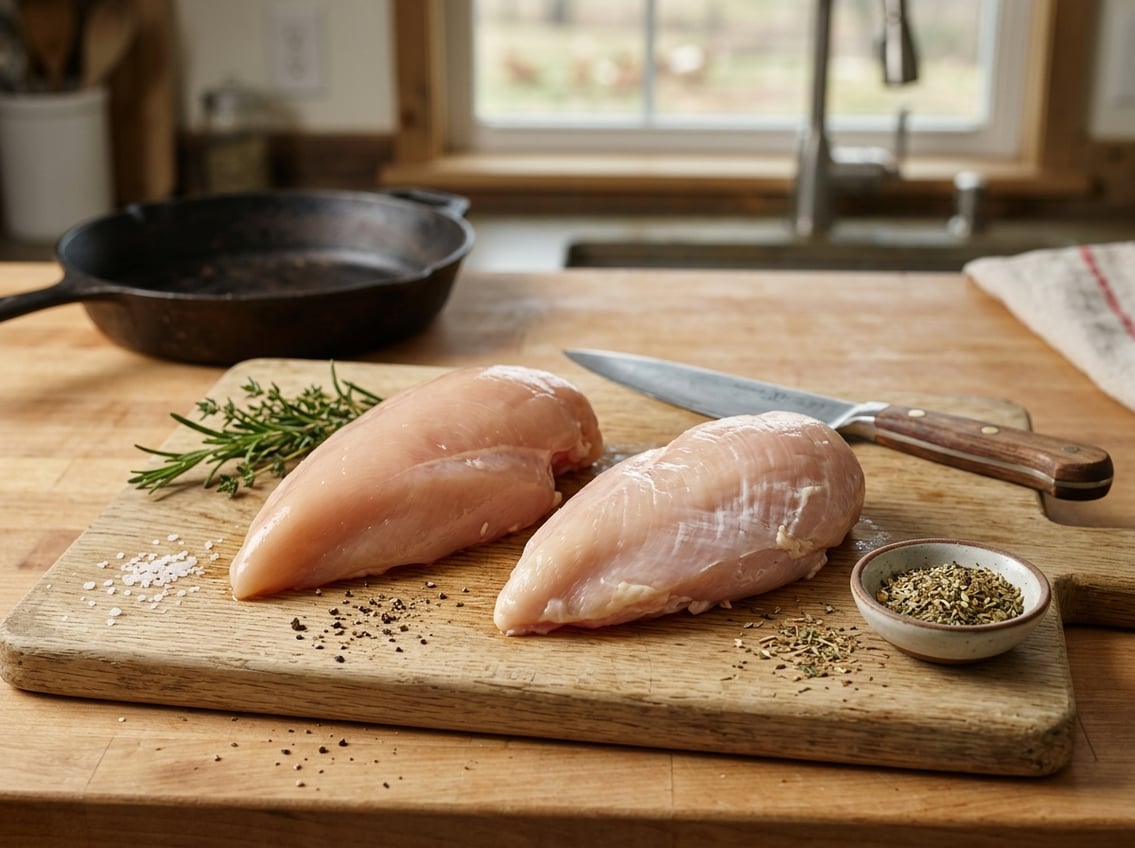
Woody chicken is not unsafe to eat, but the texture can make it unpleasant. That matters when you want to avoid buying woody chicken, choose better cuts, or make a meal turn out well.
Is Woody Chicken Safe to Eat
Woody breast is mainly a quality issue, not a safety issue. The meat can still be cooked and eaten if it has been handled and stored safely.
A woody chicken breast can be dry, tough, and less enjoyable than a normal one.
How to Avoid Buying Woody Chicken
You can reduce the chance of getting woody chicken by choosing smaller chicken breasts and checking the package for very hard, bulky meat.
When possible, feel the breast through the package and look for a pink, firm, plump appearance.
Some shoppers prefer organic chicken or free-range chicken because those birds may be smaller and less likely to show the issue. That is not a guarantee, but organic chicken breasts may be less likely to disappoint on texture.
Why Smaller and Alternative Cuts May Help
Smaller chicken breasts often give you a better chance of avoiding woody texture.
If you want a different option, chicken thighs are usually more forgiving because they have more fat and a different muscle structure.
Ground chicken can also be a practical choice if you are flexible with the meal. For example, a dish that uses ground chicken can hide texture problems because the form matters.
Why Producers Care About Economic Losses
The broiler industry cares because woody breast creates economic losses through waste, sorting, and customer complaints.
Marketplace recently estimated the annual cost at about $200 million.
This pressure drives producers to invest in sorting systems and breeding research.
Reducing woody breast incidence helps protect both product quality and profit.


