
Is Chicken Breast Same as Tenderloin? Key Differences
Is chicken breast same as tenderloin? Not exactly, even though both come from the same part of the bird and both count as white meat.
You will often see them used in similar recipes, yet they differ in size, shape, cut location, cooking speed, and the way they behave in the pan or oven.
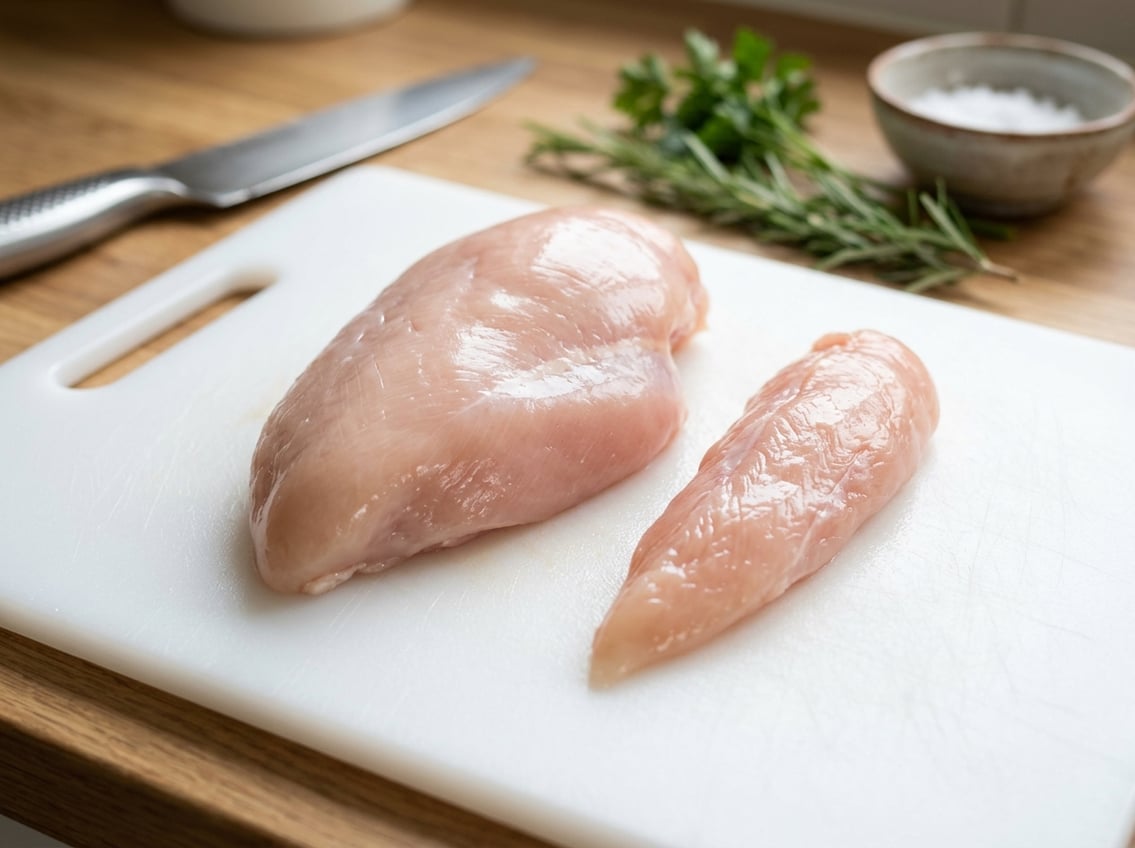
Chicken breast and chicken tenderloin are related cuts, not the same cut. The difference matters most when you choose a cooking method or portion size.
If you pick the wrong one, a recipe can turn out too dry, too small, or cooked unevenly.
Chicken breast is the larger, more common cut. Chicken tenderloin is the smaller strip that sits beneath it and is often sold separately as chicken tenders or chicken tenderloin.
Both are lean protein choices, so the better option depends on how you plan to cook them and how much food you want on the plate.
How the Two Cuts Are Different
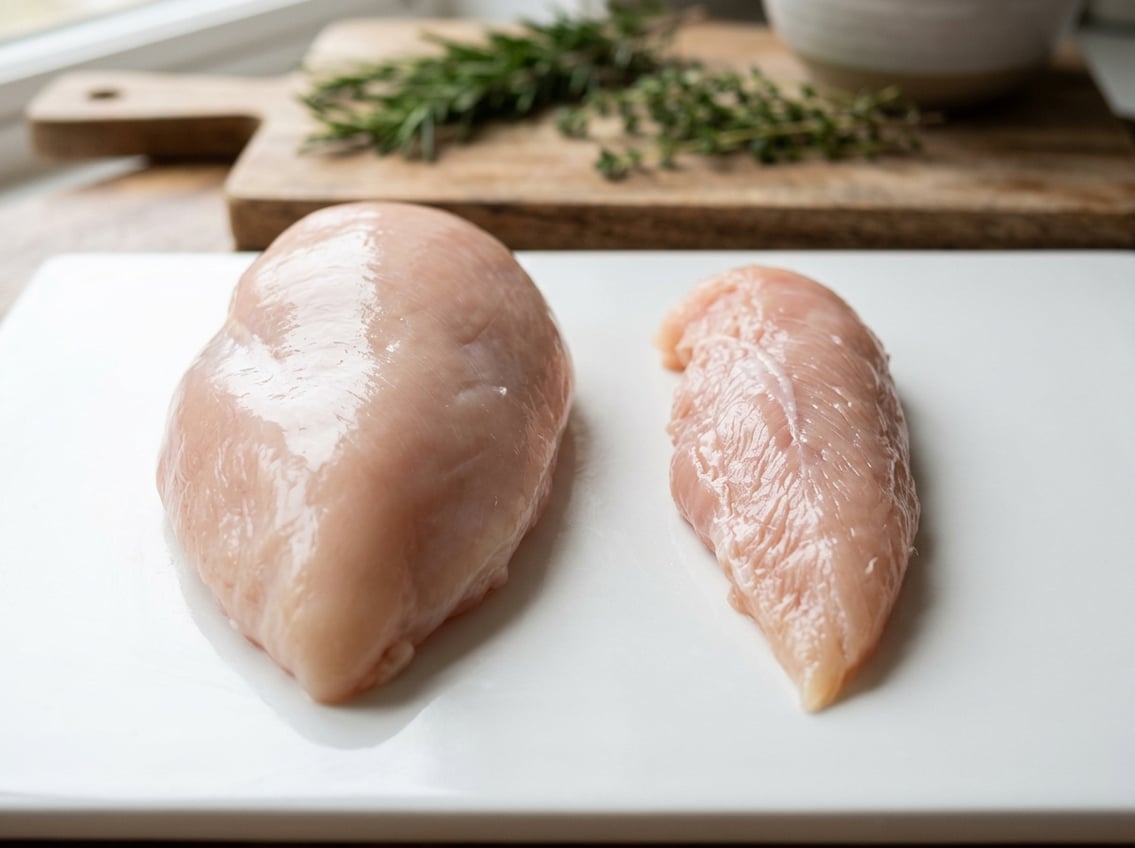
Chicken breasts and chicken tenderloins share a mild flavor, yet they do not behave the same in the kitchen.
The biggest differences come from where each cut comes from, plus the size and texture you get after cooking.
Where Each Cut Comes From on the Chicken
The pectoralis major, the large breast muscle on the underside of the chicken, gives us chicken breast. The pectoralis minor, a smaller strip that sits beneath the breast and is attached by a thin tendon, gives us chicken tenderloin.
That placement affects both shape and use. The breast is a main muscle and is sold as a larger cut.
The tenderloin is a small strip that is often removed and packaged on its own.
Size, Shape, and Appearance
Chicken breasts are larger, thicker, and plumper. Chicken tenderloins are narrower, thinner, and more delicate, so they cook faster.
The visual difference is easy to spot in the store. Breast meat usually comes as a broad piece.
Chicken tenderloins look like long, slim strips. When a package says chicken tender or chicken tenders, it usually refers to these tenderloin strips, not breaded fast-food chicken tenders.
Taste and Texture in Real Cooking
Both cuts have a mild flavor profile, so the taste is close. The main difference is texture.
Chicken tenderloin has a naturally tender texture. Chicken breast can stay juicy and tender if you avoid overcooking it.
In practice, tenderloins feel softer and work well in quick-cooking dishes. Breasts hold their shape better in larger portions.
They are a better fit for grilled chicken breast, baked chicken, and recipes that need a full piece of meat.
Nutrition and Health Tradeoffs
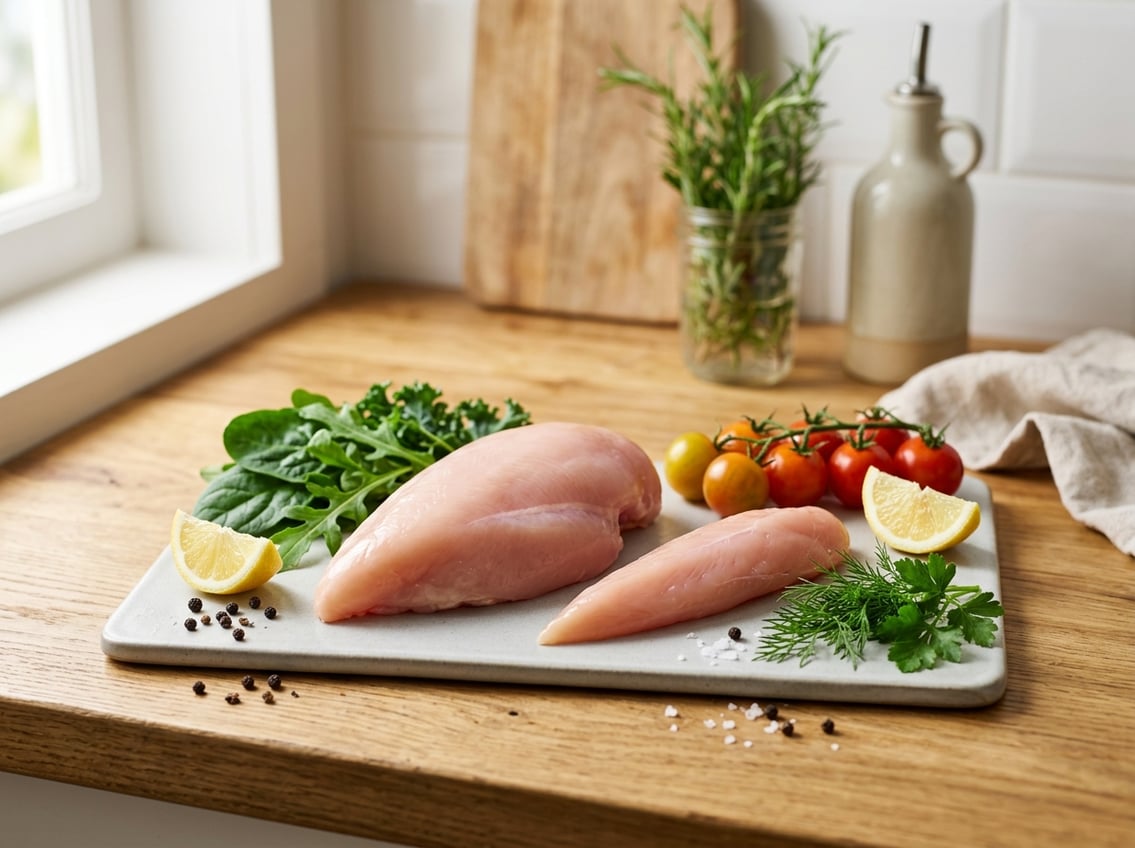
Both cuts are lean protein choices and fit many healthy eating plans.
Your main nutritional tradeoffs come from portion size, added ingredients, and how you cook them.
Protein, Calories, and Fat Comparison
Chicken breast is a classic lean cut with a strong protein-to-fat ratio. Chicken tenderloin is also a lean protein, and the numbers are usually close enough that either cut can work well for high-protein meals.
The bigger difference is portion size. A chicken breast usually gives you more meat per piece.
Tenderloins are smaller and easier to portion into strips. If you want a larger serving with fewer pieces, breast is the easier choice.
Sodium Content and What It Means
Plain chicken breast and plain chicken tenderloin are naturally low in sodium.
The sodium content changes when you buy pre-seasoned, marinated, or breaded versions.
Many store-bought chicken products, especially chicken strips and fried chicken items, can contain much more sodium than raw chicken.
If you want tighter control over salt, choose plain cuts and season them yourself with simple seasoning or by marinating chicken at home.
Vitamins, Minerals, and Health Benefits
Both cuts fit a balanced diet because they provide high-quality protein and useful vitamins and minerals.
Chicken breast is often noted for its nutritional profile, including vitamin B6, which supports energy metabolism and normal body function.
Since both are white meat, they are popular for health benefits like high protein with relatively low fat.
The healthiest choice still depends on the full meal, including sauces, breading, and sides.
Best Cooking Uses for Each Cut
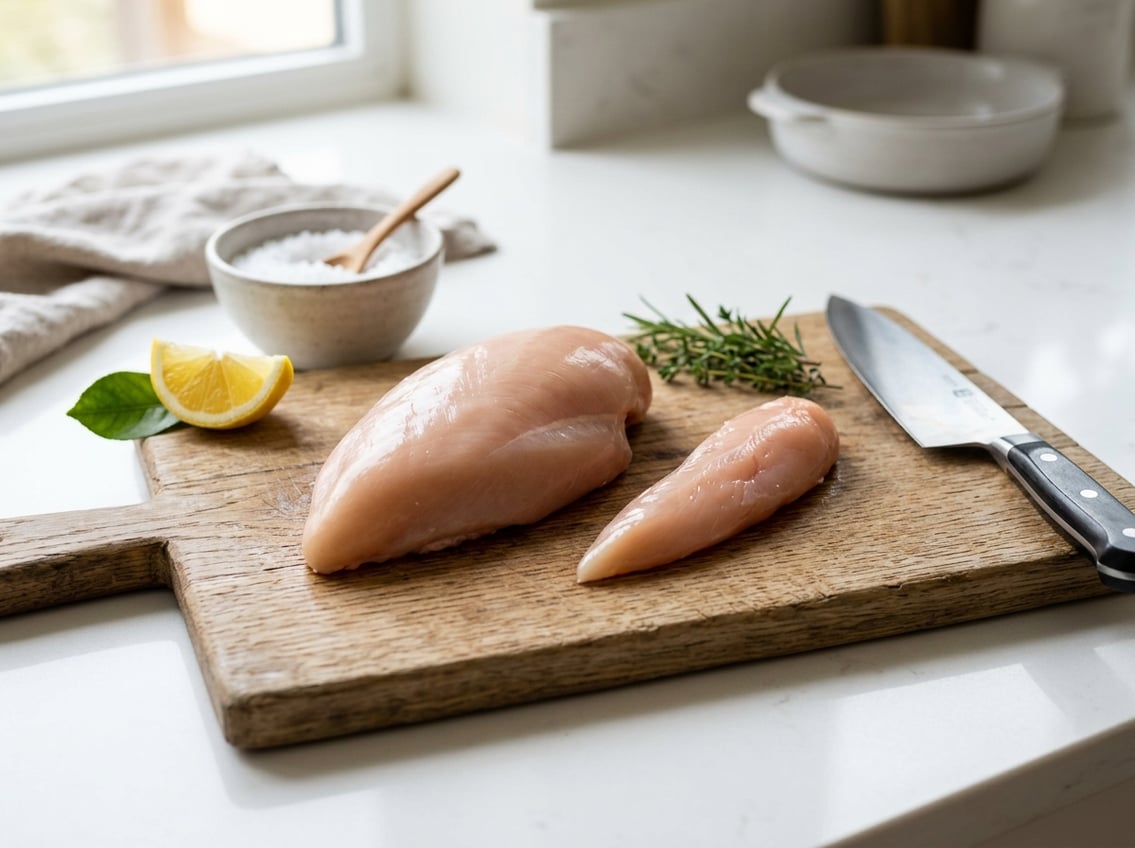
The best cut depends on your cooking methods and how much time you have.
Breast works well when you need a bigger portion, while tenderloin shines in fast meals that need little prep.
When Breast Works Better for Bigger Portions
Chicken breasts are a strong choice for grilling, roasting, steaming, and baked chicken recipes.
Their larger size makes them better for meal prepping, chicken salads, and sandwiches where you want a full piece of meat.
They also handle sliced or chopped uses well, such as stir-fries, soups, and grilled chicken plates.
For thicker cuts, pound the breast to an even thickness to help it cook more evenly.
When Tenderloin Is Better for Fast Meals
Chicken tenderloins are ideal for quick-cooking methods like searing, grilling, or frying.
Their shape makes them easy to use in stir-fried chicken, chicken fingers, and chicken strips without much trimming.
They also work well with simple seasoning because they cook fast and stay tender.
If you want a fast dinner with minimal prep, tenderloins are a practical choice.
How to Swap One Cut for the Other
You can often swap them in recipes that use bite-size pieces, such as stir-fries, soups, and salads.
If a recipe calls for tenderloins and you only have breasts, slice the breast into strips or smaller pieces.
For grilling or roasting, the swap is less direct because breasts are thicker and cook more slowly.
If you use breast meat in place of tenderloins, adjust the cooking time and check the center carefully so the meat does not dry out.
Recipe Ideas and Buying Tips
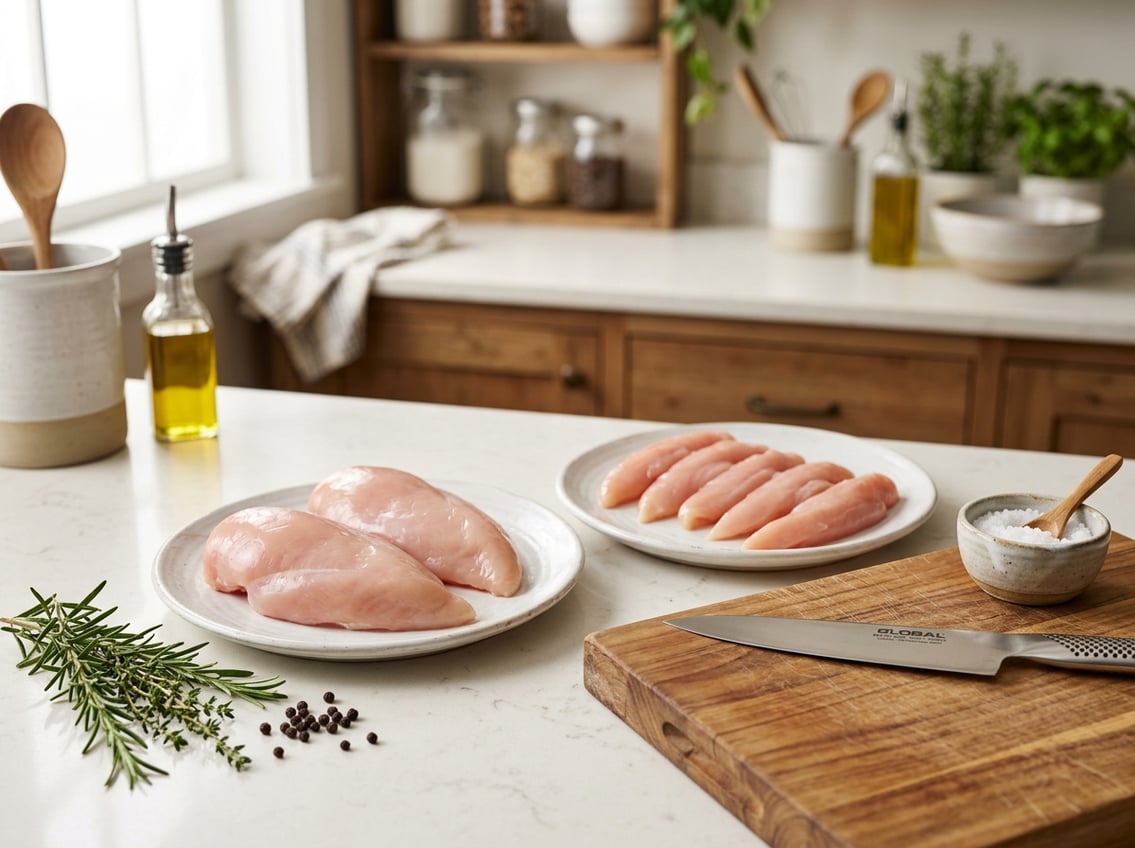
Your best recipe choice depends on the shape of the cut and how much prep you want to do.
Breasts work best in larger, structured dishes, while tenderloins fit fast, simple meals.
Best Dishes for Chicken Breast
Chicken breast recipes often work best when you want a full serving of meat.
Good options include chicken parmesan, grilled chicken breast, roasted chicken, and sliced chicken for salads or sandwiches.
Breast meat also suits chicken cutlets when you pound it thin.
That makes it useful for quick pan-fried dishes that still need a larger piece.
Best Dishes for Tenderloins
Chicken tenderloin recipes are a strong fit for easy weeknight meals.
They are ideal for easy chicken tenderloin recipes like baked chicken tenders, chicken fingers, chicken strips, and skillet meals.
Their small size also works well for quick marinades and fast cooking.
If you want a short path from fridge to table, tenderloin is usually the simpler choice.
What to Look for at the Store
Look for plain, firm meat with a clean smell and even color.
You can usually find chicken breasts easily. Stores may sell tenderloins separately or include them in a pack of breasts.
Check the label for terms like chicken tenderloin, chicken tenders, or chicken tender. See if it is raw meat or a breaded product.
Choose the cut that matches your recipe. Adjust the cooking time based on its size.


