
When to Freeze Chicken Breast for Best Quality
When you freeze chicken breast at the right time, you protect both safety and texture. Freezing it while fresh keeps flavor, juiciness, and structure for later meals.
Freeze chicken breast while it is still within the safe refrigerator window, before any odor, slime, or dull color appears, and while the package feels cold all the way through. If you already cooked it, freeze it soon after cooling for best results.
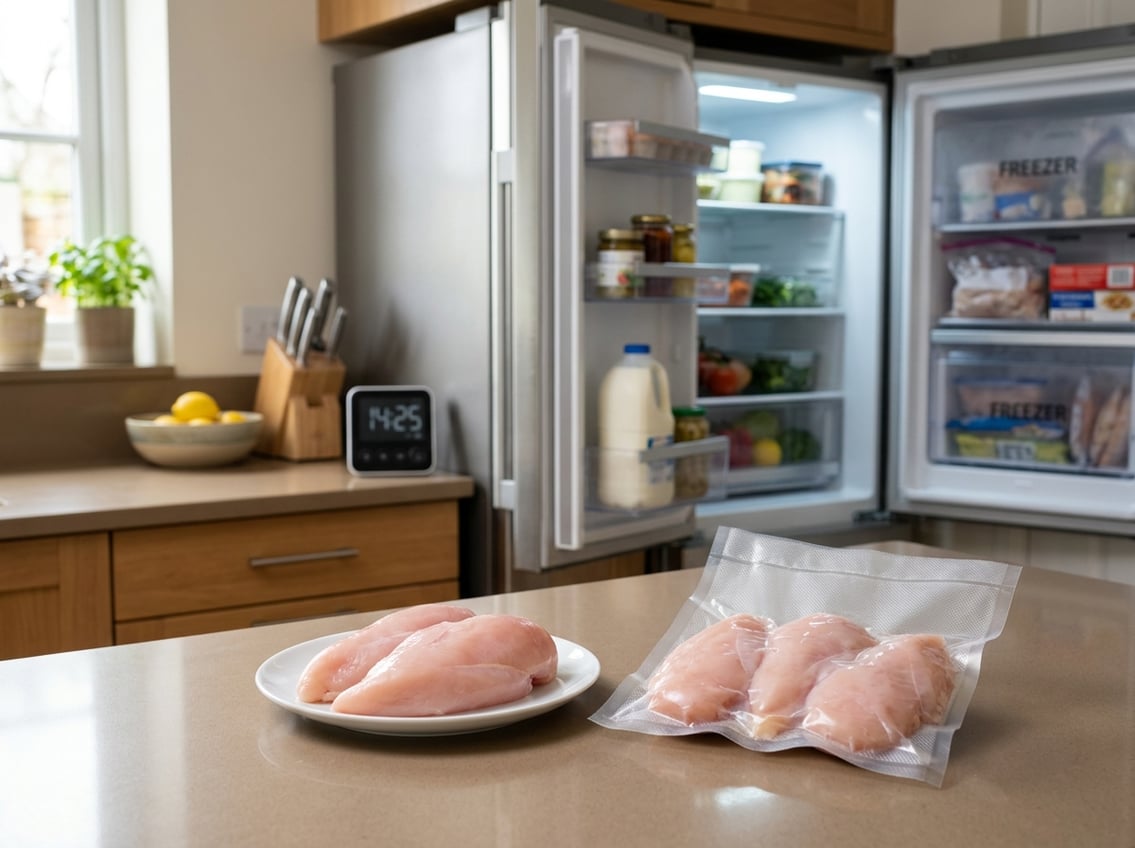
You can freeze both raw and cooked chicken if you pack it the right way. Good timing, tight packaging, and a steady freezer temperature help most.
Best Time to Freeze for Freshness and Safety
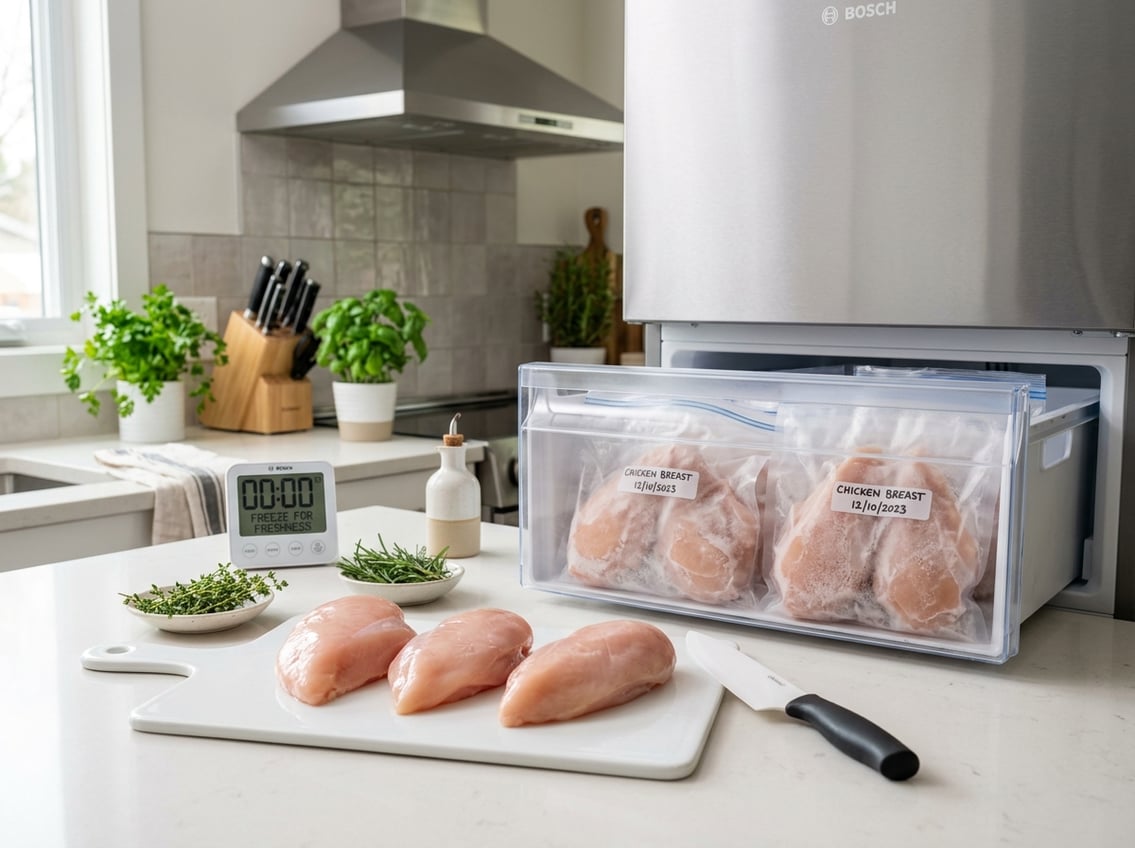
Freeze chicken breast before it loses freshness in the fridge. For raw chicken, freeze it soon after purchase if you do not plan to cook it right away.
For cooked chicken, freeze it before quality starts to drop from sitting too long in the refrigerator.
Freeze Raw Chicken Within the Safe Fridge Window
Freeze raw chicken while it still looks and smells fresh and feels cold. If you do not plan to use it within a day or two, freeze it instead of waiting.
This advice matches the guidance in safe freezing practices for fresh chicken, which recommends freezing within 1 to 2 days of purchase. Freezing raw chicken early helps you preserve texture and lowers the risk of forgetting it in the fridge.
Freeze Cooked Chicken Before Quality Drops
Freeze cooked chicken within two days, according to Southern Living’s chicken freezing guide. After that, the texture and moisture start to suffer.
Cool it first, portion it, and freeze it in airtight packaging. Smaller amounts thaw faster and are easier to use for soups, salads, tacos, and meal prep.
Signs It Is Too Late to Freeze
Do not freeze chicken breast that already shows signs of spoilage. Strong odor, sticky or slimy texture, gray or green color, or an off look are warning signs.
If chicken has spent too long at room temperature, discard it instead of freezing. Freezing does not fix spoiled food, and it does not make unsafe chicken safe again.
How to Prep and Pack It for the Freezer
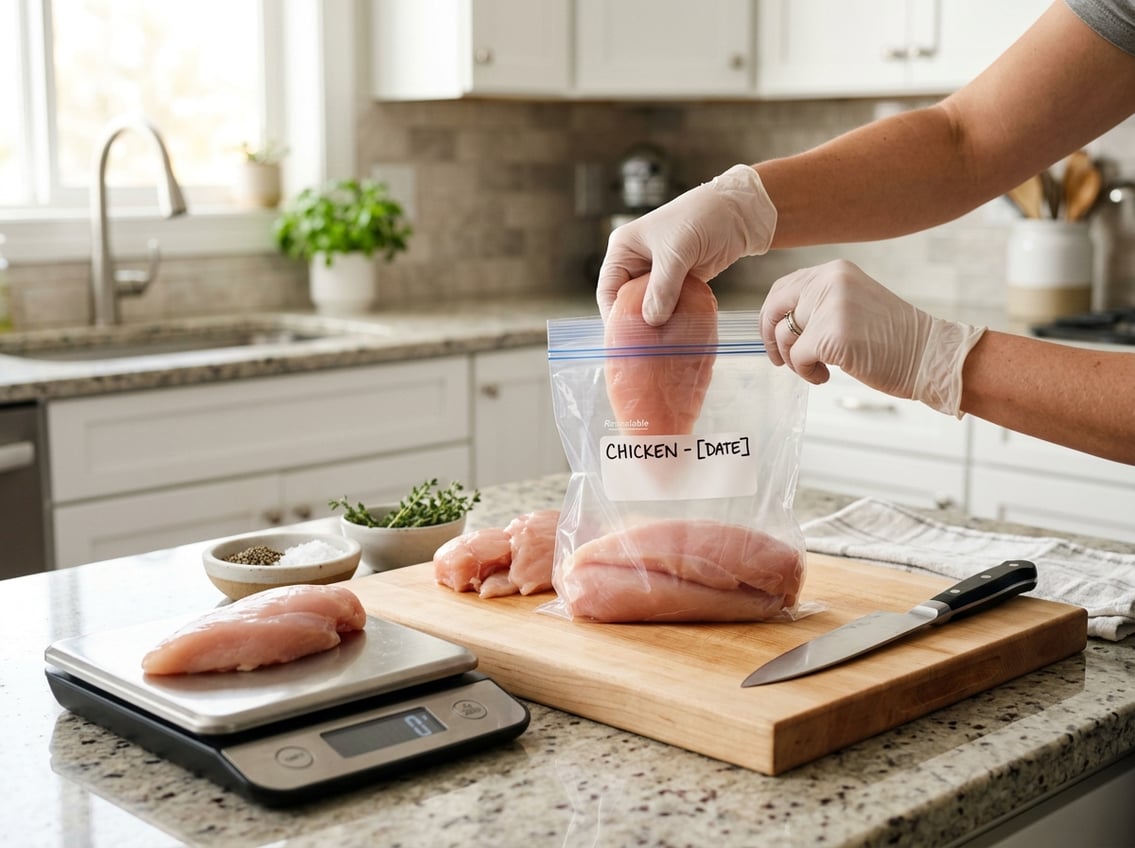
Good prep helps as much as timing. Portion the chicken, remove as much air as possible, and use packaging that protects it from moisture loss and freezer burn.
Portioning for Faster Thawing and Less Waste
Freeze chicken breast in portions you will actually use. A single-breast bag works well for quick dinners, while two-breast packs fit family meals.
Smaller portions thaw more evenly and help you avoid defrosting more chicken than you need. Label each pack with the date and amount so you can keep track easily.
The Best Way to Remove Air and Prevent Damage
Air causes freezer burn, so the packaging should fit tightly around the chicken. Heavy-duty freezer bags, vacuum sealing, or a double wrap with plastic and foil all protect the meat.
Press out as much air as you can before sealing the bag. As Southern Living notes, freezer bags and heavy-duty foil help limit freezer burn on raw chicken.
Flash Freezing Individual Pieces
Flash freezing keeps pieces from sticking together. Place seasoned or plain chicken breasts on a lined tray in a single layer and freeze them until firm.
Move them to a bag or container once frozen. This makes it easier to grab one piece at a time and helps with quick thawing later.
How Long It Keeps and What Affects Quality
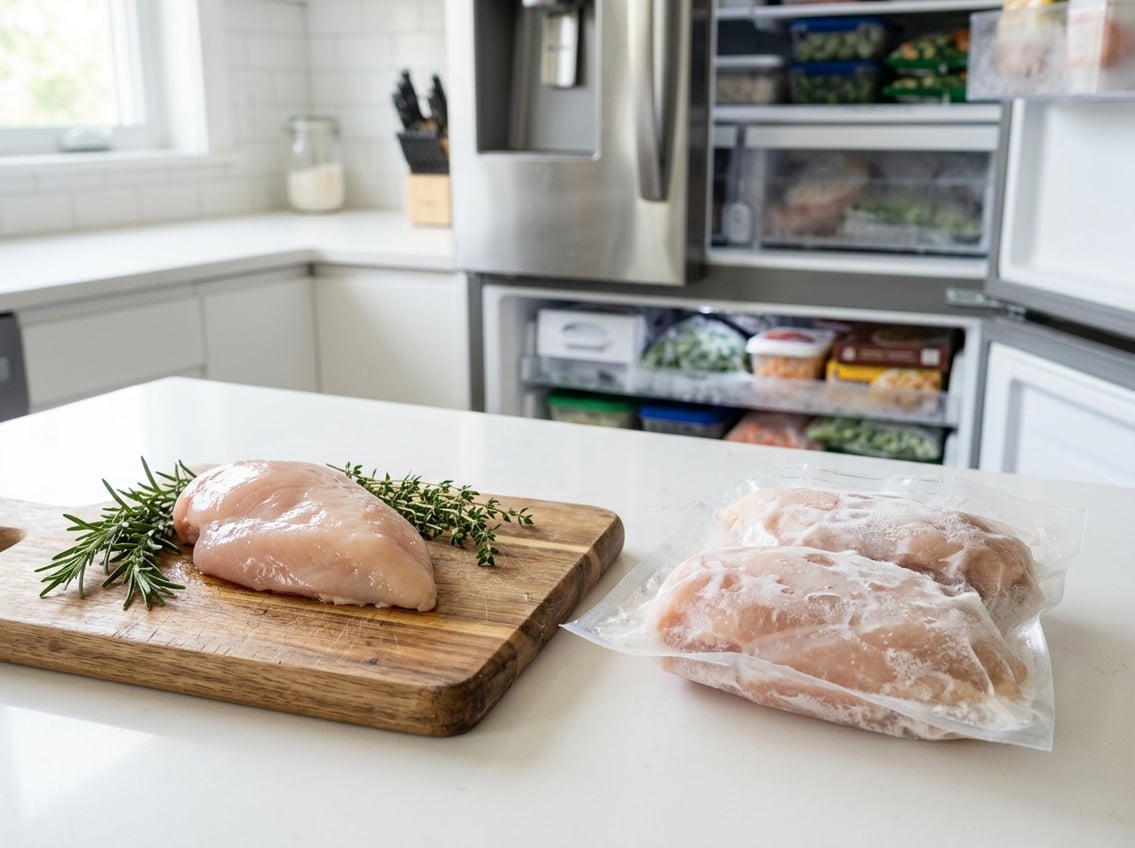
Frozen chicken breast stays safe for a long time, but quality changes as storage time increases. A cold, steady freezer and airtight packaging keep the best flavor and texture.
Recommended Freezer Storage Times
For best quality, use frozen chicken breast within about 9 months if it is cut into parts. That matches USDA guidance repeated in Southern Living’s freezing guide.
Chicken remains safe longer when kept frozen at 0°F, but the texture may get drier over time. For best eating quality, use it sooner.
How Packaging and Temperature Change Results
A freezer that stays at a steady 0°F keeps chicken in better shape than one that warms up often. Repeated thawing and refreezing inside the freezer damage texture and increase moisture loss.
Packaging matters too. Loose wrapping lets air reach the surface, which dries the meat and raises the chance of freezer burn.
What Freezer Burn Means for Taste and Safety
Freezer burn happens when air dries out the surface of frozen food. It can leave pale, leathery, or grayish spots and make the chicken taste dry.
You can eat freezer-burned chicken if you handled the meat safely, according to Southern Living. The quality drops, so trim damaged spots if needed, and use better packaging to prevent freezer burn next time.
Thawing and Refreezing Without Compromising Safety
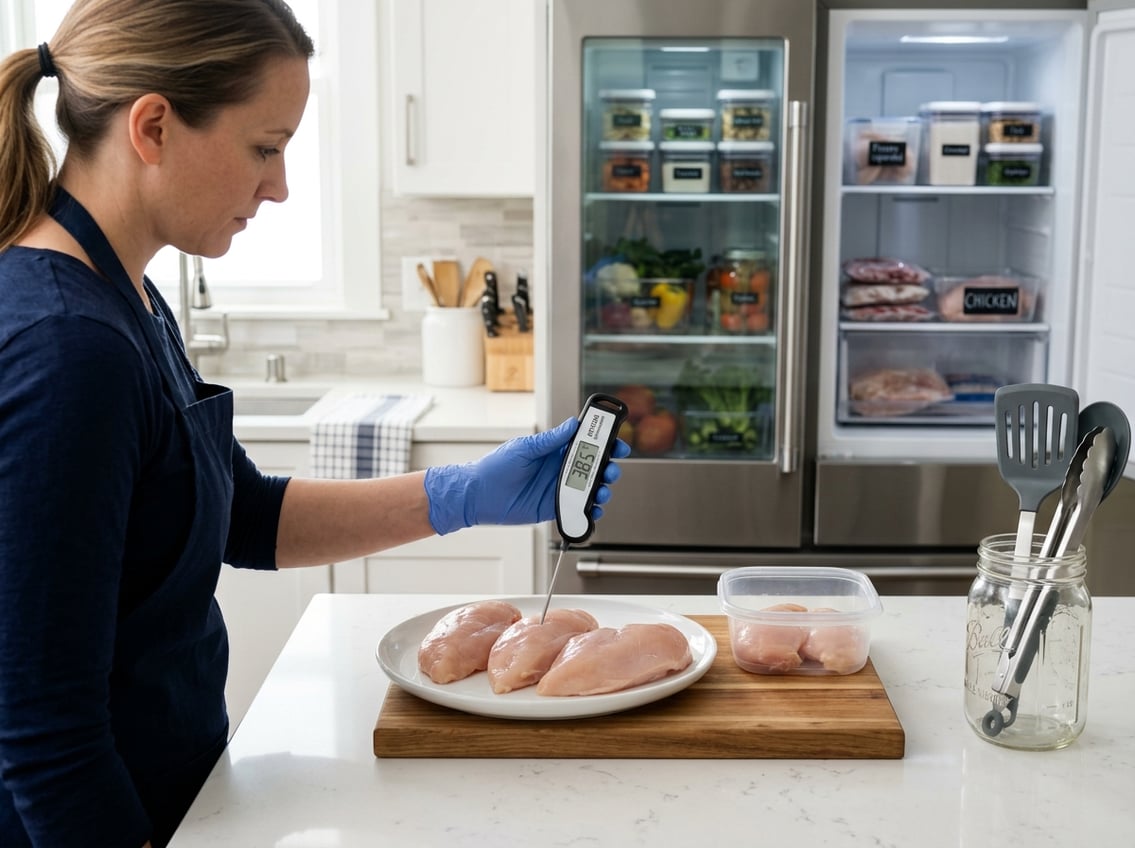
Safe thawing protects the chicken after freezing. Defrost chicken with steady cold, not warm air or the counter.
Safe Thawing Methods for Chicken Breast
Thaw frozen chicken in the refrigerator. Place it in a bowl or rimmed dish to catch drips and give it enough time, since large pieces can take at least 24 hours.
You can use the cold-water method if you need chicken sooner. Keep it sealed in a leakproof bag, submerge it in cold water, and change the water every 30 minutes.
According to Southern Living, cook it right away after cold-water thawing.
Best Way to Defrost Chicken Breast Evenly
Refrigerator thawing gives the most even results. It keeps the outer layers from warming too fast while the center stays frozen.
Microwave thawing works only if you plan to cook the chicken right away. It can create hot spots, so parts may start cooking while other parts are still frozen.
When You Can Refreeze After Thawing
You can refreeze thawed chicken breast if you thawed it in the refrigerator and kept it cold.
If you thawed chicken in cold water or the microwave, cook it before freezing it again.
Do not refreeze chicken that sat at room temperature.
Leaving chicken at room temperature increases food safety risk, and freezing it again will not make it safe.


