
Are Chicken Breast Tenderloins Healthy? What to Know
If you ask are chicken breast tenderloins healthy, the short answer is yes, they can be a smart choice. They serve as a lean protein and, when prepared simply, fit well into a balanced diet.
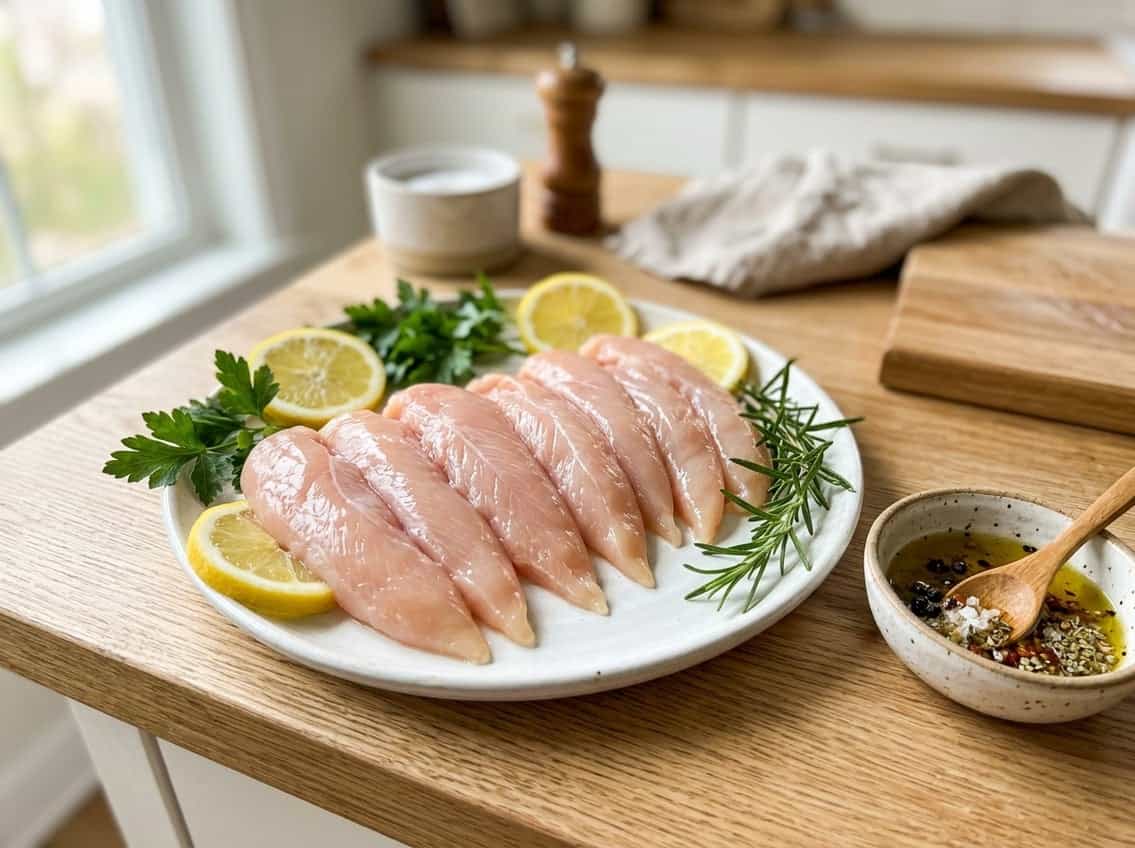
How you cook them and whether you buy plain or breaded, pre-seasoned versions matters a lot. A plain chicken tenderloin contains little fat, is easy to portion, and cooks quickly.
If you want a fast, mild-tasting protein source that works in many meals, chicken tenderloins are a healthy option. Chicken breast often gives you a little more protein for the same amount of meat.
How Healthy Chicken Tenderloins Are at a Glance
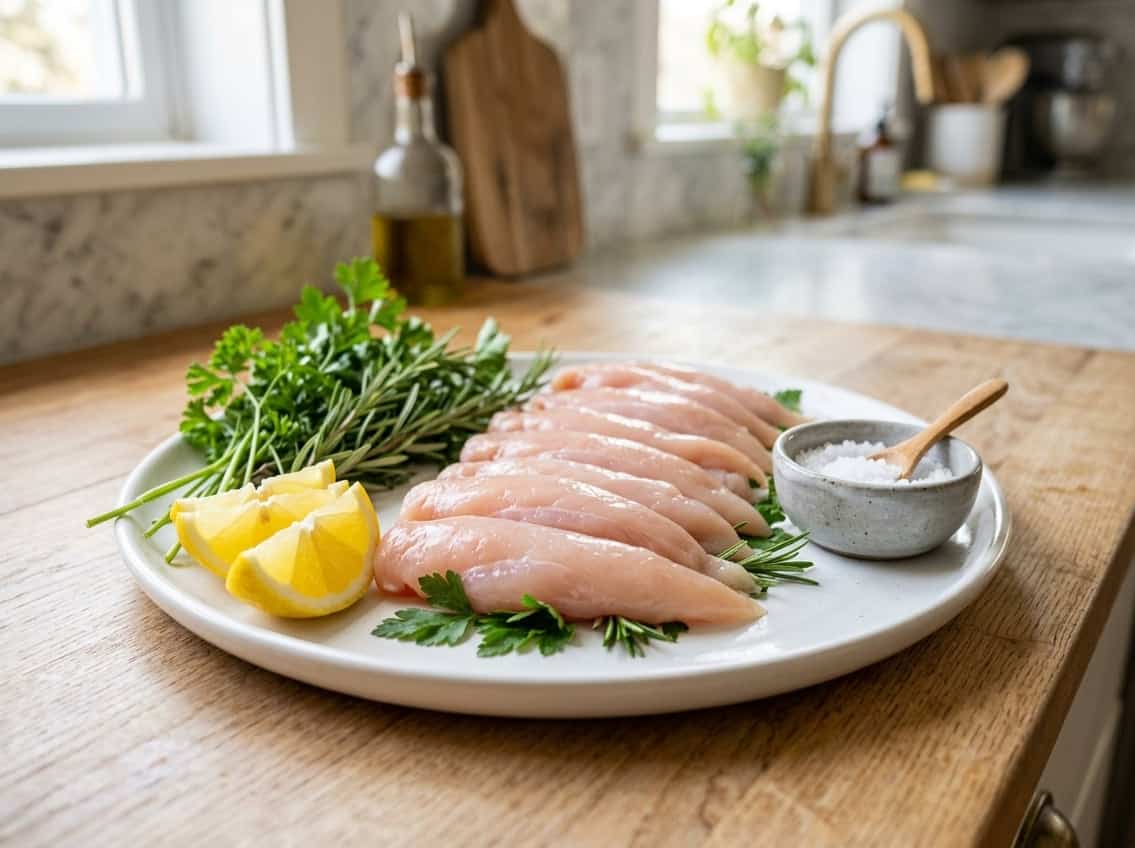
Chicken tenderloins are a lean protein choice that can fit into weight-conscious, high-protein, and family-friendly meals. Compared with chicken breast, they are usually a little lower in protein and calories by weight, while still being a strong protein source.
Plain chicken tenderloins are healthy for most people when you cook them with minimal added fat and salt. They offer a simple way to add protein to meals without much saturated fat.
Chicken breast still tends to be the leaner, more protein-packed option. Tenderloins are close enough nutritionally that the better choice often comes down to your meal, budget, and texture preference.
Calories, Protein, Fat, and Sodium Compared
According to Tatnuck Meat and Seafood, chicken breast provides more protein per 100 grams, while tenderloins have fewer calories and less fat. Breast meat can be better if you want the most protein per bite, while tenderloins may appeal if you want a slightly lighter cut.
Sodium deserves attention. Plain tenderloins can be low in sodium, but pre-seasoned packs often contain much more salt than plain raw meat.
When Tenderloins Are a Better Fit Than Breast Meat
Tenderloins make sense when you want quick cooking and easy chewing. They work well for stir-fries, salads, wraps, and meals for kids.
If you want a smaller portion that cooks fast and stays tender, tenderloins are practical. If your goal is the highest protein count per serving, chicken breast usually wins.
Chicken Tenderloin vs. Chicken Breast
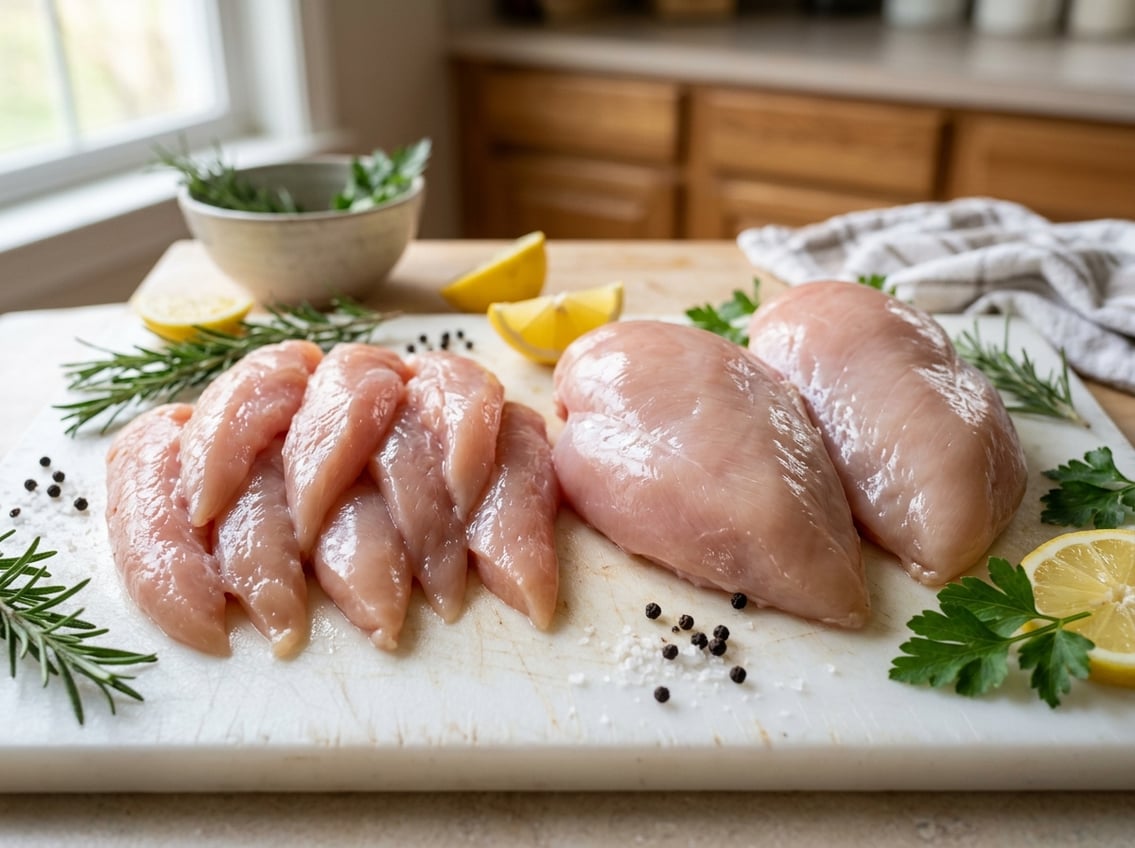
Chicken tenderloin and chicken breast come from different muscles, so they do not behave the same in the kitchen. You will notice differences in size, texture, and how much protein you get from each serving.
Where Each Cut Comes From
Chicken breast is the large chest muscle on the bird. Chicken tenderloin is the smaller muscle that sits beneath the breast near the rib area.
Each chicken has only two tenderloins, which is part of why they are often priced higher. Chicken breasts are much larger and easier to portion for big meals.
Texture, Tenderness, and Portion Size
Tenderloins are softer and more delicate. That makes them useful when you want meat that cooks quickly and stays easy to bite.
Chicken breast is firmer and larger, so it works well for slicing, stuffing, shredding, or meal prep. If you want a bigger portion with fewer pieces, breast meat is usually more convenient.
Which Cut Offers More Protein per Serving
Chicken breast usually gives you more protein for the same cooked weight. That makes it the stronger pick if your goal is maximum protein from a lean cut.
Tenderloins still provide plenty of protein, just a bit less than breast meat.
What Makes Them More or Less Nutritious
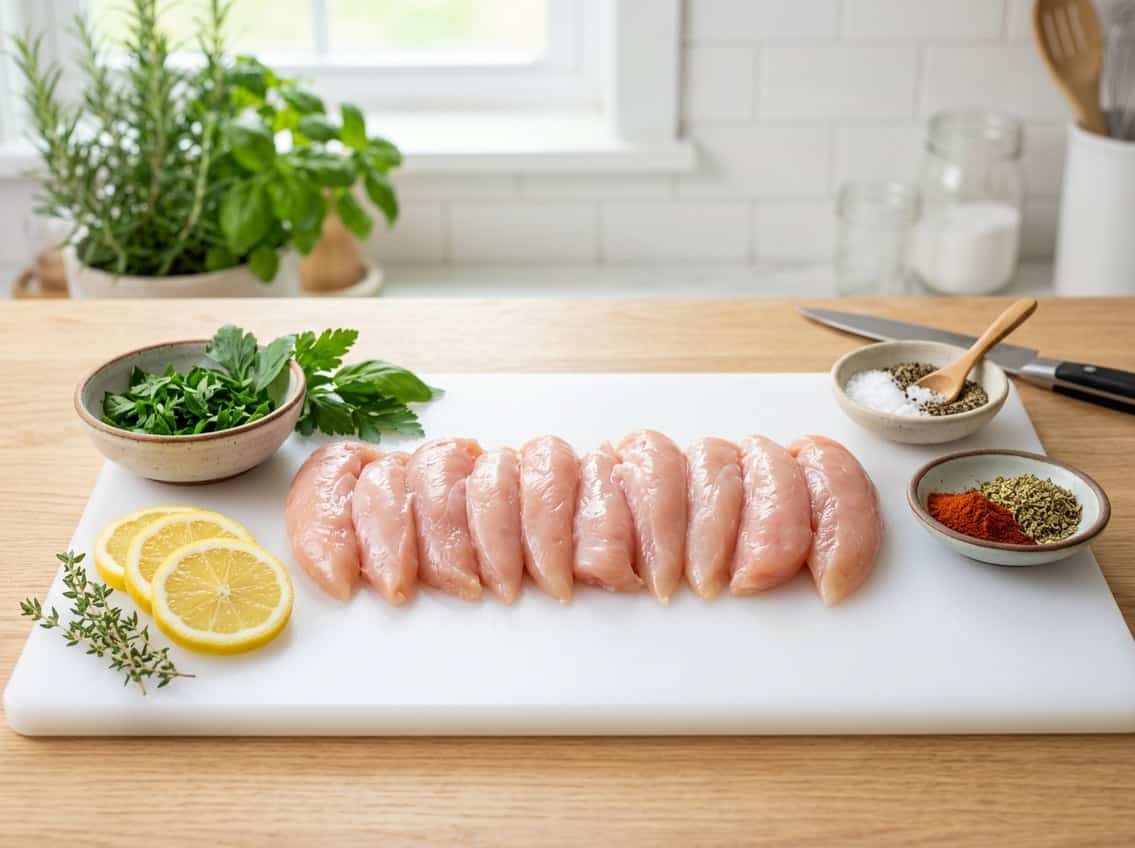
The nutrition value changes fast once you bread, fry, or heavily season the meat. Plain grilled chicken is much different from chicken fingers or packaged breaded tenders.
How Breaded Chicken Tenders and Chicken Fingers Change the Nutrition
Breaded chicken tenders and chicken fingers usually add refined flour, oil, and salt. That means more calories, more fat, and often more sodium than plain chicken tenderloins.
If you want a healthier meal, bake or grill plain meat. The same cut can go from lean protein to a more processed, higher-calorie meal with one cooking step.
Why Plain Cuts Differ From Pre-Seasoned Packages
Pre-seasoned chicken can be convenient, yet it often contains added sodium and sometimes sugar. Those numbers can shift a lot from what you expect in fresh chicken tenderloin recipes.
Plain raw tenderloins give you more control. You decide how much salt, oil, and sauce to use, which makes it easier to keep the meal light.
Best Cooking Choices for a Healthier Meal
Grill or bake chicken tenderloins for the healthiest results. These methods keep added fat low and let the meat stay the focus.
Use simple seasonings such as garlic, pepper, paprika, lemon, or herbs. A light marinade can add flavor without turning the meal into a high-sodium dish.
Best Ways to Use Tenderloins in a Healthy Diet
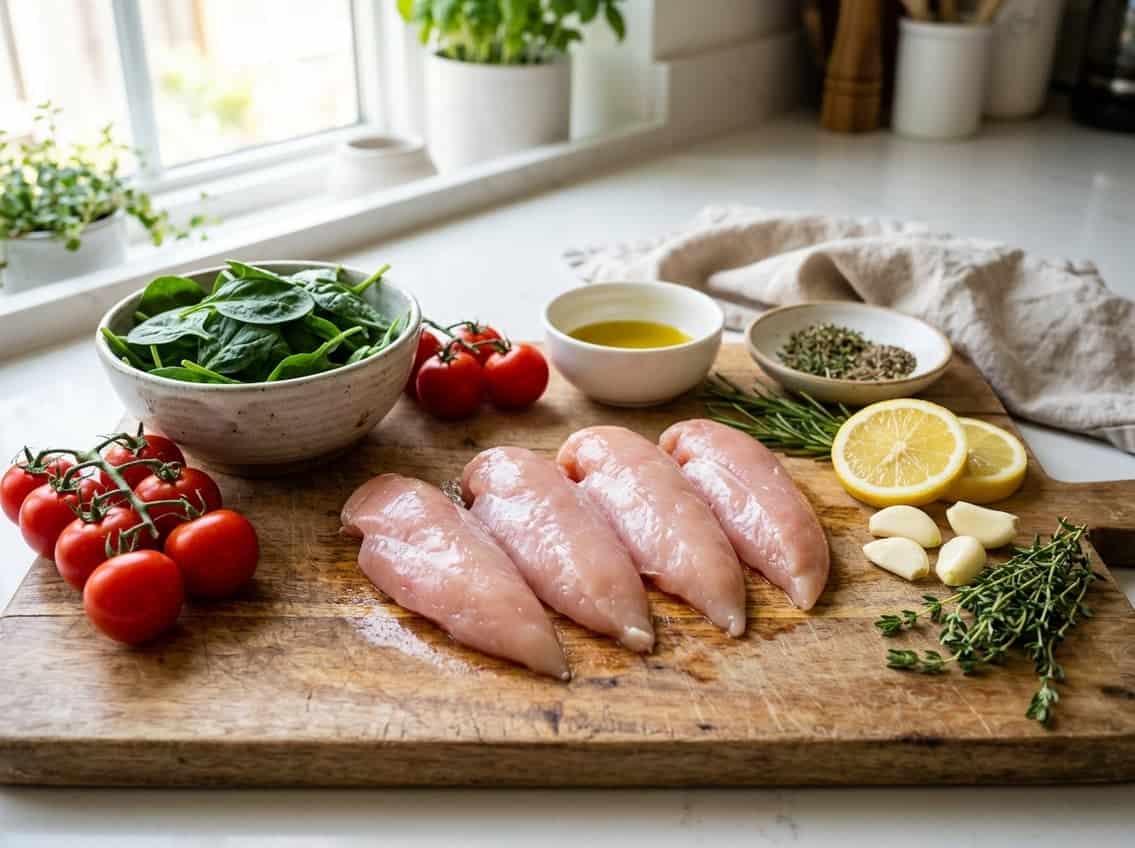
Chicken tenderloins work well when you want fast meals that still feel balanced. Their small size and quick cook time make them useful for weeknights, meal prep, and simple protein bowls.
Portion Tips for Everyday Meals
A practical serving is usually around 3 to 4 ounces of cooked chicken, depending on your needs. Pair that with vegetables, whole grains, or beans so the meal feels complete.
You do not need a giant portion to get value from tenderloins. A moderate serving can still give you a solid amount of protein without pushing calories too high.
Healthy Meal Ideas for Fast Weeknight Cooking
Tenderloins fit well in grilled chicken salads, baked sheet-pan meals, stir-fries, and rice bowls. They also work in tacos, wraps, and pasta dishes when you want a lean protein source.
For more ideas, recipe roundups like healthy chicken tenderloin recipes and quick chicken tenderloin dinners show how versatile this cut can be. You can also find simple baked options in healthy oven-baked chicken tenderloins.
Smart Shopping and Prep Tips
Choose plain, unbreaded tenderloins when possible. Read labels for sodium, added broth, and extra ingredients if you buy packaged chicken.
Trim any visible fat. Pat the meat dry and season it yourself.
You gain better control over the final meal when you season it yourself. This helps keep tenderloins closer to their natural health value.


