
What Is the Serving of Chicken Breast? Portion Guide
You might ask what is the serving of chicken breast when you are planning dinner, tracking protein, or building a meal prep routine. In the U.S., the most common answer is about 3 ounces cooked, or about 85 grams, which is roughly the size of a deck of cards.
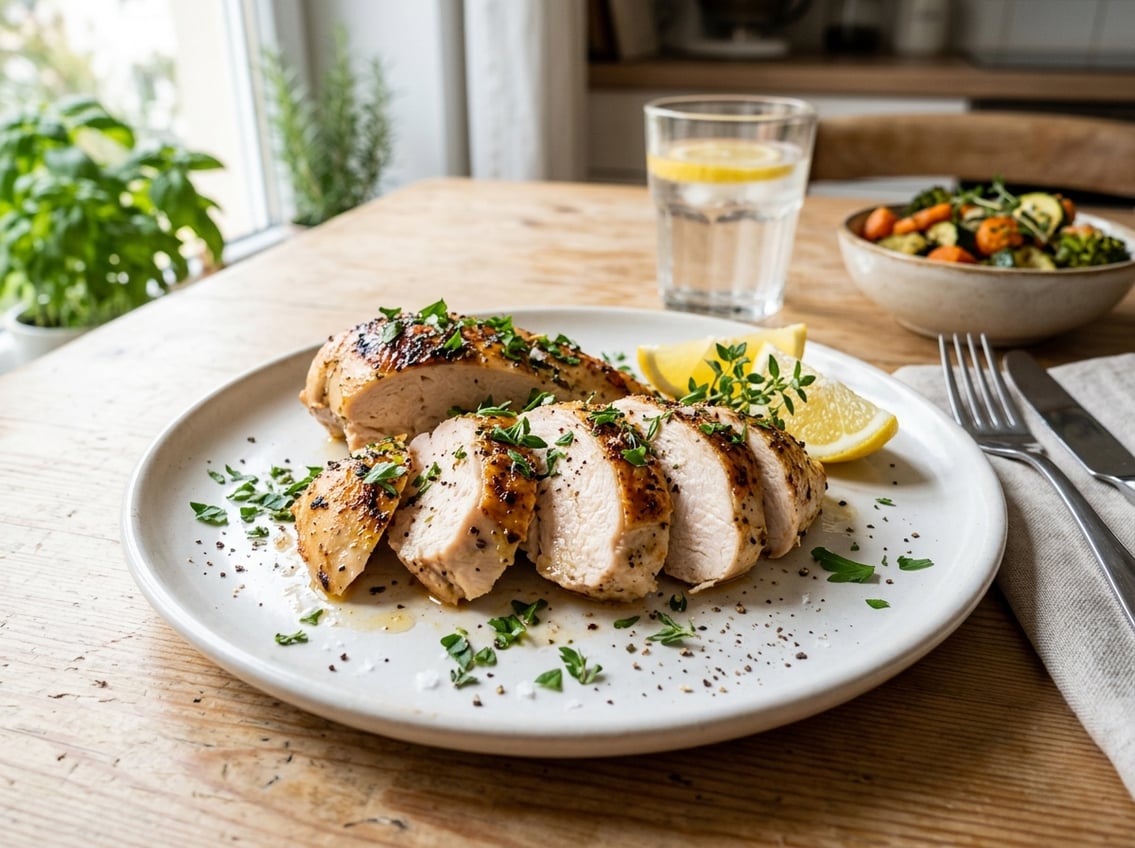
That number gives you a solid starting point. Real-world portion sizes can look different depending on whether you weigh raw or cooked meat, how much shrinkage happens during cooking, and whether chicken breast is the main item on your plate or part of a larger meal.
If you want to portion chicken breast with more confidence, you need to know the standard serving size. You should also know how to estimate it without a scale and how cooking changes the final amount on your plate.
Standard Serving Size Explained
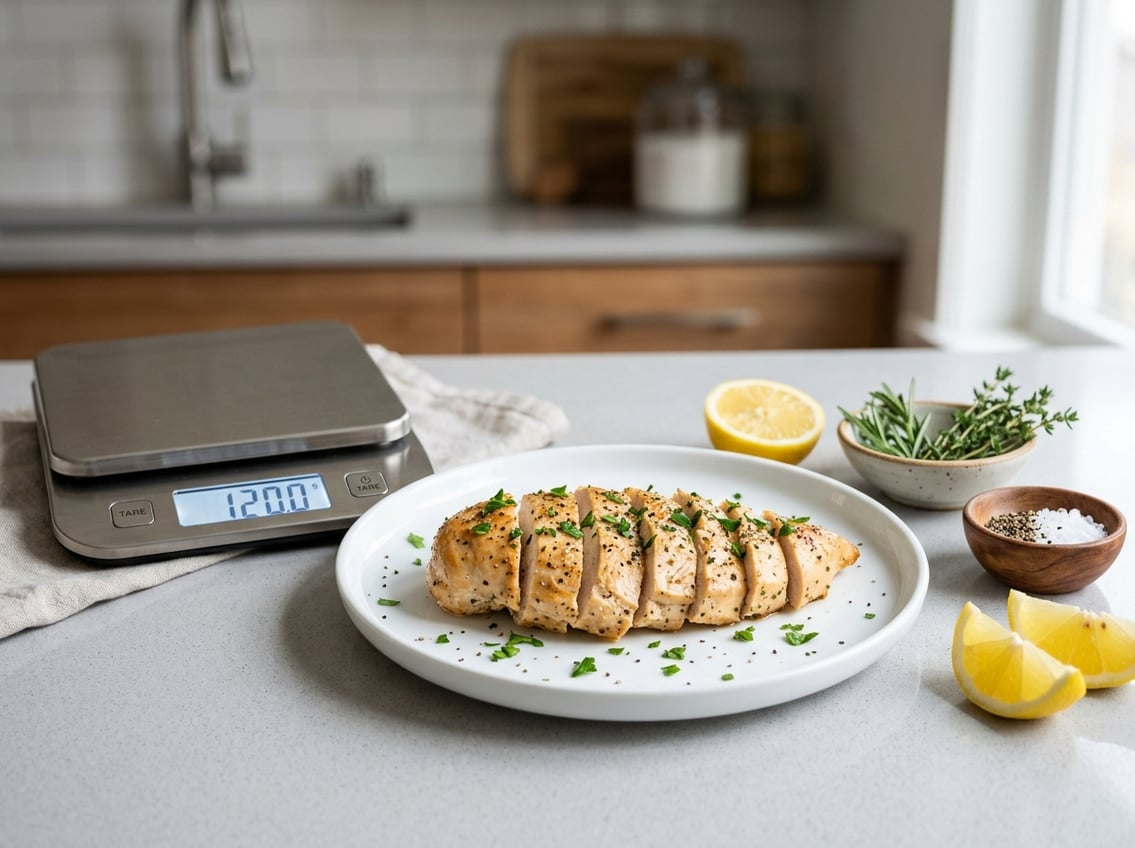
A standard serving size gives you a consistent reference point, especially when you compare chicken breast portions across meals. In U.S. nutrition guidance, cooked chicken breast is often counted as 3 ounces.
Many meal plans use larger portions when chicken is the main protein.
Cooked Weight vs Raw Weight
Chicken breast loses water during cooking, so cooked chicken breast weighs less than raw chicken breast. A raw portion may look larger before it hits the pan, grill, or oven.
If you weigh chicken before cooking, your portion size will not match the cooked serving size one for one. A 4-ounce raw piece may end up closer to 3 ounces cooked, depending on the method and how long you cook it.
Common Ounce and Gram Ranges
A few common chicken breast portions are easy to remember:
- 3 ounces cooked = about 85 grams
- 4 ounces cooked = about 115 grams
- 6 ounces cooked = about 170 grams
A 3-ounce serving is the most common reference point. 4 to 6 ounces is often used for larger appetites or higher protein targets.
The exact amount depends on your meal plan and how much room you want for sides.
Dietary Recommendations vs Typical Plates
Dietary recommendations often describe a serving, not the amount you always need. A typical dinner plate may use 4 to 6 ounces of cooked chicken breast, especially if you are serving vegetables, grains, or salad alongside it.
For adults, some meal guides suggest roughly 5 to 6 ounces of cooked chicken per meal, while lighter meals may use less.
How to Estimate the Right Amount for a Meal
You do not need a scale every time you cook chicken breast. A few simple visual checks can help you estimate portions and keep your meal planning steady.
The right amount depends on whether you want a light meal, a standard dinner, or extra protein for training or recovery. Your appetite, side dishes, and the number of people eating all matter.
Visual Guides Without a Scale
A cooked 3-ounce chicken breast is often compared to the size of a deck of cards or the palm of your hand. That gives you a quick check when you are serving yourself or packing lunch.
If the piece is thick and wide, it may be more than one serving. If you slice it and spread it across a plate, it can be easier to see how much you are actually eating.
One Breast vs a Measured Portion
One boneless chicken breast is not always one serving. Small breasts may come close to 3 ounces cooked, while large breasts can be much larger and may count as 2 servings or more.
For better portion control, use the weight after cooking when you can. If you are cooking ahead, portion calculators and similar tools can help you estimate serving sizes more consistently.
Adjusting for Adults, Kids, and Appetite
Adults usually need larger chicken breast portions than kids, especially when chicken is the main protein. Kids often do well with smaller servings that fit their age and appetite.
You can also adjust for the rest of the meal. If you are serving a heavy pasta dish or a rich sauce, a smaller chicken portion may be enough.
If the plate is mostly vegetables and lean protein, a larger portion can make sense.
How Cooking Method Changes the Portion
Cooking method affects both weight and the way a serving looks on the plate. A chicken breast can shrink, lose moisture, and change shape, even when the uncooked piece started at a standard size.
Portion planning works best when you think about the final cooked amount, not just the raw weight. Grilling, baking, and bone-in cuts each change the amount you end up serving.
Weight Loss During Cooking
Chicken breast loses water as it cooks, so the finished weight is usually lower than the raw weight. The longer and hotter the cooking method, the more shrinkage you may see.
Your portion size can look smaller after cooking even though the protein amount is still there. If you are counting servings, weigh the chicken after cooking for the clearest result.
Grilled Chicken Breast and Other Common Preparations
A grilled chicken breast often serves as the standard example because it is lean and easy to portion. Baking and sautéing also fit common serving guidelines, though added oil or sauces can change the nutrition of the meal.
If you grill, the outside may look dry faster than the inside finishes. That can make the breast seem smaller, even when it still serves as a full portion.
Boneless vs Bone-In Considerations
Boneless chicken breast is simpler for portion planning because nearly all of the weight is meat. Bone-in chicken is less direct, since the bone adds weight without adding edible meat.
If you use bone-in cuts, you usually need a larger raw weight to end up with the same amount of meat on the plate. For meal planning, boneless chicken breast is easier to measure and compare across recipes.
Using Chicken Breast Portions in Meal Planning
Chicken breast portions help you plan meals that are balanced, affordable, and easy to repeat. Once you know your target serving size, it becomes much simpler to shop, prep, and plate the right amount.
Portion planning also helps reduce waste. You buy what you need, cook what you need, and avoid ending up with too little or too much.
Planning Servings for Dinner and Meal Prep
For a weeknight dinner, count one serving per person if chicken is a side protein. Use a larger portion if it is the main focus.
For meal prep, aim for the same cooked amount in each container so your lunches stay consistent.
If you cook ahead, divide the chicken after it rests and cools a little. That makes it easier to keep portions even.
Matching Protein Portions to Sides
Chicken breast does not need to fill the whole plate. It works well with vegetables, rice, potatoes, beans, or salad, and the side dishes help shape the serving size.
If your sides are filling, a 3-ounce portion may be enough. If the meal is lighter, 4 to 6 ounces may fit better and help you feel satisfied.
Buying the Right Amount for Groups
When you cook for several people, plan based on the role of the chicken in the meal.
A main-dish chicken breast meal usually needs more per person than a meal where you mix chicken into pasta, tacos, or bowls.
For simple planning, use the total number of guests.
Multiply that number by your target portion size to help you shop with more accuracy and keep your meal budget under control.


