
What Does Chicken Breast Halves Mean? Clear Guide
Chicken breast halves mean a chicken breast that has been split into two portions, usually along the center line. In store labels, the term can refer to bone-in pieces, boneless pieces, or a package that contains two halves of one breast.
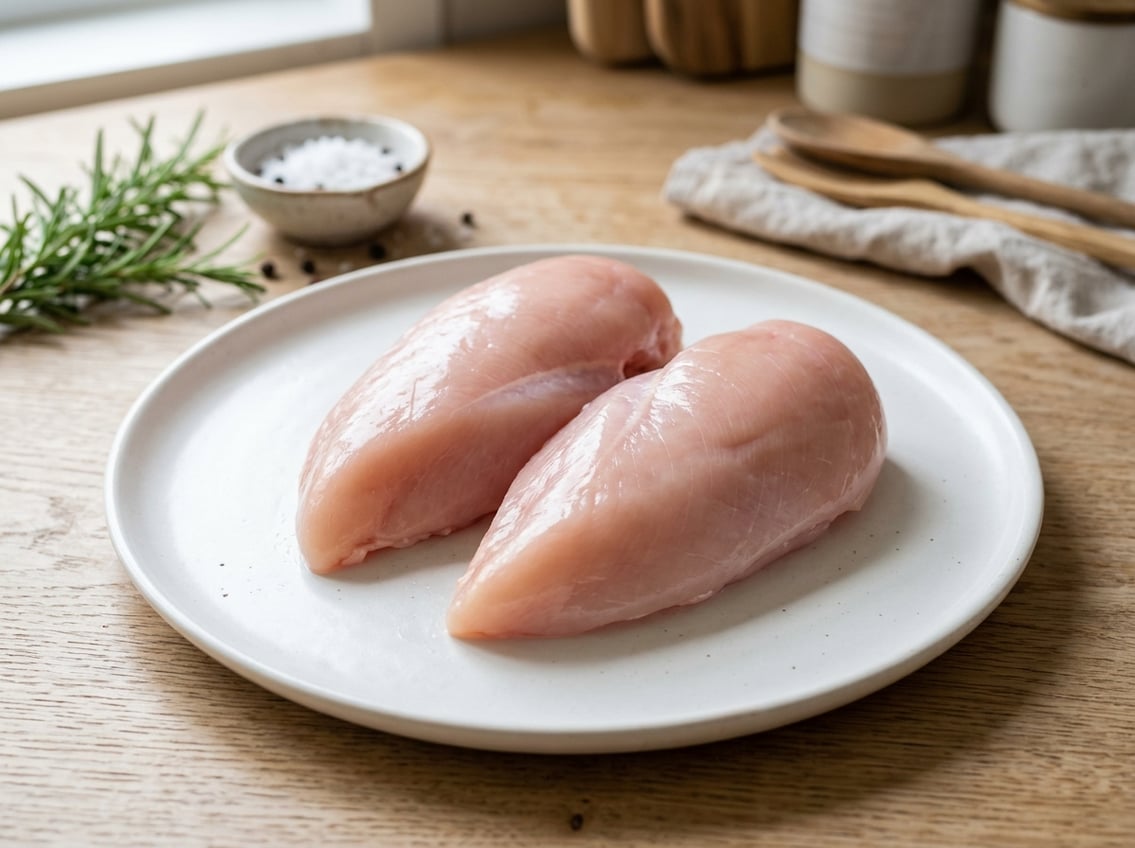
The phrase sounds simple, yet people often mix it up with chicken breasts, split breasts, and cutlets. The exact meaning depends on how the chicken was processed and how the store packaged it.
What the Label Refers to at the Store
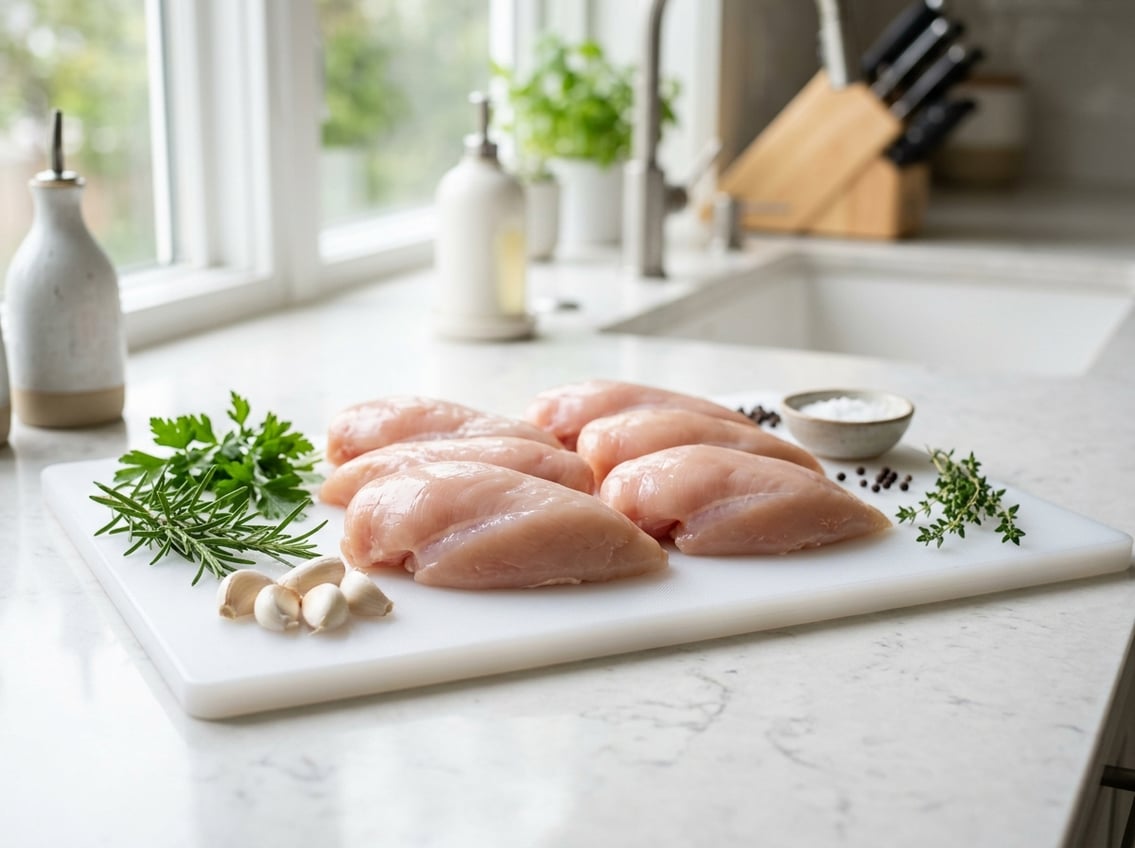
At the store, chicken breast half usually means one side of a whole chicken breast, not the whole breast itself. A whole chicken breast has two sides, and each side is a breast half.
The label may appear on bone-in packs, skin-on packs, or boneless skinless chicken breast packs. When you are buying chicken, the exact wording matters.
Some packages say chicken breast halves, while others say whole chicken breast or split chicken breast. Labels can vary by store and brand, including organic chicken breast halves and standard packs.
How a Whole Chicken Breast Becomes Two Portions
A chicken has a breast muscle on each side of the body. When you divide that breast, each side becomes a half.
According to Chicken Breast Halves vs Chicken Breasts: What’s the Difference?, chicken breast halves are simply one half of a chicken breast, often sold as thinner pieces for easier cooking. In practical terms, you may see two pieces in a package, each one counted as a half.
This can help you portion meals more accurately.
Chicken Breast Halves vs. Chicken Breasts
A whole chicken breast usually means the full breast from the bird, which includes both halves together. A chicken breast half is one side of that breast.
The label may also be used loosely for boneless skinless chicken breast pieces that are already separated. You should check the package shape and count, since some stores use the terms differently.
If you need a specific yield for dinner, weigh the package instead of relying on the name alone.
Bone-In Split Breast vs. Boneless Skinless Pieces
A bone-in split breast keeps the bone and often the skin attached. A boneless skinless chicken breast is trimmed, lean, and easier to slice or pound.
If you are looking at skinless chicken breast packaging, read the label carefully because the cut may still be described as a half. Bone-in pieces usually take longer to cook and can stay juicy longer.
Boneless skinless pieces cook faster and work well when you want quick prep.
How Size, Cut, and Prep Affect Cooking
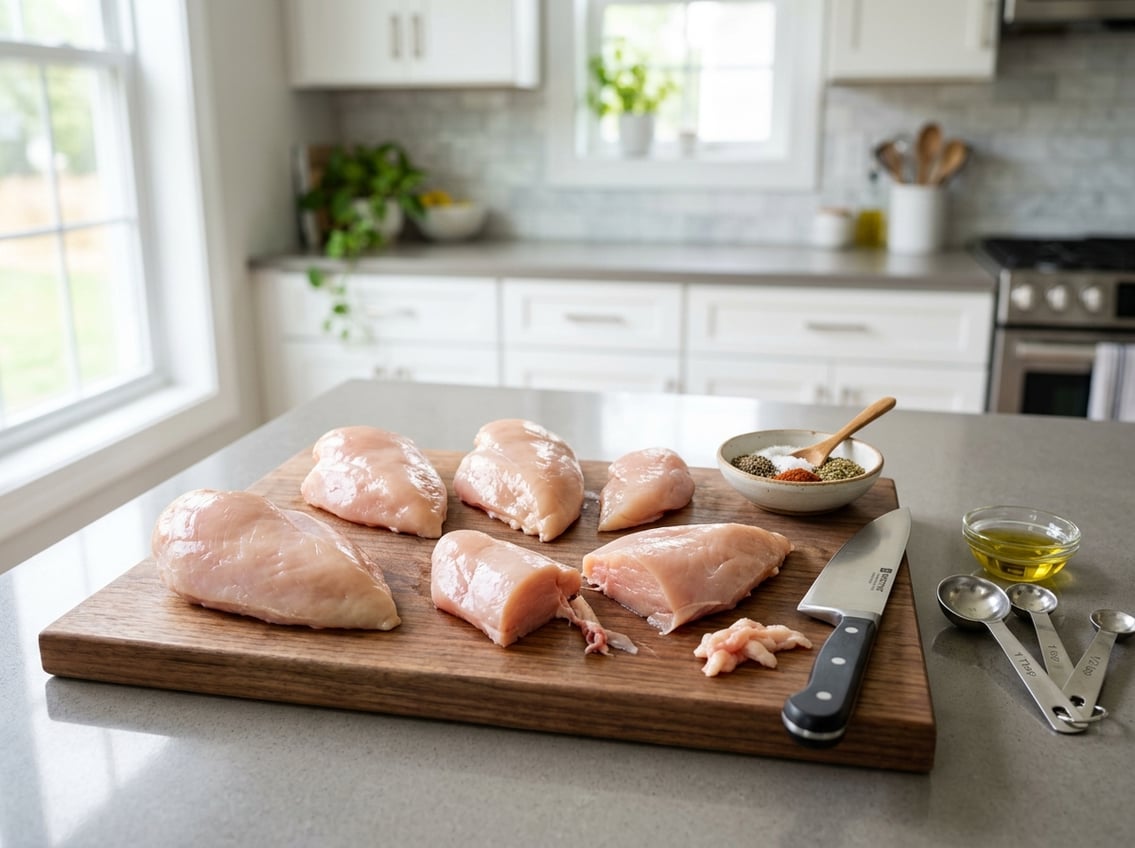
Cooking chicken breast halves works best when you match the method to the thickness of the meat. A thicker half needs more time, while a thinner one cooks faster and can dry out more easily.
If you are making grilled chicken or a grilled chicken breast recipe, even thickness matters a lot.
Average Portion Size and Thickness
A chicken breast half is often larger than a cutlet and smaller than a full double-breast package. The exact size varies, since some halves are cut from larger birds.
Thickness also changes from one end to the other, which can affect doneness. If one side is much thicker, you may need to pound it lightly to even it out.
That gives you a more reliable finish.
When to Use Chicken Cutlets Instead
Chicken cutlets are thinner pieces, often made by slicing or pounding a breast. They are a better choice when you want very fast cooking, such as in a quick sauté or a thin breaded dish.
Choose cutlets when the recipe needs fast browning and even cooking. Choose chicken breast halves when you want a fuller piece of meat that still cooks faster than a very thick whole breast.
Best Methods for Even, Juicy Results
For juicy results, use medium heat and avoid overcooking. Split or pound thick spots so the meat cooks at the same rate.
A thermometer helps you stop cooking at the right time. These methods work well for grilled chicken breast preparations, baking, pan-searing, and sautéing.
If you are cooking chicken breast halves, rest the meat for a few minutes after cooking to help keep the juices inside.
Buying, Storing, and Thawing Safely
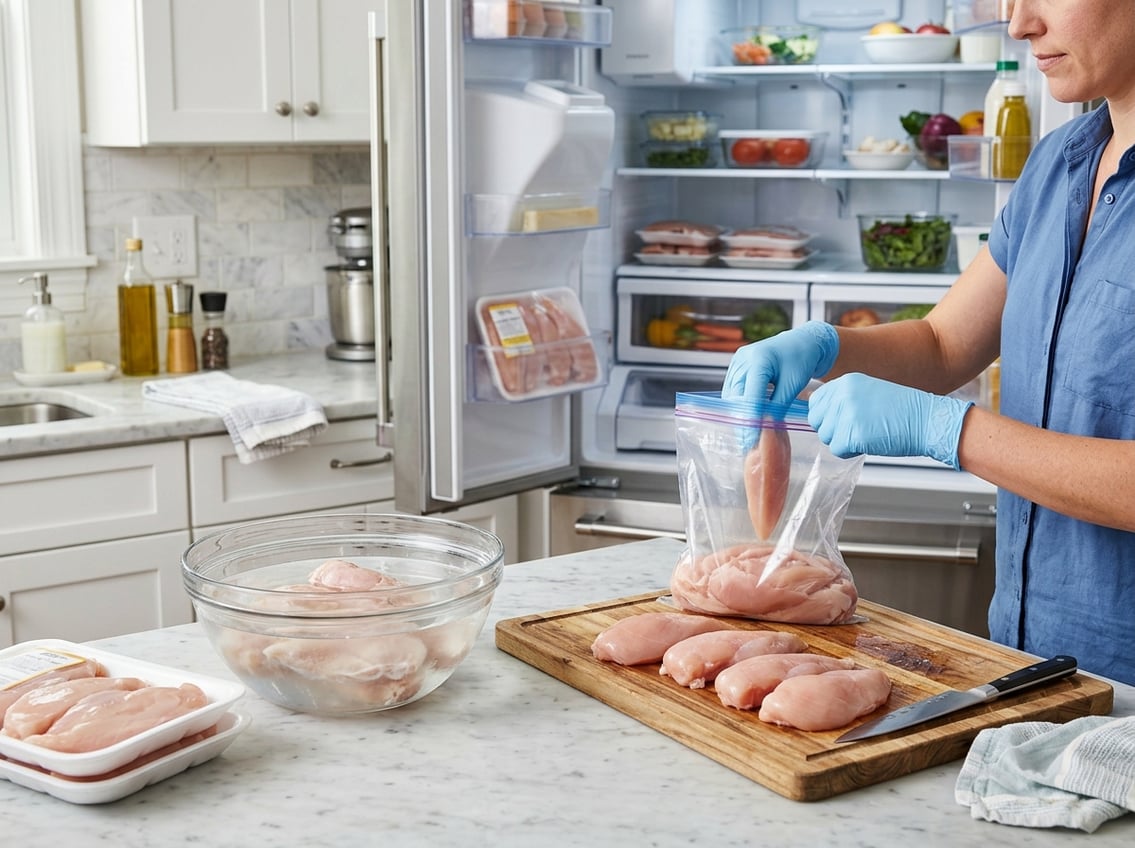
Safe handling matters any time you buy chicken. Raw poultry can carry harmful bacteria, so you need to keep it cold, sealed, and separate from ready-to-eat foods.
The same rules apply to standard packs and organic chicken breast halves.
How to Choose Fresh Packages
Look for a package that is cold, sealed, and not leaking. The meat should look pink, not gray or slimy, and it should not have a strong odor.
Check the sell-by date before you buy. If you are comparing packages, choose the one with the right amount for your meal plan.
A smaller pack of chicken breast halves may be better than a larger one if you will not cook it soon.
How to Store Chicken Breast Halves
Put raw chicken in the refrigerator as soon as you get home. Keep it on the lowest shelf, in a leak-proof container, so juices do not drip on other food.
The USDA-style guidance shared in Safe Storing, Handling & Cooking Tips for Chicken notes that you should refrigerate raw poultry for only 1 to 2 days before cooking or freezing.
If you are not using the chicken soon, freeze it. Wrap it well so freezer burn does not damage the texture.
How to Thaw or Cook From Frozen
The safest way to thaw frozen chicken breast halves is in the refrigerator overnight, as noted by safe thawing guidance. That slow thaw keeps the meat at a safer temperature.
You can also cook chicken breast halves from frozen if your recipe and cooking time allow for it. Expect a longer cook time, and check the center with a thermometer to make sure it is done.
Common Ways to Use Them in Recipes
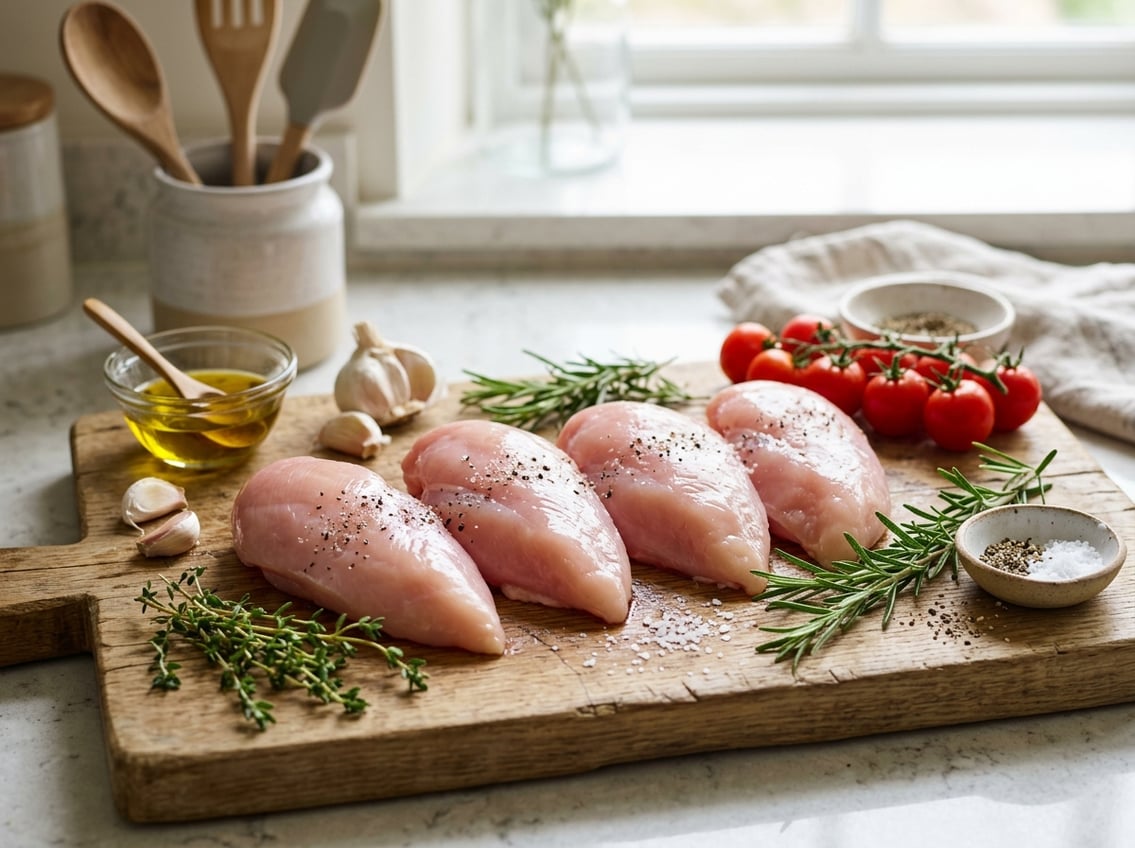
Chicken breast halves fit into many weeknight meals because they are lean and easy to season. They also work well with sauces, breading, and simple marinades.
If you want a piece that cooks evenly and slices cleanly, this cut is a strong choice.
Quick Weeknight Dishes
Use chicken breast halves for fast pan cooking, sheet-pan dinners, or simple skillet meals. They also work well in chicken stir-fry when you slice them into strips first.
For a lighter dinner, pair them with vegetables and rice or pasta. The even shape helps the meat cook at the same pace as the rest of the meal.
Breaded and Sauced Preparations
This cut fits classic dishes like chicken parmesan, chicken piccata, and stuffed chicken breast. A thinner piece browns well under breading and holds sauce nicely.
If you want a crisp crust, flatten the meat a little before breading. That gives you a more even result.
Simple Flavor Profiles That Work Well
Lemon herb chicken, garlic parmesan chicken, and plain grilled chicken breast all pair well with chicken breast halves.
Mild seasoning lets the natural flavor show through. Stronger marinades add more depth.
Salt, pepper, garlic, lemon, olive oil, and dried herbs are reliable basics.
These ingredients are simple, familiar, and easy to adjust to your taste.


