
What Does Airline Chicken Breast Mean? Cut and Uses
Airline chicken breast is a chicken breast cut with the drumette, or first part of the wing, still attached. That attached piece gives you a built-in handle, a more polished look on the plate, and a little extra flavor during cooking.
In practical terms, the cut is a skin-on breast, often bone-in, with the wing joint left on. Cooks use it when they want a chicken breast that looks and eats more like a restaurant entrée.
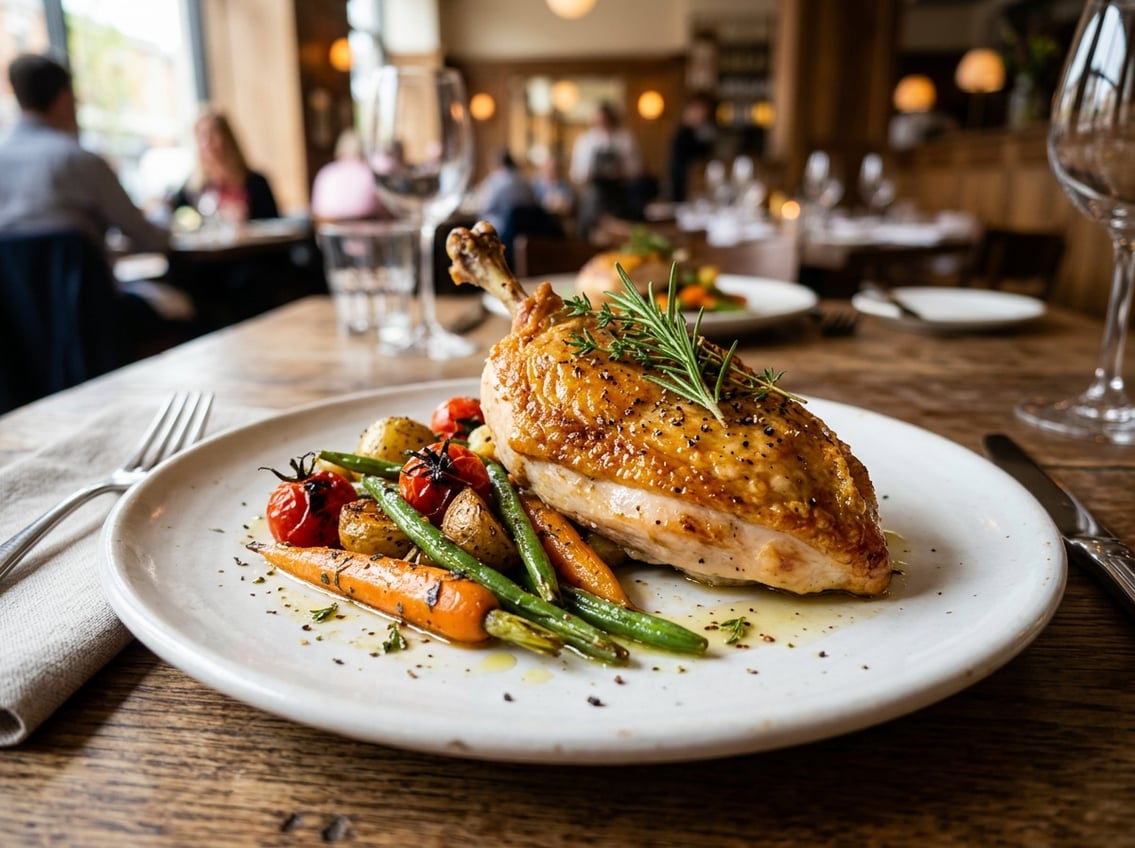
The name comes from old airline service. Airlines served this cut because passengers could hold the drumette and eat it neatly.
Today, you are more likely to see it in restaurants, butcher shops, and home kitchens that want a cleaner presentation than a standard chicken breast.
What the Cut Includes
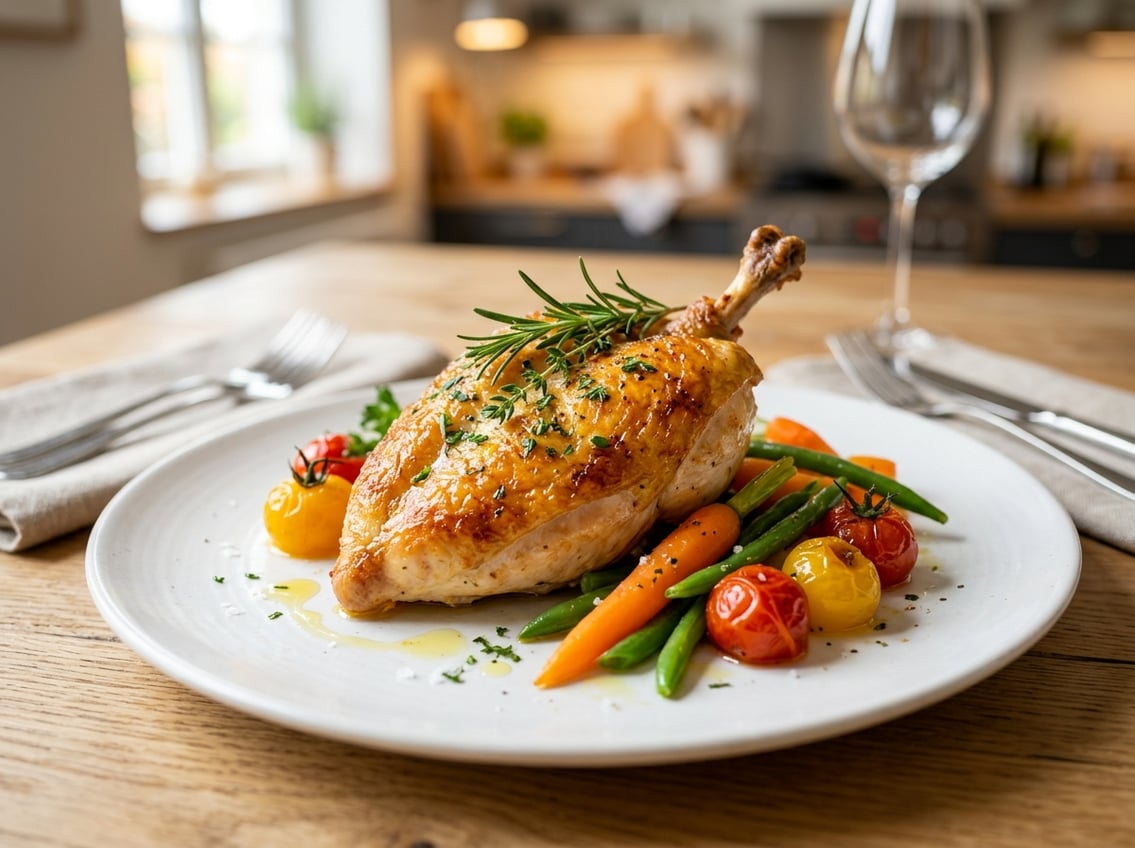
Airline chicken breast uses a chicken breast with the skin left on and the first wing joint still attached. Sometimes the breast is trimmed to remove extra wing meat while keeping the drumette attached.
The shape changes how the cut cooks, how it looks, and how you serve it. The attached wing piece is the feature that makes it different from a standard boneless breast.
The Basic Anatomy of the Cut
A typical airline cut includes the breast meat, the skin, and the drumette. Some butchers also leave the first wing joint attached.
When the breast is trimmed into a frenched breast, some of the exposed bone is cleaned for a neater look. That is a presentation step, not a different part of the bird.
How It Differs From a Standard Chicken Breast
A standard chicken breast is usually sold boneless and skinless, or as a simple bone-in breast. Airline chicken breast keeps the skin on and adds the wing piece, so it looks more finished on the plate.
It also gives you more structure while cooking. That can help the breast stay juicy and give you a better handle when serving.
Why the Bone and Skin Are Left On
The skin helps the surface brown and crisp. The bone can add flavor and helps protect the meat from drying out too quickly.
Many cooks prefer a skin-on or bone-in chicken breast when they want a better result than a plain boneless breast.
Other Names You May See
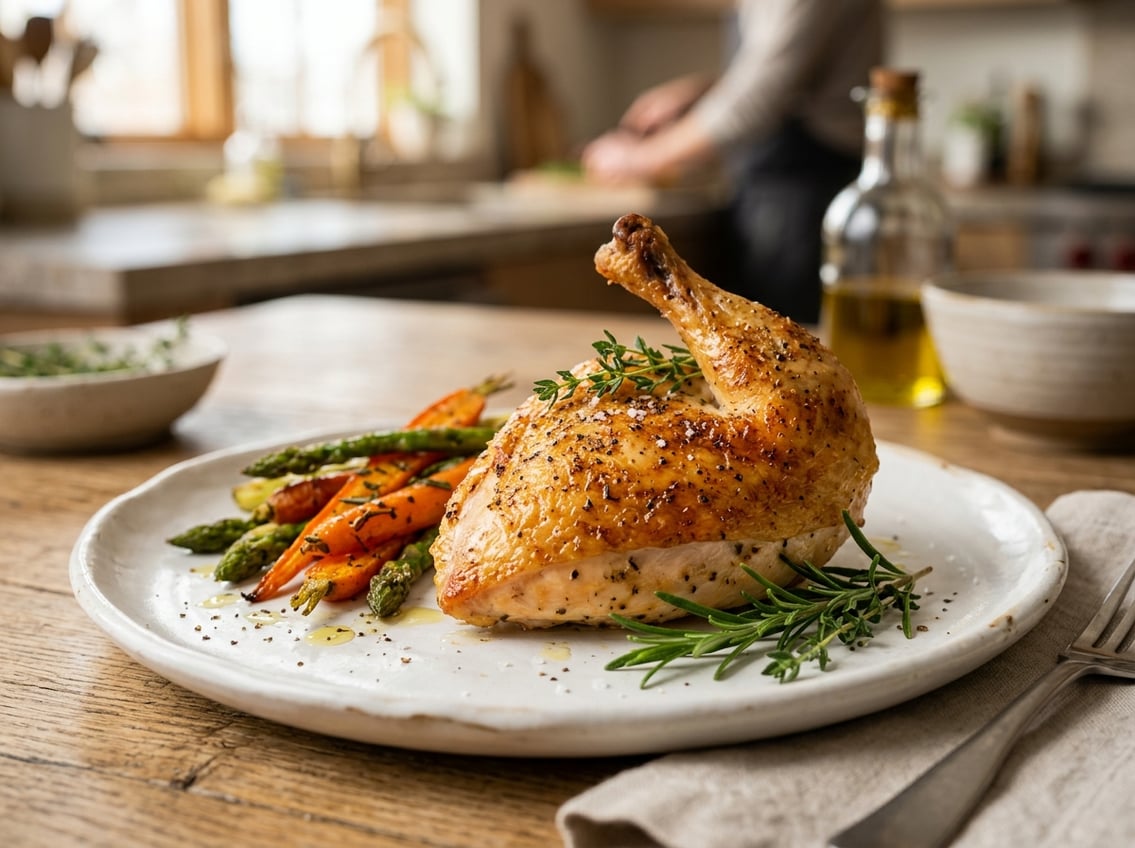
You may not always see the words airline chicken breast on a menu or butcher label. Several older and more formal names point to the same basic cut.
The most common related terms are Statler chicken, Statler chicken breast, chicken supreme, chicken suprême, and frenched chicken breast.
Statler and Statler Chicken Breast
Statler chicken and Statler chicken breast are older names for an airline-style breast with the wing joint attached. These names still appear in some butcher shops and specialty food references.
The cut is similar enough that you can think of it as a dressed-up chicken breast with the wing piece left on for appearance and serving.
Chicken Supreme and Chicken Suprême
Chicken supreme and chicken suprême are terms you may see on restaurant menus, especially where French-style cooking language is used. These names often point to a carefully trimmed breast, sometimes with the skin on and the wing portion attached.
Menu wording can vary, so the exact trim may differ a little from one kitchen to another.
Frenched Chicken Breast and Frenching
A frenched chicken breast usually means the bone or wing bone has been cleaned and trimmed for a neat look. The process is called frenching.
Frenching is mostly about presentation. It does not change the core idea of the cut, which is a breast served with a shaped, exposed bone or attached wing piece.
Why Restaurants and Butchers Use This Cut
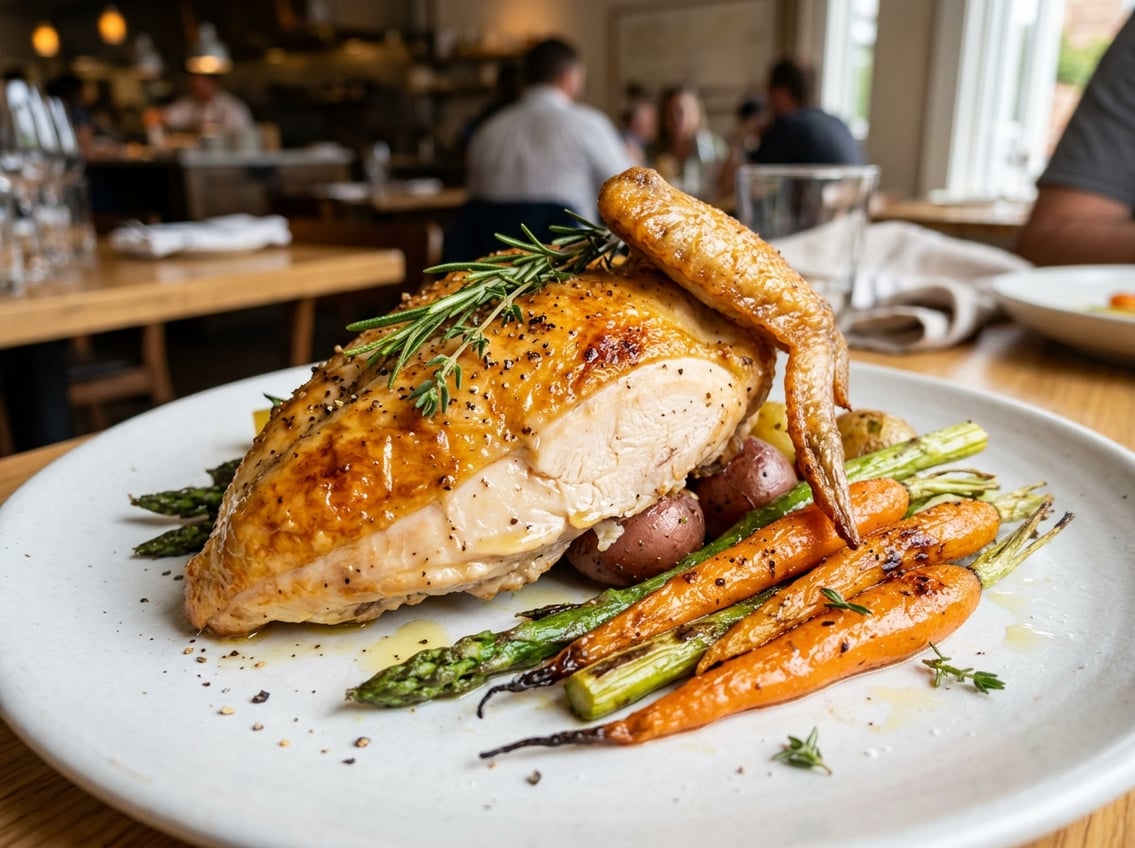
Restaurants and butchers use airline chicken breast because it plates well, cooks evenly, and looks more special than a plain breast. It also gives you a natural handle, which makes serving and eating easier.
If you plan to buy airline chicken, you will often need a butcher, a specialty market, or a pre-order from a meat counter.
Presentation and the Signature Handle
The attached drummette is the signature feature. It gives the breast a clean shape and a built-in grip, which is useful for both plating and eating.
Chefs use the cut for dinner service, catered meals, and higher-end home cooking.
Moisture, Flavor, and Even Cooking
A bone-in, skin-on cut can stay moist better than a plain boneless breast if you cook it carefully. The skin also gives you a better chance at crisp texture.
The bone-in version can be more flavorful and stand out on the plate. That makes it a practical choice when you want a simple protein with a more refined result.
Where to Buy Airline Chicken
You are unlikely to find airline chicken breast in every supermarket meat case. Specialty butcher shops are a better bet, and some stores will prepare it if you ask ahead of time.
If you want the cut ready to cook, call in advance and ask whether they can trim a skin-on chicken breast into an airline style with the drummette attached.
Preparation Basics for Home Cooks
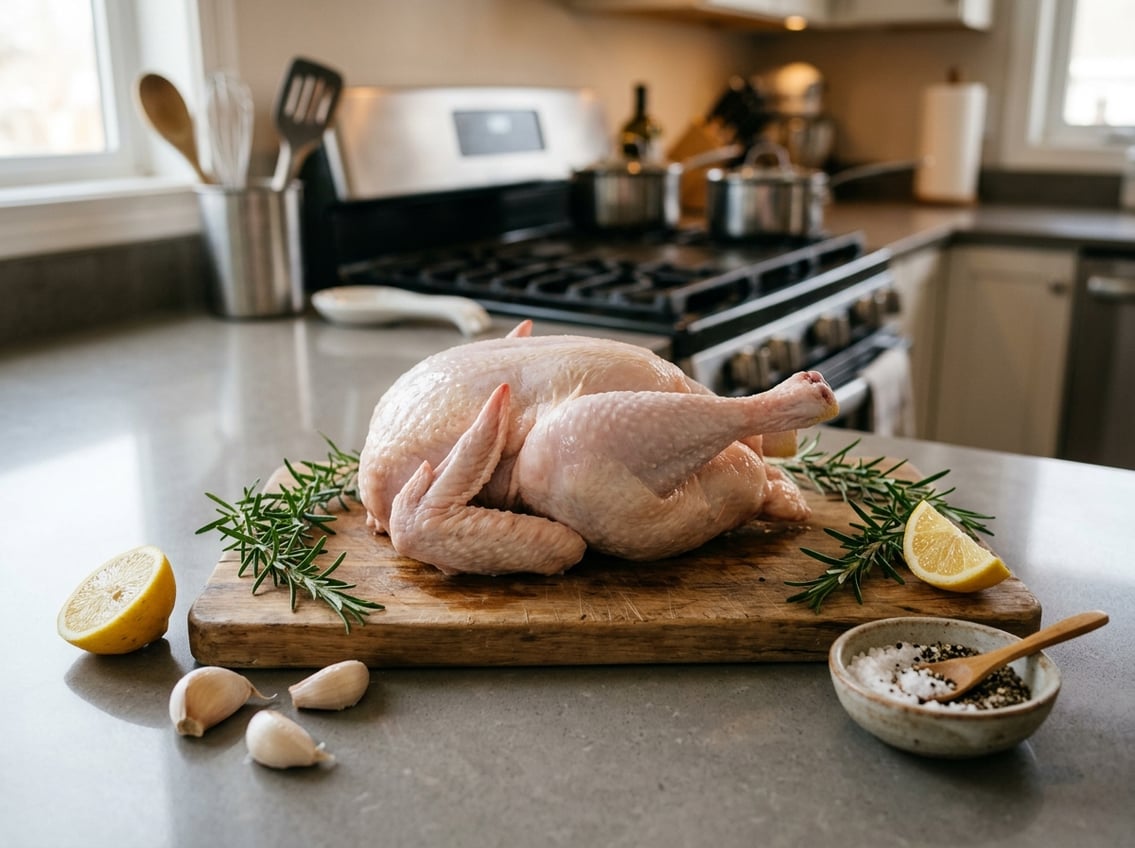
At home, the main tasks are trimming the breast cleanly, keeping the skin dry, and cooking it to the right internal temperature. The cut is forgiving enough for a weeknight meal, yet polished enough for guests.
If you know how to cut an airline chicken breast and how to cook airline chicken breast, you can use the same basic method again and again.
How to Cut an Airline Chicken Breast
Start with a bone-in breast and the wing still attached. Trim the wing so the drumette remains connected, then clean the bone area for a neat look if you want a French-style finish.
That trimming process is a form of frenching. If you are not comfortable with butchery, it is easier to ask your butcher to prepare it for you.
How to Cook Airline Chicken Breast
Pat the chicken dry before cooking, because dry skin browns better. Then season it, let it sit briefly at room temperature, and cook it with heat that lets the skin crisp without overcooking the meat.
A common method is searing first, then finishing in the oven. Preheating the oven and avoiding crowding in the pan both help the skin turn crisp.
How to Cook Airline Chicken
When you cook airline chicken, focus on browning the skin and keeping the breast juicy.
Use a cast-iron skillet, grill, or oven, and watch the temperature closely.
Check the chicken with a meat thermometer and remove it when the thickest part reaches 165°F.
If you cook more than one piece, leave space between them so the skin browns evenly.


