
Why Have Chicken Breasts Gotten So Big? Key Reasons
Why have chicken breasts gotten so big? The poultry industry has spent decades breeding broiler chicken lines for faster growth, better feed efficiency, and more breast meat.
This has made the white meat on modern birds much larger than it was in earlier generations.
If you keep seeing oversized chicken breasts at the store, you are looking at the result of selective breeding, improved feed, and tightly controlled housing that pushes chicken growth in a very specific direction.
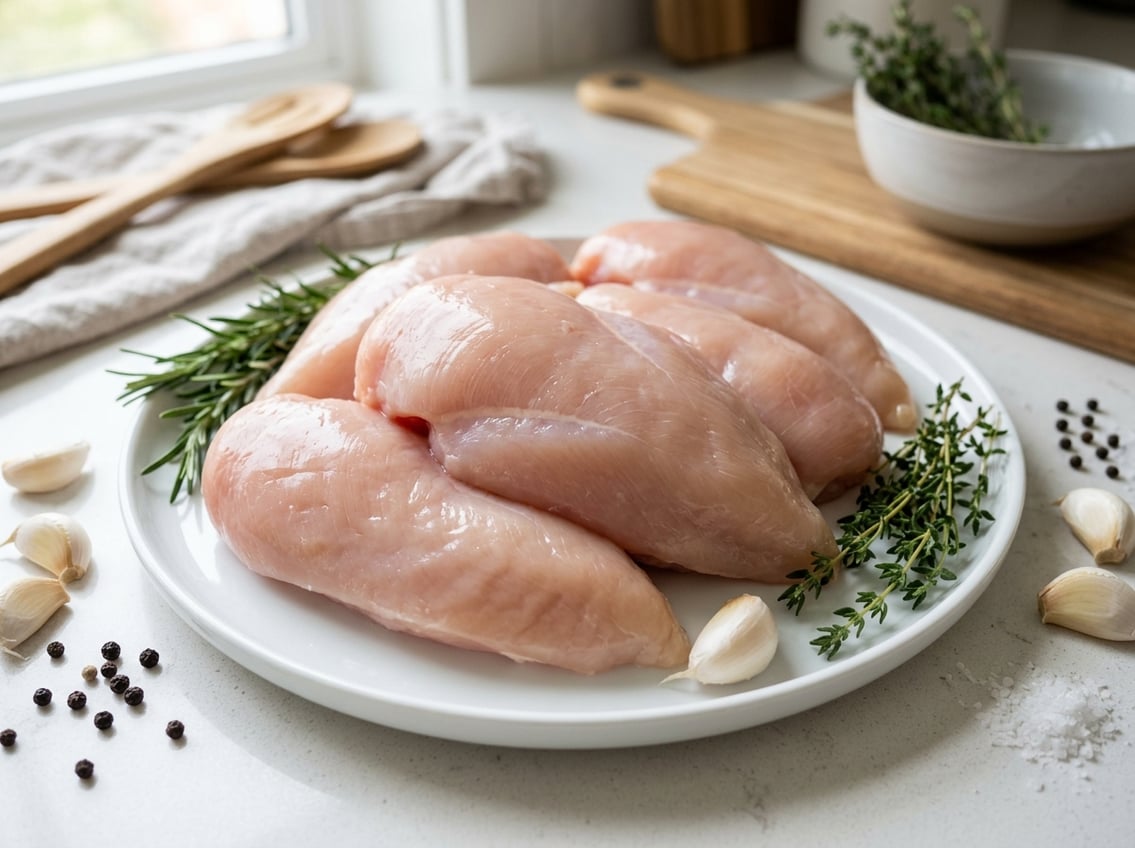
Today’s broiler chickens are not the same kind of bird many people remember from older farms or backyard flocks.
They have been shaped to grow quickly, convert feed efficiently, and produce more usable meat, especially breast meat.
That is why the breast often looks much larger than the legs or thighs.
The Main Drivers of Larger Breasts
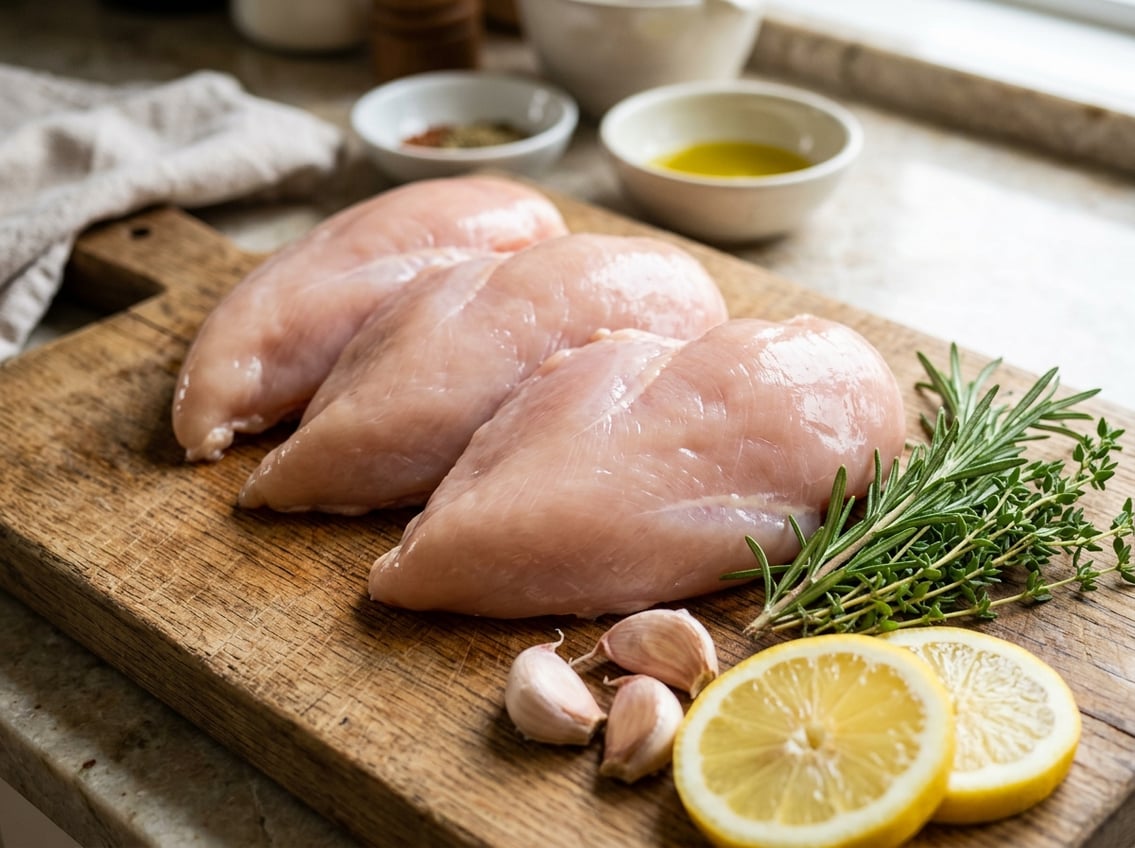
The size of a chicken breast comes from a long mix of breeding choices, better diets, and housing systems that support fast growth in modern poultry production.
How Selective Breeding Changed Breast Size
Selective breeding has made chicken breasts grow much larger.
For many generations, breeders have chosen broilers with traits like more meat, faster growth, and larger breast muscles.
This process has changed the shape of the broiler chicken.
Birds that produced more white meat became more likely to be used in future breeding lines, so breast size kept rising over time.
Why Genetic Selection Favors Faster-Growing Broilers
Genetic selection lets poultry companies make broilers grow in a very specific pattern.
The goal is a bird that reaches market weight fast with less feed.
This focus on growth and efficiency has pushed modern broiler genetics toward heavier breast muscle.
Research summaries such as this overview of long-term broiler size trends show that consumer demand and breeding goals have moved in the same direction for years.
How Improved Nutrition and Feed Conversion Boost Muscle Growth
Modern feed supports rapid chicken growth.
It provides the right balance of protein, amino acids, energy, and minerals so birds can turn feed into muscle more efficiently.
Feed conversion is central to poultry production.
When a bird can make more meat from less feed, the breast often gets bigger as breeding and nutrition work together.
Chickens on well-managed diets also reach market size faster, which supports the whole system.
What Environmental Control Adds to Modern Poultry Production
Environmental control gives broilers steady heat, ventilation, light, and space conditions.
That reduces stress and helps birds keep eating and growing on schedule.
In controlled housing, chickens do not need to spend energy finding warmth or dealing with weather swings.
More of their energy can go toward muscle growth, which supports the larger breast size you now see in stores.
How Modern Meat Chickens Became So Different
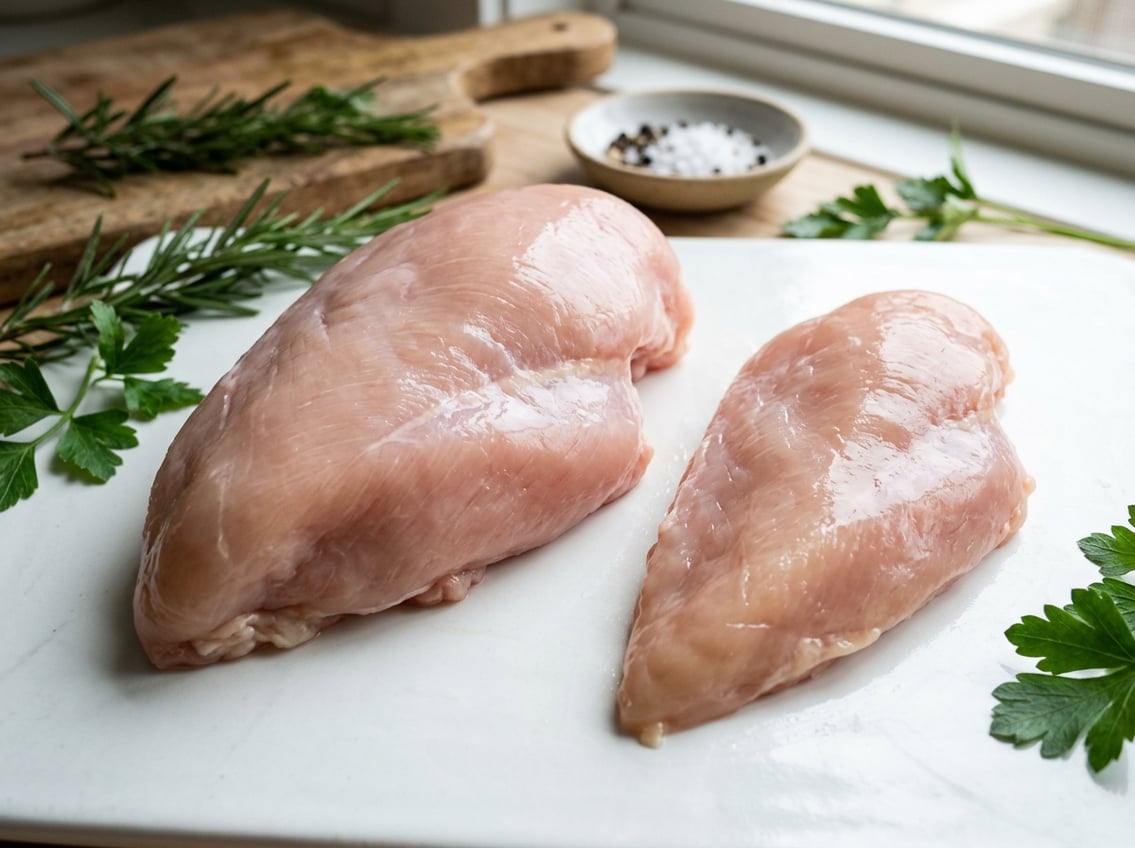
Modern meat chickens were built for a different job than older farm chickens.
They are bred for fast growth, large breast yield, and steady production.
That is why a modern broiler looks and behaves differently from older meat birds.
From Older Birds to the Modern Broiler
Older chickens grew more slowly and had a more balanced body shape.
They often needed more time to reach market size, and their meat was less focused on one part of the bird.
The modern broiler is much more specialized.
As one U.S. industry explanation notes, today’s young broiler chickens are the birds most often used for meat production, and they are selected to deliver a lot of breast meat in a short time.
Why Cornish Cross Became the Standard Meat Bird
The Cornish Cross became the standard meat bird because it grows quickly and produces a large breast.
It also performs well in commercial systems where speed and yield matter most.
That made it a practical choice for large-scale poultry production.
Once that bird became common, the market adjusted around it, and shoppers came to expect big, meaty chicken breasts.
What Ross 308 and Ross 308 Broiler Show About Industry Breeding
The Ross 308 and Ross 308 broiler are well-known examples of modern commercial breeding.
They show how far genetic selection has moved toward birds that grow fast and convert feed efficiently.
These types of broilers are built for the needs of the poultry industry, not for a backyard setting.
Their growth pattern helps explain why chicken breasts today can look much larger than the same cut did decades ago.
How Consumer Demand for White Meat Shaped Bird Size
Consumer demand has played a major role in all of this.
In the U.S., many buyers prefer chicken breast over dark meat, so producers have had a reason to keep pushing white meat yield higher.
When buyers want more breast filets, nuggets, and sandwich cuts, the market rewards birds that produce bigger breasts.
What Bigger Breasts Mean for Shoppers and the Industry
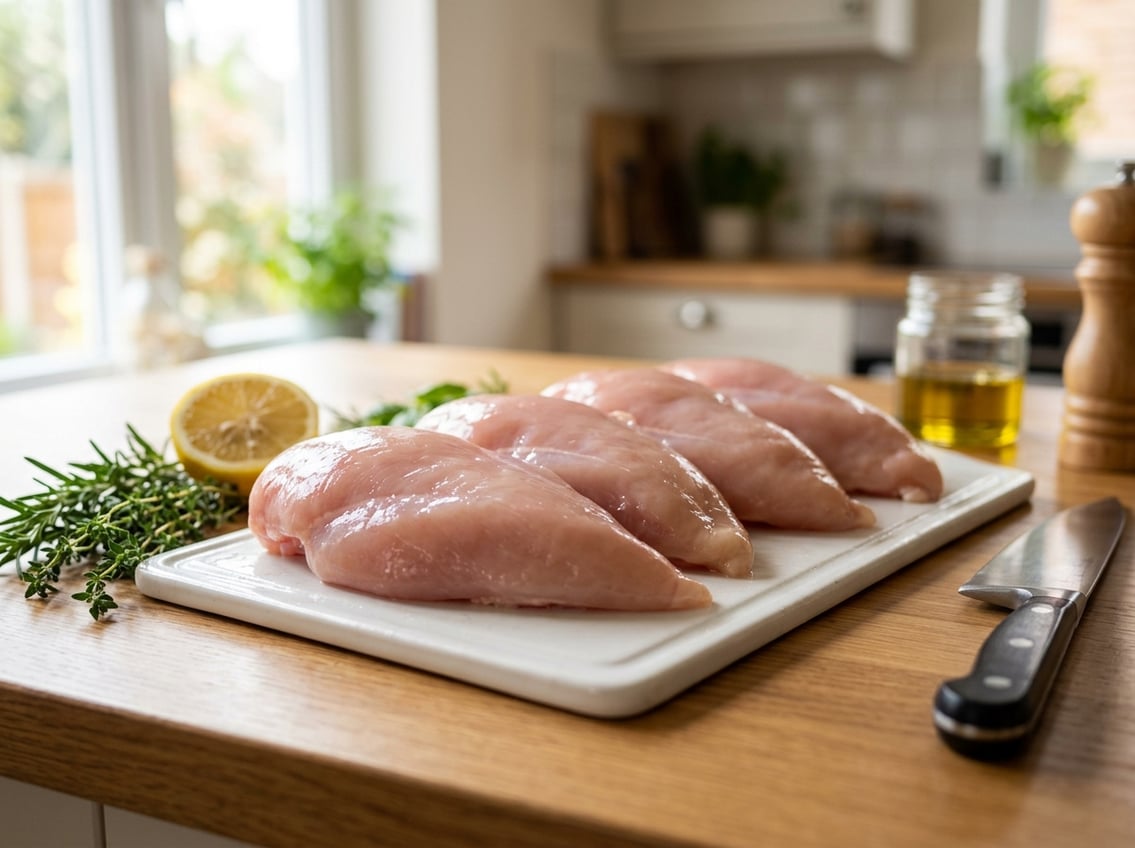
Bigger breasts change how the poultry industry works and what you see at the store.
They affect efficiency, pricing, animal welfare concerns, and the myths that still surround chicken production.
Why Bigger Birds Improve Production Efficiency
Larger broilers can improve feed conversion and raise more usable meat per bird.
That makes poultry production more efficient for processors, distributors, and retailers.
A bird that yields more breast meat can meet demand with fewer animals.
That is one reason the poultry industry keeps favoring modern broiler genetics that support large white meat cuts.
Common Myths About Hormones and Genetic Engineering
A common myth says chicken breasts are big because farmers inject hormones into birds.
In the U.S., that is not how commercial chicken production works, and hormone use in poultry is not the reason for today’s bird size.
The bigger driver is selective breeding through genetic selection, not dramatic lab changes.
Over many generations, breeders have chosen birds that grew faster and produced more breast meat.
Quality and Welfare Concerns Linked to Rapid Growth
Rapid growth has raised real welfare concerns.
Birds bred for very fast size gain can face leg strain, heart stress, or movement problems if growth outpaces their bodies.
That does not mean every bird is unhealthy, and standards vary by farm.
It does mean the push for efficiency can create tradeoffs that the poultry industry still has to manage carefully.
How the National Chicken Council Frames the Trend
The National Chicken Council presents modern chicken production as a story of major gains in efficiency, supply, and affordability.
It describes the long rise in bird size as part of the industry’s progress in meeting consumer demand.
That framing highlights the business logic behind large broilers.
Producers have built the system to create bigger supermarket chicken breasts repeatedly.


