
Why Does Chicken Breast Make Me Gassy? Key Causes
If you keep asking, why does chicken breast make me gassy, the answer often involves more than just the chicken. Gas after eating chicken can result from the rest of the meal, how you cook the chicken, or how your digestion handles protein.
Chicken breast is usually seen as a light, lean food. Still, some people experience gas, especially with large portions, rich sauces, or gut issues.

Gas after eating chicken usually relates to the whole meal, not just the chicken breast. If you track ingredients, portion size, and your symptoms, you can narrow down the cause.
What Is Most Likely Triggering The Gas
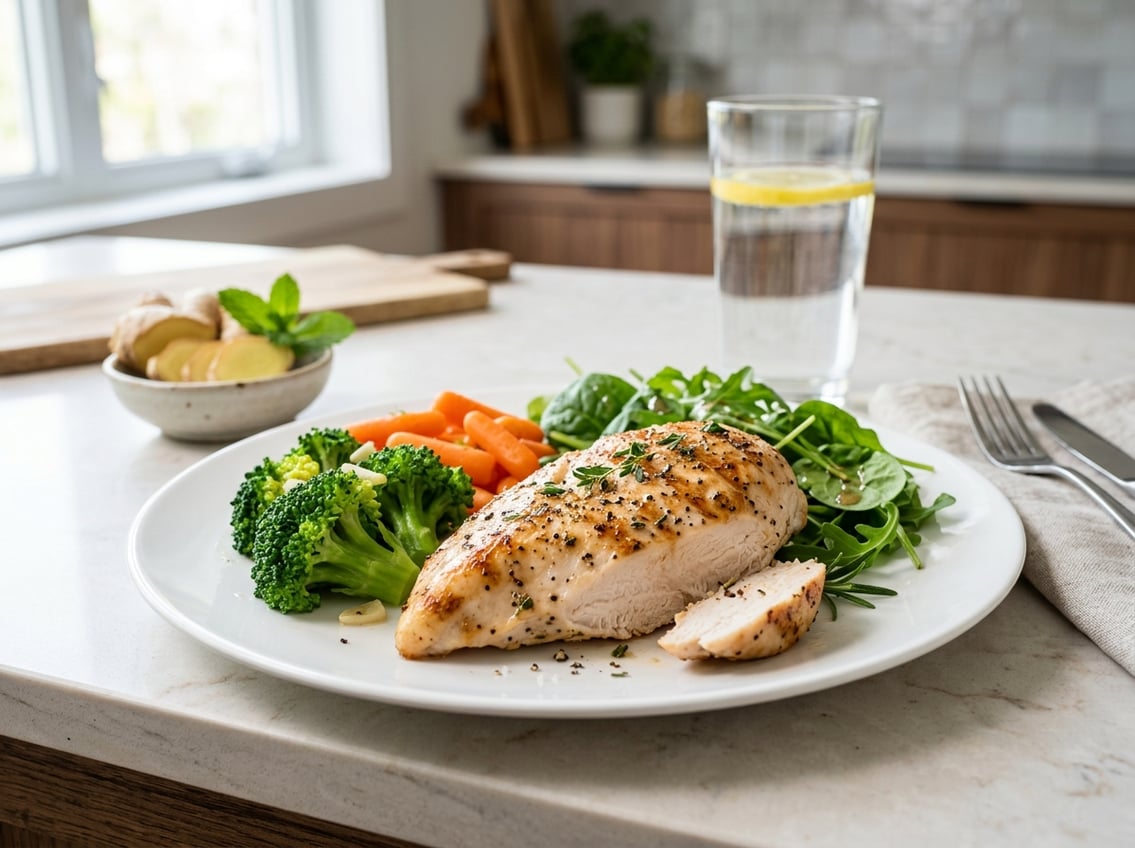
Chicken breast is lean, so your body often digests it more easily than fattier meats. Gas can become more likely when your digestion is slowed, when protein is not fully broken down, or when you eat chicken with foods that ferment in the gut.
Chicken Breast Itself vs. The Rest of the Meal
Plain chicken breast rarely causes gas by itself. Often, the real issue is what you eat with it, such as beans, onions, garlic, cheese, breading, or creamy sauces.
If symptoms show up only with certain recipes, the added ingredients are a strong clue.
Incomplete Protein Breakdown and Protein Fermentation
Your body may not always break down protein fully if your stomach acid and enzymes are low. When leftover protein reaches your colon, gut bacteria break it apart and release gas.
Gas after eating chicken may feel worse after a heavy meal or when your digestion is sluggish.
Why Portion Size and Eating Speed Matter
Large portions make your digestive system work harder. Eating fast can cause you to swallow more air, which adds to bloating and burping.
Smaller servings of chicken breast are easier to process, especially when you eat slowly and chew well.
Ingredients and Cooking Choices That Make Symptoms Worse

What you add to chicken breast can make it harder on your stomach. High-FODMAP ingredients, fried coatings, and rich sauces can turn a plain meal into one more likely to cause bloating.
High-FODMAP Ingredients in Marinades, Rubs, and Sides
Garlic, onion, honey, wheat-based marinades, and certain seasoning blends can all increase the chance of gas. These high-FODMAP ingredients often appear in marinades, spice rubs, and side dishes.
If you notice symptoms after takeout or meal prep bowls, the seasoning mix may be the reason. Swapping to salt, pepper, herbs, lemon, or ginger may help.
Why Fried Chicken Breast and Heavy Fats Slow Digestion
Frying adds fat, and fat slows how quickly your stomach empties. Food may stay in your stomach longer, which can increase pressure, bloating, and gas.
Baked or poached chicken often feels easier to digest than fried chicken breast. Poaching, steaming, and boiling chicken are among the healthiest and gentlest ways to cook it.
How to Avoid Heavy Sauces and Processed Add-Ins
Cream sauces, cheese sauces, store-bought glazes, and processed chicken products often contain extra fat, dairy, or additives. If you want to avoid heavy sauces, choose plain cooking methods and add flavor with simple herbs.
Check the ingredient list on pre-marinated or frozen chicken. For many people, this is an easy way to reduce gas and spot the real trigger.
When Your Digestion May Be Part of the Problem

If chicken breast seems to cause gas no matter how you cook it, your digestion may be part of the issue. IBS, SIBO, enzyme problems, and low stomach acid can all make protein harder to handle.
IBS, SIBO, and Food Sensitivities
IBS can make your gut react strongly to foods that would not bother other people. SIBO can raise gas after eating chicken because bacteria are in the wrong place and may ferment food earlier than usual.
Food sensitivities can also play a role. A plain chicken meal may still cause symptoms if your gut is already reactive or sensitive.
Low Stomach Acid and Enzyme Issues
Stomach acid helps start protein digestion, and enzymes keep the process moving. If either is low, your body may not break down chicken protein well.
This can increase protein fermentation later in the gut. If this happens often, talk with a clinician.
Signs It Is Time to Talk to a Clinician
You should get medical advice if gas comes with weight loss, vomiting, blood in stool, fever, or ongoing pain. You should also speak with a clinician if symptoms happen often, even with plain chicken breast and simple sides.
Frequent symptoms may point to IBS, a food intolerance, or another digestion issue that needs care.
Simple Ways to Eat Chicken Breast With Less Discomfort
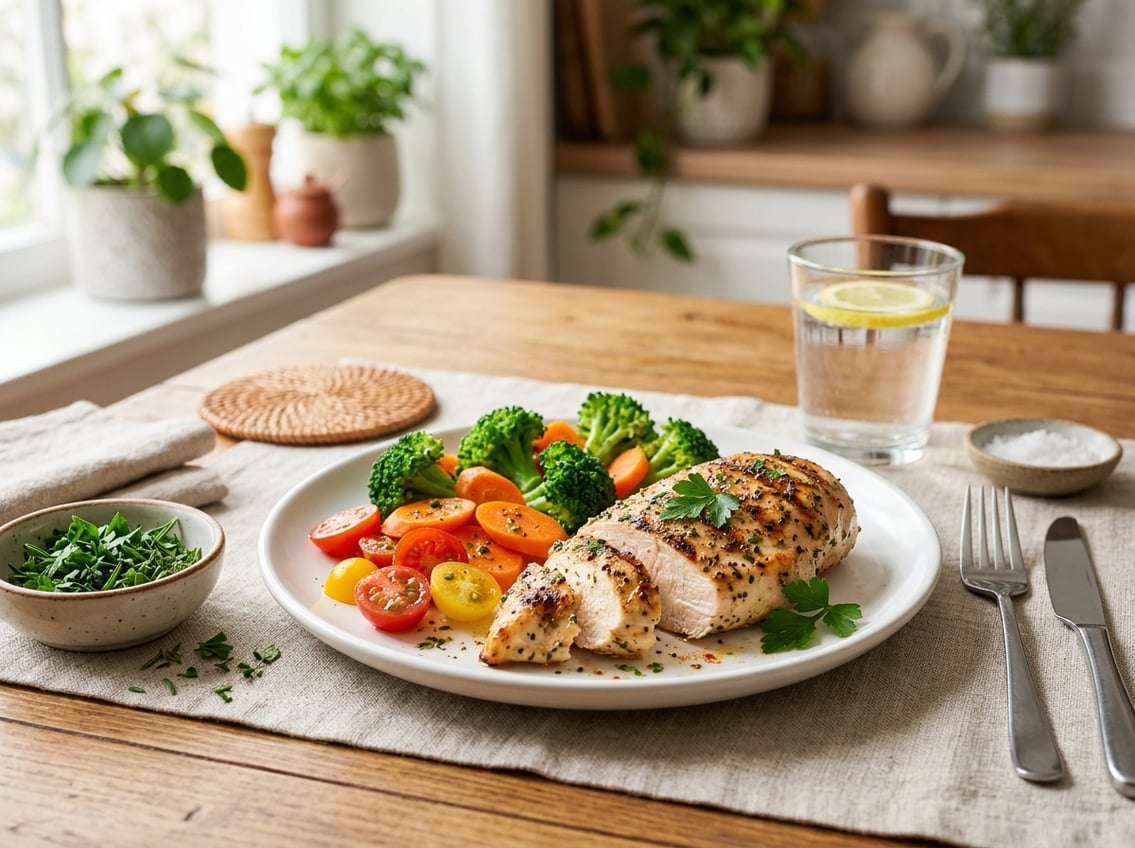
You do not always need to avoid chicken breast. Small changes in how you cook it, what you eat with it, and how much you eat can lower the chance of gas after eating chicken.
Choose Lean, Plain Preparations
Start with plain chicken breast that you bake, grill, poach, or steam. Keep seasoning simple and skip breading, cream sauces, and lots of oil.
If you want a quick test, eat chicken by itself with just salt and a little herb seasoning. That can help you see whether the gas is linked to the meat or to the extras.
Pair Chicken Breast With Lower-Gas Sides
Choose sides that are less likely to ferment, such as rice, potatoes, carrots, zucchini, or spinach. Watch for high-FODMAP ingredients in sauces, dressings, and seasonings.
Avoid heavy sauces when possible, especially if you already notice bloating after richer meals. A lighter plate is often easier to digest.
Practical Tips to Reduce Gas After Meals
-
Eat smaller portions of chicken breast.
-
Chew slowly and avoid rushing your meal.
-
Drink water through the day, not just at mealtime.
-
Limit fried coatings and greasy toppings.
-
Test one ingredient change at a time so you can spot the trigger.
-
Track your meals if symptoms keep returning.
If you notice no changes, consider keeping a food and symptom log. This can help you discuss your digestion with a healthcare provider.


