
Why Is My Raw Chicken Breast Tough? Causes and Fixes
You may wonder, why is my raw chicken breast tough when it already feels firm before cooking. In many cases, the meat is unusually dense, rubbery, or rigid because of how the bird was raised, how the cut was handled, or how you plan to cook it.
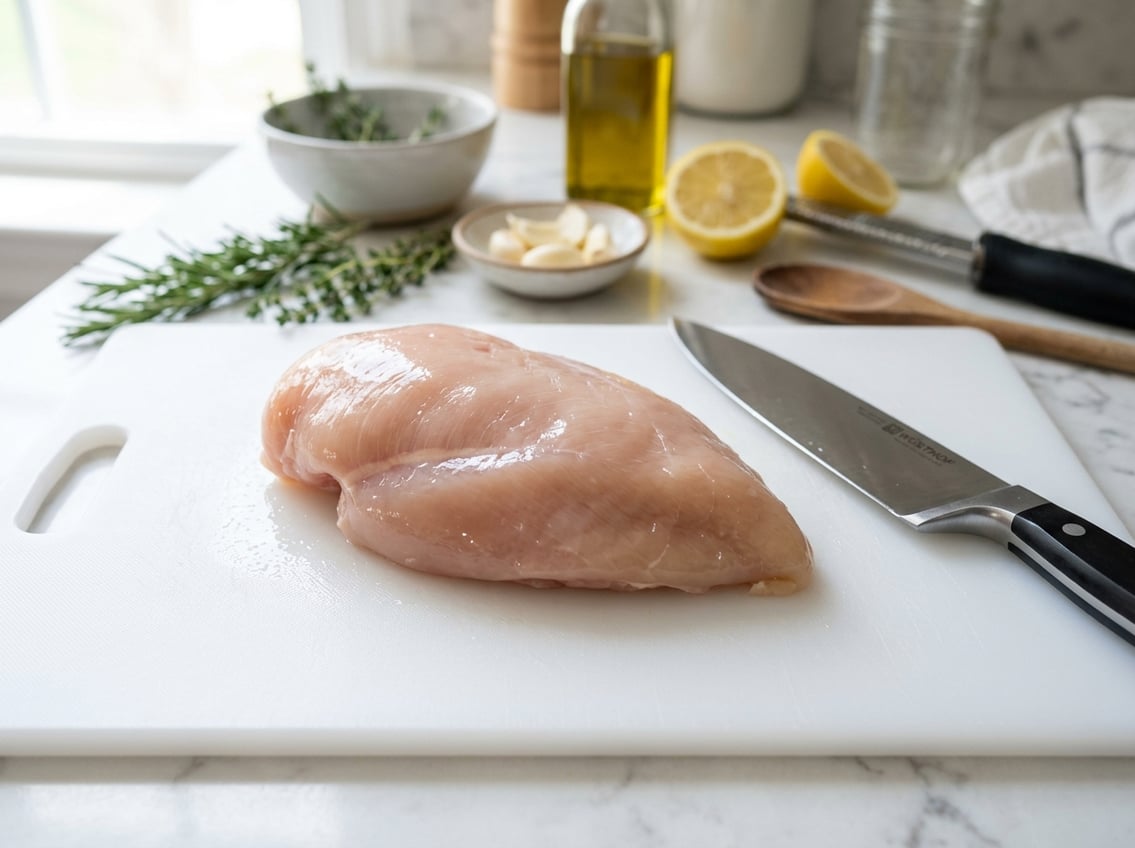
A raw chicken breast should feel moist, flexible, and slightly springy, not hard or stringy. If your chicken breast feels tough before cooking, the issue is usually meat quality, not a cooking mistake.
You can often fix tough chicken breast by choosing better cuts, trimming and pounding them for even thickness, and cooking them gently. The goal is to keep the meat tender and avoid letting heat or poor texture make it worse.
What Tough Raw Texture Usually Means
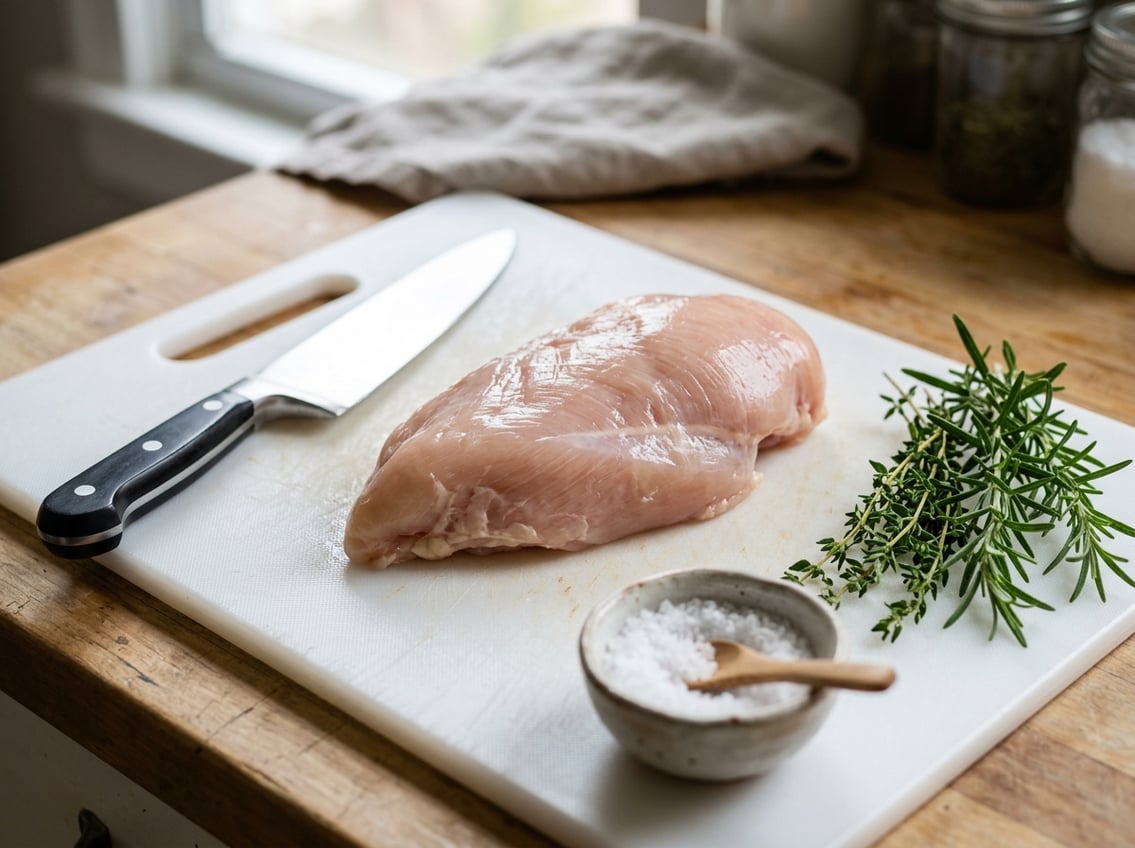
A tough raw texture usually means the chicken breast is denser than normal or has a grainy, rubbery feel. That can point to a quality issue in the meat itself, including woody breast syndrome, which affects texture before cooking.
How Normal Raw Chicken Breast Should Feel
A normal chicken breast should feel soft, moist, and slightly firm when you press it. It should not feel stiff like a block of meat.
If the surface is smooth and the muscle fibers look even, that is a good sign. A tender chicken breast usually gives a little when pressed and does not feel leathery.
Signs the Texture Is Unusually Firm or Rubbery
A raw chicken breast may be unusually tough if it feels hard, very dense, or rubbery. You may also notice thicker white streaks, uneven sections, or a wood-like bite when you cut into it.
These signs can point to woody breast or another meat quality issue. In that case, the problem started before cooking and may not go away with heat alone.
Why Raw Toughness Is Different From Overcooked Dryness
Raw toughness is about the meat’s structure before heat is applied. Dryness from overcooking happens after moisture has already been pushed out by heat.
A chicken breast can feel tough in the package and still be cooked safely later. You need to handle it differently than a normal cut, especially if you want a juicy chicken breast.
Common Causes Before Cooking
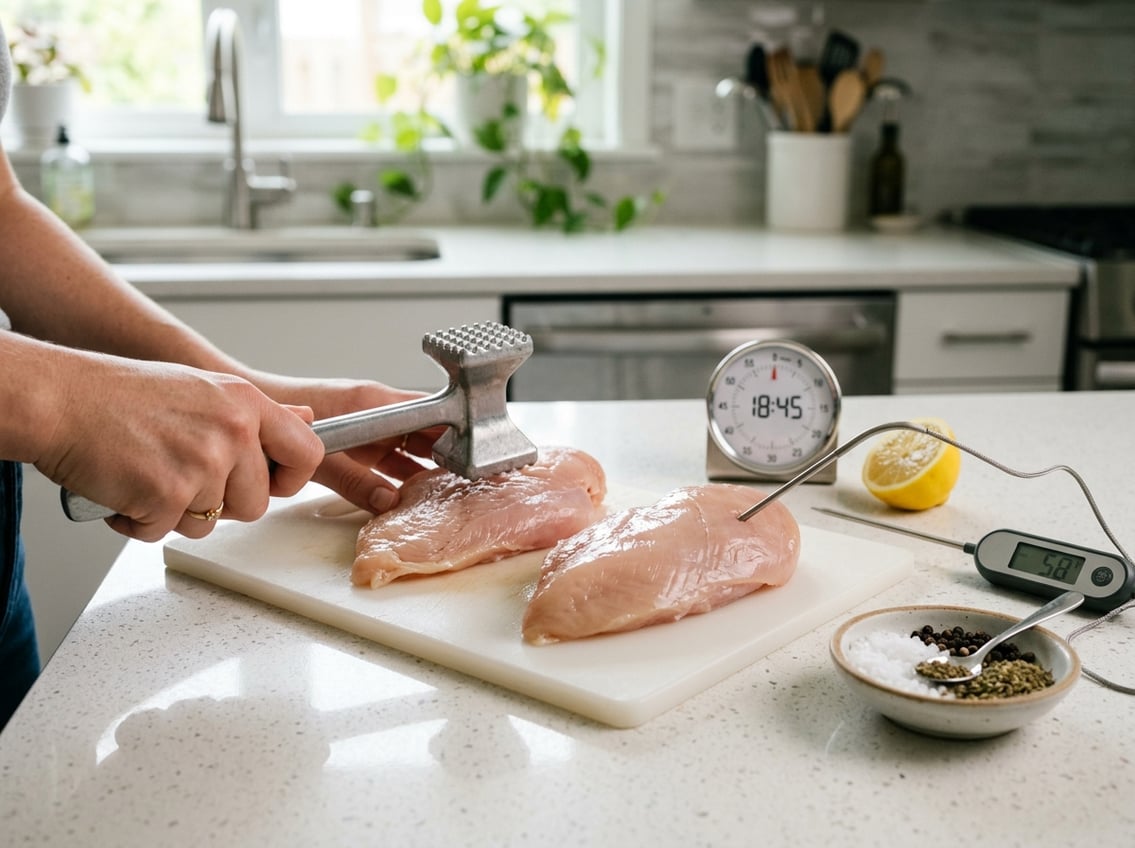
Some chicken breasts start out tough because of the way the bird was raised or processed. Size, growth rate, and meat quality all affect how the raw meat feels and how it cooks.
Woody Breast Syndrome and Large Fast-Grown Birds
Woody breast syndrome is a muscle condition found in some chicken breast cuts. Fast-growing birds are more likely to have this issue, which can make the meat feel hard, rigid, or almost wooden when raw, as noted in guidance on woody breast and texture issues.
It does not usually make the chicken unsafe to eat, but it can make the texture less pleasant. If the meat feels very firm before cooking, woody breast is one possible reason.
Poor Meat Quality and Excessively Large Cuts
Very large chicken breasts are not always better. Bigger cuts can come from birds with faster growth, and that can mean more uneven muscle texture.
You may also notice more toughness in lower-quality packaging or meat that has been handled poorly. If a cut feels unusually heavy, dense, or spongy, it may not cook into a tender chicken breast as easily.
Why Air-Chilled Chicken Can Have Better Texture
Air-chilled chicken often has a firmer, cleaner texture than chicken that has absorbed extra water during processing. It also tends to brown better and may taste less watery.
That does not guarantee a tender chicken breast, but it can improve the starting quality. If you often run into tough chicken breast, trying air-chilled chicken is a practical upgrade.
What You Can Do to Improve Texture
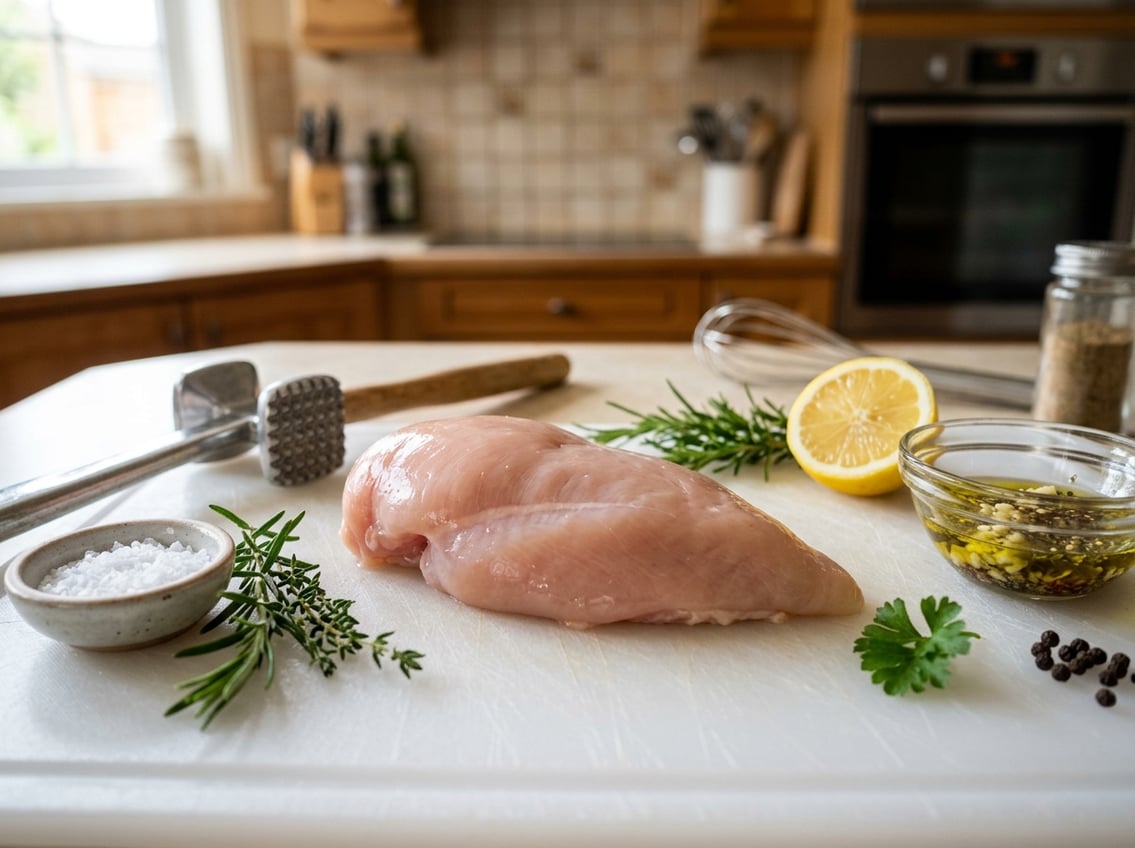
You cannot fully change a bad cut, but you can improve how it eats. The best fixes focus on even thickness, moisture retention, and using the meat in the right kind of dish.
Pounding Chicken Breast for Evenness and Tenderness
Pounding chicken breast helps even out thickness, so the thinner end does not cook faster than the thicker end. It also breaks up some of the tight muscle structure.
Place the chicken between sheets of plastic wrap or in a sealed bag, then pound it gently with a mallet or rolling pin. This is one of the easiest ways to fix tough chicken breast before cooking.
Brining or Marinating for Better Moisture Retention
A simple salt brine can help the meat hold onto moisture and feel less dry after cooking. Marinating can also help, especially when you use acid, yogurt, oil, or seasoned buttermilk.
These methods do not erase woody breast syndrome, but they can improve the finished texture. Even a short brine can make a noticeable difference.
When to Slice Thin or Use It in Saucy Dishes
If the raw chicken breast already feels quite tough, slice it thin before cooking. Thin slices cook fast and are easier to eat, even when the meat quality is not ideal.
You can also use it in soups, stir-fries, tacos, or pasta dishes with sauce. Those dishes help mask a firm texture and keep the chicken breast from feeling dry.
How to Cook It Without Making It Worse
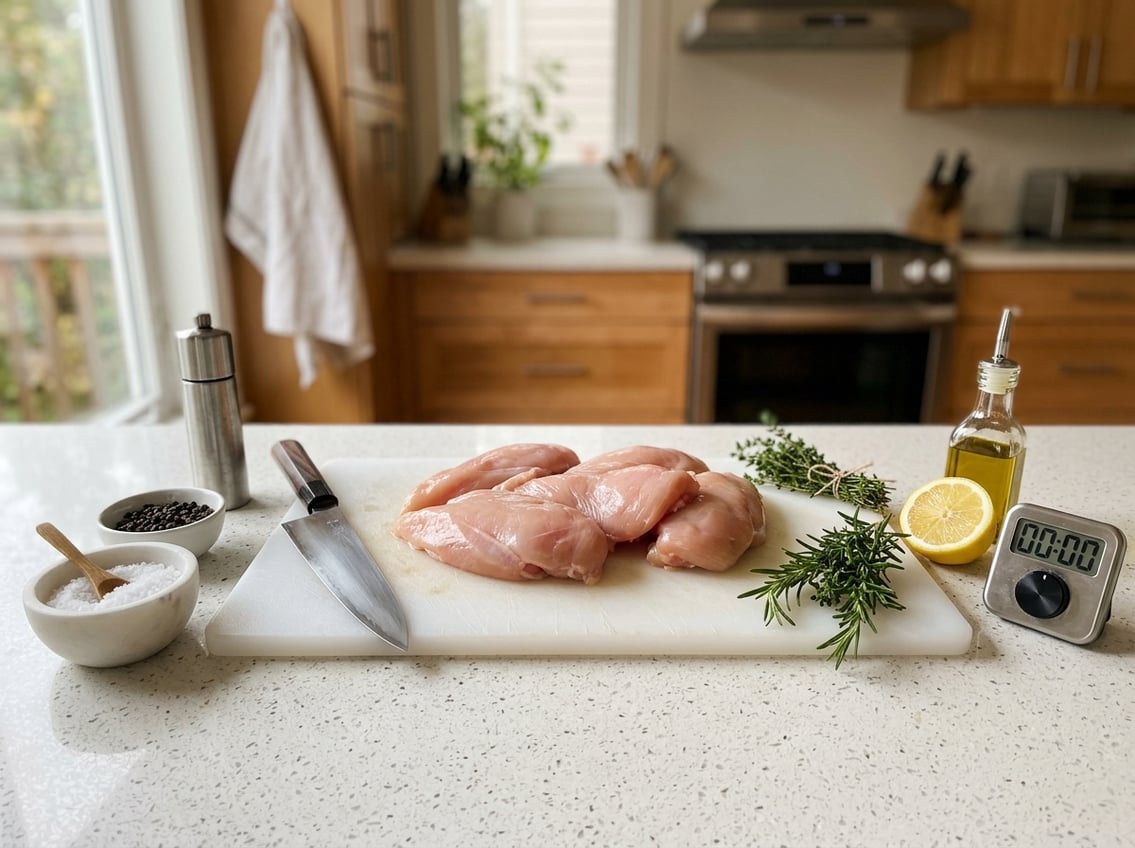
Once you start cooking, your main job is to avoid pushing a tough cut into dry, chewy territory. The biggest risks are overcooking, guessing on doneness, and using too much heat for too long.
Use a Meat Thermometer Instead of Guessing
You should use a meat thermometer so you know exactly when the chicken is done. Chicken breast is lean, so a small temperature change can affect texture a lot.
According to the USDA guidance summarized in simple chicken breast cooking tips, chicken should reach 165°F for safety. That target keeps you from undercooking or overshooting the mark.
Carryover Cooking and When to Pull It Off the Heat
Carryover cooking means the temperature keeps rising after you remove the chicken from the heat. If you wait until the center is already fully done on the stove, you may end up with dry chicken breast.
Pull the meat a little early, then let it rest. The center will finish cooking while the juices settle back into the meat.
Best Cooking Approaches for Juicy Results
Gentle methods work best for juicy chicken breast. You can pan cook over medium heat, bake at a moderate temperature, poach, or use sous vide if you watch the temperature closely.
Control the heat and avoid leaving the chicken on the burner too long. If the raw chicken breast was already tough, careful cooking matters even more because rough treatment will make it worse.


