
Is It Okay to Eat Chicken Breast Everyday? Risks and Benefits
Is it okay to eat chicken breast every day? For many people, daily chicken breast fits into a healthy diet if you keep portions reasonable and balance it with other foods.
Chicken breast is a lean protein that gives you all essential amino acids. It can help with muscle repair, satiety, and meeting your protein needs.

The bigger issue is not chicken breast itself. Eating chicken every day might crowd out other protein sources, healthy fats, fiber, and key nutrients you need from a varied diet.
Chicken is popular because it is affordable and easy to cook. It works in many meals.
If you eat chicken every day, your health depends on the cut, portion size, cooking method, and what else you eat across the week.
The Short Answer
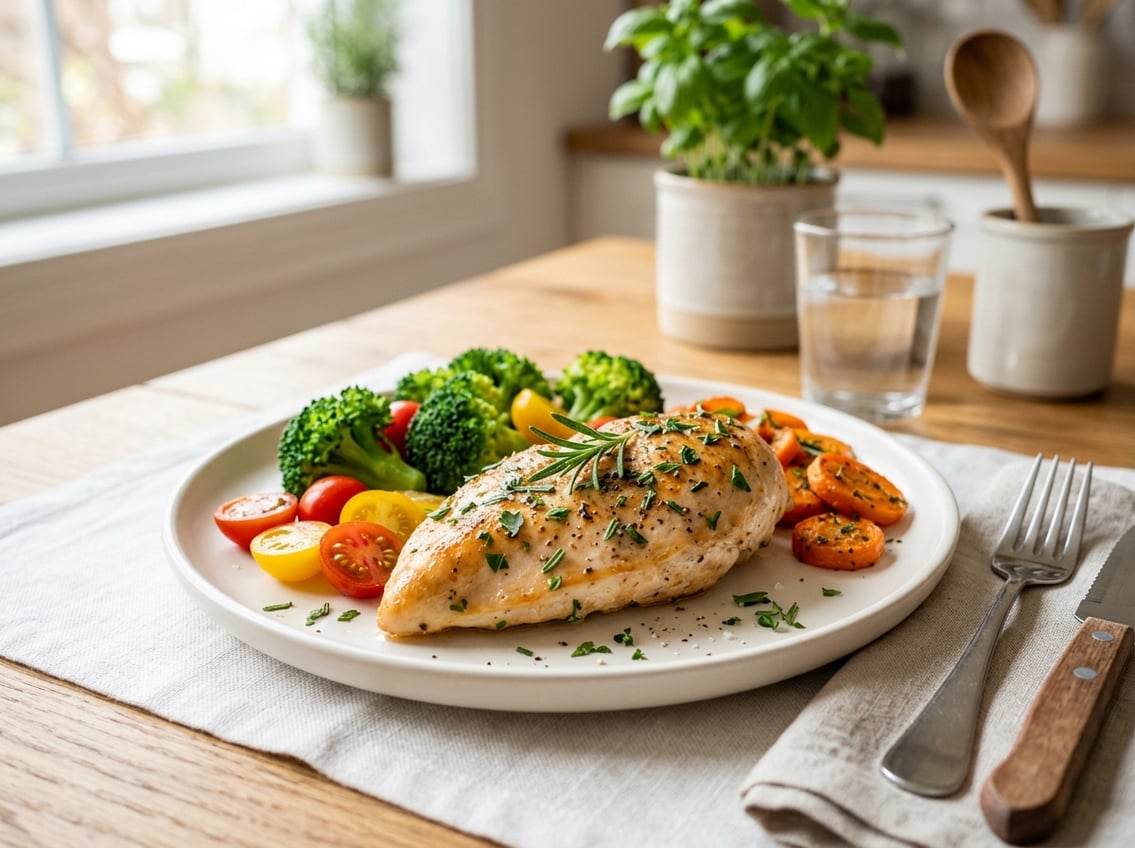
Chicken breast can be a strong choice when you want lean protein and a simple way to meet daily protein goals. A skinless chicken breast is high in protein and low in fat.
Who May Benefit Most From Eating It Regularly
You may benefit from eating chicken breast regularly if you are trying to build muscle, manage your appetite, or keep meals simple. It is also useful if you need a reliable, high-quality protein source that is easy to portion.
When Daily Use Can Become Too Repetitive
If you eat chicken every day, you might reduce variety in your diet. That can limit nutrients you would get from fish, beans, eggs, or dairy.
How Portion Size Changes the Answer
Portion size matters a lot. A moderate serving supports your protein needs, while oversized portions can crowd out vegetables, grains, and healthy fats.
A 4-ounce serving of chicken gives about 35 grams of protein, according to EatingWell. For many adults, that may be enough for one meal.
What Chicken Breast Gives You Nutritionally

Chicken breast offers a lot of protein in a small serving, along with a few important vitamins and minerals. It is a practical option for a simple, high-protein meal.
Protein, Satiety, and Muscle Support
Chicken breast provides all essential amino acids. Those amino acids support muscle repair and help your body build and maintain tissues.
Its high protein content can help you feel full after meals. That can make it easier to manage hunger between meals.
Key Micronutrients Like Niacin, Vitamin B6, and Phosphorus
Chicken breast gives you niacin, vitamin B6, and phosphorus. These nutrients help with energy use, metabolism, and cell function.
It also contains potassium, which supports normal body functions. In practice, chicken breast gives you more than protein, even though protein is its main strength.
What Chicken Breast Does Not Provide Much of
Skinless chicken breast does not provide much fat, fiber, or omega-3 fatty acids. It also does not give you the broad nutrient mix you get from other protein sources like salmon, eggs, beans, lentils, tofu, or shrimp.
That is why daily chicken breast works best when it is part of a varied eating pattern.
Main Downsides of Relying on It Too Often

Eating chicken breast every day can be fine, but it may create gaps if it crowds out other foods. The main issues are nutrient variety, food safety, and the way processed chicken products are handled.
Nutrient Gaps From Skipping Other Protein Sources
If you make chicken your main protein every day, you may miss nutrients that other foods provide. Salmon gives omega-3 fatty acids and healthy fats, while beans, lentils, tofu, pulses, and peas add fiber and different minerals.
You can also benefit from rotating in eggs, yogurt, and shrimp. Eating a wider mix of protein sources gives your body a more complete nutrient profile.
Food Safety Risks Such as Campylobacter
Raw chicken can carry bacteria such as campylobacter. Handle it safely, cook it fully, clean surfaces, and store it properly every time you prepare it.
This risk does not mean you should avoid chicken. Treat it like any raw poultry and use careful kitchen habits.
Concerns About Processed Chicken Products and Antibiotics
Processed chicken products often contain more sodium and may be less healthy than plain chicken breast. If you eat chicken daily, choose minimally processed cuts more often.
Some people worry about antibiotics in chicken. In the U.S., this concern is usually more about production practices and food safety habits, so choosing reputable products and cooking them well still matters.
How to Make It a Smarter Everyday Choice

If you want to eat chicken breast often, keep it simple, lean, and balanced. Use good cooking methods and pair chicken with other foods that fill nutritional gaps.
The Healthiest Way to Cook Chicken
The healthiest way to cook chicken is grilling, poaching, baking, or roasting with little added fat. These methods help you keep saturated fat lower than frying.
Using olive oil in small amounts can help you include healthy fats without making the meal heavy. You can also lower saturated fat by removing the skin when you use skinless chicken breast.
Simple Prep Ideas Like Grilled, Poached, and Marinated Chicken Breast
Grilled chicken works well with a simple marinade, herbs, lemon, or spices. Poaching chicken keeps it moist without adding much fat.
You can also marinate chicken breast in yogurt and seasonings for extra flavor. This keeps daily chicken intake from feeling boring while still keeping the meal straightforward.
How to Balance Meals With Other Foods Through the Week
If you eat chicken every day, include other protein sources during the rest of your week.
Good choices are beans, lentils, tofu, salmon, eggs, and shrimp.
Add healthy fats, vegetables, and high-fiber foods to many meals.
That balance reduces saturated fat and improves nutrient variety.


