
Is It Normal for Chicken Breast to Have Veins? What to Know
Is it normal for chicken breast to have veins? Yes, it is normal.
Chicken breasts can show small veins, blood vessels, or dark lines, especially near the tenderloin or along the bone side. That usually reflects chicken anatomy rather than a problem with the meat.
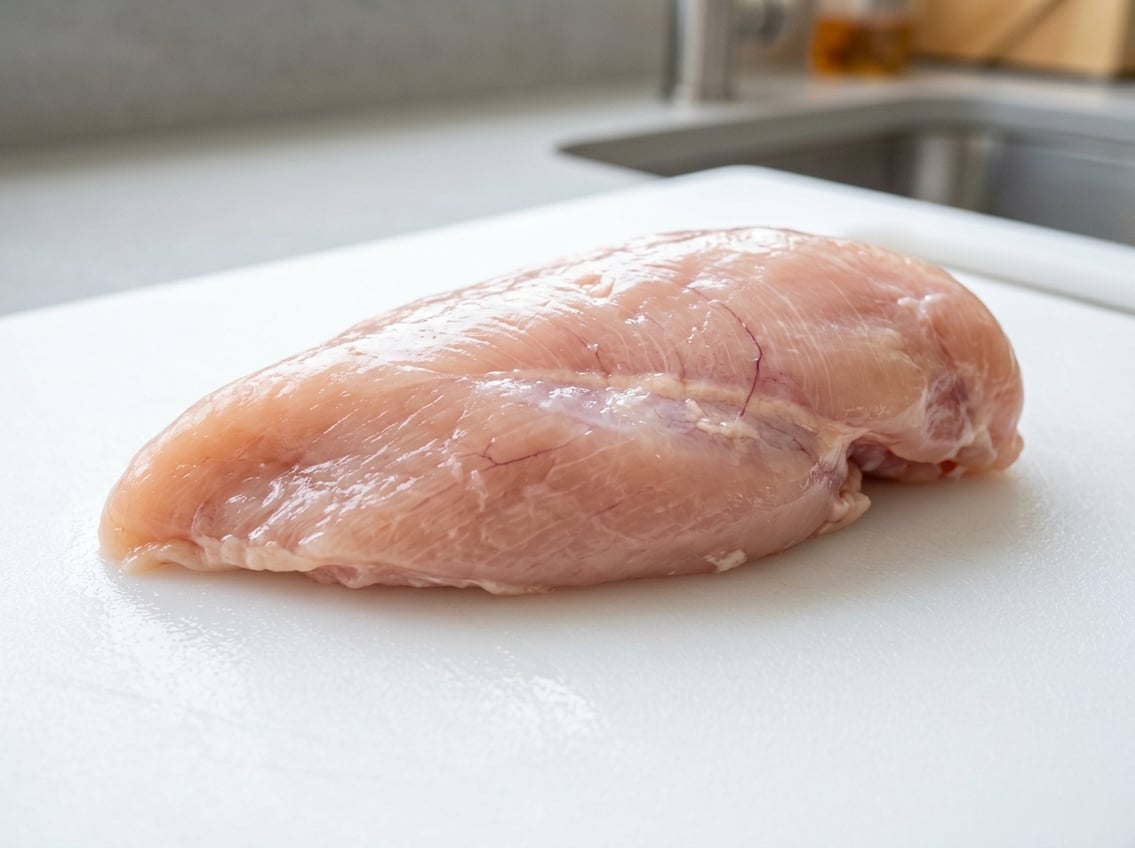
In most cases, a visible line is a normal vein or tendon. It does not mean the chicken is spoiled or unsafe.
What matters more is whether the chicken smells fresh, feels firm, and is cooked to a safe internal temperature.
If you notice a red, pink, or purple streak in chicken breast, that can look unsettling. In many cases, it is just a natural part of the meat, especially in chicken breast that still shows veins.
What the Visible Line Usually Is
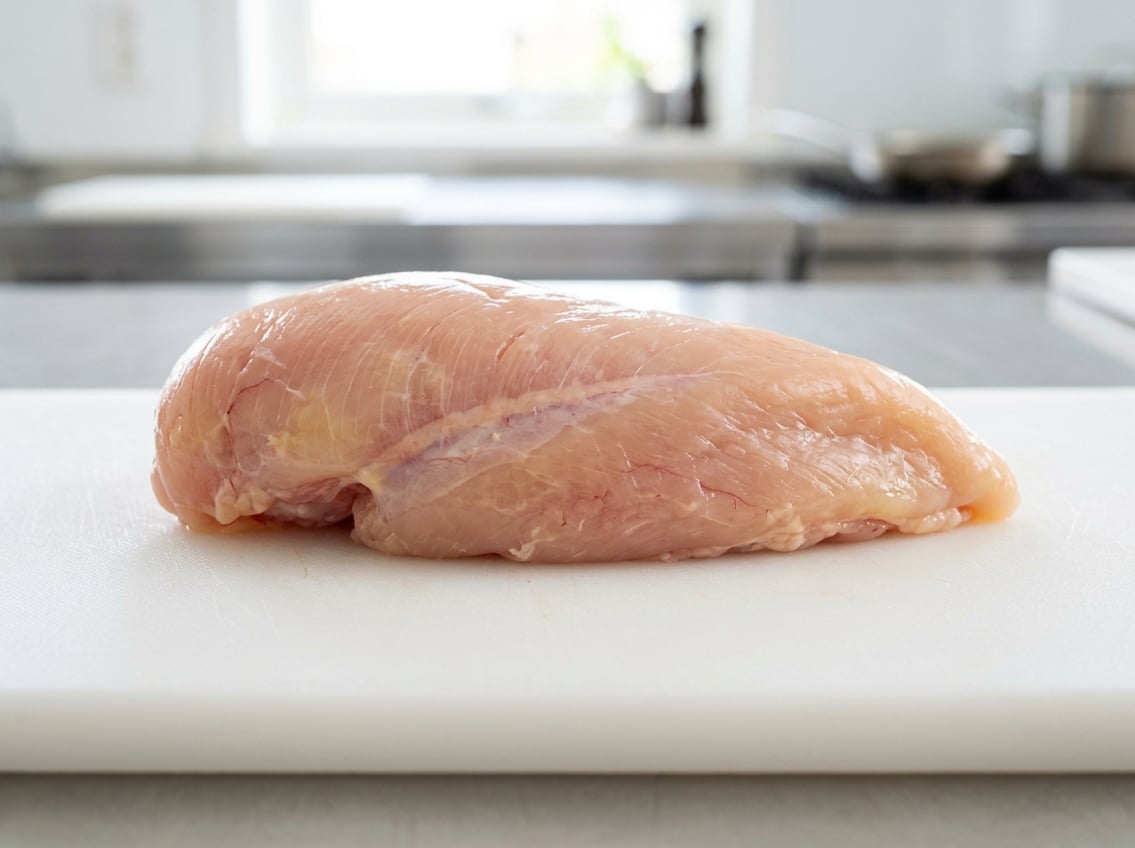
A visible line in chicken breast is usually a vein, a tendon, or connective tissue. Chicken anatomy includes small blood vessels throughout the muscle, so seeing one in a breast is not unusual.
The line often stands out more in some cuts than others. That is common in veins in chicken meat because the meat is lean and pale, so even a small dark strand can be easy to notice.
Veins as a Normal Part of Chicken Anatomy
Chicken muscles need blood supply just like other animals do. Chicken veins are a normal part of the tissue, not a sign of damage.
You may notice them more in breast meat when the cut is trimmed in a way that leaves more of the inner muscle intact. These veins are common and usually harmless to eat.
Why the Vein Often Appears in the Tenderloin Area
The tenderloin sits along the inner part of the breast, near the bone side. That area can show a line where the tender section meets the larger breast muscle.
This area is also where the meat can look slightly darker or more textured. The contrast makes the line easier to spot after cooking, especially in chicken tenders or trimmed breast portions.
How to Tell a Vein From a Tendon
A vein usually looks red, purple, or dark pink, while a tendon looks white, shiny, and stringy. A tendon feels tougher and less like a soft line in the meat.
If the line is firm and fibrous, it is more likely a tendon. If it looks like a colored streak in the muscle, it is more likely a vein in chicken breast.
When Color Is Normal and When to Worry
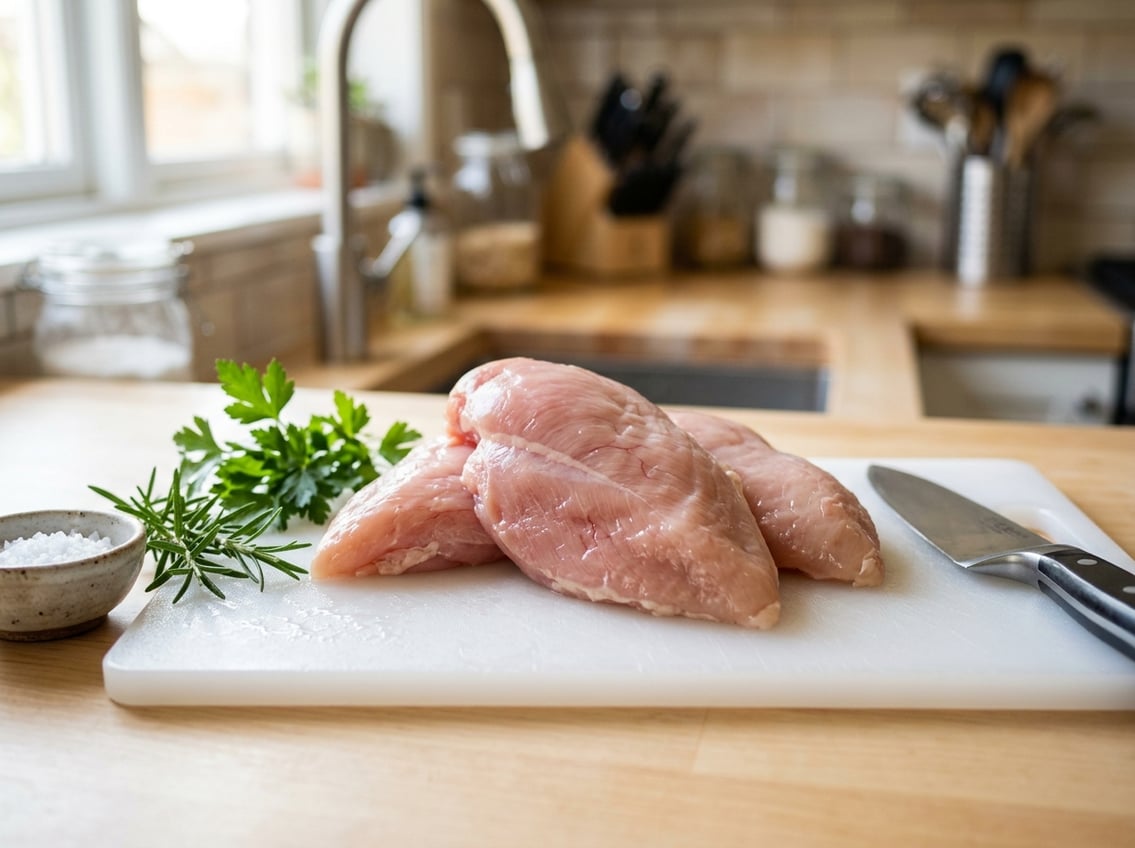
Color changes in chicken can be normal, especially near veins or bones. A pink, purple, or red spot does not always mean the chicken is unsafe, yet you still need a safe doneness check.
The key difference is between normal color from tissue and true signs of undercooked chicken. You should use temperature, not color alone, to judge whether the meat is ready.
Why Pink or Purple Spots Can Appear in Fully Cooked Meat
Heat can change the way blood pigments in veins look, which may leave pink or purple areas in cooked chicken. Bone-in cuts can show this more often because bone marrow can affect nearby tissue.
A cooked breast can still show a colored streak and be safe to eat. The color may look unusual, yet the texture and temperature can still be right.
How to Recognize Undercooked Chicken Safely
The most reliable test is a food thermometer. Chicken pieces should reach 165°F in the thickest part, away from the bone.
Juices can help, too, though they are less exact than a thermometer. If the juices are clear and the meat is opaque all the way through, that is a better sign than color alone.
Why Pink Chicken Is Not Always a Doneness Test
Pink chicken is not a dependable doneness test because cooked meat can stay pink for reasons unrelated to safety. Smoker heat, bone contact, and vein color can all affect appearance.
A safe internal temperature tells you much more than the outside color does.
How Cooking and Cutting Affect Visibility
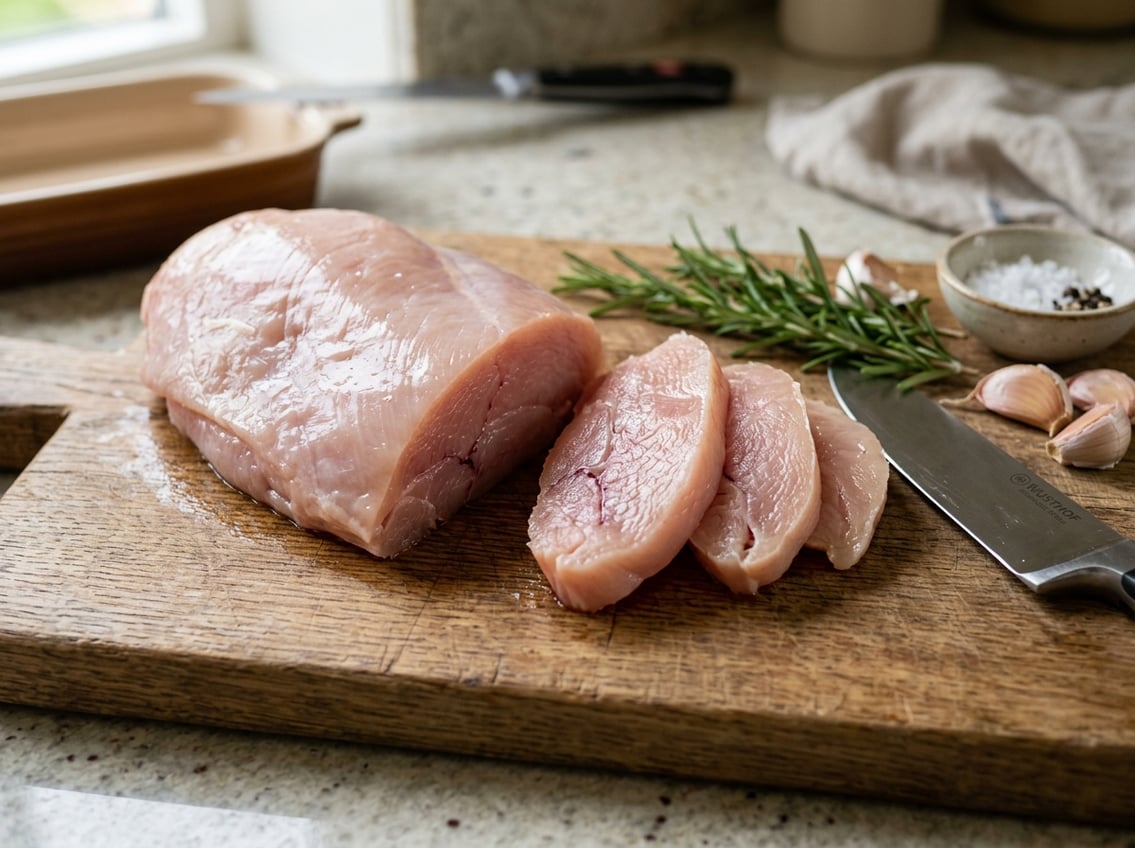
How you cook and cut the chicken changes what you can see. Bone-in pieces, different butchering styles, and the direction of the cut all affect whether veins in poultry stand out.
The meat may look cleaner before cooking and more colorful after heat is added. That change is usually normal and often makes chicken veins more visible.
Why Bone-In Pieces Show Veins More Often
Bone-in chicken tends to show more visible color around blood vessels and nearby tissue. Heat can interact with marrow and pigments near the bone, which makes the line easier to notice.
A whole breast or bone-in split breast may look different from a fully trimmed boneless piece. It is a visibility issue, not proof of poor quality.
Why Some Chicken Breasts Look Cleaner Than Others
Some breasts are trimmed more carefully during processing. When the breast is removed cleanly from the bone, more of the visible vessels and connective tissue may be left behind, which makes the piece look smoother.
Breed, age, and processing can also affect appearance. Older birds or some types of chickens can show more noticeable veins, which helps explain why some packages look different from others.
How Chicken Preparation Changes Appearance
Different chicken preparation methods can expose or hide the same natural tissue. Slicing across the grain, removing the tenderloin, or trimming the inner edge can make a vein easier or harder to see.
Simple prep choices also matter after cooking. If you separate the breast from the bone and slice it cleanly, a line that looked obvious before may barely be noticeable on the plate.
What to Do Before Serving
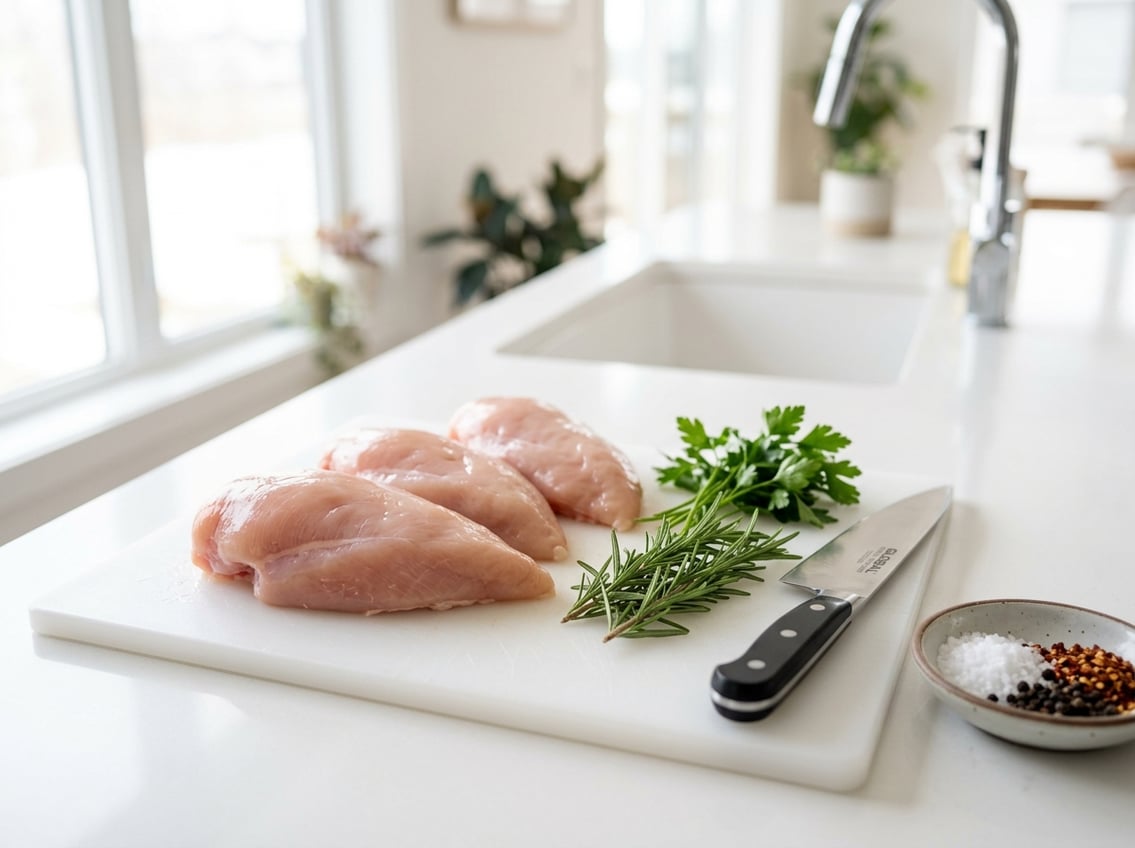
You do not always need to remove a visible vein before cooking. In most cases, it is safe to leave it in place, since veins in chicken meat are a normal part of the cut.
Your main job is to make sure the chicken is cooked safely and trimmed the way you prefer. If a vein bothers you, you can remove it during prep, as long as you do it carefully.
Whether You Need to Remove the Vein
You do not need to remove the vein for food safety if the chicken is cooked properly. Many cooks leave it alone because it is harmless and may be hard to remove without wasting meat.
If appearance matters to you, trimming is optional. It is a quality choice, not a safety requirement.
How to Trim It Without Damaging the Breast
Use a sharp knife and work slowly along the inner side of the breast. If you find a tendon or dark strip near the tenderloin, lift it gently and trim just enough to remove the visible line.
Cutting too deep can remove more meat than needed. A small amount of careful trimming is enough for most chicken preparation tasks.
The Safest Way to Check for Doneness
Use a food thermometer to check for doneness. Insert it into the thickest part of the breast and make sure it reaches 165°F.
Do not rely on color alone, especially if the meat still shows a vein in chicken breast. A pink streak can be normal, while pale meat can still be undercooked if it has not reached the right temperature.


