
Is It Ok to Freeze Cooked Chicken Breast? Safe Storage Tips
Yes, you can freeze cooked chicken breast when you handle it the right way. Freezing cooked chicken breast is a practical way to save leftovers, reduce waste, and keep protein ready for later meals.
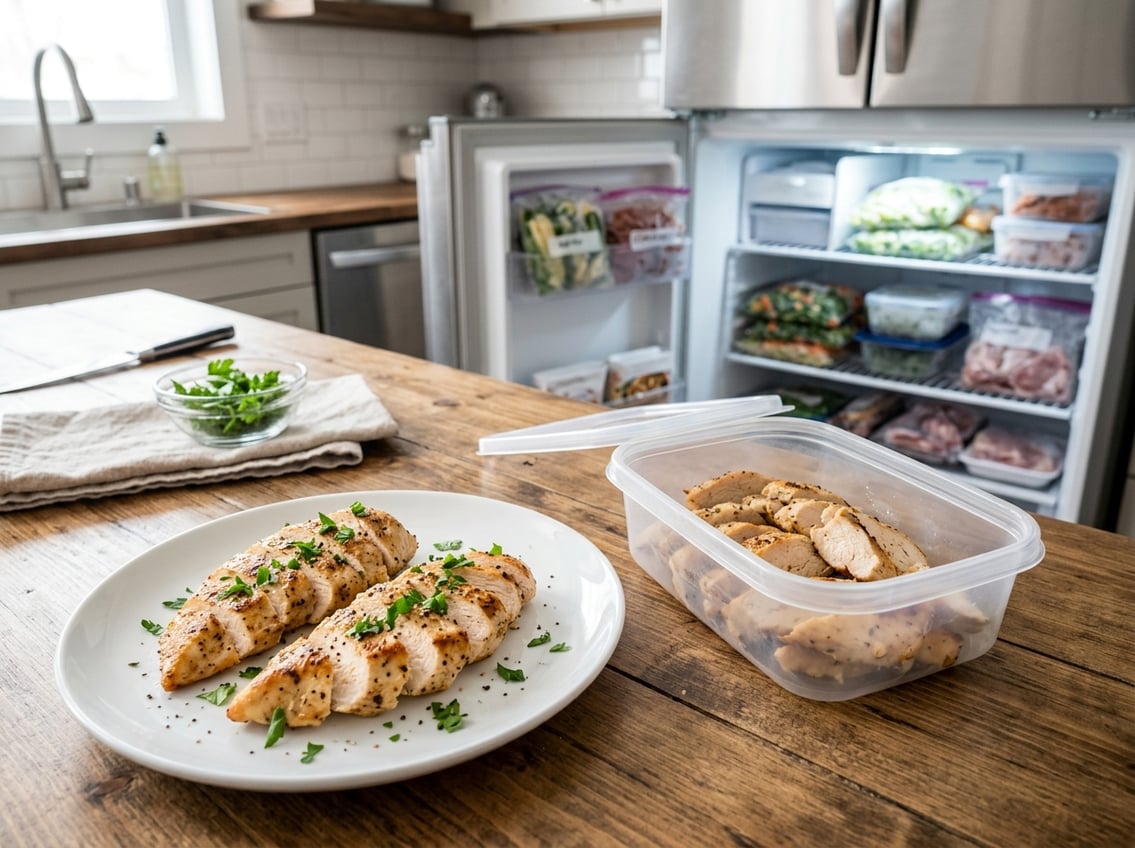
Cool it quickly, package it well, and reheat it to a safe temperature. If you freeze it soon after cooking and store it properly, cooked chicken breast stays safe and useful for months.
The same basic rule applies whether you freeze cooked chicken, cooked chicken breast, or want to save it for later use. The main difference is in quality, not safety, as long as you follow safe storage steps.
When Freezing Makes Sense
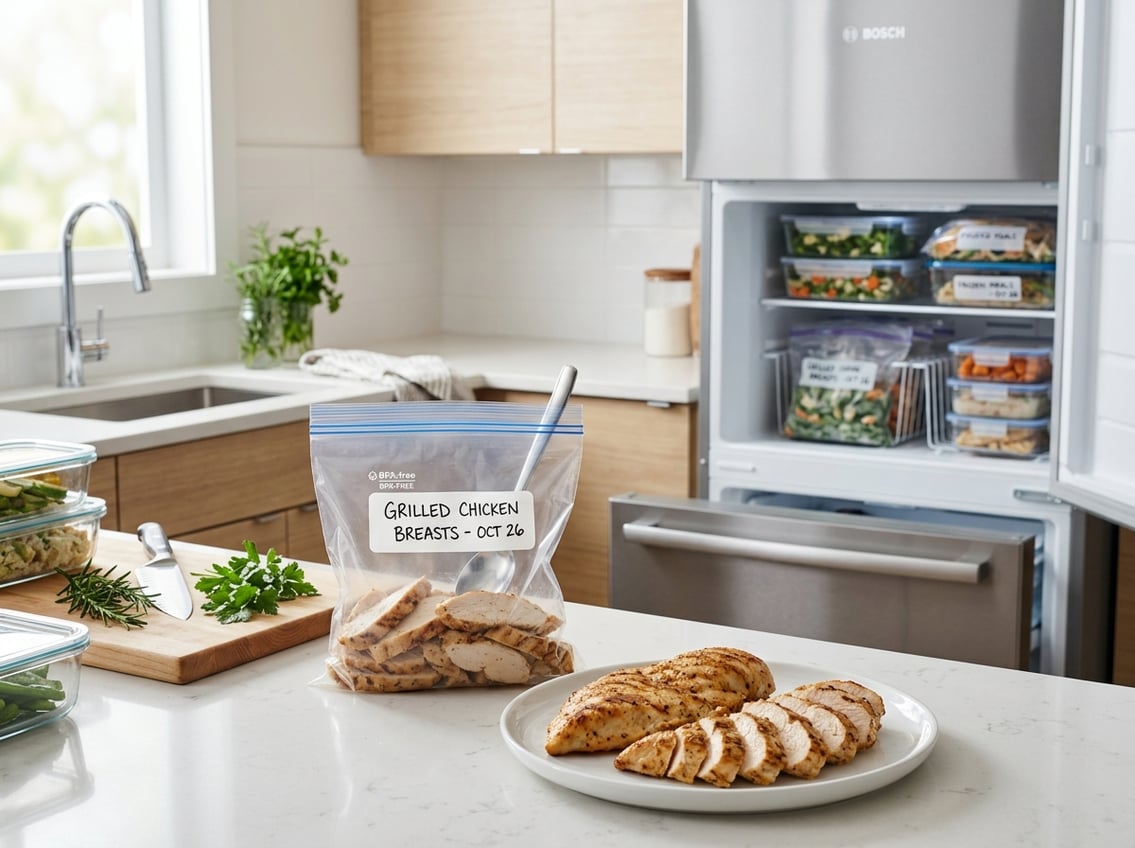
Freeze cooked chicken if you have leftovers you will not use within a few days or want a fast protein option for busy weeks. Batch cooking and freezing cooked chicken also helps with meal prep.
Freeze cooked chicken after it cools and before its quality starts to fade. Freezing it while still fresh gives you more flexibility with meal planning.
How Long It Keeps in the Freezer
Properly stored cooked chicken usually keeps in the freezer for up to six months, according to USDA guidance cited by EatingWell. Soups and stews with chicken often keep for a shorter time, around two to three months.
What Types of Prepared Chicken Freeze Best
Plain cooked chicken breast, shredded chicken, diced chicken, and rotisserie chicken meat all freeze well. Chicken frozen in the form you plan to use later is easier to handle, whether you want slices for sandwiches or shredded meat for soups and casseroles.
When Quality Starts to Drop
Chicken in the freezer can lose flavor and texture after a few months. Freezer burn becomes more likely if the packaging lets in air.
How to Package It for Best Results
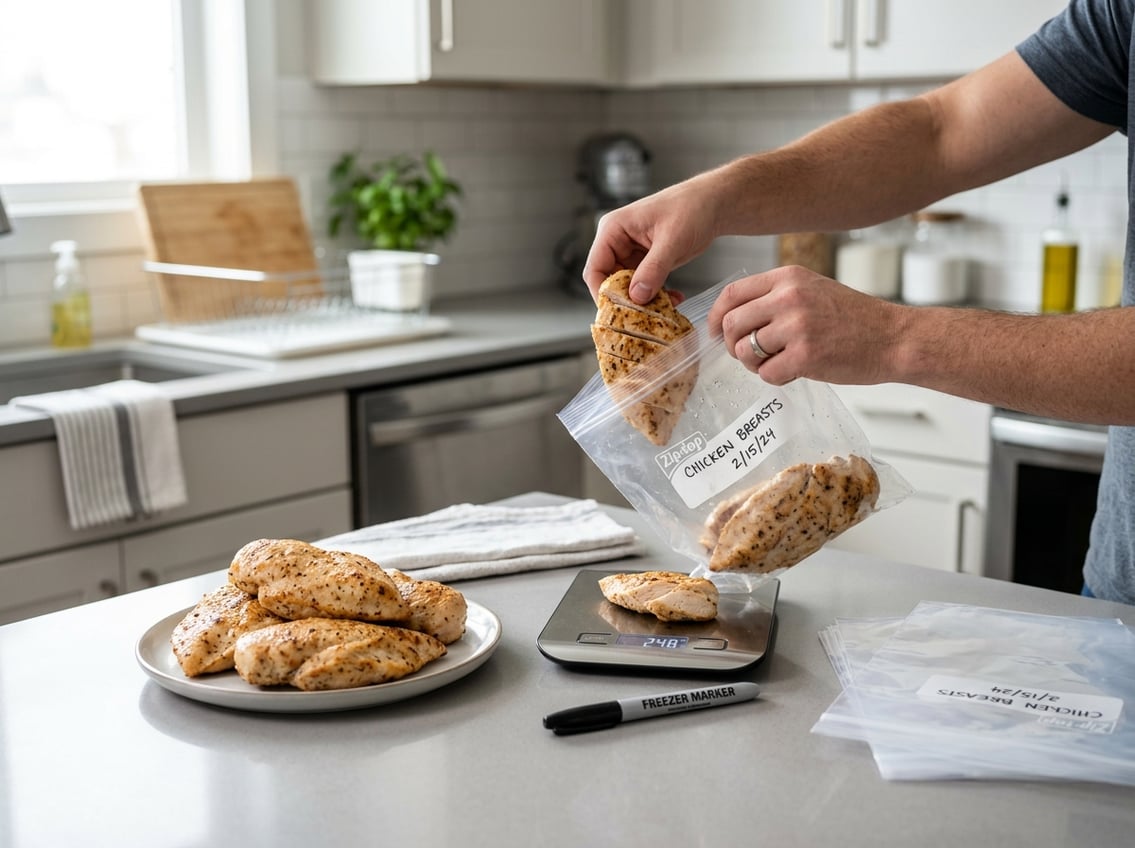
Limit air exposure and handle the meat safely before freezing. Good packaging prevents freezer burn and keeps portions easier to use later.
This matters especially for lean chicken breast, which dries out faster than darker cuts. Cool it quickly, portion it well, and seal it tightly.
Cool It Within the Safe Time Window
Cool cooked chicken for no more than two hours before freezing, as noted by EatingWell. If it sits out longer, bacteria can grow to unsafe levels.
Portion Whole, Sliced, or Shredded Meat
Freeze it in the shape you will want later. Whole breasts work well for plated meals, while sliced or shredded meat is easier for salads, soups, wraps, and casseroles.
Choose Bags or Containers That Limit Air Exposure
Use freezer bags or airtight containers to prevent freezer burn. Press out extra air from bags before sealing, and consider wrapping chicken tightly if you want extra protection.
Label and Date Everything
Write the date and contents on every bag or container. This makes it easier to use older food first and track how long the chicken has been frozen.
Safe Thawing and Reheating
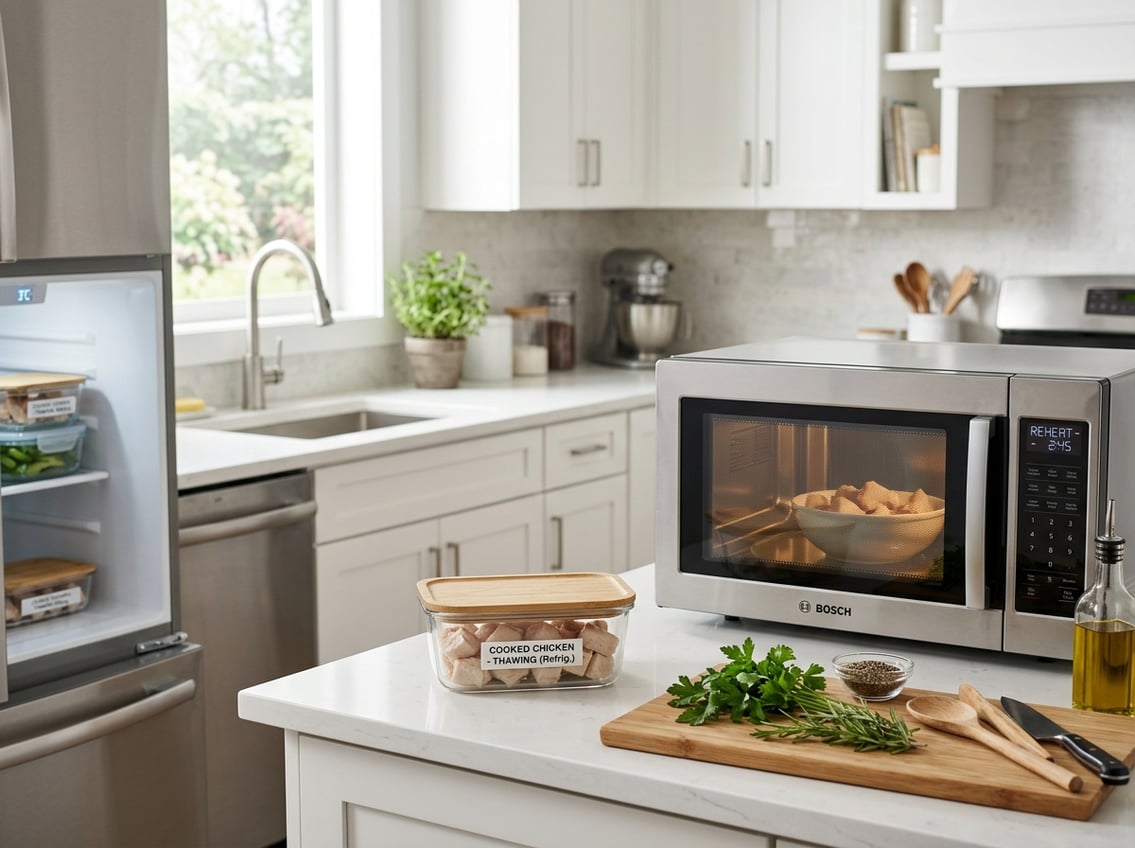
Thaw cooked chicken in the refrigerator for best results. After thawing, reheat frozen cooked chicken until it is hot all the way through.
Choose your thawing method based on your schedule. Refrigerator thawing gives the best texture, while microwave defrosting works when you need it quickly.
Best Refrigerator Thawing Method
Place the frozen chicken in the refrigerator and let it thaw slowly. According to EatingWell, thawed cooked chicken can stay in the refrigerator for up to four days before use.
When Microwave Defrosting Is Acceptable
Microwave thawing works if you need the chicken right away. Use low power and watch for uneven spots, since the edges can start to cook while the center stays frozen.
How to Reheat Without Drying It Out
Reheat frozen cooked chicken breast with gentle heat in the oven or on the stovetop with a little moisture. Covering the chicken helps hold in steam and protects the lean meat from drying out.
Why 165°F Matters
Reheat frozen cooked chicken to an internal temperature of at least 165°F, according to EatingWell. A food thermometer gives you the most reliable check.
Mistakes to Avoid With Leftovers
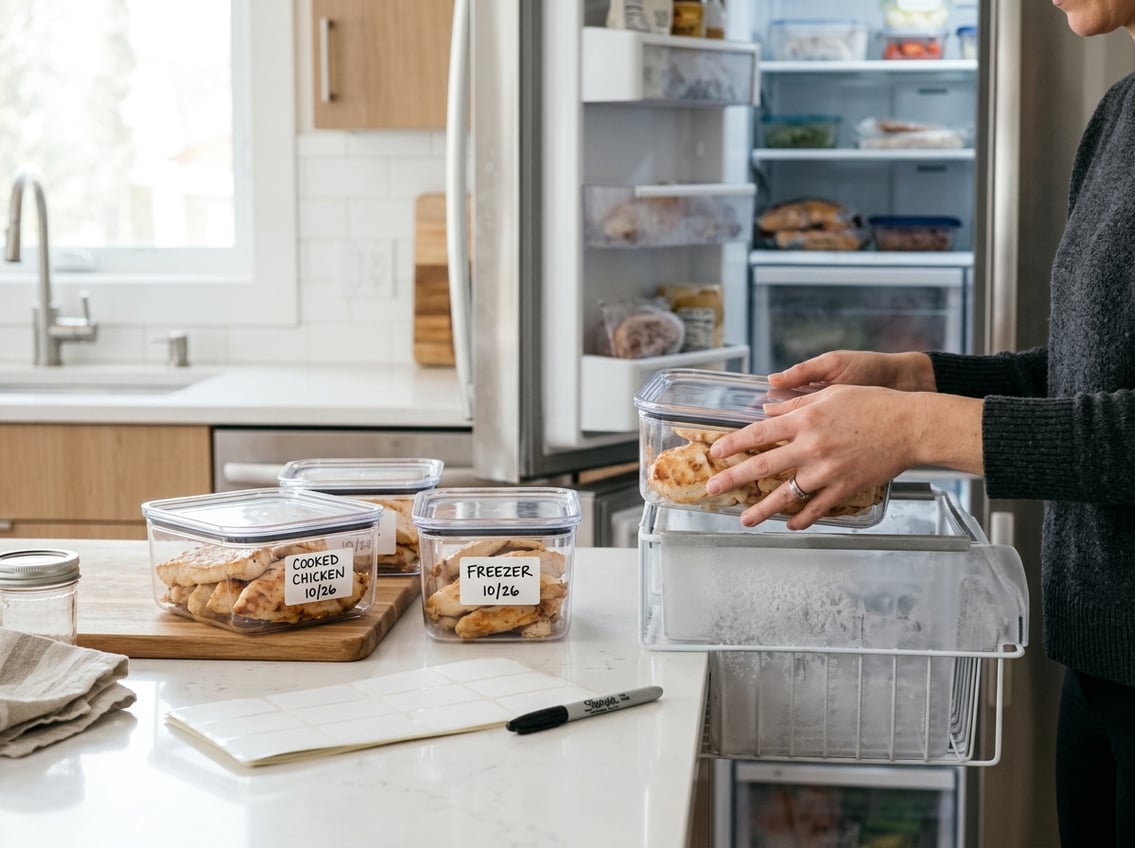
Most problems with frozen leftovers happen because of poor timing, poor packaging, or reheating too hard. Avoiding those errors lowers the risk of food safety issues and keeps the texture closer to what you want.
Take care with cooked chicken breast because it is lean and easy to dry out. Know when to throw food out instead of trying to save it.
Leaving It Out Too Long Before Freezing
Do not let cooked chicken sit at room temperature for more than two hours before freezing. That waiting time gives bacteria a chance to grow, which can make the food unsafe.
Refreezing After Thawing
Do not refreeze cooked chicken after you have thawed and reheated it. EatingWell notes that repeated handling raises the risk of bacterial growth, so it is safer to use it once after thawing.
Using Chicken With Signs of Freezer Damage
If the chicken smells bad, looks slimy after thawing, or shows mold or major discoloration, throw it away. Freezer burn alone is not always unsafe, but it lowers quality and can make the meat taste dry or stale.
Overheating Lean Breast Meat
Chicken breast dries out quickly if you reheat it too hard or too long.
Use gentle heat and add moisture when possible.
Stop heating as soon as it reaches 165°F.


