
What Happens if I Eat Chicken Breast Everyday? Pros and Risks
You may wonder what happens if you eat chicken breast every day. It can fit into a healthy diet if you keep the rest of your meals varied.
Chicken breast gives you high-quality protein, key B vitamins, and a lean source of calories. This is why it shows up so often in fitness and weight-loss plans.

If you eat chicken breast every day, you may support muscle repair and protein intake. You also risk nutrient gaps if you rely on it too heavily and do not vary the rest of your diet.
The benefits of eating chicken appear when you prepare it in a healthy way and pair it with other foods. The risks appear when chicken becomes your main protein or your only source of lean protein, or when you eat it in oversized portions with little variety.
What Daily Chicken Breast Does for Your Body

Daily chicken breast can help you meet protein needs. It is a simple, easy-to-cook option.
Skinless chicken breast is one of the most familiar lean protein sources. It often fits well into meal plans focused on muscle maintenance, weight control, or steady energy.
How It Supports Protein Intake and Muscle Repair
Chicken breast provides all nine essential amino acids your body needs. These amino acids help build and repair muscle, support enzymes and hormones, and keep many body functions working properly, as noted by EatingWell.
A 4-ounce serving can give you a large share of your daily protein goal. Daily chicken can help you reach protein targets after workouts or during busy weeks.
Why Skinless Chicken Breast Is Considered Lean
Skinless chicken breast contains little fat compared with many other animal protein sources. Removing visible fat and cooking it without breading or frying keeps it lean.
Lower fat content can help keep calorie intake steady. It also keeps saturated fat lower than many richer cuts, which matters if you eat chicken often.
Key Nutrients You Get Regularly
Chicken breast gives you more than protein. It also provides niacin, selenium, vitamin B6, and other B vitamins that help with energy use and metabolism, according to EatingWell.
A serving contains potassium, though it is not as rich in potassium as many fruits, vegetables, and beans. These nutrients are useful, yet they are not enough on their own.
A daily pattern built around chicken still needs vegetables, whole grains, fruit, and healthy fats.
How It May Affect Fullness and Weight Management
Protein tends to keep you full longer than carbs or fat alone. If you eat chicken breast every day in sensible portions, it can help you stay satisfied and may make it easier to control snacking.
That effect can support weight management, especially when you pair chicken with high-fiber foods. A meal with chicken, vegetables, and a whole grain is usually more filling than chicken alone.
When Eating It Every Day Can Become a Problem

Daily chicken breast can create problems when it crowds out other foods. Problems also arise when food safety slips or your cooking method adds extra fat and calories.
The risk is less about chicken itself and more about how much you eat, how you prepare it, and what else is on your plate.
Diet Variety and Nutrient Gaps
A balanced diet depends on different protein sources, not just one. If you eat chicken every day and skip fish, beans, tofu, eggs, nuts, and other foods, you may miss nutrients found in those foods, including fiber and omega-3 fats.
Eating the same main protein day after day can leave your meals short on the diversity your body needs.
Food Safety and Bacterial Risks
Raw chicken can carry bacteria such as campylobacter. You lower the risk of illness by washing your hands, using separate cutting boards, cooking chicken to a safe internal temperature, and refrigerating leftovers quickly.
Food safety becomes even more important if chicken is part of your daily routine. Repeated exposure to unsafe handling habits raises the chance of getting sick.
Concerns About Sourcing and Antibiotic Use
Some people prefer chicken from sources raised without antibiotics. This choice can matter because public health experts watch how antibiotic use in food animals may contribute to resistant bacteria.
You can buy from trusted sources and follow safe cooking habits. If antibiotic use or sourcing matters to you, look for package labels and store policies that match your priorities.
When Portion Size and Preparation Change the Health Impact
Chicken breast is healthy in reasonable portions. Large portions can push protein and calories higher than you need.
A meal built around an oversized breast can crowd out vegetables, grains, and healthy fats. Preparation matters too.
Fried chicken adds more saturated fat and calories than grilled, baked, or poached chicken. If you eat chicken every day, the cooking method can make a big difference.
How to Make It a Healthy Everyday Choice
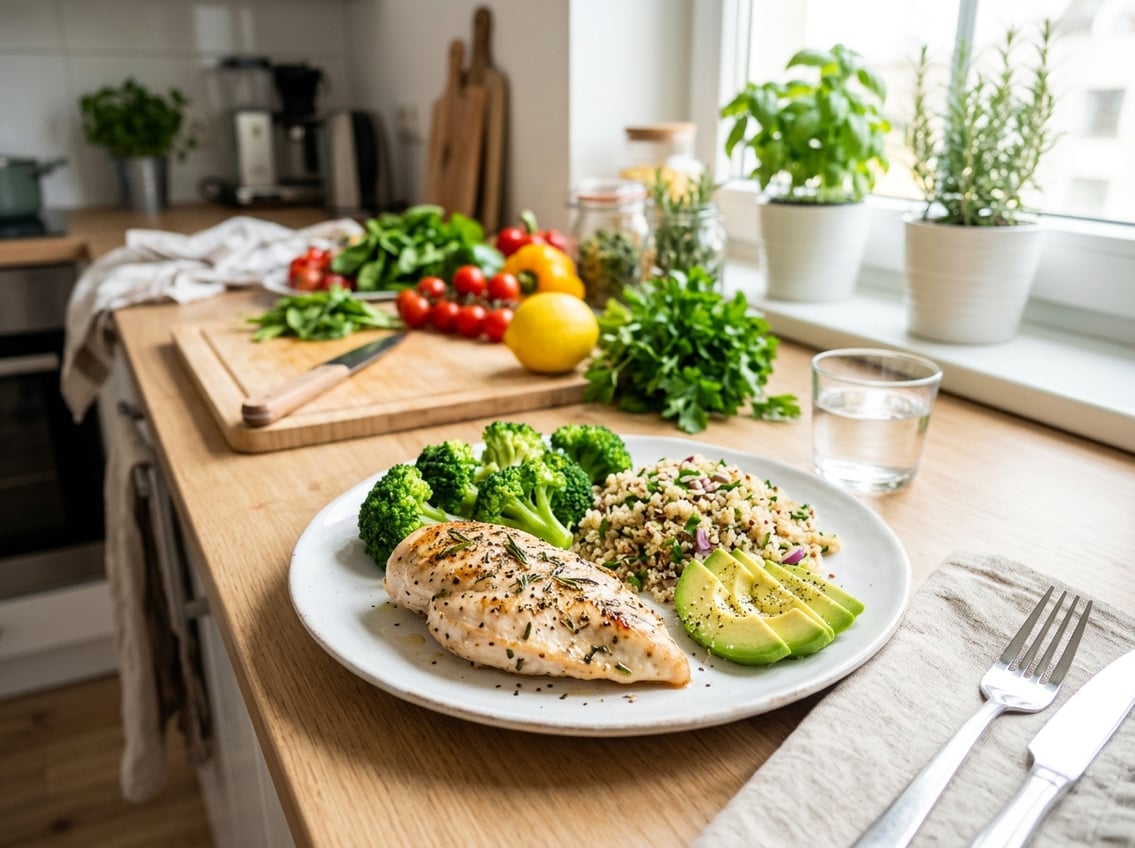
You can eat chicken breast often and still keep your diet healthy. Use the best ways to cook chicken, add healthy fats, and make room for plant-based proteins and other protein sources across the week.
Best Ways to Cook Chicken Without Adding Excess Fat
Grilled chicken, baked chicken, and poached chicken all avoid the extra fat from breading and deep frying. A little olive oil can help with cooking and flavor without turning the meal into a high-fat dish.
Seasoning with herbs, spices, lemon, garlic, or vinegar also keeps the meal interesting. These methods work well when you want chicken to stay a lean protein source.
What to Pair With Chicken Breast for Better Balance
Chicken breast works best with fiber-rich sides and healthy fats. Try vegetables, beans, brown rice, potatoes, or whole grains, then add avocado, nuts, seeds, or olive oil for more balance.
A plate with chicken, vegetables, and a healthy fat source gives you more staying power than chicken alone. It also helps you get nutrients that chicken does not provide in large amounts.
When to Rotate Other Proteins Into Your Week
Even if chicken is your favorite protein, your body benefits from variety.
Add plant-based proteins like tofu, lentils, beans, and edamame to your meals. Include fish, eggs, yogurt, or other lean protein sources as well.
These changes help you maintain a balanced and varied diet. You will also get more vitamins, minerals, fiber, and healthy fats during the week.


