
How Does Chicken Breast Have Fat? Explained Simply
Chicken breast has fat because it is a real muscle food, not pure protein. Even a lean cut like chicken breast contains small amounts of fat inside the meat.
The fat content changes with the cut, the skin, and the way you cook it.
Muscle tissue naturally contains some fat, and extra fat can come from skin, marbling, and cooking methods. That is why chicken breast nutrition is low in fat, not fat-free.
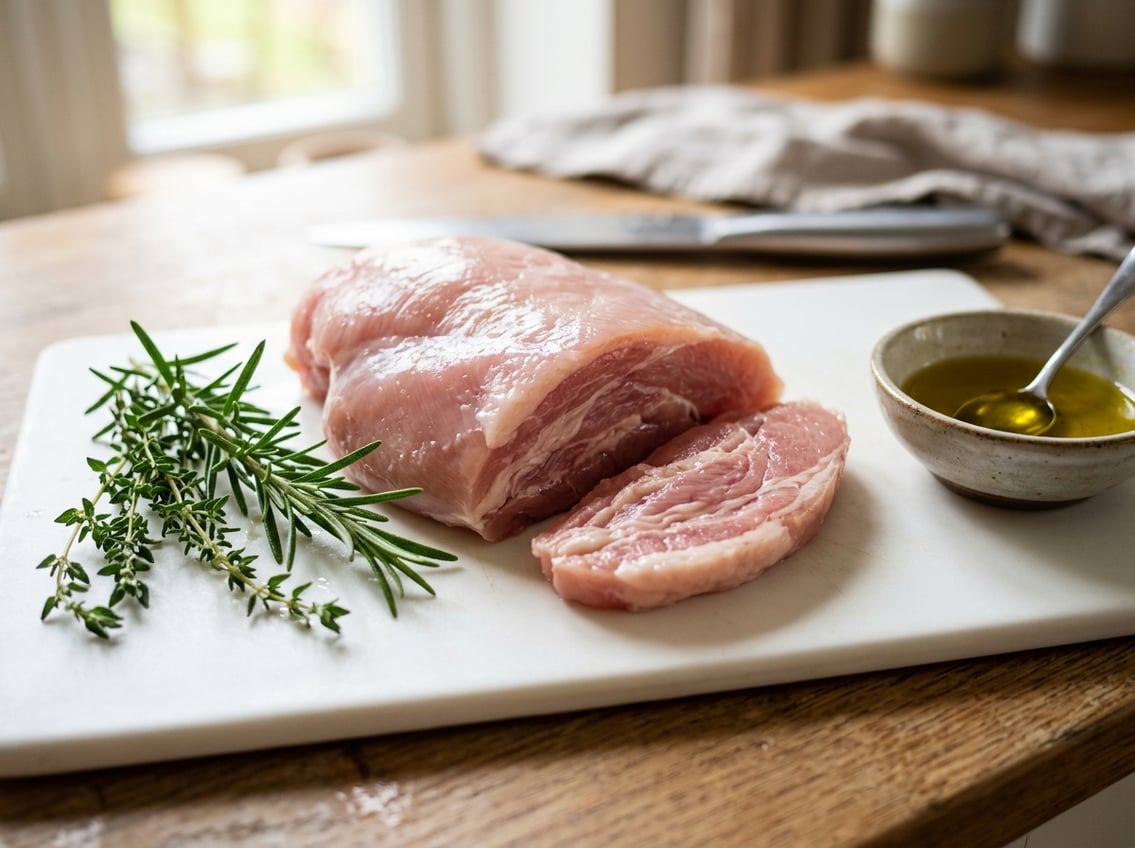
A skinless breast is still one of the leanest animal proteins you can eat. It fits well in many low-calorie and high-protein eating plans.
Where The Fat In Chicken Breast Comes From
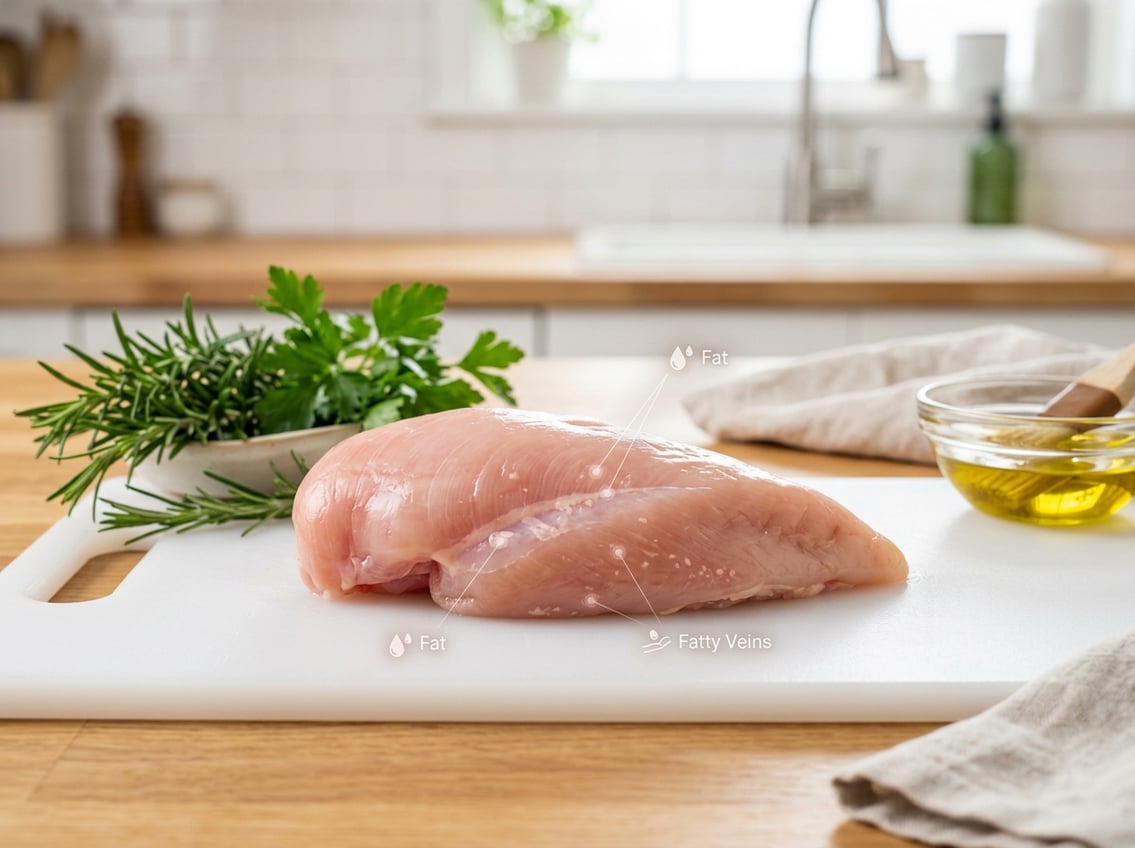
The meat itself contains some fat, and the amount rises or falls depending on the skin and cooking method.
A raw chicken breast and a cooked chicken breast show different fat numbers, even when you start with the same piece of meat.
Natural Fat Inside The Muscle
Chicken breast comes from the pectoral muscle, which does a lot of work and stores less fat than darker cuts. Raw chicken breast is considered lean protein.
In USDA-based nutrition data summarized by Allrecipes Beginner, 100 grams of raw, skinless chicken breast has about 2.6 grams of fat.
Why Skinless Cuts Still Contain Some Fat
Muscles need a small amount of fat for structure and energy, so skinless chicken breast is not zero-fat. Visible fat may also remain around the edges, even after trimming.
A small fat amount is normal, and that fat contributes to calories without making the food high-fat.
Raw Vs Cooked Numbers
Cooking chicken breast removes water, which makes the fat more concentrated by weight, even if you do not add oil. According to USDA-based data, cooked, skinless breast can rise to about 3.1 grams of fat per 100 grams.
Fried versions climb much higher because of added oil.
What Kind Of Fat Chicken Breast Contains
Chicken breast contains both saturated fat and unsaturated fat, with unsaturated fats making up most of the total.
Saturated Vs Unsaturated Fat
A typical serving of skinless chicken breast contains a small amount of saturated fat, often around 0.7 grams per 100 grams. The rest is mostly unsaturated fat.
Chicken breast nutrition stays low in saturated fat compared with many red meats.
Monounsaturated And Polyunsaturated Fats
Most of the fat in chicken breast is made up of monounsaturated fats and polyunsaturated fats. These fats are often linked with better heart health when they replace more saturated fat in the diet.
Some chicken contains small amounts of omega-3, though not nearly as much as fatty fish.
How Chicken Compares With Healthy Fats In Other Foods
Chicken breast is lean, so it is not a major source of healthy fats the way salmon is. Salmon has much more fat, including omega-3s.
Tofu usually has more fat than chicken breast but less protein per serving. Chicken breast works more as a lean protein choice than a healthy-fat food.
What Raises Or Lowers The Final Fat Content
The final fat content depends on whether the breast has skin, how you cook it, and how much you eat. A small change in prep can make a clear difference in calories and fat content.
Skin-On Vs Skinless Portions
Chicken breast with skin has much more fat than skinless chicken breast. The skin adds both fat and calories.
If you want the leanest option, choose skinless chicken breast and trim visible fat before cooking.
How Grilling, Baking, And Frying Change The Numbers
Grilling, baking, and broiling usually keep chicken breast low in fat, especially if you avoid added oil. Healthy cooking methods like poaching, steaming, and boiling also keep fat low.
Pan-fried and deep-fried chicken absorb oil, which raises fat content and calories quickly.
Why Portion Size Matters
A larger breast gives you more total fat, even if the meat is lean. A 6-ounce portion contains more calories and fat than a 3-ounce portion simply because it is more food.
If you track nutrition facts closely, portion size is just as important as cooking method.
How To Use Chicken Breast In A Healthy Diet
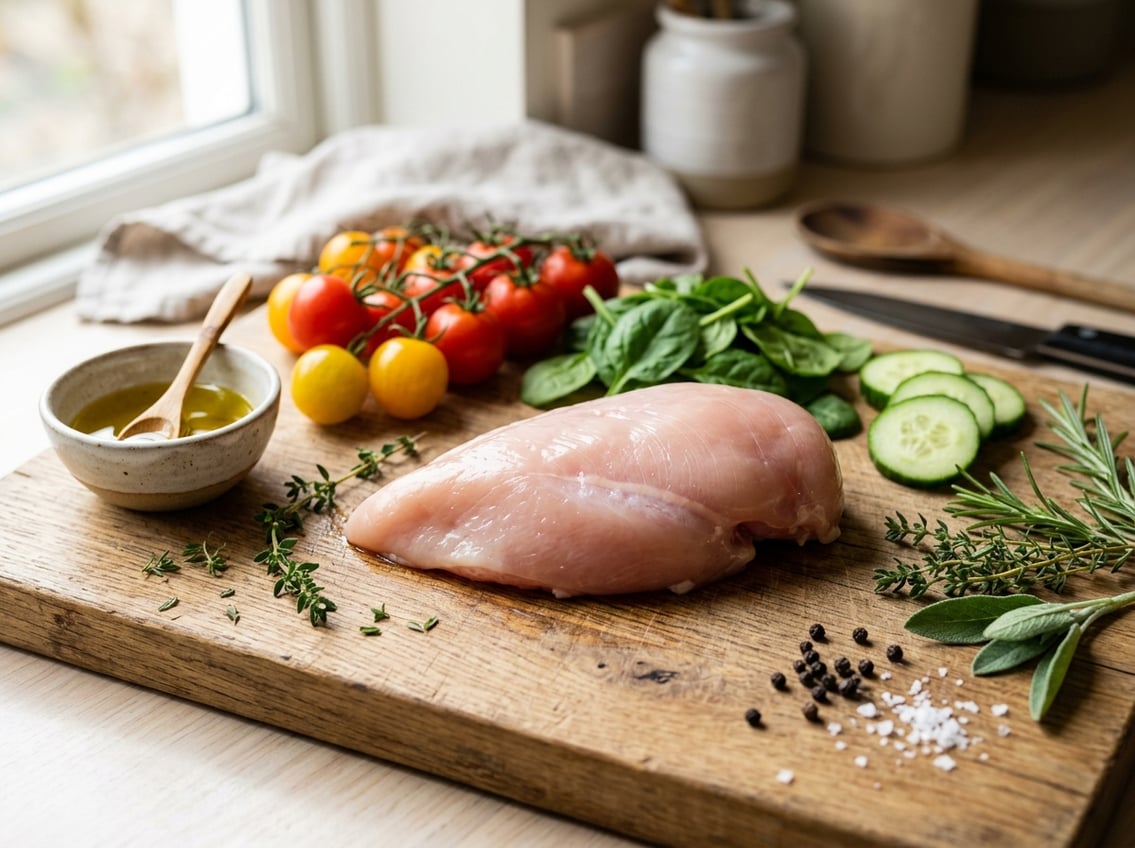
Chicken breast fits well into many healthy eating patterns because it gives you a lot of protein for few calories.
It can support weight loss, heart health, and simple meal prep when you keep the toppings and cooking fat under control.
When It Supports Weight Loss
Chicken breast can help with weight loss because lean protein helps you feel full with fewer calories. A grilled chicken breast is a strong choice when you want a filling meal without a lot of added fat.
The key is to keep sauces, breading, and cooking oil limited.
Lower-Fat Meal Ideas And Pairings
Pair chicken breast with vegetables, beans, rice, potatoes, or a simple salad to build a balanced plate. A broth-based soup with chicken can stay very light.
A grilled chicken breast with steamed vegetables is another low-fat option. For heart health, keep added fats modest and use flavor from herbs, citrus, and spices.
When Added Ingredients Matter More Than The Chicken
A chicken Caesar salad can contain much more fat than plain chicken breast because dressing, cheese, croutons, and creamy sauce add extra calories.
Breaded chicken, butter-based pans, and heavy marinades also increase calories quickly.
Check the whole recipe, not just the chicken breast nutrition panel.


