
Highest Quality Chicken Breast: What to Buy
The highest quality chicken breast looks fresh, feels firm, carries a label you trust, and fits the way you cook.
You do not need the most expensive package to get good results, but you do need to know what to check before you buy.
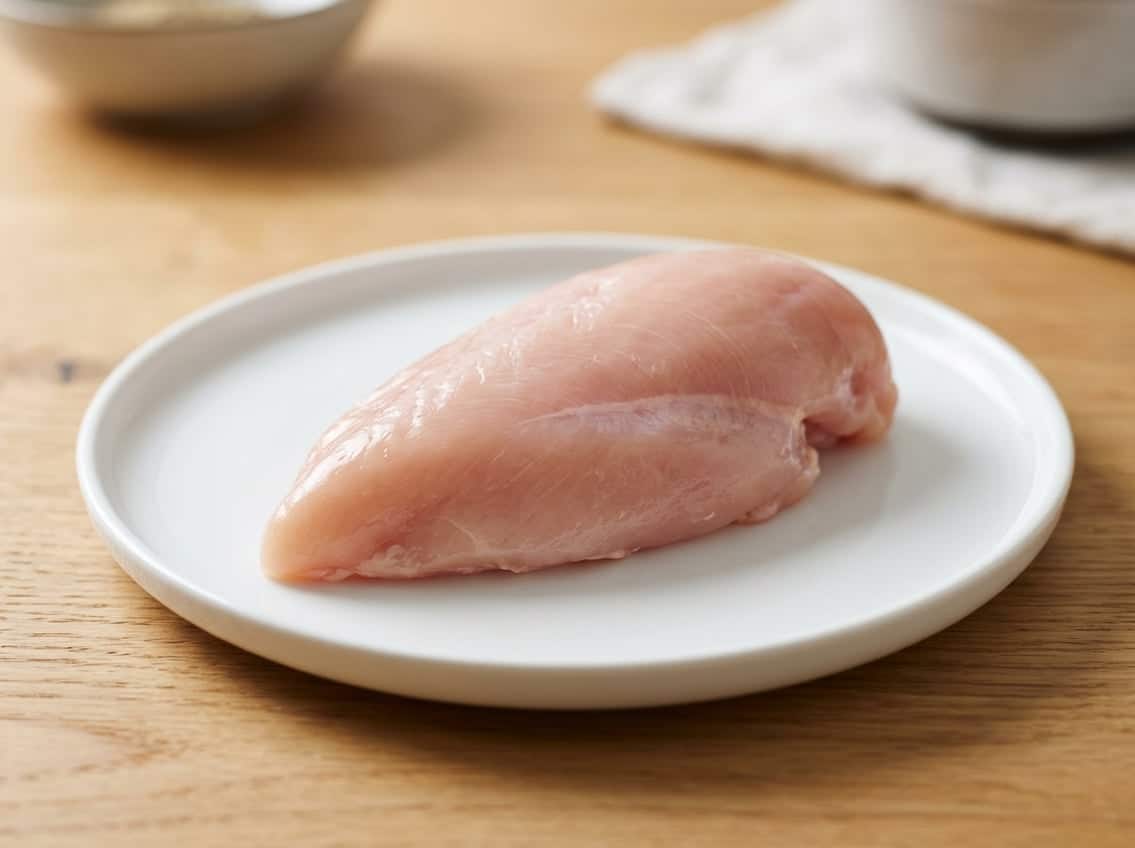
When you buy chicken, focus on freshness, processing method, and the cut itself.
A good chicken breast looks clean, smells neutral, and feels plump instead of soft or watery.
If you want better flavor, juiciness, and tenderness, start with fresh chicken that has clear sourcing, a smart label, and a cut that matches your recipe.
How to Spot Quality in the Meat Case
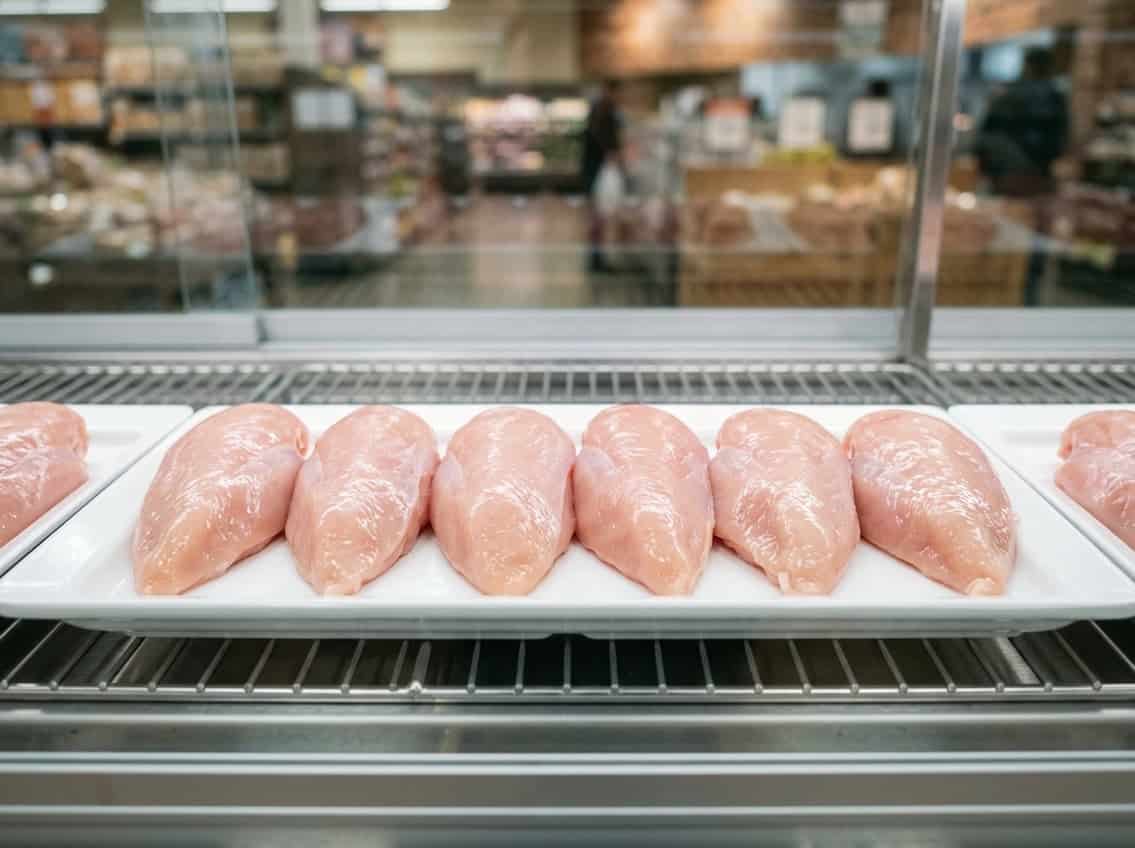
You can judge a lot before the package even reaches your cart.
Look for clean color, a cold case, intact packaging, and chicken breasts that look firm rather than slimy or swollen.
Visual Signs of Freshness and Texture
Fresh chicken should look pale pink to light peach, with little liquid pooled in the package.
Too much purge, torn packaging, bruising, or gray spots are warning signs.
Press through the package if you can.
The meat should spring back a little, which signals juiciness and meat tenderness instead of a mushy texture.
The same signs apply whether you buy chicken breasts, chicken breast fillets, or a whole chicken.
If you are choosing between packages, pick the one with the best date and the least excess moisture.
For many home cooks, that small detail matters more than a fancy label.
Why Air-Chilled Chicken Often Tastes Better
Processors cool air-chilled chicken with cold air instead of soaking it in water.
That method often leaves the meat less watery, which can improve flavor and help the surface brown better in the pan.
A professional butcher quoted by Food & Wine notes that air-chilled chicken often tastes fresher and can signal careful production practices.
Not every air-chilled package is perfect, but it is a useful sign when you compare similar products.
Choosing the Right Cut for Cooking Results
If you want fast weeknight meals, choose boneless, skinless chicken breast.
It works well for slicing, pounding thin, grilling, stir-frying, and meal prep.
If you want more flavor and lower cost, buy whole chicken.
You can roast it once, use the breasts for one meal, and save the drumsticks, thighs, and bones for another.
Buying whole chicken often gives you more control than picking only chicken breasts.
Labels That Matter and Labels That Mislead
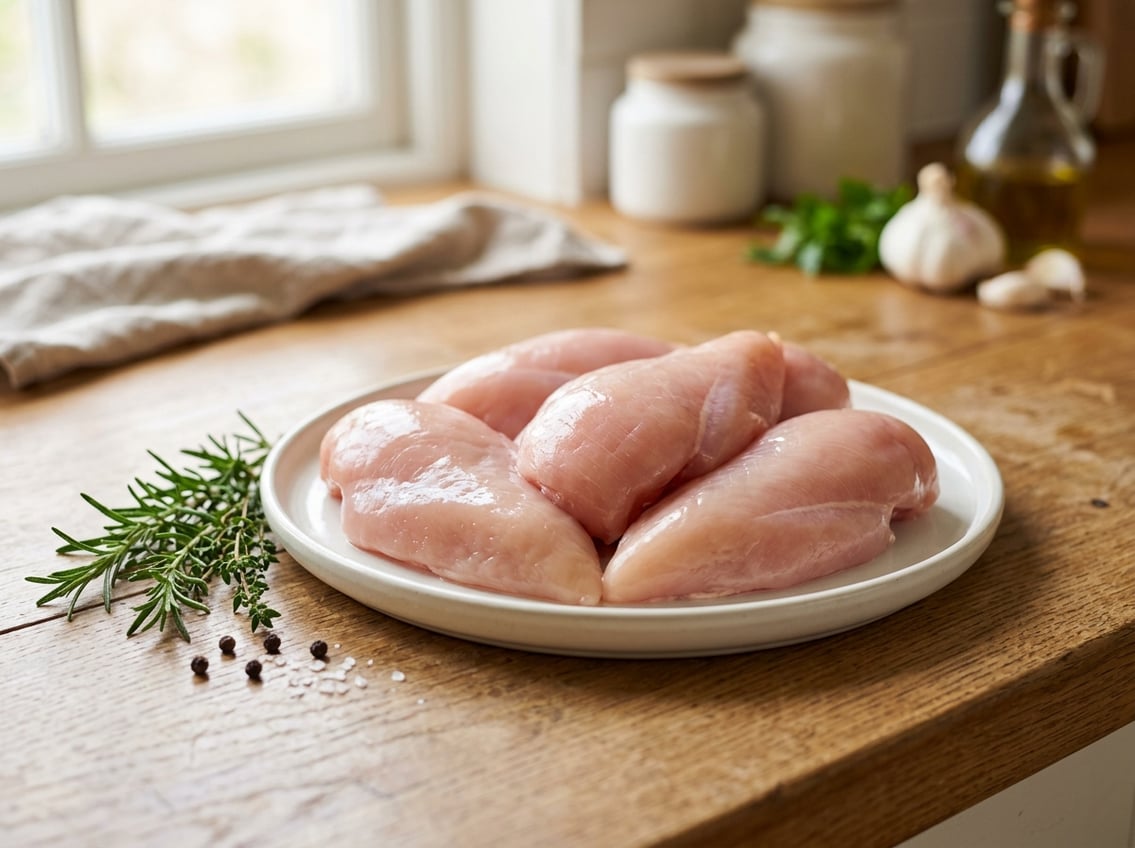
Chicken labels can help you shop, but many of them are more marketing than meaning.
The most useful claims are those backed by USDA rules or third-party standards you can verify.
What USDA Organic Actually Guarantees
A package marked USDA organic must meet rules for feed, outdoor access, and approved production methods.
For chicken, that usually means the birds ate organic feed and workers handled them under organic standards.
That label does not guarantee perfect taste, and it does not tell you everything about texture or freshness.
It does give you a stricter baseline than vague claims like “natural.”
If you want organic chicken breast or organic chicken, this is one of the clearest labels to trust.
Raised Without Antibiotics vs Marketing Buzzwords
“Raised without antibiotics” is a useful claim because it speaks to how the birds were raised.
It is more concrete than phrases like “farm fresh” or “premium,” which can mean almost anything.
Some labels sound reassuring without adding much real information.
Claims about hormones are also easy to misread, since hormones are not allowed in U.S. chicken production.
When you buy chicken breast, focus on claims that tell you something measurable about production, not just polish.
Free-Range, Pasture-Raised, and Welfare Certifications
Free-range chicken means the birds had some outdoor access, but the amount of time and space can vary a lot.
Pasture-raised can suggest more outdoor life, but the label still does not tell you everything about stocking density or care.
For clearer animal welfare signals, look for animal welfare certified or certified humane labels.
These third-party marks can be more useful than broad phrases alone.
If you care about sustainable poultry and animal welfare, those certifications give you a better starting point than marketing copy.
Brands, Stores, and Product Types Worth Comparing
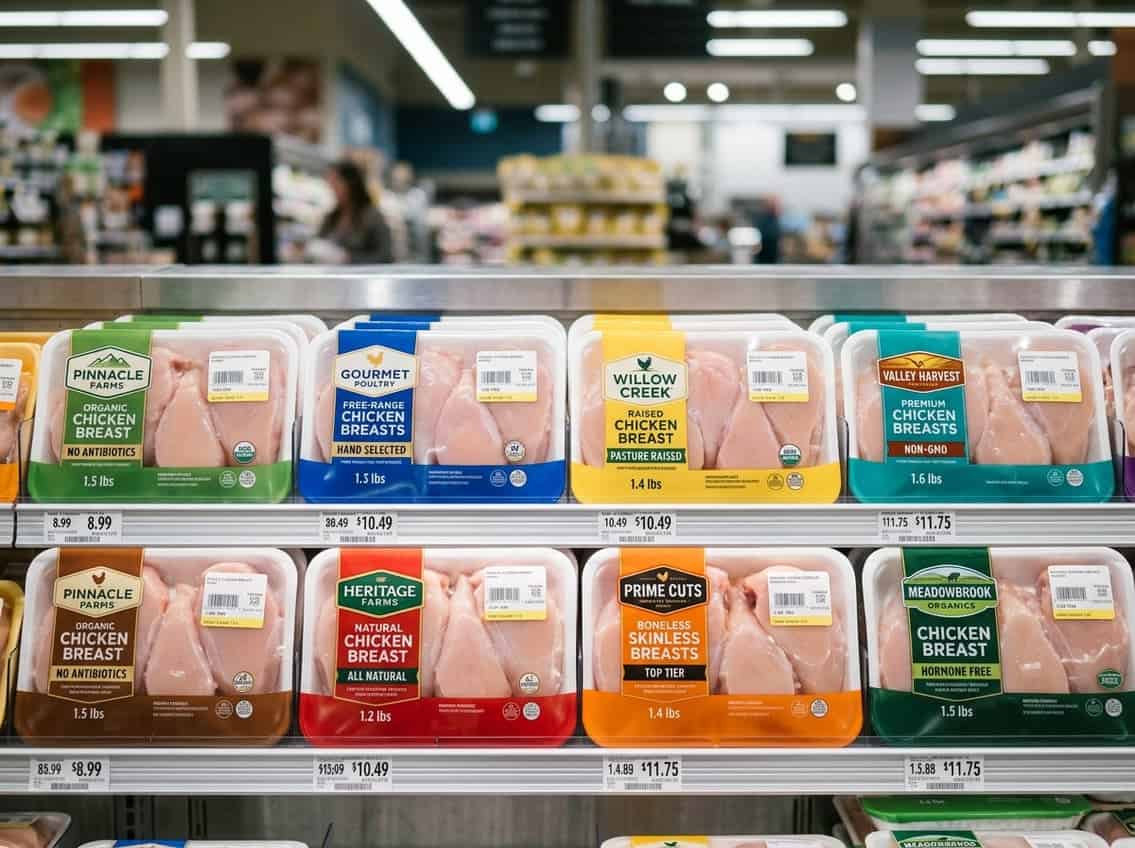
The best chicken brands for you depend on your budget, store access, and cooking style.
Some brands are stronger on sourcing, while others stand out for convenience or price.
Bell & Evans, Cooks Venture, and Other Premium Options
Bell & Evans stands out among premium chicken brands because of its air-chilled chicken and consistent quality.
Food & Wine notes that Whole Foods often carries Bell & Evans, along with other antibiotic-free options.
Cooks Venture is another name to compare if you want pasture-raised chicken or heritage breed chicken.
Premium brands often cost more, but they can offer stronger flavor and a firmer bite.
Costco, Whole Foods, and Mainstream Grocery Picks
Whole Foods and Wegmans offer strong selection, and Food & Wine cites both as good places to find high-quality chicken at reasonable prices.
Costco can be a strong value if you buy in bulk, especially for Kirkland Signature chicken breast.
Mainstream stores can still be worthwhile if they carry organic chicken, air-chilled chicken, or a wide mix of chicken brands.
Tyson and Perdue remain common national options, and the best pick often comes down to the exact package, not the logo alone.
When Store Brand or Prepared Chicken Makes Sense
Store brands can be a smart buy when they match the same label standards as name brands.
A Kirkland Signature chicken breast pack may give you solid value if the sourcing and freshness look good.
Prepared options have their place too.
Rotisserie chicken saves time on busy nights, and chicken from places like Chick-fil-A can be useful when convenience matters more than raw product selection.
Use prepared chicken for speed, and choose raw chicken when you want control over seasoning, texture, and cooking.
How Raising Practices Affect Flavor, Ethics, and Value
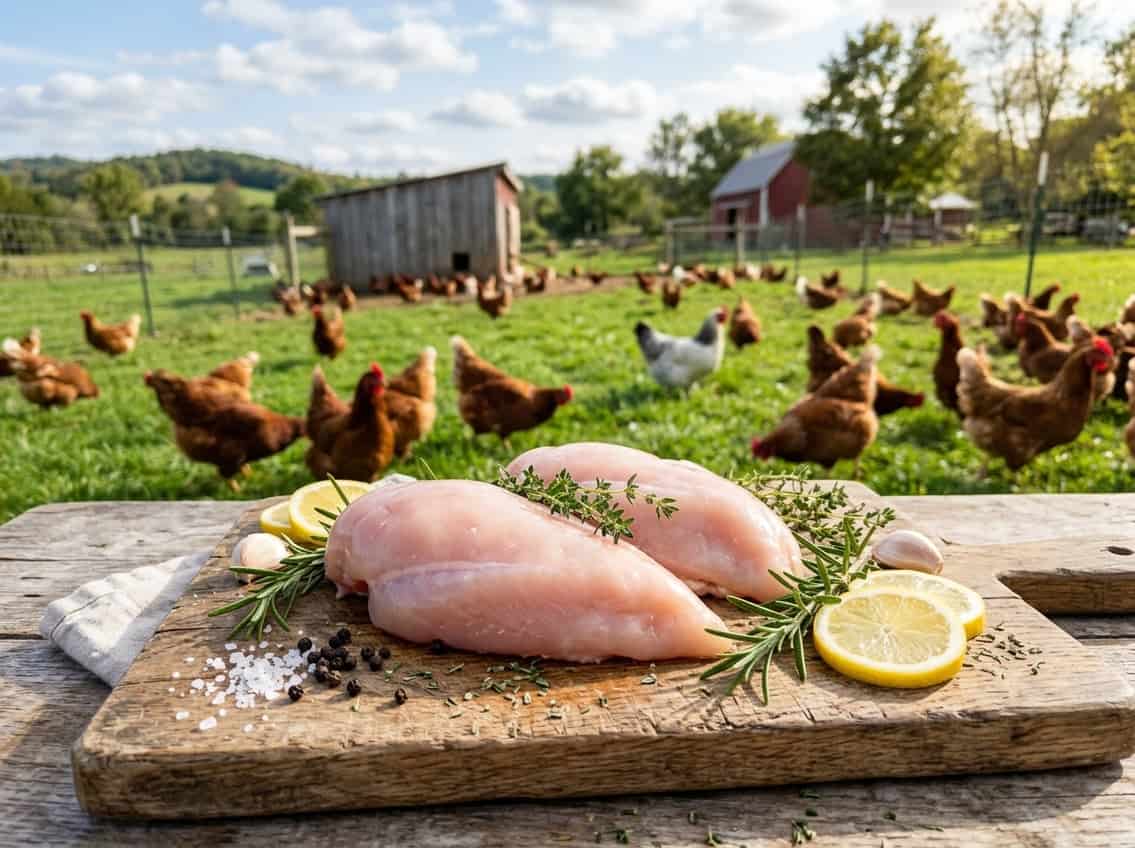
How a bird is raised can change taste, texture, and cost.
Slower growth, better feed, and more space often improve eating quality, though the price usually rises too.
Why Slower Growth and Breed Can Change Flavor
Research on poultry production shows that rearing system, breed, and growth rate can affect carcass and meat quality, including flavor and texture, as seen in a review of poultry meat quality on ScienceDirect.
In practical terms, heritage breed chicken and pasture-raised chicken often taste different from standard broilers.
That can show up as stronger flavor, firmer texture, and sometimes better juiciness in cooked meat.
It is not automatic, but it is common enough to matter when you compare high-quality chicken options.
The Link Between Farming Methods and Soil Health
Regenerative farming aims to improve soil health while producing food.
When poultry is part of that system, farmers often support better land use, better grazing, and stronger long-term animal welfare.
Not every regenerative claim is equal.
You still need to look at who makes the claim and what practices are actually documented.
For shoppers who value sustainable poultry, the details matter more than the trend word.
Balancing Price, Ethics, and Everyday Use
You do not need the highest-priced package for every meal.
For weekday dinners, a good organic chicken breast or reliable free-range chicken can be a practical middle ground.
Use premium pasture-raised chicken for recipes where flavor matters most, such as simple roasted chicken or pan-seared cutlets.
For soups, tacos, and meal prep, value and freshness may matter more than rare labels.


