
Is Chicken Breast Protein? Quick Nutrition Guide
You may be asking if chicken breast is protein, and the short answer is yes. Chicken breast is one of the most common protein foods in the U.S., especially if you want a simple, high-protein option with little fat.
Chicken breast is a true protein food. You can get a large amount of protein from chicken breast without many extra calories.
That is why many people group it with lean protein choices for meals, meal prep, and fitness plans.
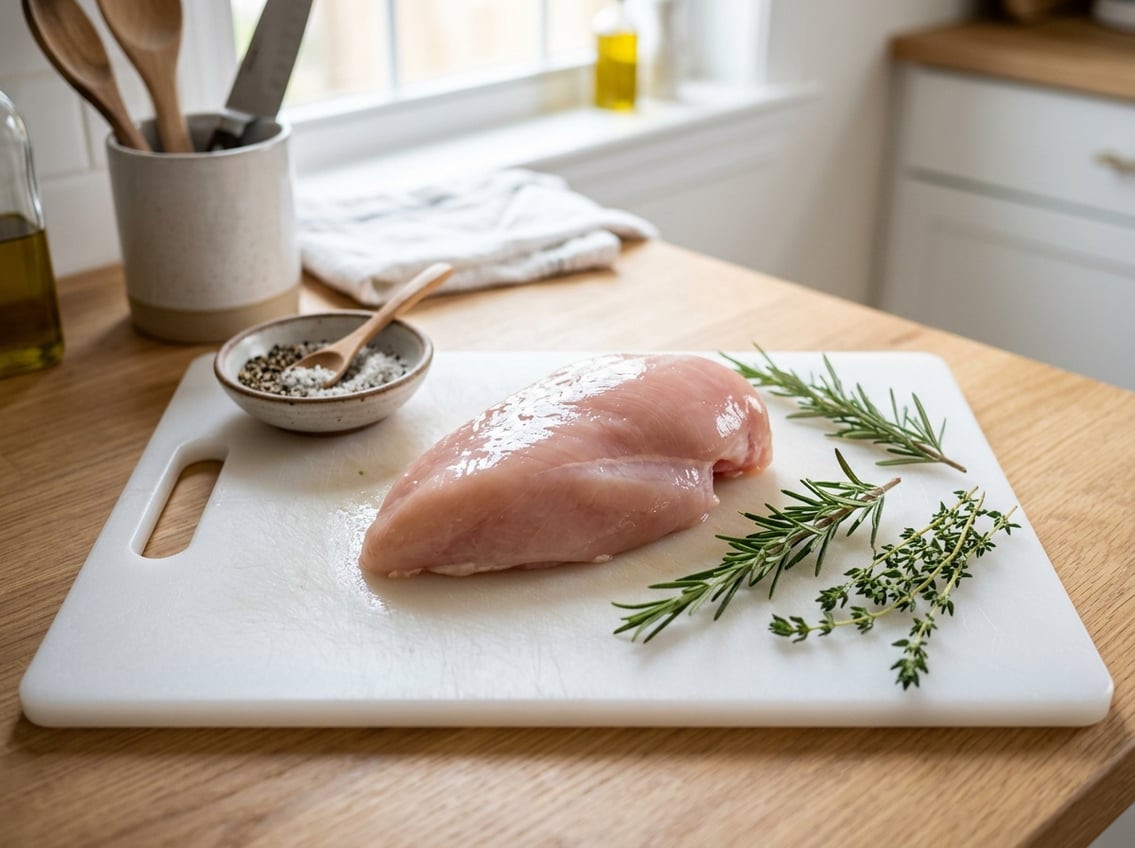
The exact protein content in chicken breast depends on the size, whether it is raw or cooked, and whether it is skinless or bone-in.
If you track macros or want better meal portions, those details matter.
How Much Protein Chicken Breast Provides
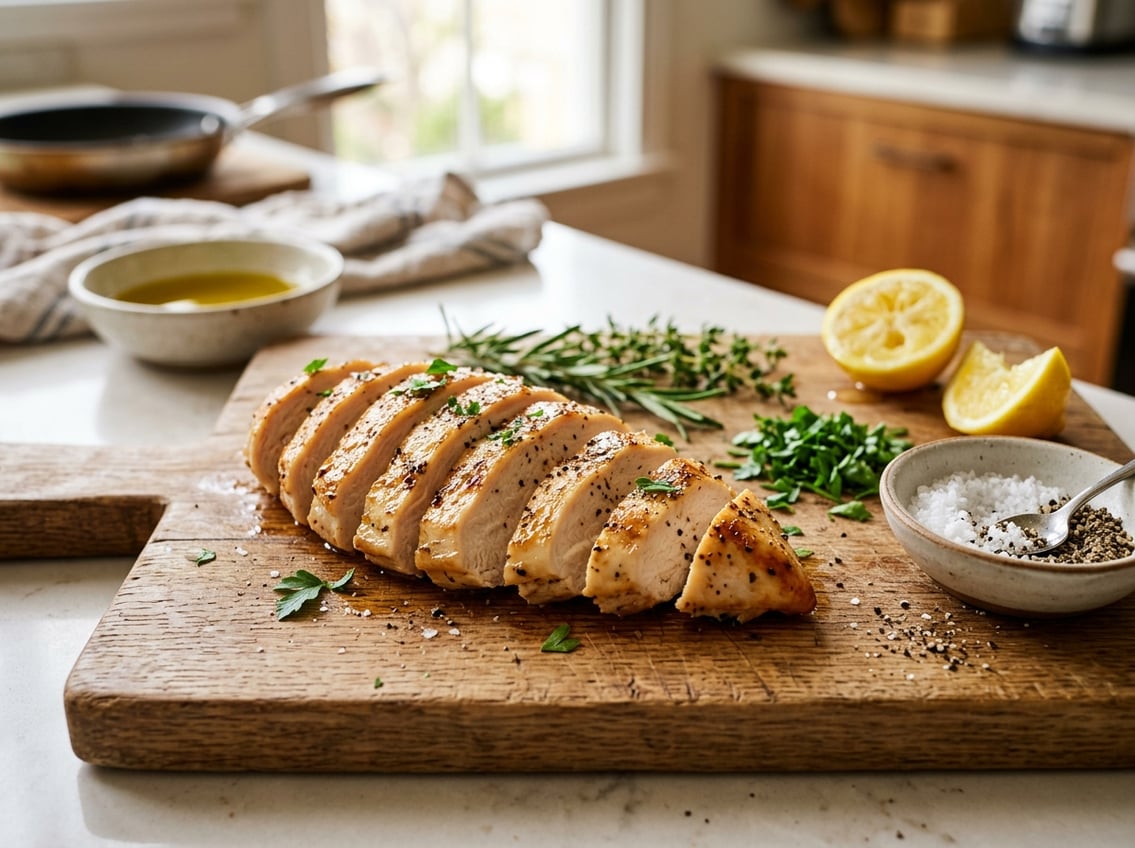
Chicken breast gives you a lot of protein for a relatively small serving.
A skinless chicken breast is especially popular because it stays high in protein while keeping fat low.
For most people, the easiest way to estimate protein in chicken breast is by cooked weight.
A standard serving is often around 3 ounces, while meal portions are commonly 100 grams or more.
Protein Per 3-Ounce Serving
A 3-ounce cooked chicken breast gives you about 23 to 26 grams of protein.
That lines up with the common estimate used in nutrition guides, including a recent summary that places a 3-ounce serving at about 23.8 grams of protein in chicken breast from MSN’s nutrition coverage.
This serving size is close to the size of a deck of cards.
It is a practical amount if you want a high-protein lunch or dinner without a very large plate.
Protein Per 100 Grams
A 100-gram cooked skinless chicken breast has about 31 to 32 grams of protein.
If you weigh it raw, the number is lower per 100 grams because raw chicken still holds more water.
Chicken breast often shows up as a top lean protein choice in nutrition plans and high-protein chicken breast guides.
The protein density is high compared with many other whole foods.
Calories and Macros at a Glance
A plain skinless chicken breast is mostly protein, with very little carbohydrate.
A 3-ounce cooked portion usually lands around:
- Protein: 23 to 26 grams
- Calories: about 120 to 140
- Fat: about 2 to 3 grams
- Carbs: 0 grams
That mix makes it easy to fit into many eating plans.
If you want more protein without many added calories, chicken breast is a strong choice.
What Changes the Protein Count
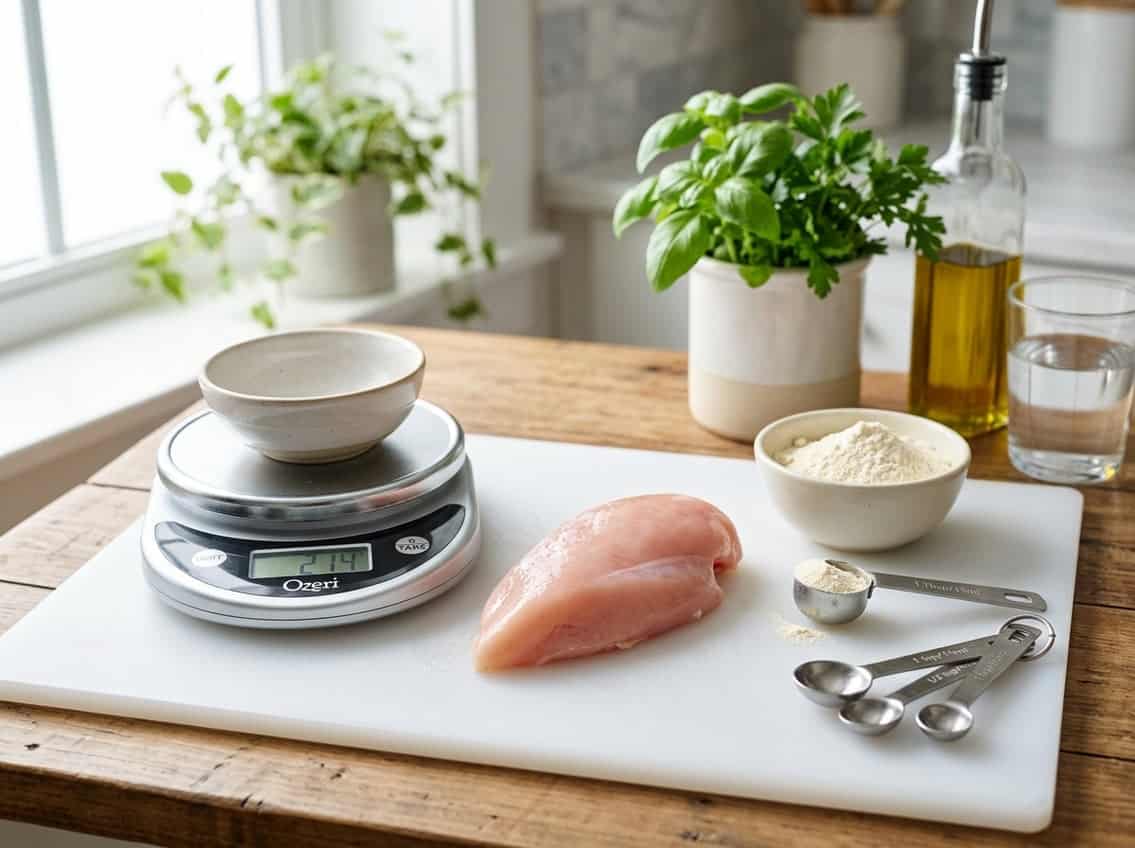
Cooking does not remove the protein in chicken breast, but the number you see on the scale can change.
Water loss, bones, and skin all affect how much protein you get per ounce.
Two chicken breasts can look similar in the pan but still give you different protein totals.
If you are counting macros closely, the details matter.
Raw vs. Cooked Weight
Raw chicken breast weighs more because it contains more water.
After cooking, it shrinks, so each cooked ounce contains more protein than each raw ounce.
A cooked chicken breast often has about 8.5 to 9 grams of protein per ounce, while raw chicken breast is closer to 6 to 7 grams per ounce.
If you log food by weight, use the same method every time.
Bone-In vs. Boneless Portions
A bone-in chicken breast includes part of the skeleton, so not all of the listed weight is edible meat.
Bone and cartilage can take up a meaningful part of the total weight, which lowers the protein you actually eat per pound.
Boneless chicken breast gives you a more direct protein count because nearly all of the weight is meat.
If you want simple tracking, boneless is easier to measure.
Skin-On vs. Skinless Differences
Skinless chicken breast is the leanest option.
Chicken skin adds fat and calories, while the meat itself still provides the protein in chicken breast.
A skin-on breast is not much higher in protein, but it is higher in total calories.
If you want a lean protein source, skinless chicken breast is usually the better fit.
Why It Is Considered a Lean Protein
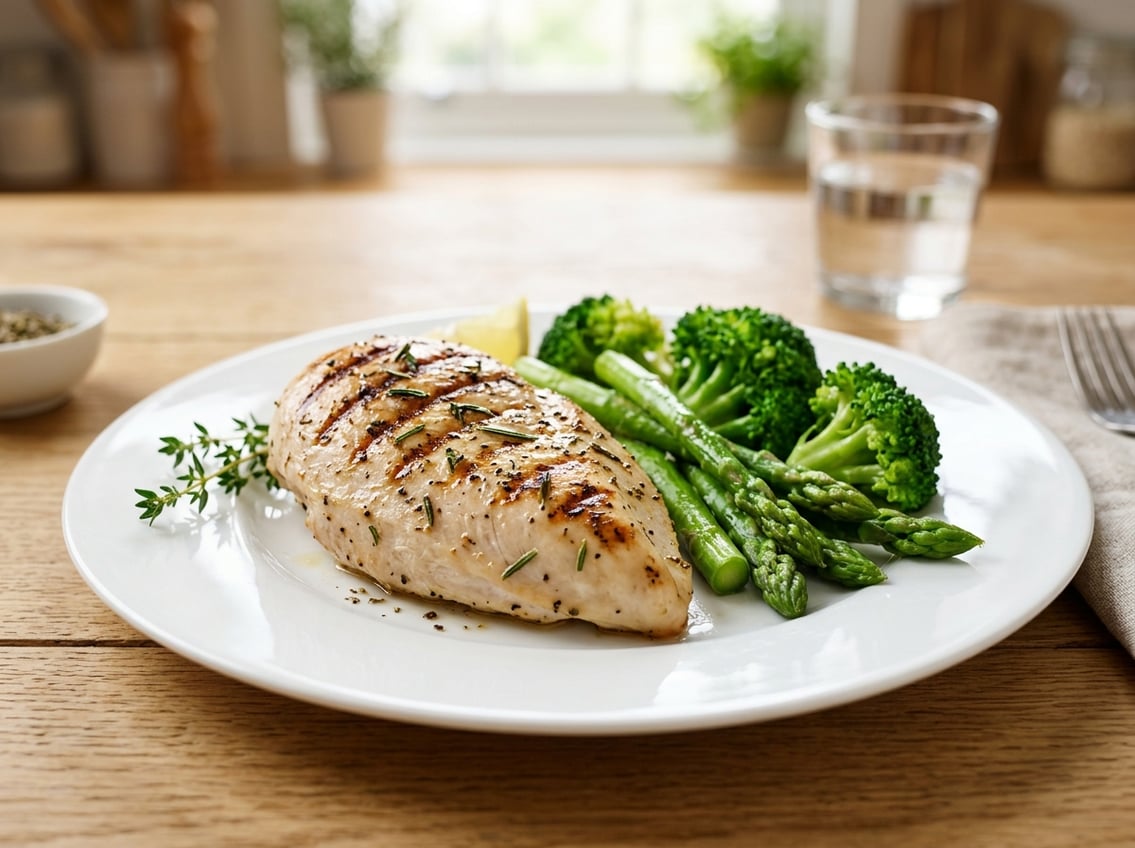
Lean protein means you get a lot of protein with relatively little fat.
Chicken breast fits that definition well, especially when you choose skinless cuts.
It also gives you a complete protein, which means it contains all the essential amino acids your body needs from food.
That is one reason chicken shows up so often in sports nutrition and healthy meal plans.
High Protein Relative to Calories
Chicken breast delivers a lot of protein for a low calorie count.
That ratio makes it stand out among common meats.
For example, a 3-ounce portion gives you more than 20 grams of protein with only a modest number of calories.
That makes it useful if you want to keep meals filling without pushing calories too high.
How It Supports Muscle and Satiety
Protein helps your body maintain and repair muscle tissue.
It also tends to keep you full longer than carbs or fat alone.
Chicken breast is popular for both exercise recovery and weight management.
You can use it to help reach daily protein goals while staying satisfied between meals.
When Other Chicken Cuts May Fit Better
Chicken breast is not always the best choice for every meal.
Thighs, drumsticks, and wings may work better if you want more flavor, more fat, or a juicier texture.
Those cuts still provide protein in chicken, just with a different macro balance.
If you are not trying to keep fat low, another cut may fit your plate better.
Easy Ways to Use It in Meals
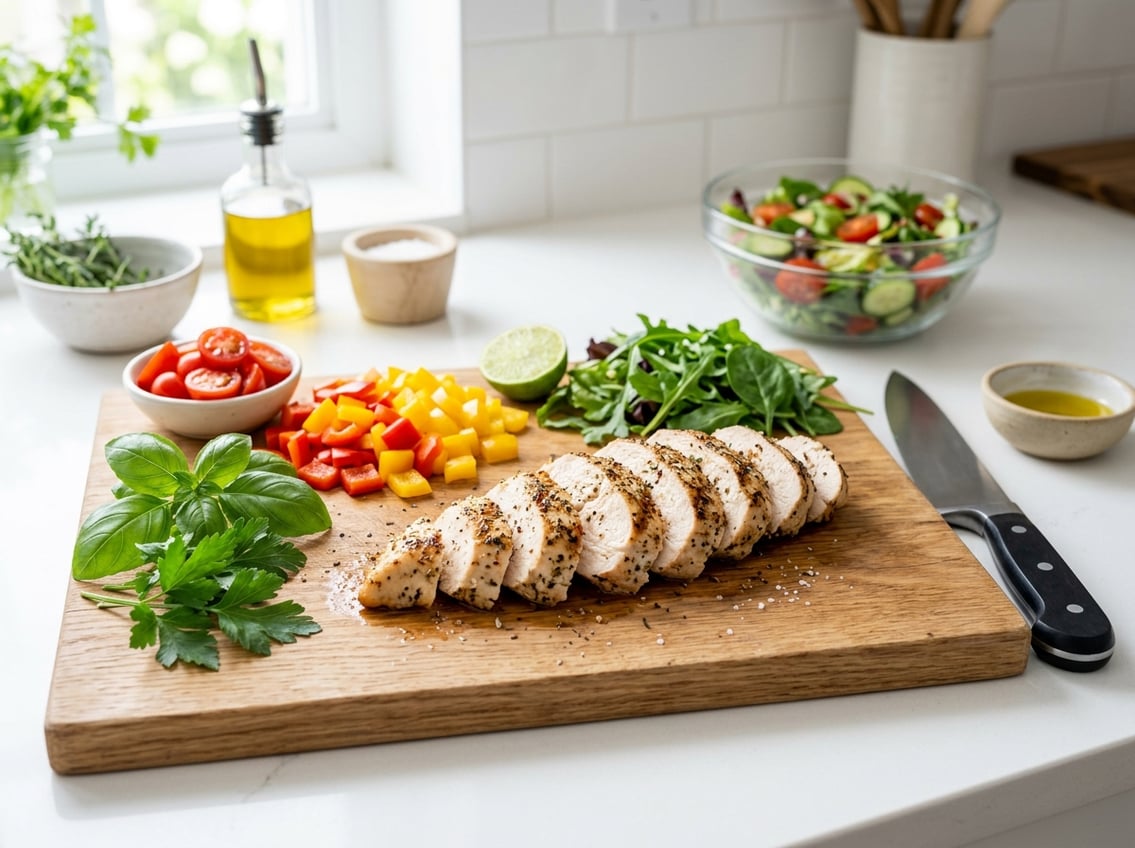
Chicken breast works well because you can portion, cook, and add it to many meals.
You can keep it plain or build it into salads, bowls, wraps, and hot dinners.
The main goal is to match your portion to your protein target.
Once you know the protein in chicken breast, planning gets much easier.
Simple Portioning for Daily Protein Goals
A 3 to 4 ounce cooked portion is a good starting point for many meals.
If you need more protein, you can scale up to 6 ounces or pair the chicken with other protein foods like Greek yogurt, beans, or eggs.
A kitchen scale makes this more accurate, especially if you meal prep.
If you do not use a scale, a deck-of-cards size piece is a useful visual guide.
Healthy Meal Ideas and Prep Tips
You can season chicken breast with salt, pepper, garlic, paprika, lemon, or herbs.
Baking, grilling, air frying, and poaching all work well.
For easier meal prep, cook several breasts at once and store them in the fridge for a few days.
Slice them for salads, grain bowls, sandwiches, or quick dinners with vegetables.
How Chicken Caesar Salad Fits In
A chicken caesar salad can be a strong protein meal if you watch the extras.
The chicken gives you the main protein.
The dressing, croutons, and cheese raise the calorie count.
If you want a lighter version, use grilled skinless chicken breast.
Go easy on the dressing, and add extra greens.
That keeps the meal centered on lean protein while still tasting familiar.


