
Why Is Chicken Breast Tough and How to Fix It
Chicken breast gets tough when it loses too much moisture, cooks past the right point, or starts with poor texture.
You can make a juicy chicken breast at home if you control heat, prep the meat well, and choose the right cooking method.
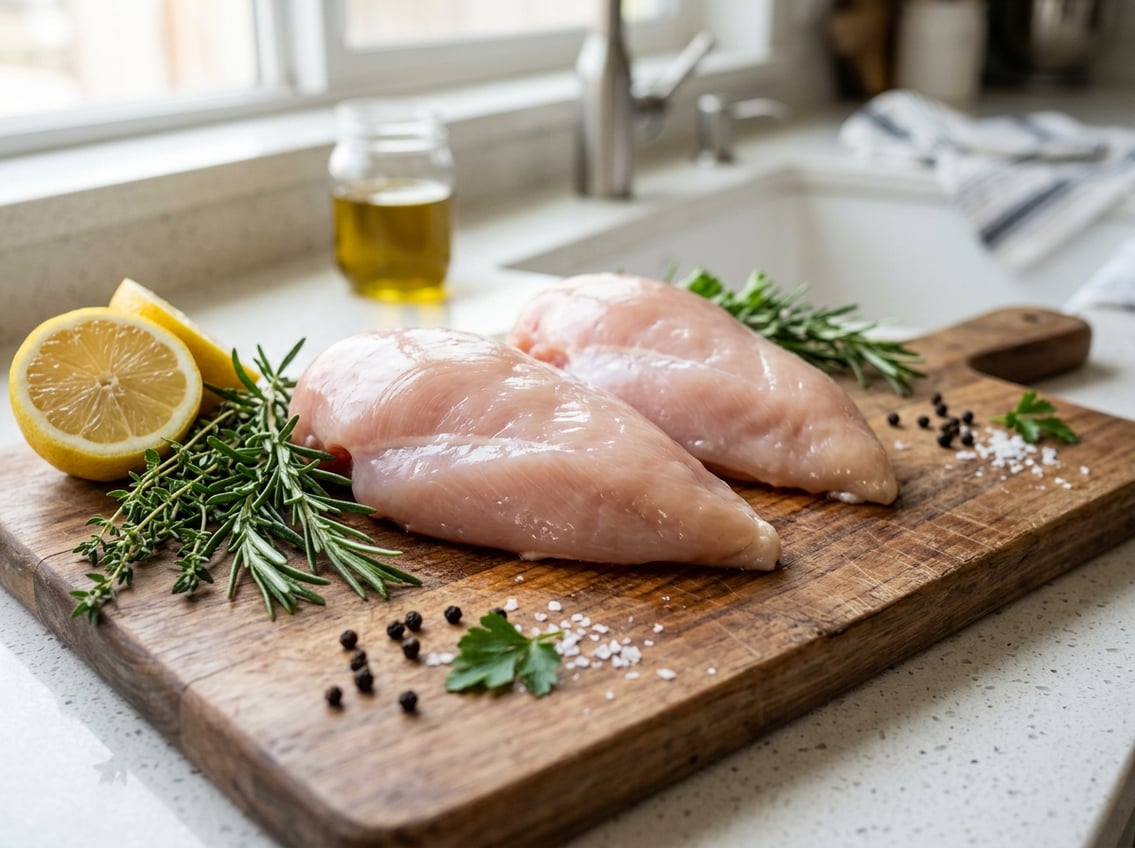
If you keep chicken breast moist, cook it to the right internal temperature, and slice it the right way, you can turn a tough chicken breast into tender chicken breast more often.
Chicken breast is a popular lean protein, but it dries out faster than fattier cuts.
Most cases of tough chicken can be fixed by improving texture before, during, and after cooking.
The Main Reasons Texture Turns Dry, Chewy, or Rubbery
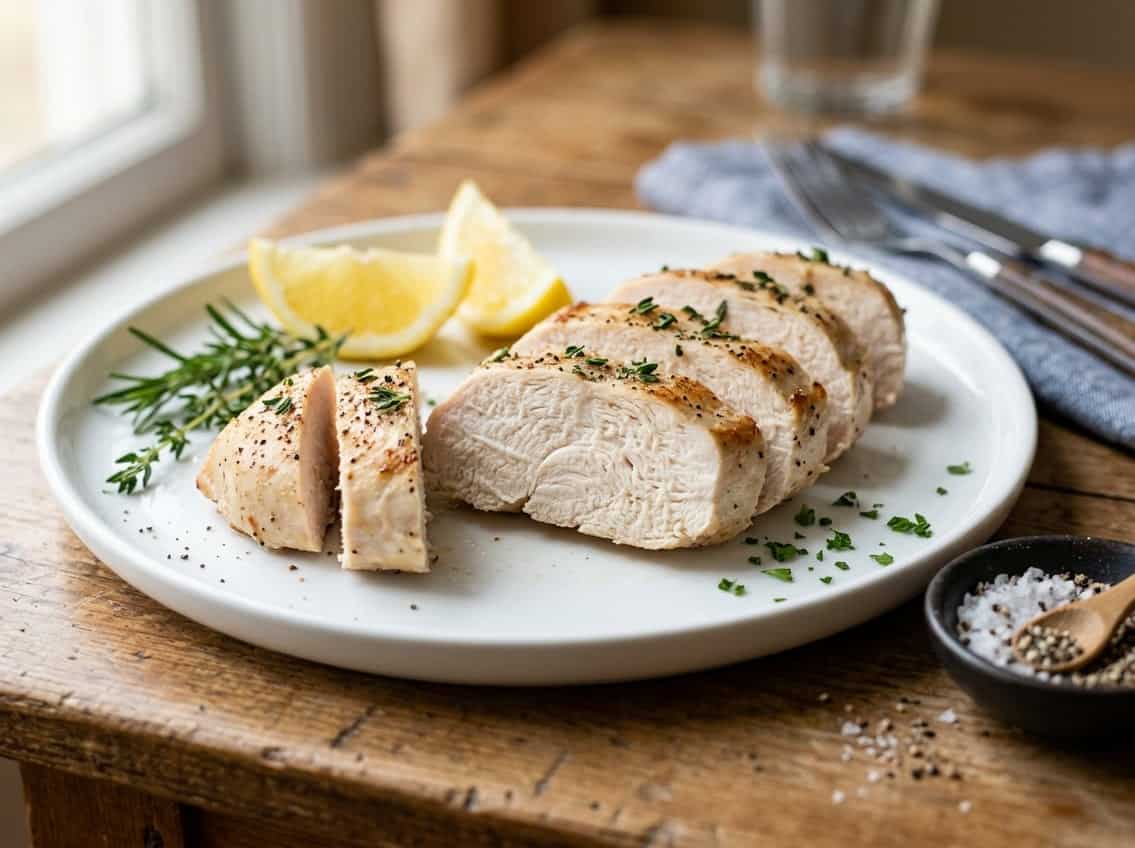
Dry, chewy, or rubbery chicken usually comes from moisture loss or heat damage.
Chicken breast is naturally lean, so small mistakes show up fast in the final bite.
Overcooking and Protein Tightening
Overcooking chicken causes the muscle fibers to tighten and push out moisture.
That is one of the most common reasons you end up with tough chicken instead of a tender result.
Chicken breast cooks quickly, so even a few extra minutes can change the texture.
A hot pan, grill, or oven can take it from juicy to dry very fast.
Undercooking and Rubbery Texture
Undercooked chicken breast can feel soft, slick, or oddly springy.
That rubbery texture is not the same as dryness, but it still makes the meat unpleasant to eat.
You need the right internal temperature for safety and the right timing for texture.
Why Skinless, Lean Meat Dries Out Faster
Skinless chicken breast has less fat and no skin barrier to help protect it from heat.
That makes it harder to retain moisture during cooking.
Fat adds forgiveness.
Lean breast meat gives you less margin for error, so it needs more care than thighs or drumsticks.
Uneven Thickness and Fast Moisture Loss
A thick end and a thin end cook at different speeds.
If you cook the whole piece as if it were even, the thinner part usually dries out first.
The texture of a chicken breast should be consistent from edge to edge.
How to Prep Chicken for Better Tenderness
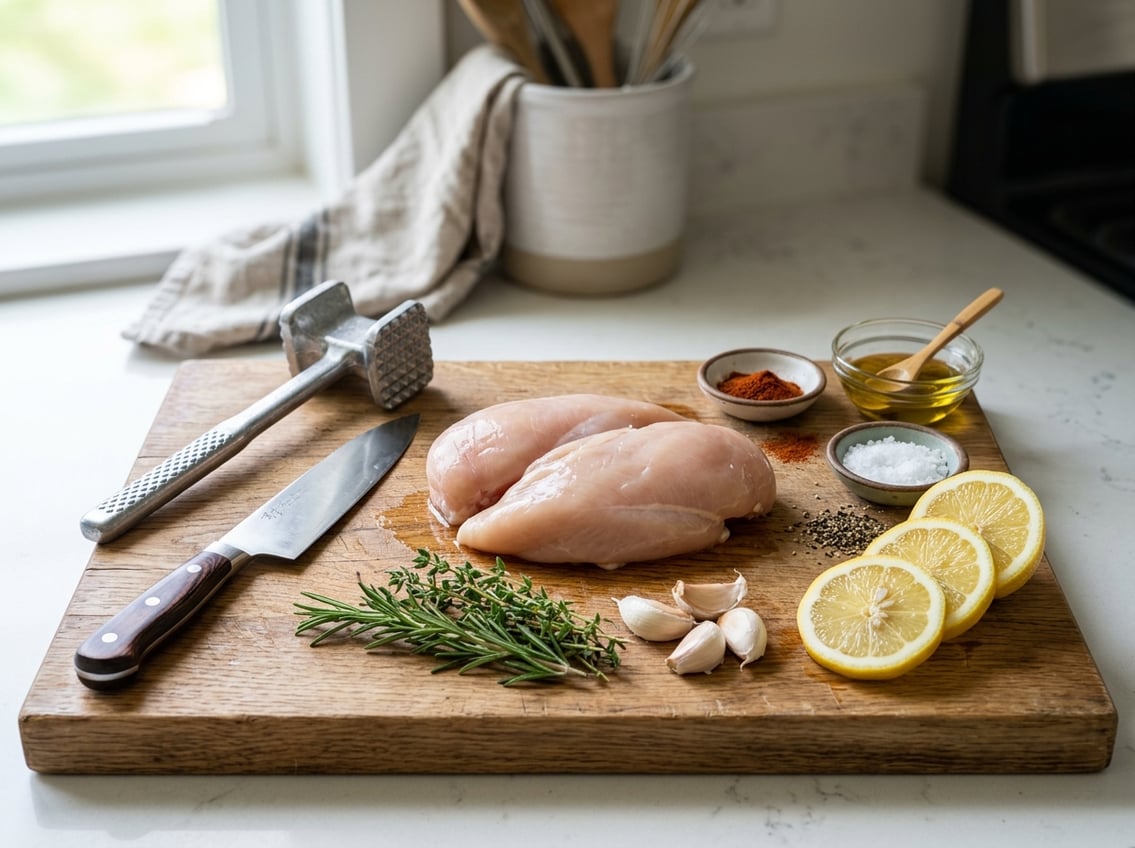
Good prep can make the final result much better before the pan or oven ever turns on.
Acid, oil, pressure, and time all help the meat cook more evenly and stay juicy.
Marinating With Lemon Juice, Vinegar, and Olive Oil
A short marinade can improve flavor and help the outside cook more gently.
Marinating with lemon juice, vinegar, and olive oil gives you acid for tenderizing and oil for carrying flavor.
Keep the time moderate.
Too much acid for too long can make the outside soft or mushy.
Pounding to an Even Thickness
Pounding the breast to an even thickness helps it cook evenly.
That makes it easier to avoid one dry side and one undercooked side.
This step is especially useful for cutlets, sandwich slices, and quick skillet meals.
It also helps with faster, more predictable cook times.
Using Plastic Wrap and a Meat Mallet Safely
Place the chicken between sheets of plastic wrap before using a meat mallet.
That keeps splatter down and helps you control the force.
Use steady, light strikes rather than heavy blows.
You want to flatten the meat, not tear it.
When Brining or Resting Helps Most
Brining works best when you want more insurance against dryness.
A short saltwater soak can help the meat hold onto water during cooking.
Resting after cooking lets juices settle, so they stay in the meat instead of running out when you slice.
Best Cooking Methods and Temperature Control
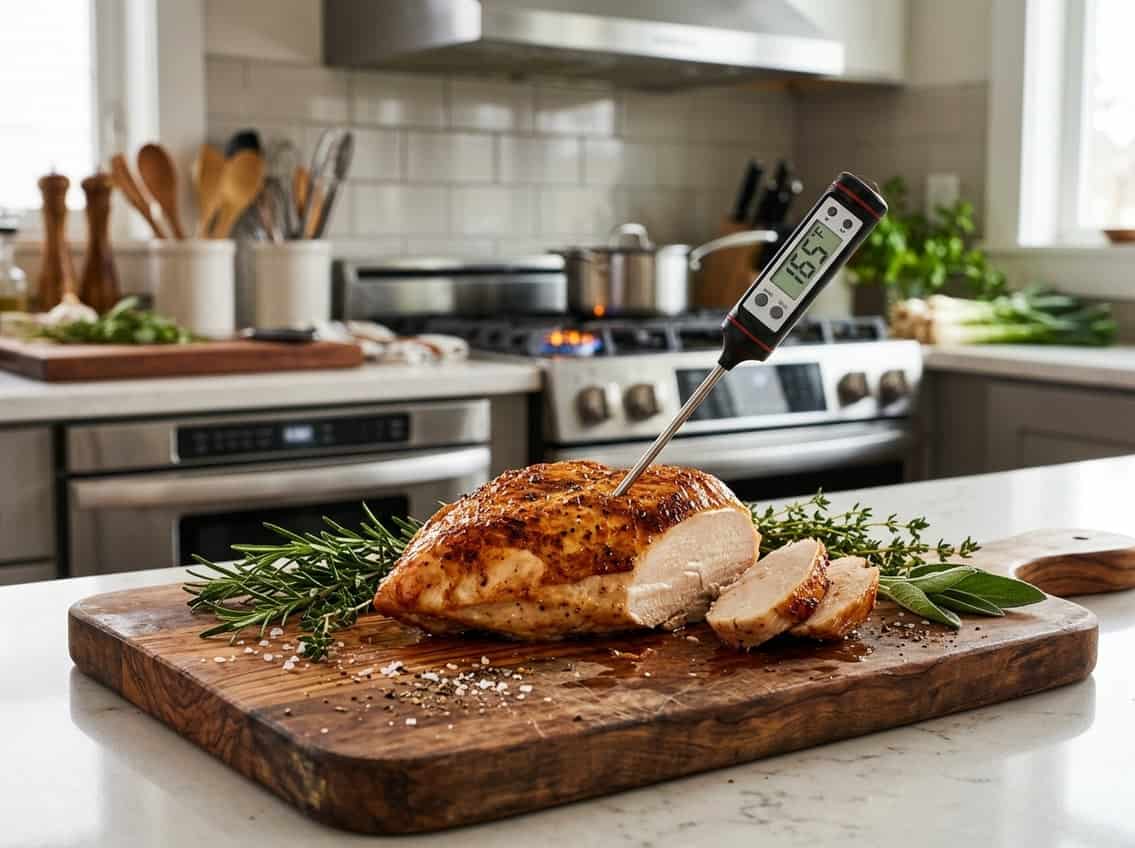
The best cooking method depends on how much control you need.
A meat thermometer removes guesswork and is the simplest way to protect moisture while still reaching a safe internal temperature.
Using a Meat Thermometer Correctly
Insert the thermometer into the thickest part of the breast, away from the pan or bone.
That gives you the most accurate reading.
Check early, then check again near the end.
Small chicken breasts can finish sooner than you expect.
Safe Internal Temperature Without Guesswork
The USDA recommends cooking chicken to 165°F for safety, including breast meat.
You can read that standard in the USDA’s chicken and food safety guidance.
Pulling the chicken at the right time helps keep it from drying out.
Pan-Frying, Grilling, and Roasting Without Drying It Out
Pan-frying works well when you want a browned outside and fast cooking.
Use medium heat instead of very high heat so the surface does not overcook before the center is done.
Grilling and roasting also work well if you watch the temperature closely.
A recent Allrecipes guide on chicken breast temperature notes that roasting at a higher oven temperature can be effective when you keep the timing tight.
When Poaching or Steaming Is the Better Option
Poaching and steaming are gentler choices when moisture matters more than browning.
They can help you retain moisture because the cooking environment stays milder.
These methods work for meal prep, salads, shredded chicken, and recipes where sauce adds most of the flavor.
They are also helpful when you want a more consistent juicy chicken breast.
Choosing the Right Cut and Using It Well
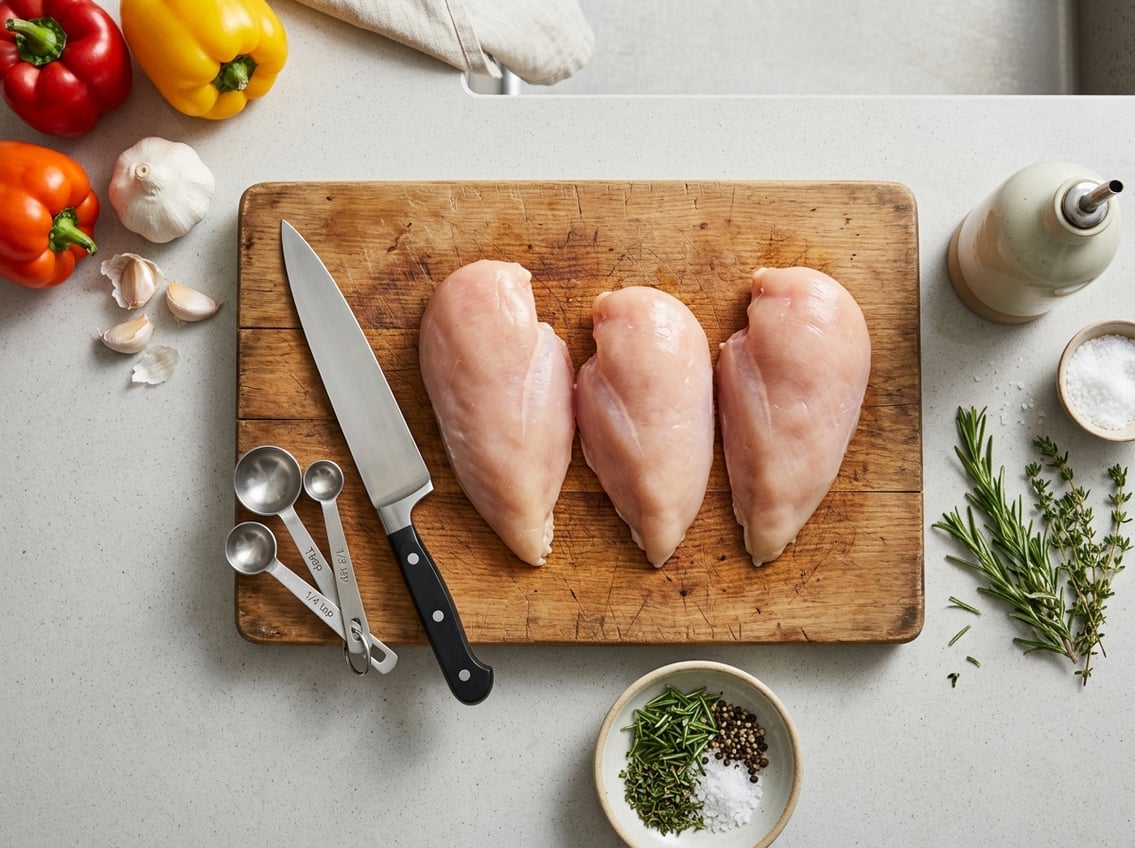
The cut you buy affects taste, texture, and how much room you have for error.
The right choice depends on the recipe, the quality of the meat, and how you plan to serve it.
Boneless Versus Skin-On Options
A skinless chicken breast is common because it is easy to trim and cook.
It is also lean, which fits many nutrition goals, but it needs careful heat control.
Skin-on chicken breast gives you more protection from drying out.
The skin can also add flavor and a better browned crust.
What to Know About Quality Issues and Woody Meat
Some breasts have a condition called woody meat, which can make the texture firm, dry, or stringy no matter how carefully you cook it.
If you have ever done everything right and still had poor texture, the raw meat itself may be part of the problem.
Choose pieces that look even, fresh, and not unusually thick or hard.
Better raw quality gives you a better chance at a good result.
Best Uses for Breast Meat in Dishes Like Chicken Parmesan
Chicken breast works well in dishes that add sauce, cheese, or breading, such as chicken parmesan.
Those extras help protect the meat and add moisture.
It also works well in sliced salads, wraps, grain bowls, and stir-fries.
According to chicken breast nutrition information, a 3-ounce cooked serving provides a strong protein boost.
Nutrition and Health Benefits of Chicken Breast
Chicken breast offers health benefits because it contains high protein and low fat. This makes it a practical choice when you want a filling meal without much saturated fat.
As a type of lean protein, it fits many everyday meal plans. You can pair it with vegetables, rice, potatoes, or even an apple for a simple balanced plate.


