
Where Is Chicken Breast on the Chicken?
You may wonder where the chicken breast is when you see a whole chicken at the store or on a cutting board. The answer is simple: the chicken breasts are the large front muscles on the upper chest, one on each side of the breastbone.
If you know where the breast sits, you can shop smarter and carve a whole chicken with more confidence. This helps you choose the right chicken recipes for a tender or juicy chicken breast.
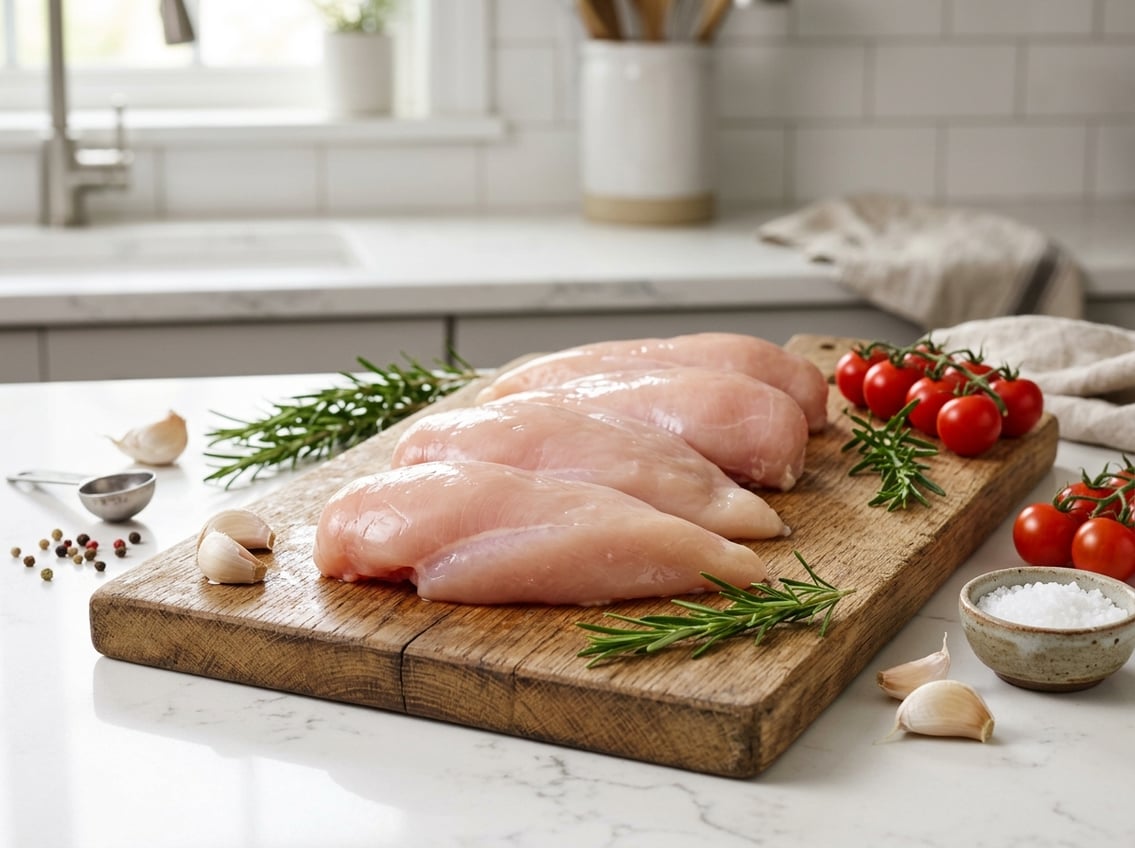
Chicken breast is one of the most common cuts in the U.S. because it is lean and easy to portion. It also cooks quickly, which is why it appears so often in recipes from baked to grilled chicken breast.
Exact Location on the Bird
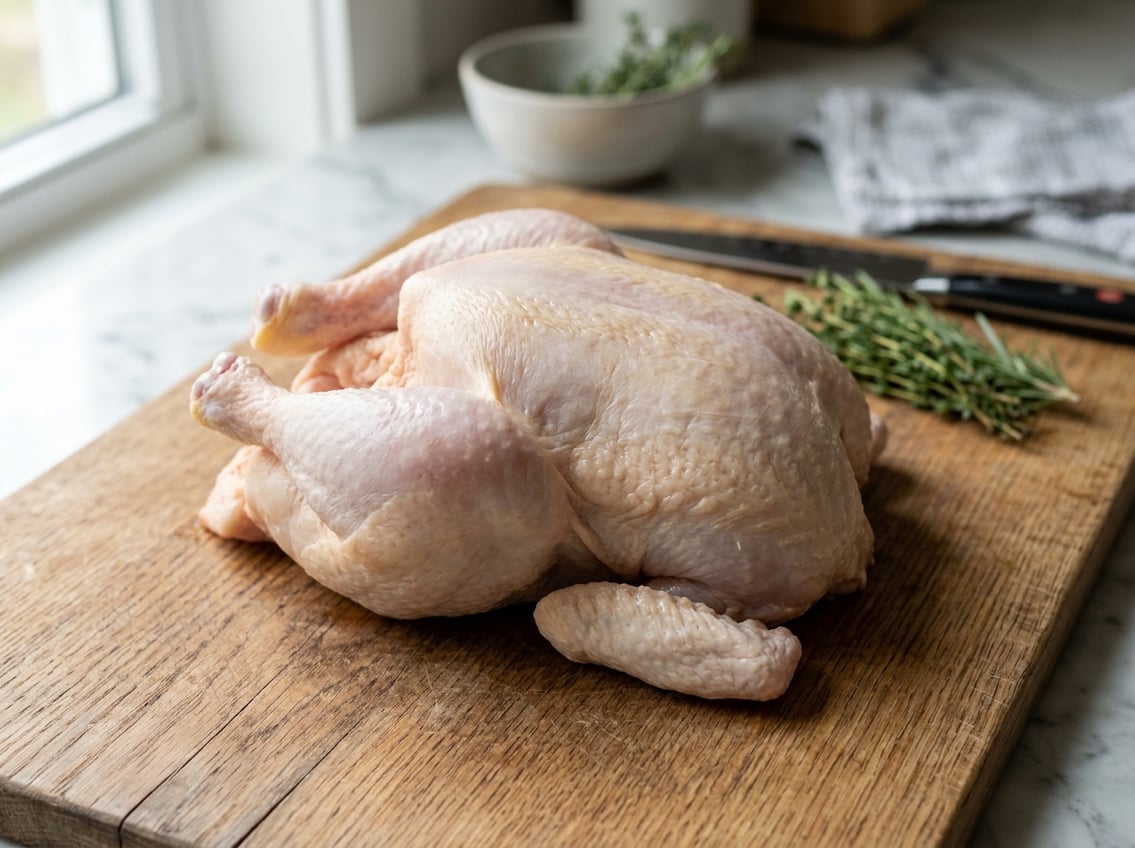
The breast is the rounded, meaty front section of the chicken. It sits on the upper side of the body, directly above the wings and in front of the thighs.
Where the Breast Sits on a Whole Chicken
On a whole chicken, the breast runs along the center line of the body, separated by the breastbone. The National 4-H Poultry and Egg market poultry parts guide says the whole breast is the intact breast separated from the rest of the bird at the junction of the ribs, and the split breast is the whole breast cut into two equal halves.
When you look at a bird breast-side up, the two sides of the breast form a raised mound on either side of the breastbone. If you place the chicken breast-side down, the same meat rests against the cutting board.
How to Identify the Left and Right Breast Halves
A whole chicken breast usually divides into a left and right half by the breastbone. Each half attaches to one side of the keel bone, which is the long, central bone running down the front of the bird.
If you hold a whole chicken breast, the thicker side usually points toward the shoulder area, and the thinner end tapers toward the ribcage. Boneless chicken breasts in stores are often these two halves removed from the bone and trimmed for easier cooking.
What Makes Breast Meat Different From Thigh and Wing Meat
Breast meat is white meat, so it is lighter in color and usually leaner than thigh meat. Thighs have more fat and connective tissue, which gives them a richer flavor and a darker color, while wings have less meat and more skin and bone.
A tender chicken breast can taste mild and clean, while thigh meat often stays more forgiving during longer cooking. Chicken cutlets and boneless breasts are often used in quick recipes that need fast, even cooking.
How the Cut Is Prepared and Sold
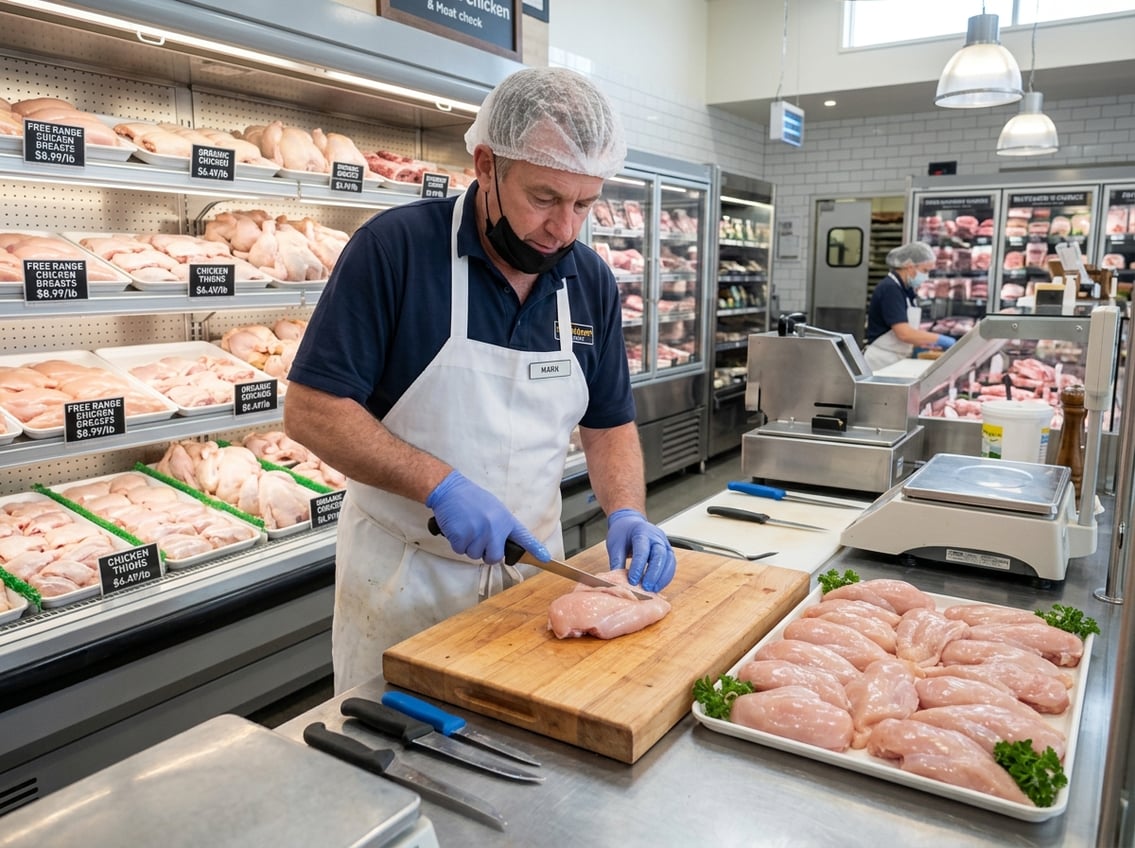
Stores sell chicken breasts in several forms, and each one changes how you cook it. You may find bone-in pieces for roasting, boneless portions for weeknight dinners, or thin cutlets for fast pan-fried meals.
Bone-In vs Boneless and Skin-On vs Skinless
Bone-in chicken breast keeps the rib or breast bone attached, which can help the meat cook more evenly and stay moist. Skin-on versions add flavor and some protection from drying out, which is useful for baked or grilled chicken breast.
Boneless, skinless chicken breast is the most common grocery store option in the U.S. It is easy to trim, slice, and use in recipes that call for quick cooking.
How Breasts Are Trimmed Into Cutlets and Portions
Butchers and processors often trim whole breasts into cutlets, split breasts, or smaller pieces. Chicken cutlets are usually thin slices or pounded portions that cook fast and work well for breaded or pan-fried chicken.
Some stores also sell grilled chicken breasts, pre-seasoned chicken, or ready-to-cook family packs. These options are useful when you want a simple base for a chicken breast recipe without extra trimming at home.
What to Expect in Grocery Store Packaging
In the store, you usually see chicken breasts in foam trays, vacuum-sealed packs, or family-size bags. Labels may note bone-in, boneless, skinless, or trimmed.
Packaging also affects use. Thin cutlets are better for quick meals, while thicker breasts work well for baked or grilled chicken, or recipes that need a longer cook time.
Best Cooking Methods for This Cut
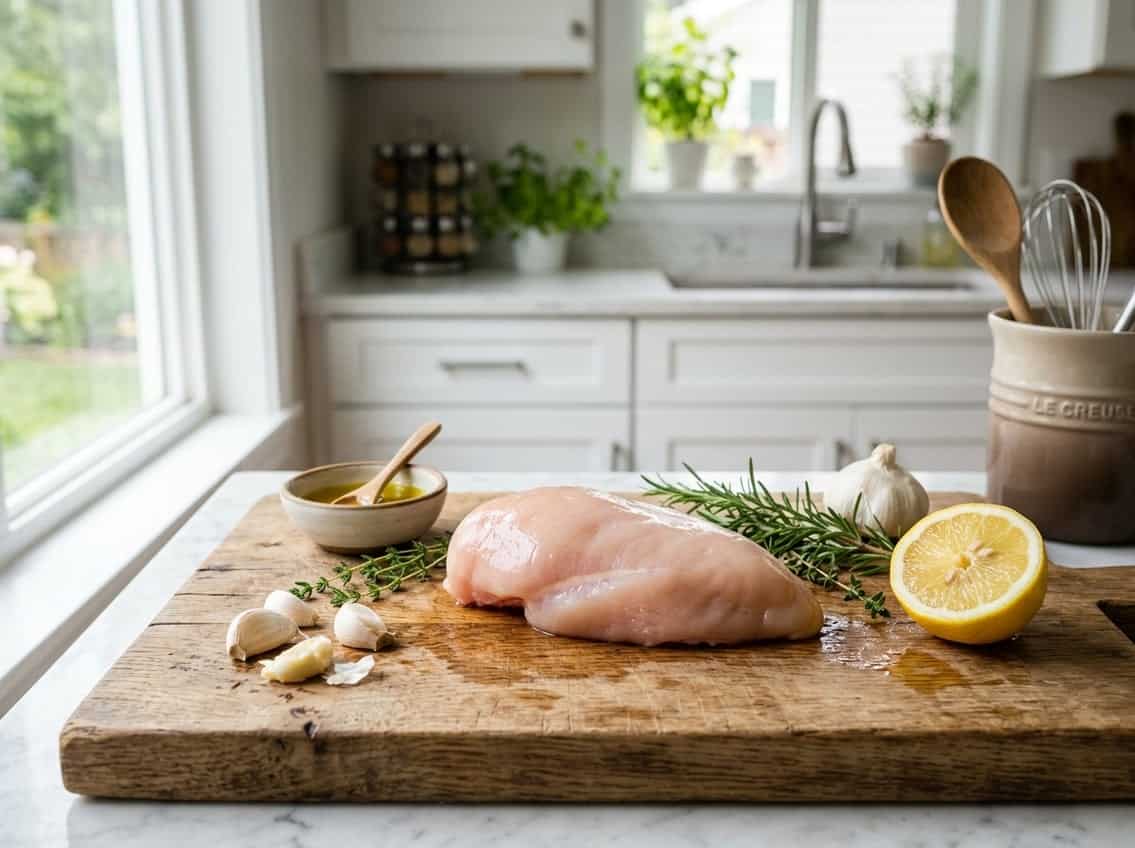
Chicken breast works best when you match the method to the thickness of the meat. High heat, short cook times, and careful temperature control help you get juicy chicken breast instead of dry meat.
Grilling, Baking, and Pan-Searing
Grilled chicken breast is a strong choice when you want char and simple seasoning. Pounding to an even thickness or brining first helps grilled chicken breasts cook more evenly.
Baking works well for both bone-in and boneless pieces, especially when you want an easy hands-off method. Pan-searing gives you browned edges and is useful for breaded chicken or recipes that finish with a pan sauce.
How to Keep Lean White Meat Moist
Lean white meat dries out if it cooks too long. To help keep chicken breast tender, use even-sized pieces and pull the meat when it reaches a safe internal temperature.
A short rest after cooking also helps. The juices settle back into the meat, making it juicier and less likely to spill out when you cut it.
For more cooking ideas, these chicken breast cooking methods compare several common approaches, including baking, grilling, and broiling.
When to Use a Pan Sauce, Butter Sauce, or Chicken Broth
A pan sauce works well after skillet or pan-fried chicken because the browned bits in the pan add flavor. Butter sauce is useful in richer dishes like chicken piccata or chicken marsala.
Chicken broth helps when you need extra moisture, especially in braised dishes, casserole recipes, or slow cooker chicken. It also works well in instant pot chicken when you want the breast to stay soft while cooking quickly under pressure.
Popular Dishes That Commonly Use Breast Meat
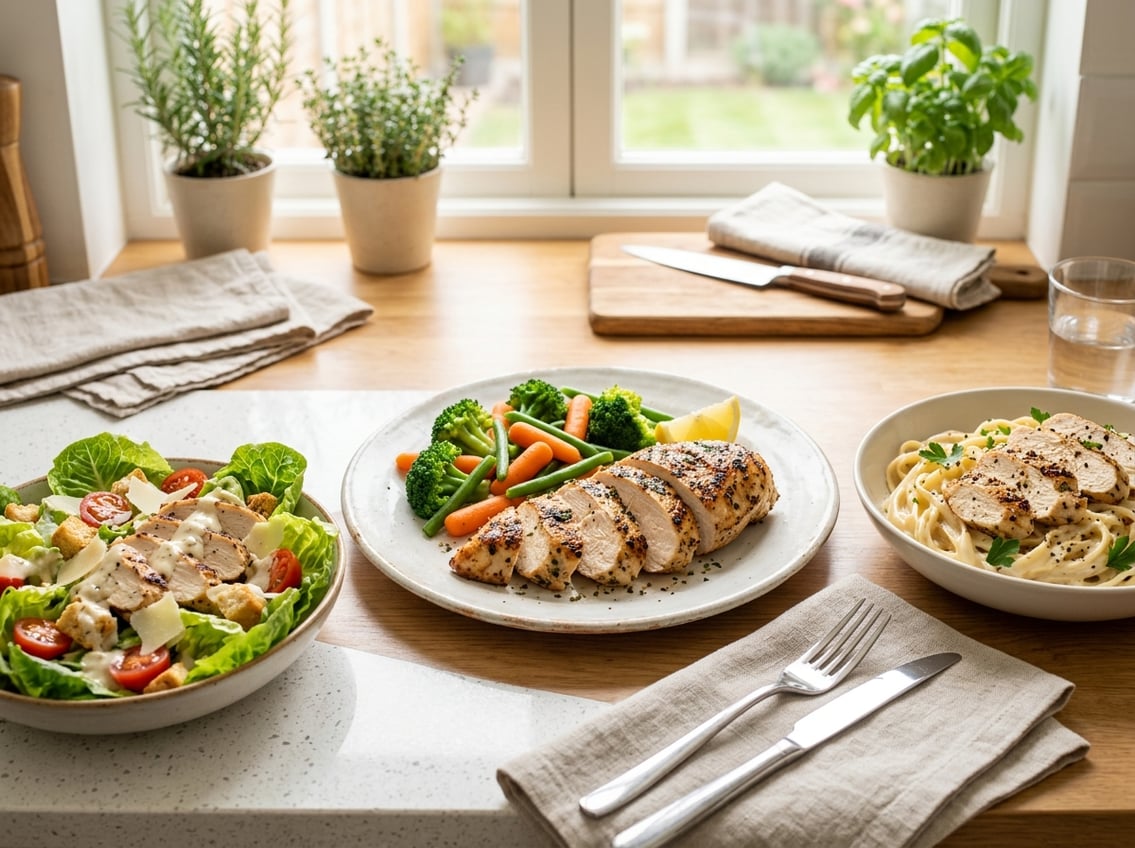
Chicken breast appears in many familiar U.S. meals because it takes on flavor easily. You can use it in creamy skillet dinners, crisp breaded dishes, soups, salads, and fast stir-fries.
Classic Skillet and Italian-Style Dishes
Chicken piccata, chicken parmesan, chicken marsala, chicken schnitzel, and chicken florentine all work well with breast meat because it cooks fast and slices cleanly. These recipes often use a skillet, a light coating of flour or breading, and a sauce finished in the pan.
You also see breast meat in ranch chicken, caprese chicken, marry me chicken, garlic knot chicken, hot honey chicken, and pizza chicken. Many of these recipes use a mild base that carries cheese, herbs, tomato sauce, or a creamy finish.
For a familiar baked option, chicken parmesan recipes often use boneless breasts because they stay flat and are easy to bread.
Salads, Soups, and Casseroles
Chicken Caesar salad, classic chicken salad, and simple chicken salad recipes often use cooked breast meat because it shreds or cubes cleanly. Soups like white chicken chili, instant pot white chicken chili, chicken pot pie soup, chicken tortilla soup, and chicken and wild rice soup also benefit from the mild flavor.
Chicken casserole and chicken enchiladas are common uses too. The breast works well when you want a lean protein that blends into sauce, broth, or cheese without overpowering the dish.
Quick Weeknight and Meal-Prep Favorites
Chicken fajitas, chicken stir-fry, kung pao chicken, cajun chicken pasta, and lemon chicken pasta work well with chicken breast. This cut cooks fast, so you can easily prepare meals on busy nights.
Chicken casserole, instant pot chicken and rice, and instant pot chicken also use chicken breast for quick meals. Homemade pesto, baked chicken, grilled chicken, and slow cooker chicken provide a reliable base for several dishes.
If you build a weekly plan, chicken breast offers a flexible starting point for many recipes.


