
Where Are Chicken Breasts on the Chicken?
You can find chicken breasts on the front of the bird, across the chest area, just below the neck and above the wings and legs.
The breast is the wide, thick part made of the pectoral muscles. Most people mean this cut when they talk about a chicken breast.
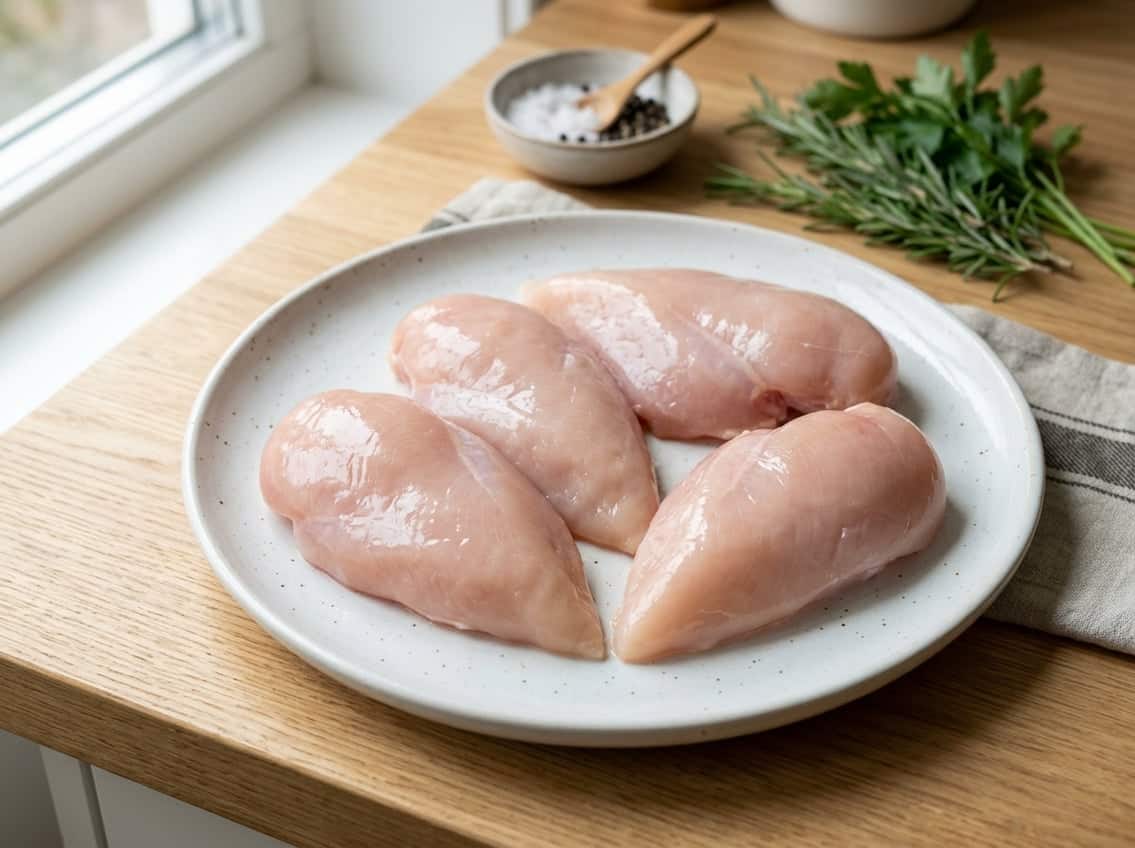
A whole chicken has two breast halves, one on each side of the breastbone.
Once you know that shape, you can spot boneless pieces at the store, compare them with cutlets or tenders, and pick the best method for cooking them.
Exact Location on the Bird
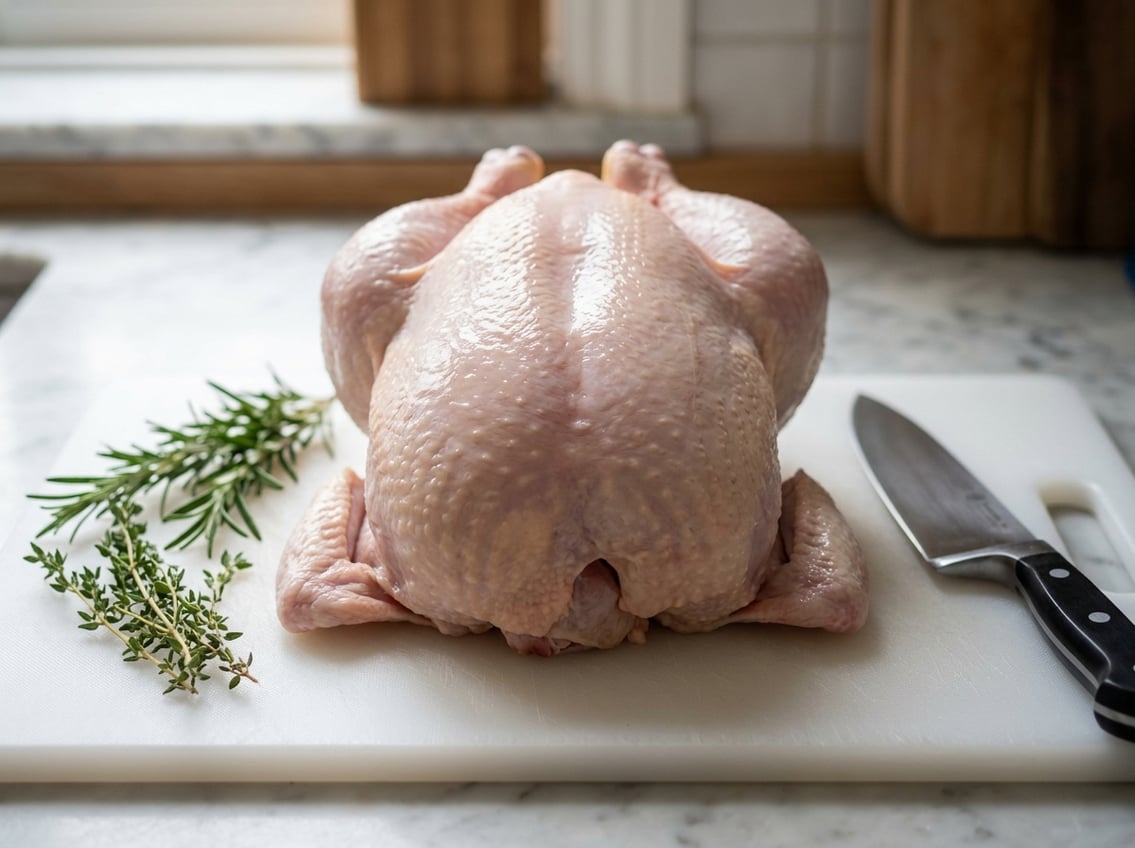
The chicken breast is the meatiest area on the front of the bird. It sits over the breastbone, between the wings, and above the thighs and drumsticks.
You usually remove this part when you want a juicy chicken breast for roasting, slicing, or breading.
How the Breast Sits on the Front of the Chicken
Place the chicken breast-side up and look at the broad, smooth area on the chest.
That is the breast meat, and the center ridge you feel is the breastbone.
On a whole bird, the breast forms a rounded triangle that gets thinner as it reaches the top.
Why Each Chicken Has Two Breast Halves
A chicken has a left and right breast separated by the breastbone.
Each side contains a large pectoral muscle, so chicken breasts are sold as two pieces.
When you cut along the breastbone, you separate those halves cleanly.
How the Breast Differs From Thighs, Wings, and Tenderloins
Chicken breasts are pale, lean, and large. Thighs are darker and usually more forgiving in the pan.
Wings have more skin and bone than meat, so they cook and eat differently.
Tenderloins are smaller strips attached under the breast. Chicken cutlets are usually thin slices made from the breast itself.
What You See at the Store
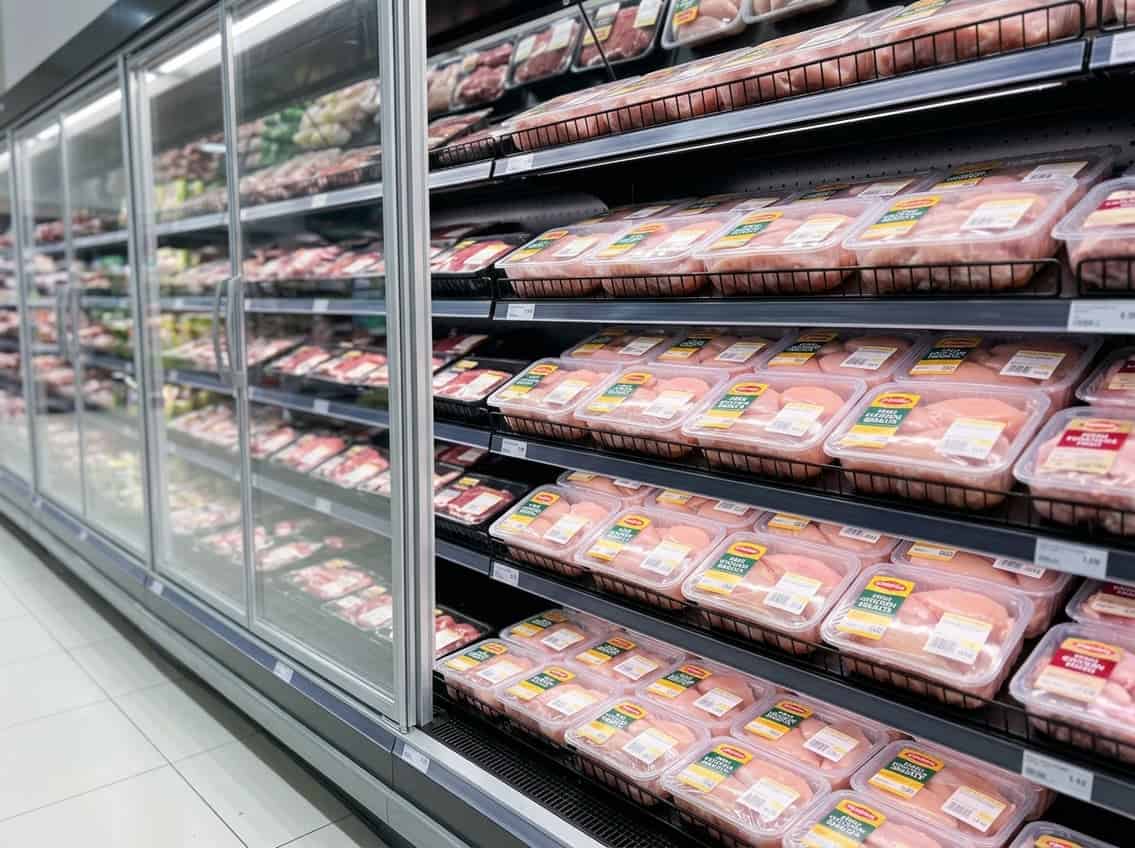
Store labels can be confusing, since one package may be meant for a baked chicken breast recipe while another fits grilled chicken breast meals or breaded chicken dishes.
The cut, thickness, and bone structure matter more than the name alone, especially if you are using an air fryer or a meat thermometer.
Boneless Skinless Pieces vs Bone-In Cuts
Boneless, skinless breasts are easy to slice, stuff, and cook fast.
Bone-in breasts take longer and often stay more moist, so many cooks prefer them for grilled chicken breasts or sheet-pan chicken.
Bone-in pieces may also include skin, which helps with browning.
Chicken Breasts vs Cutlets vs Tenders
Chicken breasts are the full cut from the chest.
Cutlets are thin pieces, often sliced from a breast or pounded flat.
Tenders are the small strips attached under the breast, so they are not the same as a full breast.
How Labels Connect to Common Meals
A package marked for grilling usually points to a thicker breast that can hold up on the heat.
Smaller, thinner pieces work well for breaded chicken, fast pan meals, and air fryer recipes.
According to what chicken packaging labels mean, terms like “enhanced” can signal added broth and flavoring, which may change texture.
Why Breast Shape Matters in Cooking
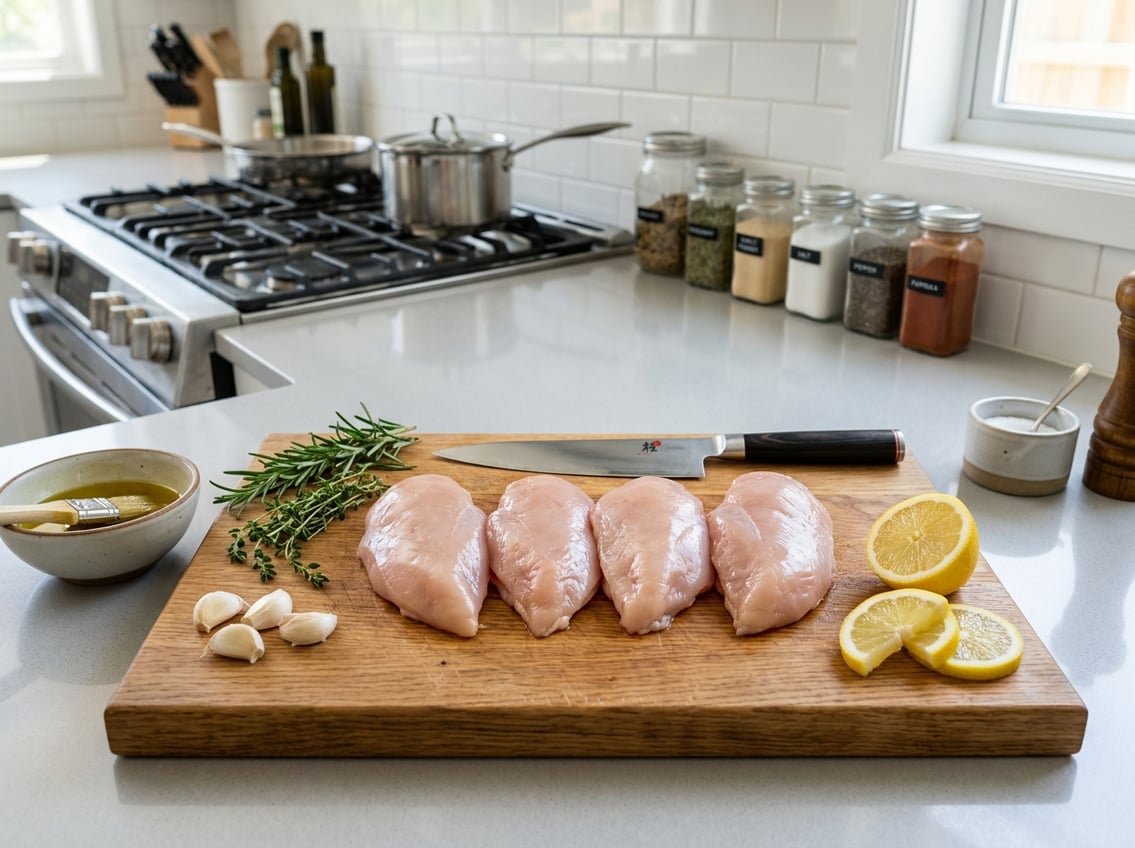
Chicken breasts are thick on one end and thin on the other, so they do not cook at the same speed.
That shape affects moisture, browning, and how well seasonings cling to the surface.
Why the Thick End and Thin End Cook Differently
The thick end holds more meat, so it needs more time.
The thin end reaches safe temperature first and can dry out before the thick part is done.
How Pounding, Slicing, and Brining Improve Texture
Pounding a breast to even thickness helps it cook at the same rate.
Slicing a large breast into cutlets also shortens cooking time and makes it easier to coat or stuff.
Brining adds salt and moisture, which helps lean meat stay more tender during high-heat cooking.
Best Cooking Methods for Even Doneness
Even thickness works well for baking, pan-searing, grilling, and air frying.
For thicker pieces, a meat thermometer gives the most reliable result.
Simple methods like a garlic and paprika rub, a tomato and mozzarella topping, or a parmesan crust add flavor without hiding the meat.
Common Dishes Made With This Cut
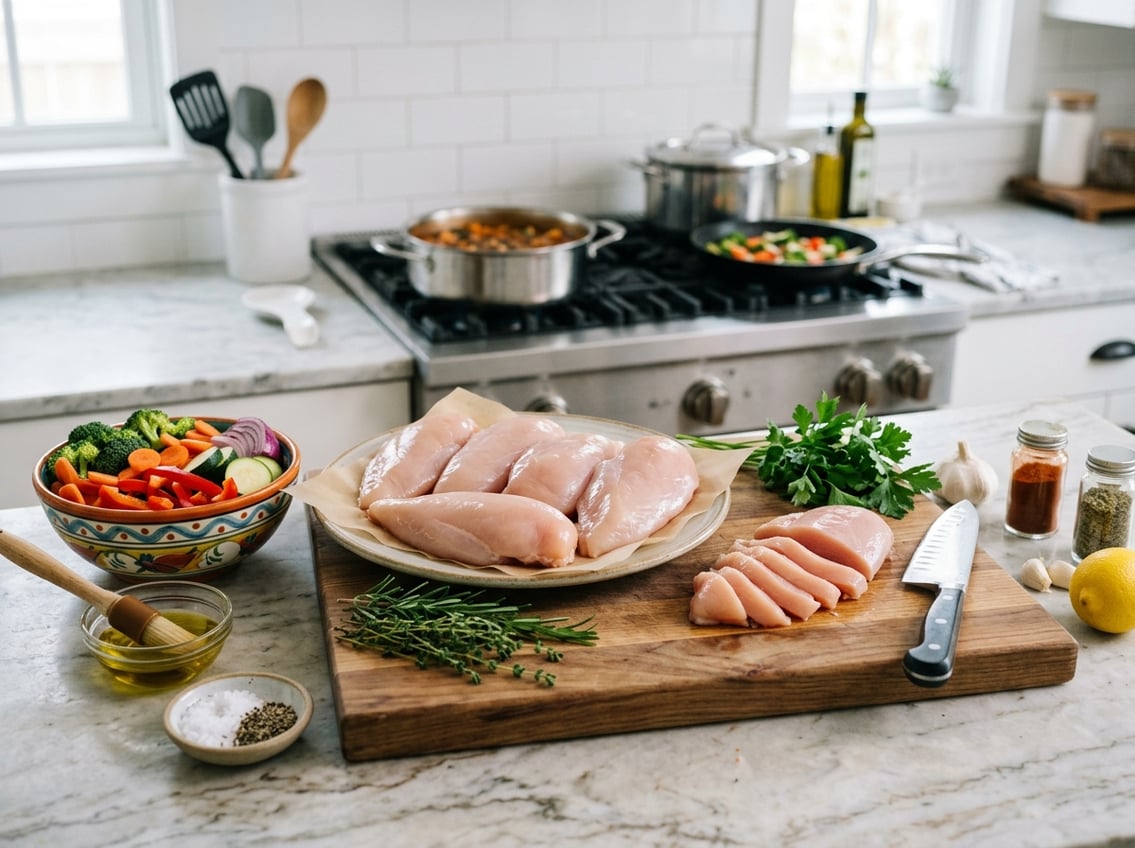
Chicken breast is one of the most flexible cuts in the kitchen.
It fits skillet dinners, salads, wraps, soups, and fast meal prep.
Classic Skillet and Breaded Favorites
You often see chicken piccata, chicken marsala, chicken parmesan, chicken florentine, chicken cordon bleu, chicken schnitzel, and parmesan-crusted chicken built around breast meat.
These dishes work well because the cut can be pounded thin, browned quickly, and paired with sauces or cheese.
Grilled, Salad, and Wrap Ideas
For lighter meals, chicken breasts work in chicken fajitas with tortillas, lettuce, and caesar dressing, or in a chicken caesar salad.
They also fit grilled chicken salad, ranch chicken, and grilled chicken breast meals, where the meat is sliced over greens or grain bowls.
As noted in chicken breast recipe collections, this cut adapts well to breaded, stuffed, and chunked dishes.
Soups, Chilis, and Fast Weeknight Meals
Kung pao chicken, ginger chicken, chicken stir fry, cajun chicken pasta, chicken enchiladas, white chicken chili, and chicken and wild rice soup all use chicken breasts.
You can pair them with ham or prosciutto in stuffed dishes.
Shred chicken breasts easily for quick bowls or soup.
For fast dinners, you can turn a chicken breast recipe into a one-pan meal with rice, pasta, or vegetables.


