
Is Chicken Breast Good for You? Nutrition and Benefits
You may wonder, is chicken breast good for you because it shows up in meal prep, restaurant plates, and simple weeknight dinners for a reason.
The short answer is yes, chicken breast can be a healthy choice when you cook it simply and pair it with vegetables, whole grains, and healthy fats.
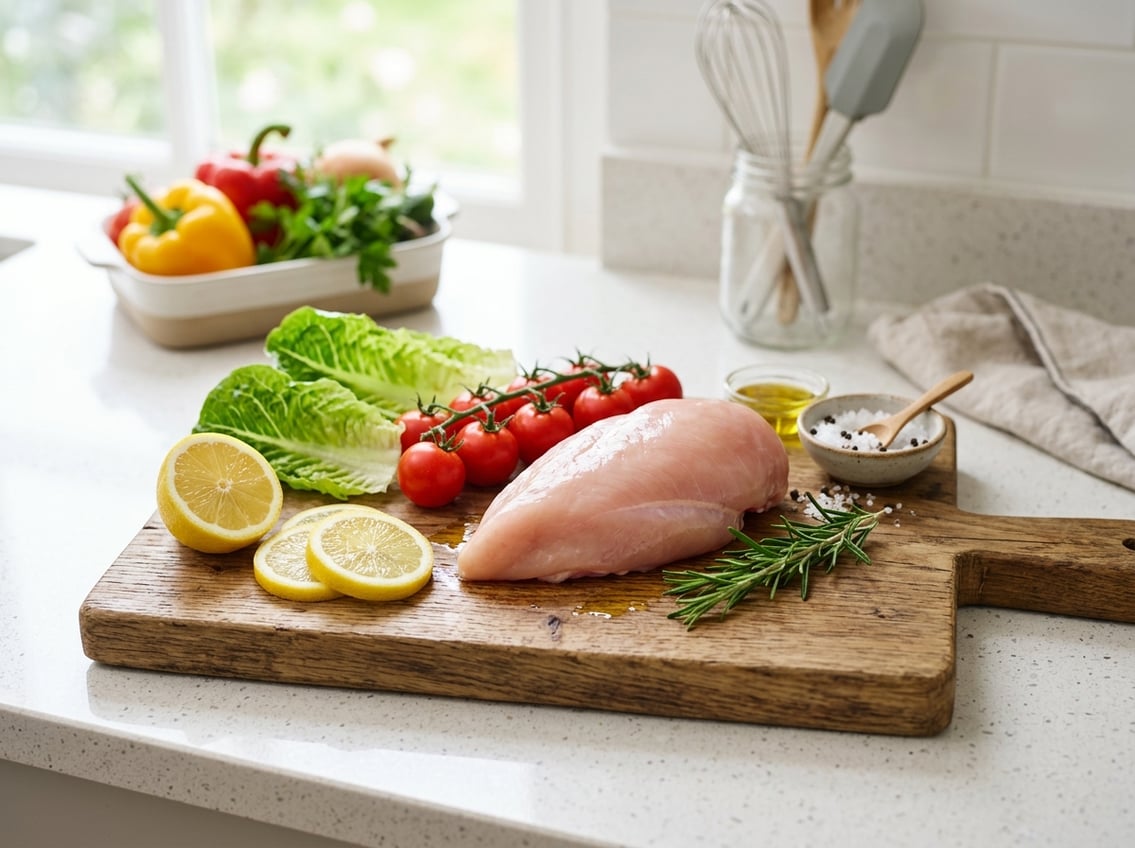
Chicken breast is popular because it is a lean protein, low in fat compared with many other meats, and gives you useful nutrients without many calories.
If you want a high-protein food that fits into a balanced diet, skinless chicken breast is one of the most practical options.
What Makes Chicken Breast a Healthy Choice
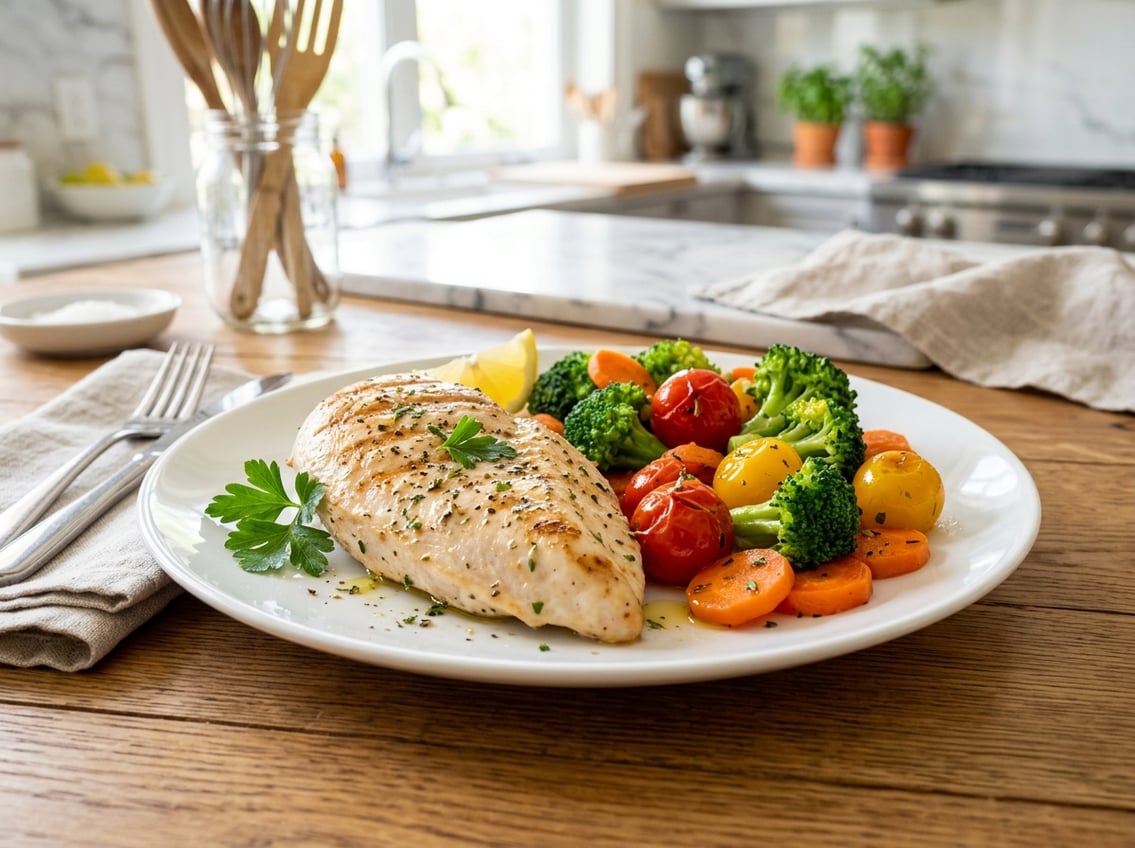
Chicken breast stands out as a lean cut of white meat with a strong protein-to-calorie ratio.
A plain, skinless chicken breast gives you a lot of nutrition in a small serving, which is why it fits easily into many eating patterns.
Protein, Calories, and Fat at a Glance
A 3-ounce serving of cooked skinless chicken breast has about 128 calories, 26 grams of protein, and 3 grams of fat, according to EatingWell’s chicken breast nutrition facts.
That makes it a dense source of protein without much saturated fat.
Boneless skinless chicken breast is easy to portion and cook.
If you want a food that supports fullness without a large calorie load, chicken breast is a strong option.
Key Micronutrients That Add Value
Chicken breast supplies more than protein.
It also provides amino acids your body uses to build and repair tissue, along with nutrients such as tryptophan, choline, zinc, iron, and copper.
These nutrients help support normal body functions, including metabolism and red blood cell production.
Skinless chicken breast gives you these benefits with less fat than the skin-on version.
How It Compares With Other Protein Options
Chicken breast usually has less saturated fat than many red meats.
It also tends to be lower in calories than fattier cuts of beef or pork, especially when you leave off the skin.
Compared with plant proteins, chicken breast offers complete protein in a single serving, which can make meal planning easier if you eat meat.
It is not the only healthy protein choice, but it is one of the simplest lean protein options to use in everyday cooking.
Potential Health Effects to Know
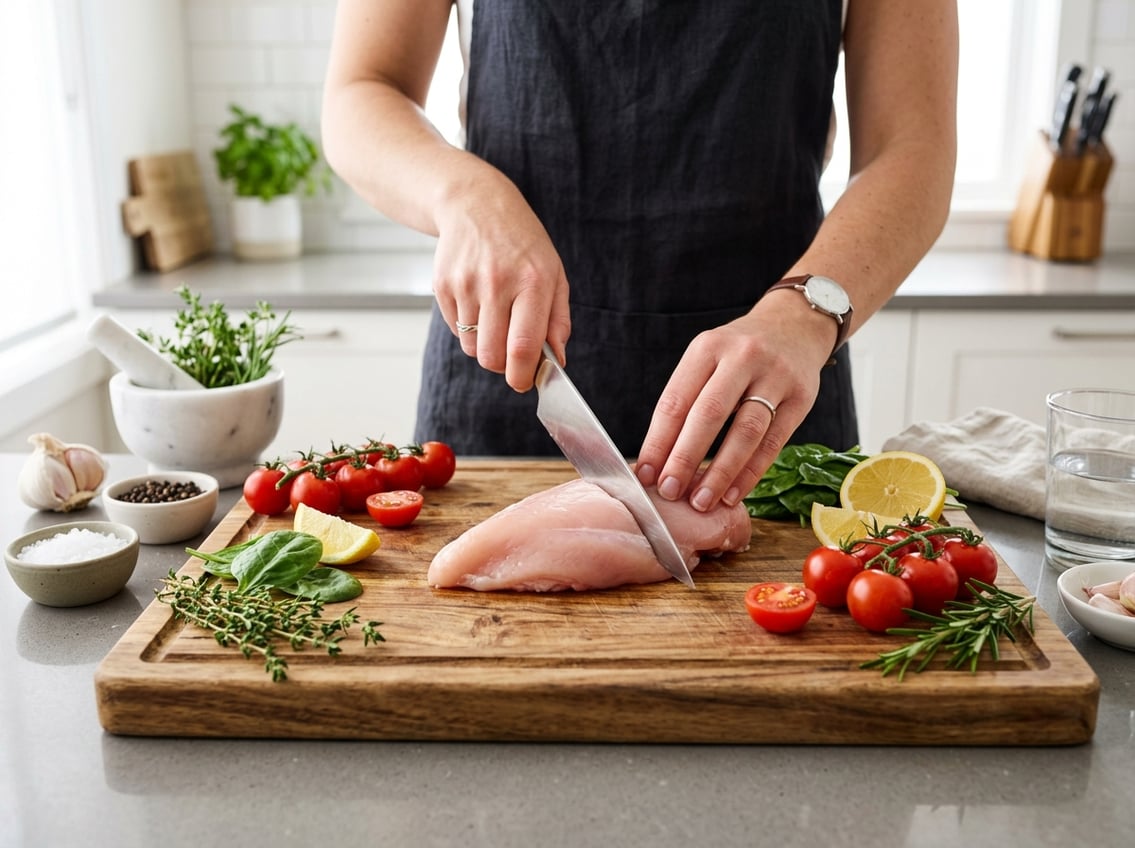
Chicken’s health benefits come from its lean protein content and nutrient mix.
When you use it instead of higher-fat meats, it can support muscle maintenance, appetite control, and a more heart-friendly eating pattern.
Muscle Maintenance, Satiety, and Weight Goals
Protein helps preserve muscle mass, especially when you are active or trying to lose weight.
Chicken breast provides a large amount of protein in a small serving, which can help you meet your daily needs without a lot of extra calories.
Protein also helps you feel full after meals.
That makes chicken breast useful when you want a meal that supports satiety and steady energy between meals.
Heart Health and Lower-Saturated-Fat Eating Patterns
Lean poultry can fit into a heart-healthy diet, according to the American Heart Association guidance cited by EatingWell.
Chicken breast is lower in saturated fat than many red or processed meats, which can make it a better choice for some people.
Some research links fresh lean white meat with better cardiometabolic risk factors when it replaces less healthy protein choices.
That does not make chicken breast a magic food, but it can support better eating patterns when prepared simply.
Limits, Portion Size, and Daily Use
Chicken breast is healthy when you keep portions reasonable and avoid heavy sauces, extra breading, and large amounts of salt.
A palm-sized serving often fits well into a balanced meal.
You get the most value when you combine chicken breast with vegetables, fruit, beans, whole grains, and healthy fats.
How Preparation Changes the Nutrition
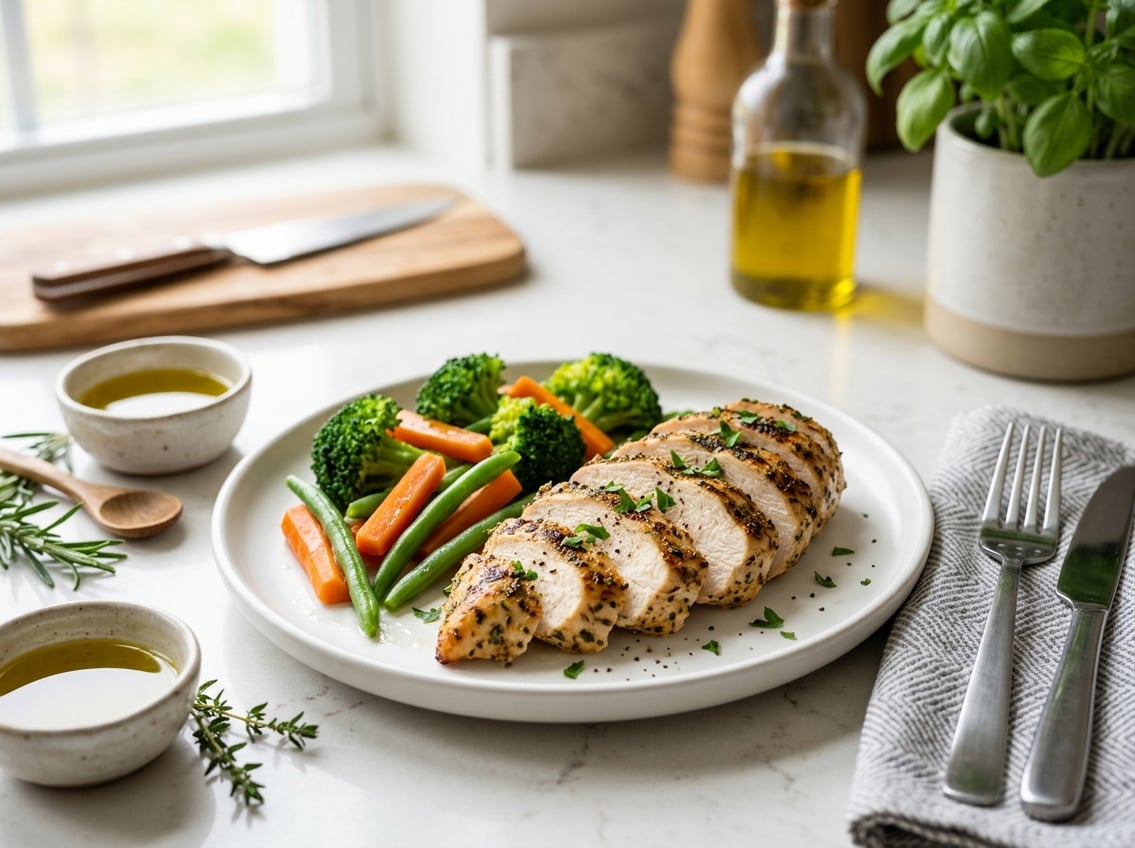
The way you cook chicken changes the nutrition as much as the cut itself.
Grilled chicken, baked chicken, and simple stir-fried chicken keep the profile lighter, while breading, frying, and creamy sauces add calories, fat, and sodium.
Grilled, Baked, and Stir-Fried Options
Grilled chicken is a common choice because it adds flavor without much extra fat.
Baking works well too, especially when you season with herbs, citrus, garlic, or spice blends instead of heavy sauces.
Stir-fried chicken can also stay healthy if you use a small amount of oil and add vegetables.
For easy chicken breast recipes, use dishes that keep the breast as the main protein and let vegetables do much of the work.
When Fried and Breaded Versions Are Less Nutritious
Fried chicken and breaded chicken usually have more calories and fat than plain cooked chicken breast.
The breading adds refined starch, and frying increases the fat load even more.
Chicken parmesan can also become heavy because of breading, cheese, and sauce.
These meals can still fit into your diet, but they are less lean than grilled or baked options.
Popular Meals That Can Be Healthy or Heavy
Chicken fajitas can be a good choice when they use grilled chicken breast, vegetables, and moderate portions of tortillas and cheese.
Chicken soup can also be light and nourishing if the broth is not overly salty and the recipe uses plenty of vegetables.
The same dish can shift from light to heavy based on cooking choices.
A simple swap, like choosing grilled chicken instead of fried chicken, can make a meaningful difference.
Buying, Handling, and Choosing the Right Cut

Your goals, budget, and cooking plans help you choose the right chicken cut.
Safe handling matters too, because raw chicken can carry germs such as campylobacter.
Breast vs. Chicken Thigh
Chicken breast is usually leaner than chicken thigh and has less fat.
That makes it a better fit if you want lower calories and higher protein per bite.
Chicken thigh is richer and often stays juicier during cooking.
It can still be healthy, especially if you prefer the taste or need a little more fat for a recipe.
Skin-On vs. Skinless
Skinless chicken breast is the leanest common choice.
Leaving the skin on adds fat and calories, so skinless is better if you want to keep the meal lighter.
If you buy skin-on breasts, you can remove the skin before or after cooking.
That small step can change the final nutrition of the meal in a helpful way.
Safe Storage, Cooking Temperature, and Foodborne Risk
Store raw chicken in the refrigerator and cook it before the use-by date.
Keep raw chicken separate from ready-to-eat foods. Wash your hands after handling it, and clean cutting boards and knives well.
Cook chicken to an internal temperature of 165°F. Bacteria such as campylobacter can cause illness if you undercook or handle chicken carelessly.


