
Should Chicken Breast Have a Smell? What’s Normal
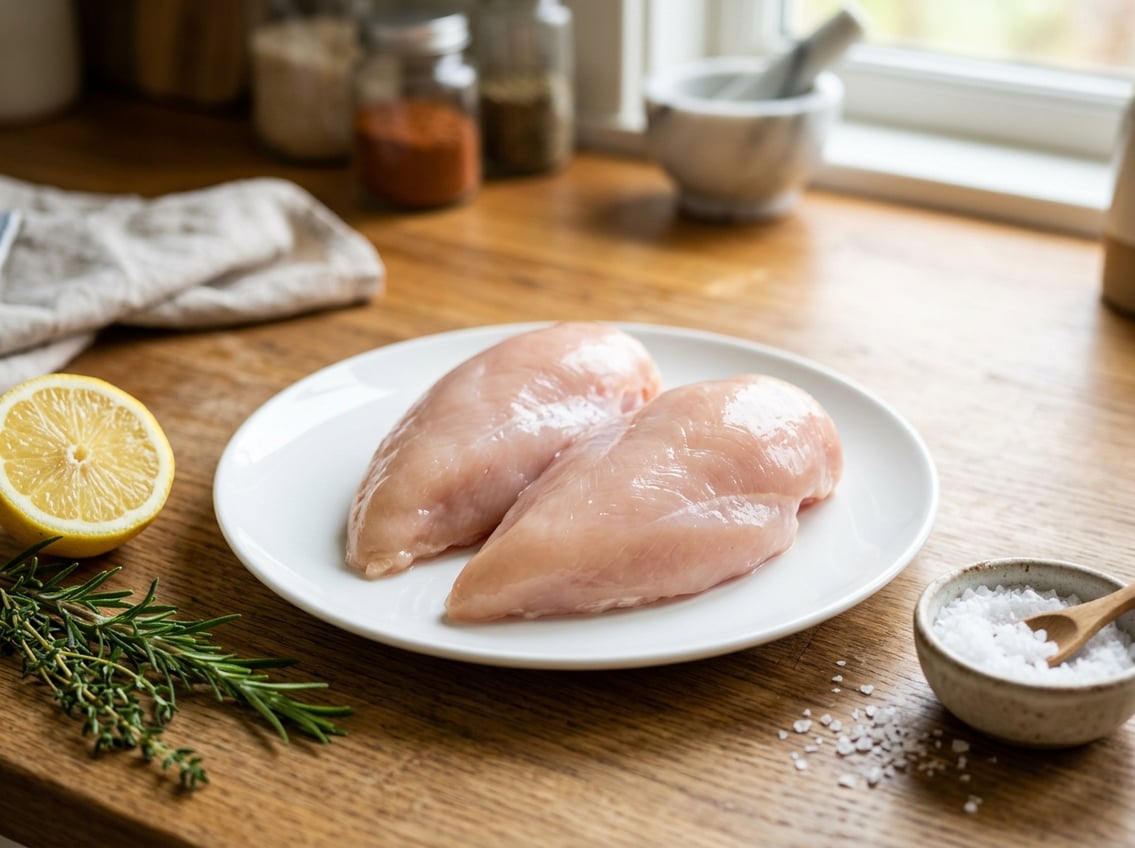
You may ask, should chicken breast have a smell? The short answer is yes, a very mild one is normal.
Fresh raw chicken often gives off little to no odor, or a faint, clean, slightly meaty scent.
What matters is the difference between a mild raw chicken smell and a strong, off odor that signals spoilage.
If the smell turns sour, sulfur-like, ammonia-like, or rotten, you should not treat it as normal.
Your nose helps, but you should not rely on it alone.
You also need to check texture, color, packaging, and storage time before deciding whether your chicken is safe to cook.
What Smell Is Normal When You Open Chicken Breast
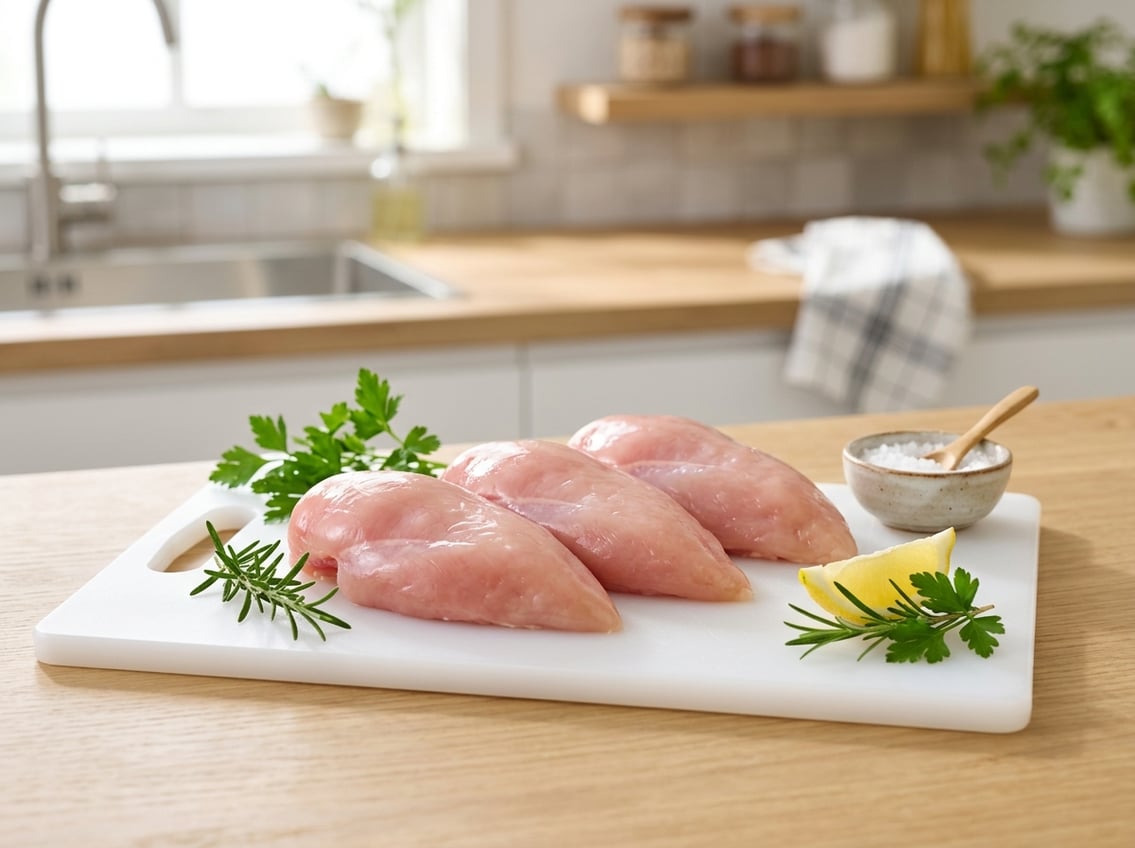
Fresh chicken breast usually smells mild, faint, or nearly neutral.
Some people notice a light raw chicken smell that fades after a few minutes out of the package.
That scent comes from natural compounds in the meat and from packaging conditions.
A light confinement smell can appear when chicken has been sealed tightly with little air around it.
What Fresh Raw Chicken Should Smell Like
Fresh raw chicken smells clean and mild, not sharp or unpleasant.
A slight meaty or faint gamey odor can be normal, especially if the package was sealed well.
If you need to lean in to notice the smell, that is usually a better sign than a strong odor that hits you right away.
The chicken smell should not make you recoil or sting your nose.
When a Slight Odor Can Be Normal
A slight odor can still be normal when chicken breast has been refrigerated correctly and is still within its safe use window.
Some packages release a stronger smell for a short time after opening, then the odor fades.
That short-lived odor is more common when the chicken has been sitting in its own juices or when the pack has limited airflow.
If the smell is only faint and the chicken looks and feels normal, it may still be fine to cook.
Why Vacuum-Sealed Packs Can Cause a Temporary Odor
Vacuum-sealed chicken can smell stronger at first because the lack of air traps natural odors.
Once you open the pack and let it sit briefly, the smell often becomes milder.
This does not automatically mean the chicken is spoiled.
A vacuum sealer can also help extend shelf life by removing air, which is why vacuum-packed chicken sometimes looks and smells different from tray-packed chicken.
Odors That Signal Spoilage or Safety Concerns
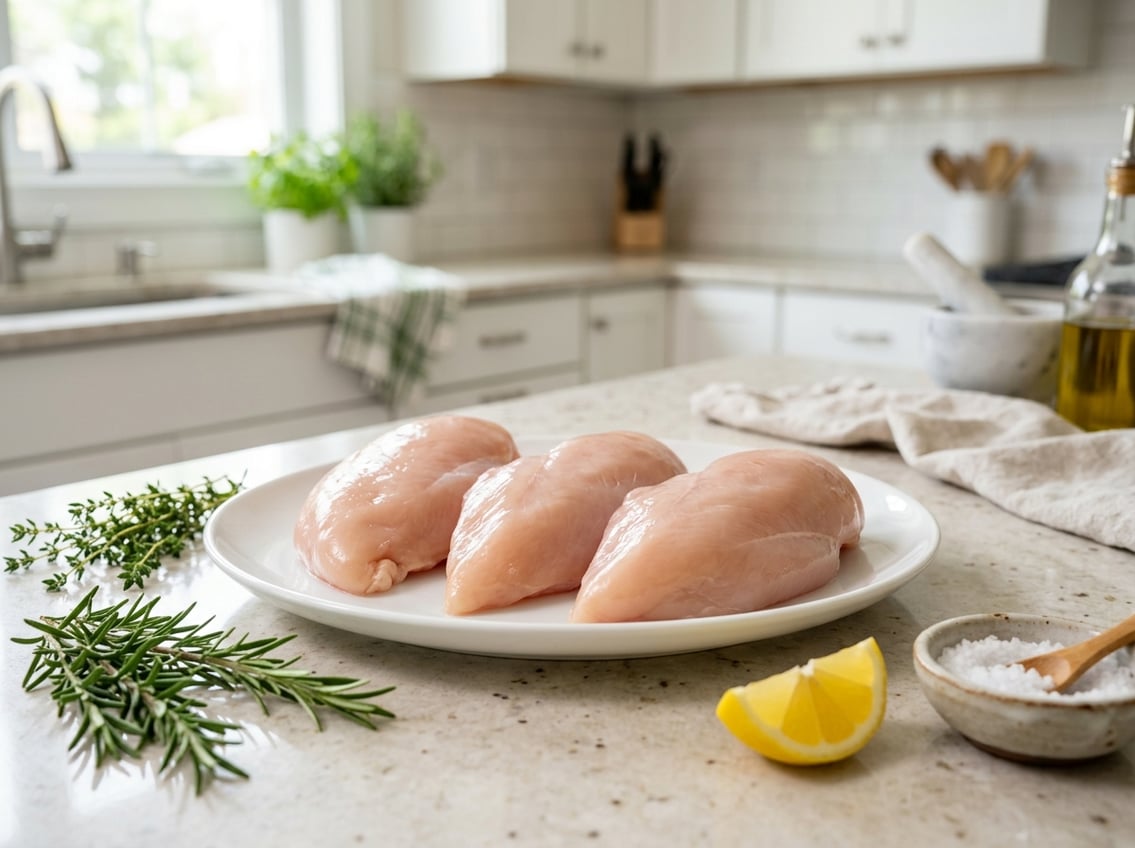
Bad chicken usually gives off a smell that you can easily tell apart from a normal raw chicken smell.
Sour, sulfur-like, rotten, or ammonia-like odors are warning signs that you should not ignore.
These smells mean bacteria have grown enough to change the meat.
If the chicken smells wrong, you should stop and check it carefully.
What Sour, Sulfur, or Ammonia-Like Smells Mean
A sour smell often signals spoilage and bacterial growth.
An ammonia-like smell is another strong warning sign, especially if it gets stronger as the chicken sits out for a minute.
A sulfur smell can also mean the meat is no longer fresh.
The more intense and unpleasant the chicken smell becomes, the more likely the chicken is spoiled.
Why Chicken Smells Like Eggs or Rotten Eggs
If chicken smells like eggs or rotten eggs, treat that as a bad sign.
That odor is not a normal raw chicken smell and can point to breakdown in the meat or contamination from bacteria.
Do not try to mask that smell with seasoning or cooking.
If the odor is clearly off, discard the chicken instead of testing it in the pan.
How Bacteria Such as Campylobacter Affect Odor
Bacteria such as Campylobacter do not always create a strong smell, so smell cannot catch every unsafe package.
Still, bacterial growth often changes odor as the chicken spoils.
A normal smell does not guarantee safety, and a bad smell is a strong enough warning on its own.
The USDA keeps safe handling guidance for raw poultry on its Chicken from Farm to Table page, including safe refrigeration and cooking practices.
How to Check Chicken Beyond Smell
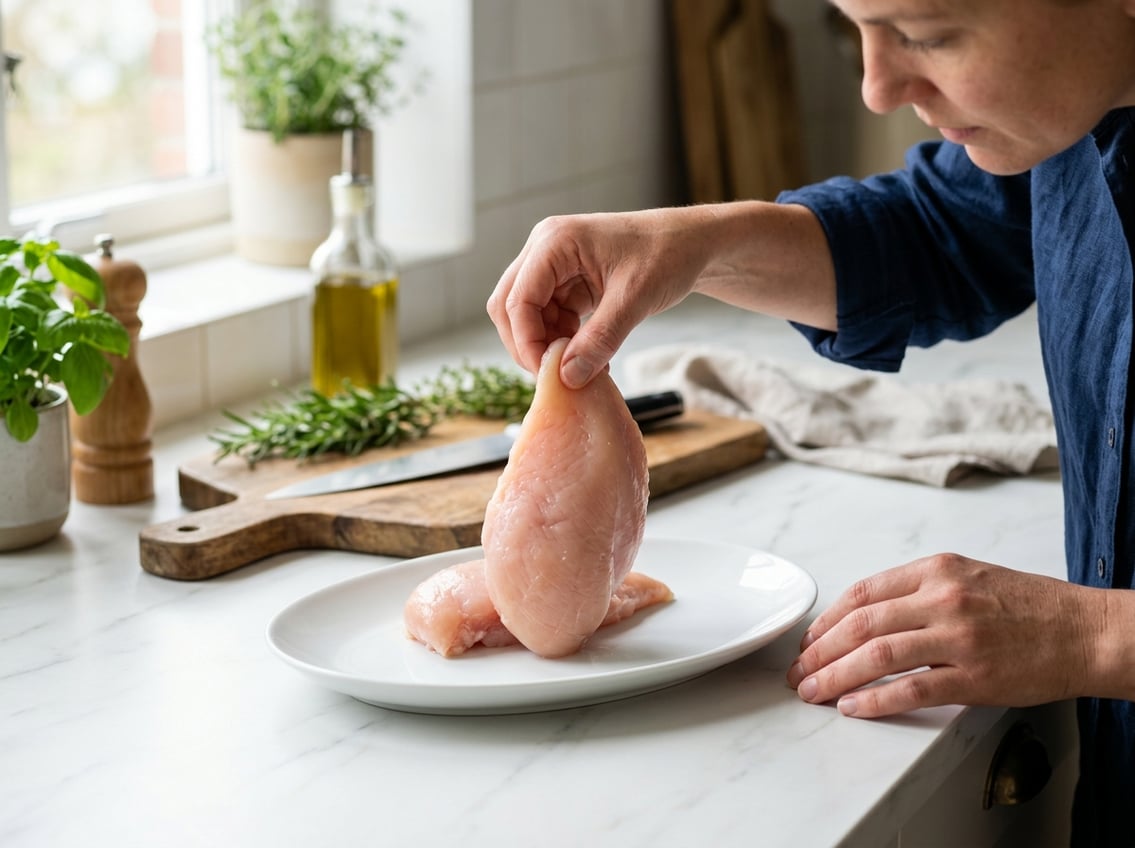
Smell is only one clue.
You should also check the texture, color, and how long the chicken breast has been stored.
A spoiled package can look or feel wrong even before the odor becomes obvious.
A quick visual and touch check matters every time.
Texture Changes Like Slime or Stickiness
Fresh chicken breast should feel moist, firm, and not sticky.
If the surface feels slimy or tacky, that is a red flag.
Slime is a clear sign of spoilage.
If the chicken breast is slimy, do not rinse it and do not assume cooking will fix it.
Color Changes That Matter
Fresh raw chicken is usually pink, pale pink, or slightly translucent in spots from moisture.
Gray, greenish, or dull discoloration can point to spoilage.
Color changes alone do not prove the chicken is unsafe, since lighting and packaging can affect appearance.
A bad smell plus odd color is much more concerning than either sign by itself.
When to Throw It Out Instead of Cooking It
If the chicken breast smells sour, looks slimy, or feels sticky, throw it out.
You should also discard it if you cannot tell how long it has been in the fridge.
When in doubt, do not cook questionable chicken breast.
That choice is not worth the risk of foodborne illness.
Storage and Handling to Reduce Bad Odors
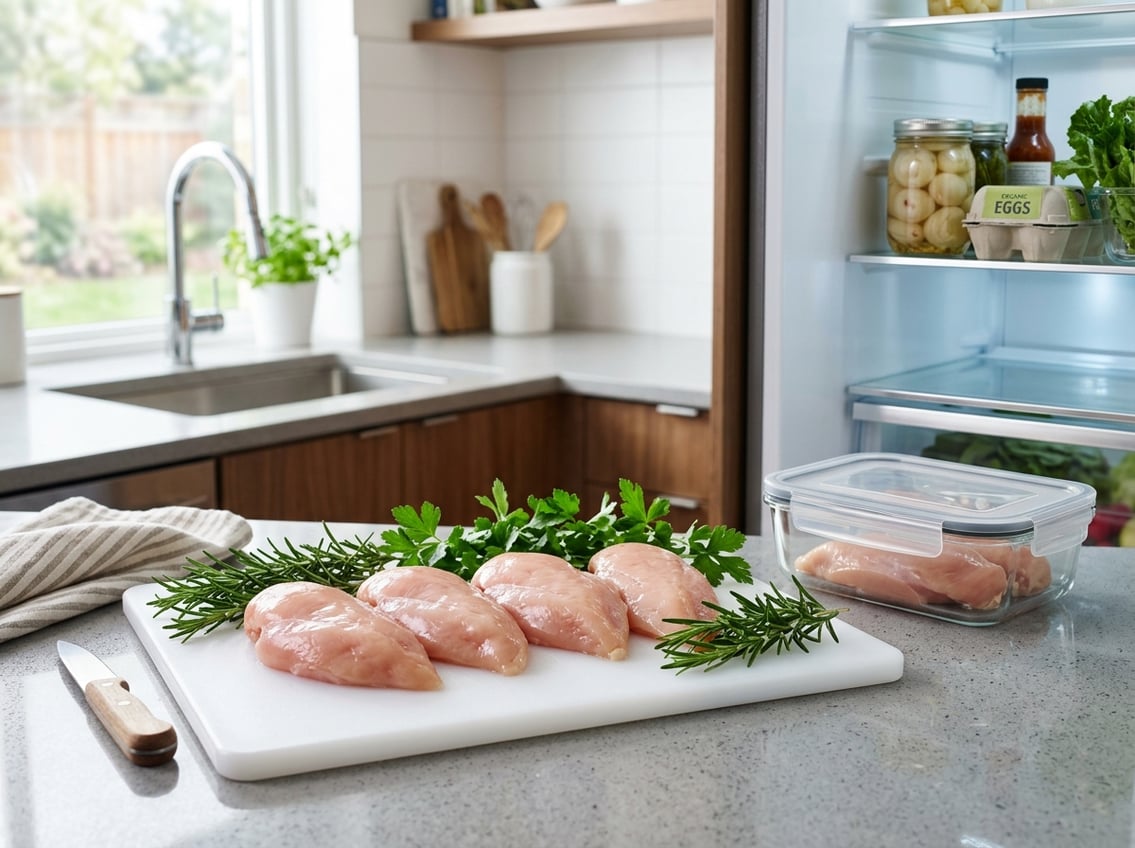
Good storage keeps raw chicken smell milder and slows spoilage.
Cold temperatures, quick refrigeration, and careful thawing all help preserve quality.
Clean handling also matters, because juices from raw poultry can spread odors and bacteria in your kitchen.
Short storage times are safer than trying to stretch chicken breast for too long.
How Long Chicken Breast Lasts in the Fridge
Raw chicken breast should stay in the refrigerator at 40°F or below and be used within 1 to 2 days for best safety and quality.
If you are not cooking it soon, freezing is a better choice.
A chicken breast that has been in the fridge too long may smell stronger even if it still looks acceptable.
Trust the date, the smell, and the texture together.
When to Refrigerate, Freeze, and Thaw Safely
Put chicken in the fridge as soon as possible after shopping.
Do not leave it out at room temperature for more than 2 hours, or 1 hour if the room is hot.
If you will not use it soon, freeze chicken right away.
Thaw it in the refrigerator, in cold water, or in the microwave if you plan to cook it immediately after.
How to Freeze Chicken Without Ruining Quality
Wrap chicken breast tightly or use airtight packaging to reduce freezer damage.
Remove extra air to protect texture and limit freezer burn.
Label the package with the date so you can track how long it has been frozen.
You can use a vacuum sealer to remove air and extend shelf life. This step also helps reduce odor changes during storage.


