
Why Is Chicken Breast Chewy? Causes and Fixes
If you keep asking why is chicken breast chewy, the answer is usually simple. The meat lost too much moisture, cooked unevenly, or started with a naturally tough texture.
Chicken breast is lean, so it has less room for error than darker cuts.
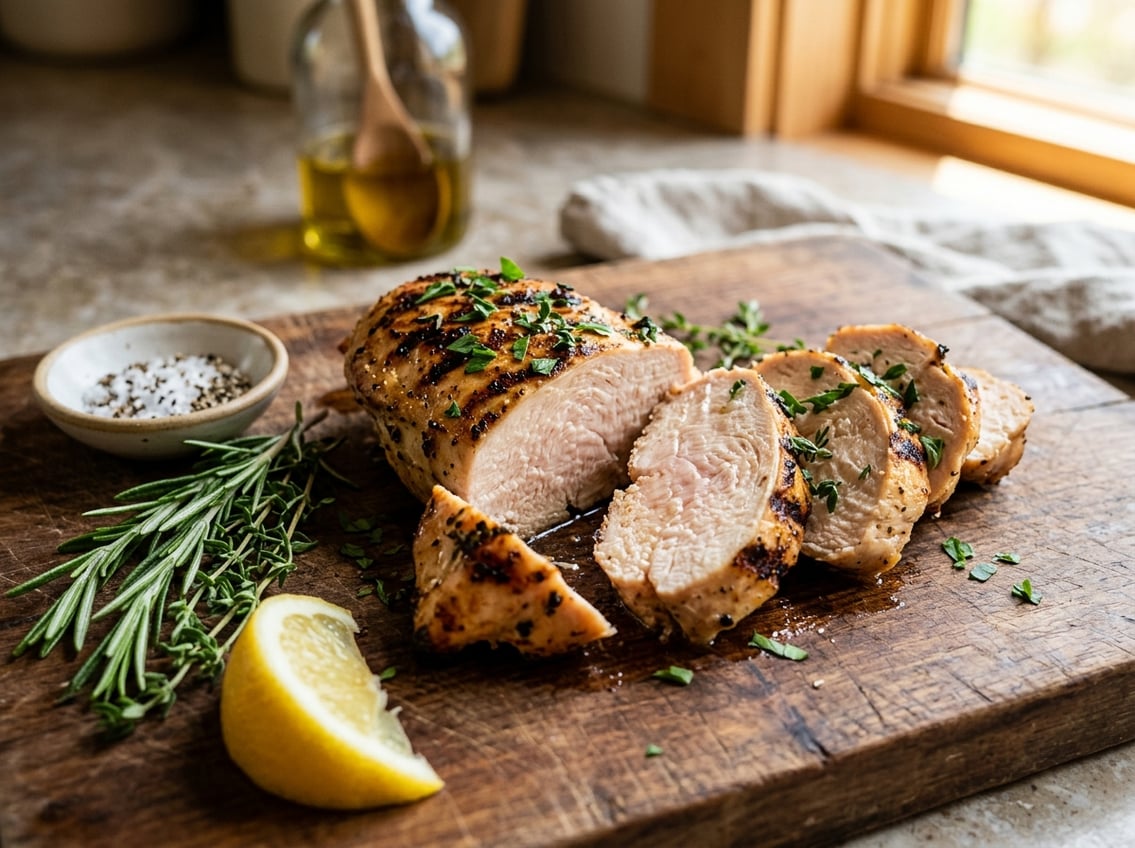
Chewy chicken breast is usually fixable, and you can prevent it with a few cooking habits that protect moisture and temperature.
If your chicken turns out rubbery, dry, or stringy, overcooking, undercooking, uneven thickness, or storage mistakes often cause the problem.
Your chicken breast texture is not random. Once you know what the meat looks and feels like at each stage, you can tell whether you need a gentler cook, a different cut, or a better way to reheat leftovers.
How To Diagnose the Texture Problem
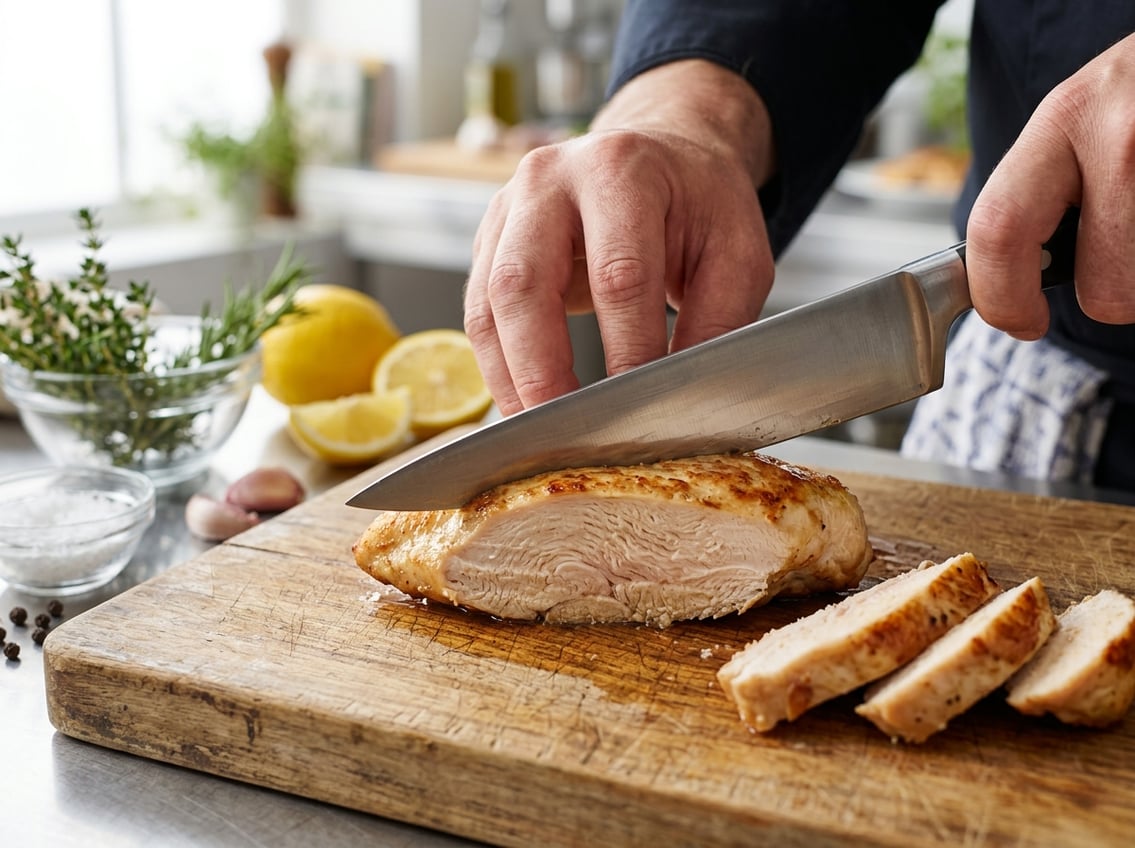
A bad chicken breast texture usually falls into one of three buckets: overcooked chicken, undercooked chicken, or woody breast.
Each one feels different when you cut or bite into it.
If you are asking why your chicken is rubbery, pay attention to color, juices, and how much resistance the meat gives when you chew.
Signs of Overcooked Meat
Overcooked chicken breast feels dry, stringy, and firm. The slices may look pale throughout, and the juices on the cutting board are often minimal.
The meat can shred instead of slice cleanly. If the chicken felt fine in the pan and turned tough after resting, you probably cooked it too long or held it too hot.
Signs of Undercooked Centers
Undercooked chicken feels springy or soft in the center. The middle may look glossy, slightly translucent, or very pale compared with the outside.
This can seem chewy, even though the real problem is that the inside has not finished cooking. Never serve undercooked chicken, even if the texture seems close to done.
When Woody Breast Is the Real Issue
Woody breast is a quality issue in some chicken breast meat, and it can feel dense, hard, or rubbery from the start.
According to a Yahoo report on stringy chicken breast, some grocery store chicken can have an unusual stringy texture linked to this defect.
If the meat is tough before it even hits the heat, or the center stays oddly dense no matter how carefully you cook it, woody breast may be the reason.
In that case, choose a different package or switch cuts for better results.
What Causes Tough and Rubbery Results
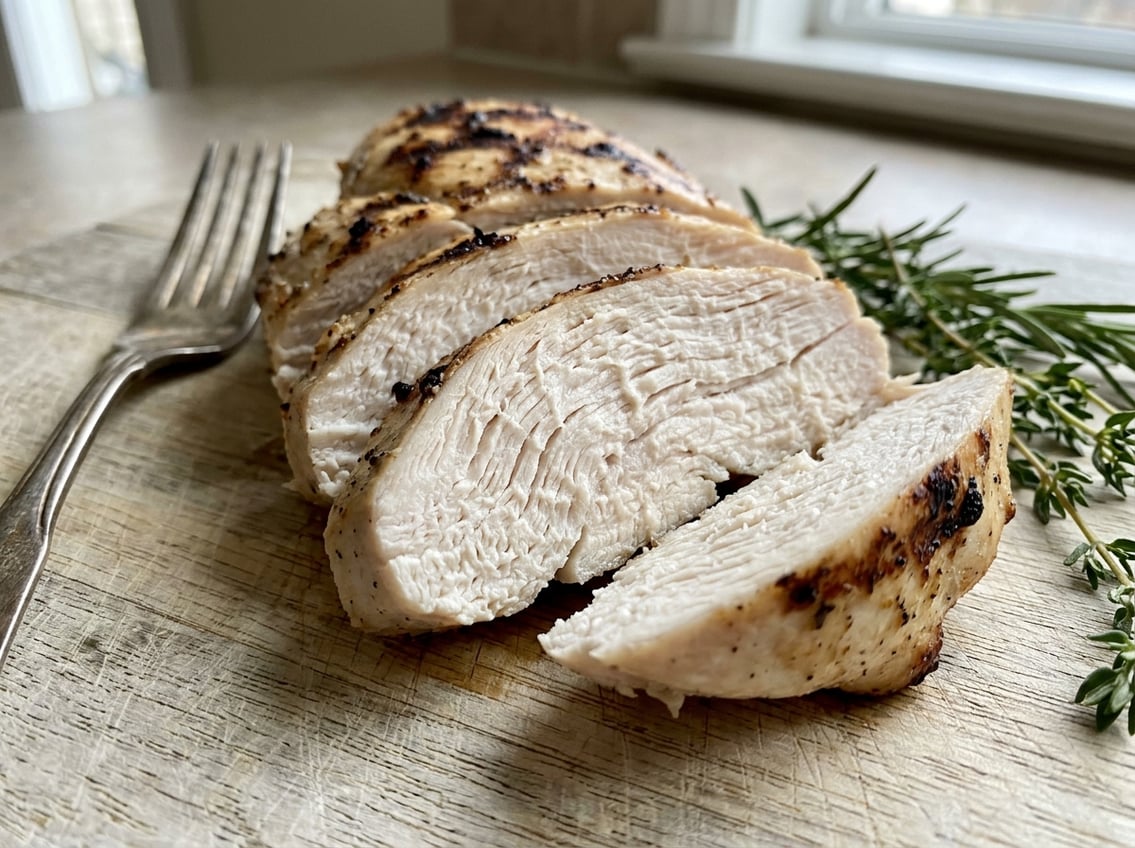
Chewy chicken usually comes from moisture loss, uneven heat, or mistakes after cooking.
Because chicken breast is so lean, even small errors can show up fast in the final bite.
If you keep wondering why your chicken is chewy, check these common causes first.
Moisture Loss From Excess Heat
Heat squeezes water out of the muscle fibers, making overcooked chicken dry. As the proteins tighten, the meat gets firmer and less juicy.
A recent guide from Kitch Prep on why chicken breast turns chewy notes that overcooking is one of the biggest causes of chewy chicken breast.
Even a few extra minutes can change the texture a lot.
Uneven Thickness and Uneven Cooking
A thick breast cooks more slowly than a thin end. By the time the center is done, the narrow parts may already be dry and tough.
This problem often shows up when the meat looks fine on the outside, yet some bites feel rubbery while others feel dry.
Pound the breast to an even thickness or butterfly it so the whole piece cooks at the same rate.
Resting, Storage, and Reheating Mistakes
Skipping rest time sends juices onto the plate instead of back into the meat. Resting for a few minutes lets the fibers relax and hold more moisture.
Bad storage can also make chicken breast chewy later. If leftovers sit too long before chilling, or if you reheat them too hard in the microwave, the meat often turns rubbery and dry.
Gentle reheating with a little moisture works much better.
How To Fix It After Cooking
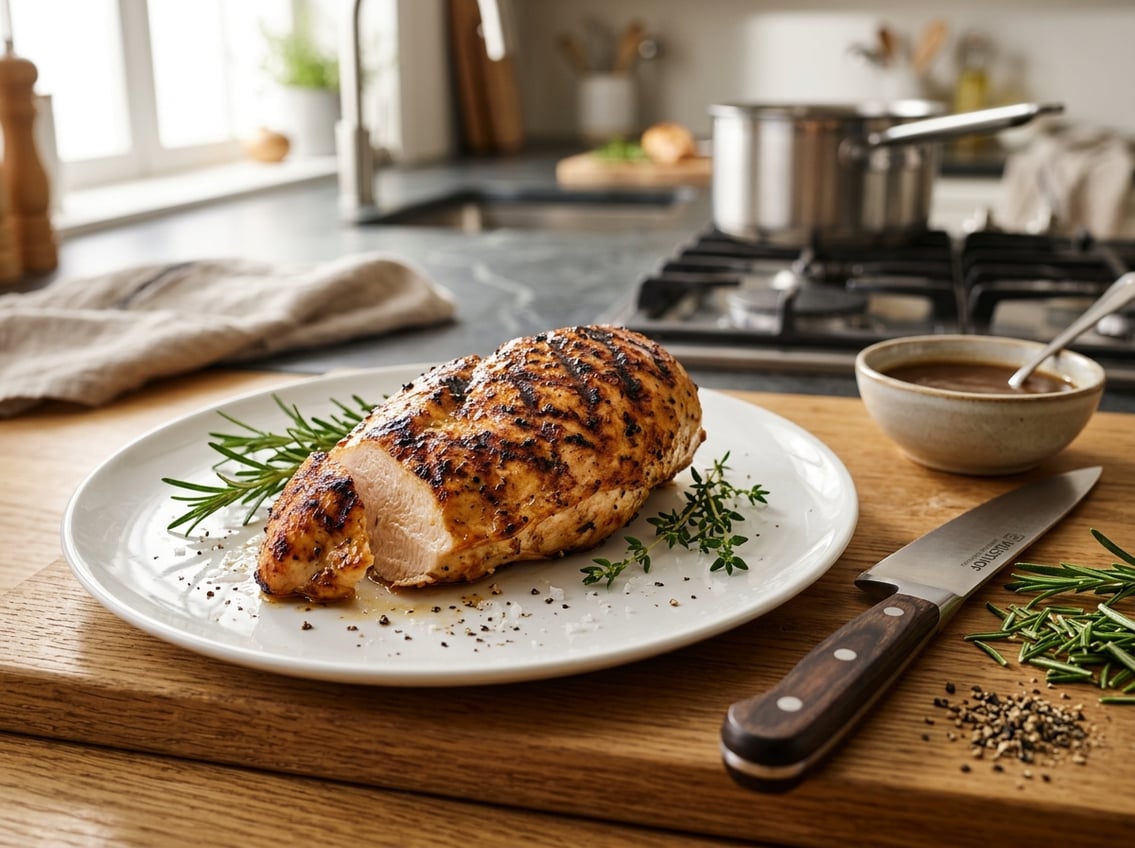
You cannot fully reverse dry chicken, yet you can make it safer and more pleasant to eat.
The right fix depends on whether the meat is undercooked, overcooked, or just too dry.
If you need to fix chewy chicken, focus on safety first. Then add moisture and repurpose the meat in dishes where texture matters less.
How To Fix Chewy Chicken Safely
If the center is still undercooked, return the chicken to heat right away and cook it to a safe internal temperature. Use gentle heat so the outside does not dry out more.
If the chicken is already cooked through and just tough, do not keep cooking it in the hope that it will soften. That usually makes it even drier.
Ways To Add Moisture Back In
Slice the chicken thinly and serve it with sauce, broth, or a creamy dressing. A little added liquid helps each bite feel less dry.
You can also chop the meat and mix it with mayonnaise, yogurt, salsa, or vinaigrette. A light coating will not make rubbery chicken tender again, yet it can improve the eating experience.
Best Ways To Repurpose Tough Pieces
Tough chicken works well in chicken salad, soups, casseroles, quesadillas, and wraps. These dishes rely less on perfect texture and more on flavor and moisture.
Shred the meat because smaller pieces feel less chewy than large slices. If the chicken is very dry, mix it with a sauce before serving so it has time to absorb some moisture.
How To Keep Chicken Breast Tender Next Time
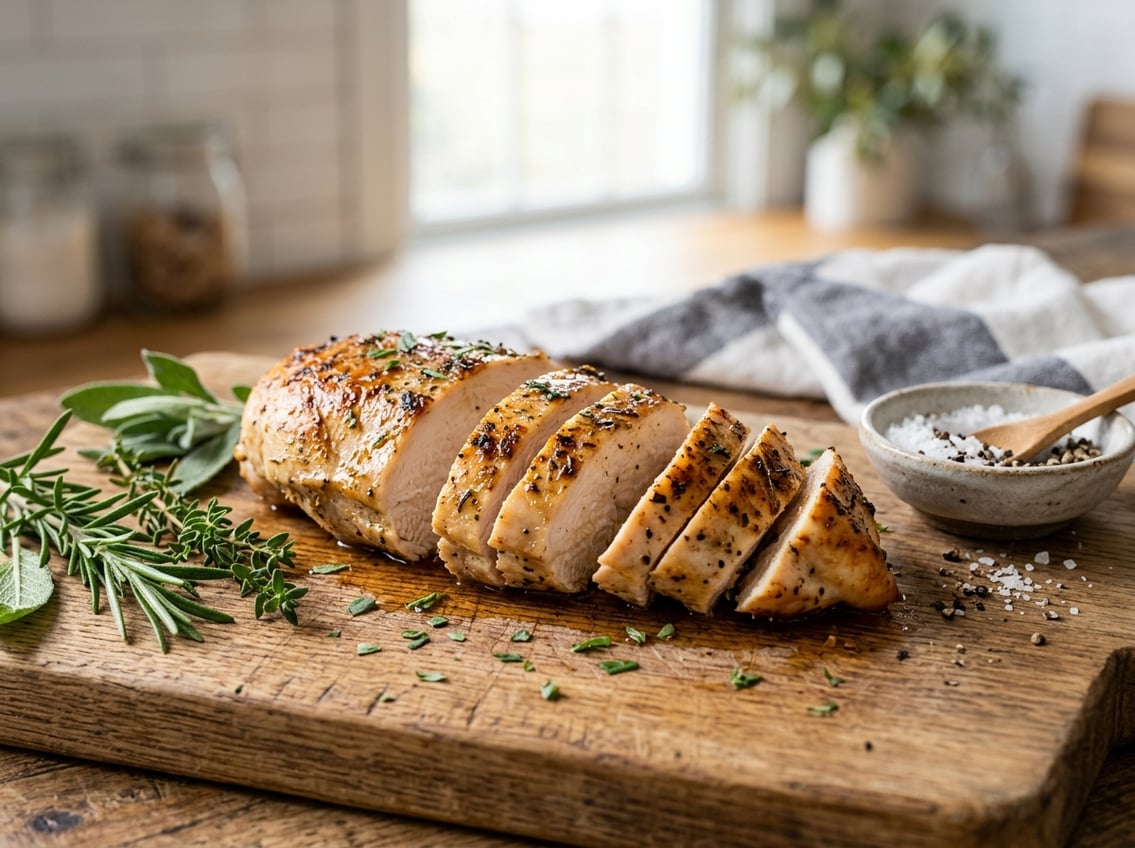
Tender chicken breast starts with control over temperature, shape, and cooking method.
A few simple habits make juicy chicken breast much easier to repeat.
If you want to prevent chewy chicken, your best tools are an accurate thermometer, even thickness, and cooking methods that do not blast the meat with too much heat.
Use a Meat Thermometer Correctly
Use a meat thermometer and check the thickest part of the breast. The USDA’s safe minimum internal temperature for chicken is 165°F, and the Kitch Prep guide also recommends pulling the meat near 160 to 165°F and letting it rest.
Insert the probe from the side when you can, since that gives a better read across the center. Using a meat thermometer removes guesswork and helps you avoid dry chicken.
Prep for Even and Juicy Cooking
Pound thicker ends so the breast has a more even shape. That helps the whole piece finish at the same time.
A simple salt brine can also help keep moisture in the meat. Even a short brine gives you a better chance at tender chicken breast because the meat starts with more water to lose.
Choose Methods That Protect Moisture
Moderate heat creates better chicken breast texture than aggressive heat.
Bake, roast, or pan-sear and finish gently so the outside stays tender while the center cooks through.
If you grill, use a hot side for color and a cooler side for finishing.
If you air fry, keep the temperature moderate and check early.


