
Is Chicken Breast Bad for You? Risks and Benefits
Whether chicken breast is bad for you depends less on the food itself and more on how you choose, cook, and eat it.
Skinless chicken breast can fit well in a balanced diet because it is lean, high in protein, and easy to pair with vegetables, grains, and beans.
Chicken breast can be a reasonable choice for many people, but your health risk or benefit depends on portion size, cooking method, food safety, and how often you eat it.
A plain, well-cooked chicken breast is very different from fried, breaded, or heavily processed chicken.
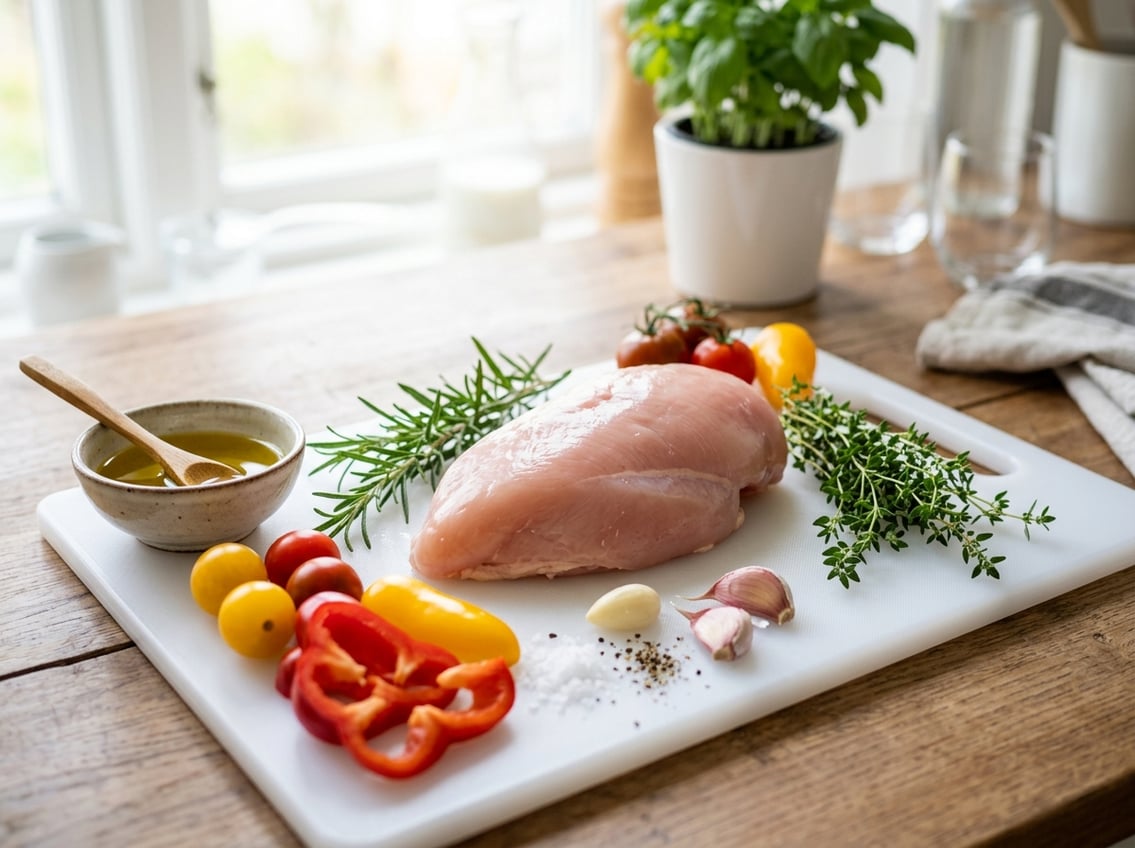
You may want to look beyond the basic nutrition label.
The real question is not just whether chicken breast is healthy, but whether it fits your needs better than other proteins and whether your cooking habits support good chicken breast health.
The Short Answer: When It Is a Reasonable Choice
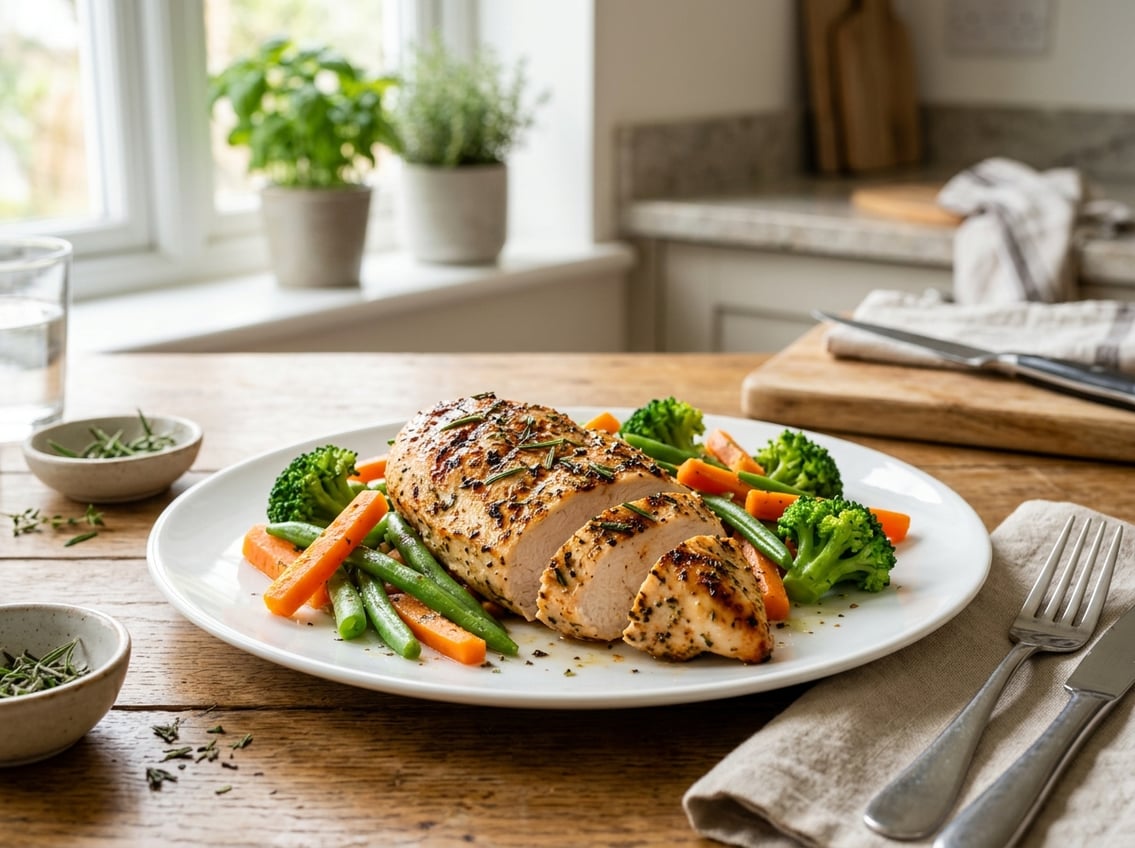
Skinless chicken breast is one of the leanest animal proteins you can eat.
It is usually lower in saturated fat than fattier cuts, and it gives you a strong amount of protein with relatively few calories.
If you want a simple, filling protein for lunch or dinner, chicken breast can work well.
It is especially useful when you want to manage calories, support muscle maintenance, or build a meal around vegetables and whole grains.
How Skinless Chicken Breast Compares With Higher-Fat Cuts
Skinless chicken breast usually has less fat than thighs, wings, and skin-on chicken.
That means you get fewer calories from fat and less saturated fat per serving.
Higher-fat cuts can still fit into a healthy diet, but they are easier to overeat if you are watching calories.
Skinless chicken breast gives you more protein for fewer calories, which is why many people use it as a lean staple.
Protein, Calories, and Key Nutrients at a Glance
Chicken breast is valued for its protein content.
Protein helps your body maintain muscle, repair tissue, and stay full after meals.
It also provides nutrients such as niacin, vitamin B6, phosphorus, and selenium.
These nutrients support energy use, cell function, and metabolism.
If you want a high-protein food that is easy to prepare, chicken breast is often a practical option.
Why Context Matters More Than a Simple Yes or No
Whether chicken breast is healthy depends on what you eat with it and how often it appears in your meals.
A plain breast with roasted vegetables is not the same as a fried sandwich with salty sauces.
Portion size matters too.
Eating a moderate serving as part of a varied diet is very different from making chicken breast your only protein every day.
Potential Downsides You Should Not Ignore

Chicken breast can be a good food, but it comes with real risks when you handle it poorly or cook it in less healthy ways.
Food safety, cooking temperature, and sourcing all affect how it fits into your diet.
Some concerns are about the meat itself, while others come from how you cook or produce it.
These issues matter if you eat chicken often.
Food Safety Risks Such as Salmonella, Campylobacter, and E. coli
Raw chicken can carry harmful bacteria such as Salmonella, Campylobacter, and certain strains of E. coli.
The CDC estimates that about 1 million people get sick each year from poultry products contaminated with harmful germs, and the Physicians Committee review of poultry pathogens cites rising Campylobacter and Salmonella infections in the U.S.
You lower risk by washing hands, using separate cutting boards, avoiding cross-contamination, and cooking chicken to a safe internal temperature.
Safe handling matters as much as the cut you choose.
How High-Heat Cooking Can Create Harmful Compounds
Very high heat can create compounds called heterocyclic amines, or HCAs, and other chemicals linked to cancer risk.
According to the Physicians Committee, direct high heat and heavy browning can increase these compounds in chicken.
Grilling, broiling, and charring are the main concerns, especially when the outside gets very dark.
Lower-heat methods and shorter cook times help reduce this issue.
What Research Says About Cholesterol and Heart Health Debates
Chicken breast is often seen as a heart-friendly meat, but some research raises questions about its effect on blood lipids.
The Physicians Committee cites studies showing that white meat, including chicken, can raise LDL cholesterol compared with plant proteins.
That does not mean chicken breast is harmful for everyone.
If your diet is already high in animal protein and low in fiber, swapping some chicken for beans, lentils, or soy foods may help your heart health.
Antibiotic Resistance and Antibiotic Use in Poultry
The use of antibiotics in poultry is another concern.
Overuse in animal agriculture can contribute to antibiotic-resistant bacteria, which makes some infections harder to treat.
If you want to reduce this risk, check how the chicken was raised.
Labels such as organic chicken may matter to you, but they do not remove food safety needs, and they do not make raw chicken safe to handle casually.
How Preparation and Sourcing Affect Healthiness

The same chicken breast can be a smart choice or a poor one depending on how you cook it.
Oil, breading, salt, sauces, and processing can change the nutrition fast.
Sourcing can matter too, especially if you care about how the bird was raised.
Cooking method still has the biggest effect on chicken breast health in daily life.
Baked, Poached, and Grilled vs. Fried and Heavily Processed Options
Baked, poached, steamed, and lightly grilled chicken breast are usually the best choices.
These methods keep added fat low and make it easier to control sodium and calories.
Fried chicken, breaded cutlets, nuggets, and heavily processed chicken products are less healthy.
They often contain more refined flour, added oil, sodium, and preservatives, which can turn a lean protein into a less balanced meal.
Does Organic Chicken or Organic Chicken Breast Change Much?
Organic chicken may matter to you for reasons like farming practices or antibiotic concerns.
It can be part of a more deliberate food choice, and some people prefer it for that reason.
Nutritionally, organic chicken breast is still chicken breast.
It is not a free pass to ignore cooking method, portion size, or safe handling.
A plain organic breast is still healthier than a fried non-organic one in many cases.
Portion Size, Frequency, and Eating Chicken Every Day
Eating chicken every day is not automatically harmful, but it can crowd out other protein sources.
If chicken shows up at most meals, your diet may become less varied in fiber, healthy fats, and plant nutrients.
A moderate serving is usually more useful than a very large one.
If you rely on chicken breast often, rotate in beans, fish, tofu, eggs, turkey, and nuts to keep your meals more balanced.
Who May Want To Limit It or Choose Alternatives

Chicken breast is not the best fit for everyone.
Some people need to watch protein load, sodium, or food tolerance more closely.
If you have health conditions or if chicken dominates your diet, other proteins may serve you better.
Variety often supports chicken breast health more than repetition does.
People With Kidney Issues, Specific Dietary Needs, or Food Sensitivities
If you have kidney disease, you may need to keep your protein target lower or more carefully planned.
In that case, a large amount of chicken breast may not be the right default choice.
People with food sensitivities, texture issues, or strict dietary rules may also need alternatives.
If you do not digest chicken well or you simply do not feel your best after eating it often, your body may be telling you to adjust.
When Rotating Protein Sources May Be the Better Strategy
If you eat chicken every day, rotating protein sources can improve your diet quality.
That gives you a wider mix of amino acids, fiber, healthy fats, and micronutrients across the week.
Rotation also helps reduce boredom, which can make healthy eating easier to maintain.
A varied diet is often more sustainable than depending on one main protein.
Practical Alternatives Including Fish, Beans, Tofu, and Turkey
If you want alternatives, you can add fish for omega-3 fats. Beans and lentils bring fiber.
Tofu offers plant-based protein. Turkey gives you another lean animal option.
You can swap chicken for one or two of these foods during the week. This keeps your meals balanced and still gives you enough protein.


