
Will Chicken Breast Raise Blood Sugar? What to Know
Will chicken breast raise blood sugar? In most cases, plain chicken breast does not raise blood sugar in a meaningful way because it has no carbohydrates and little to no sugar.
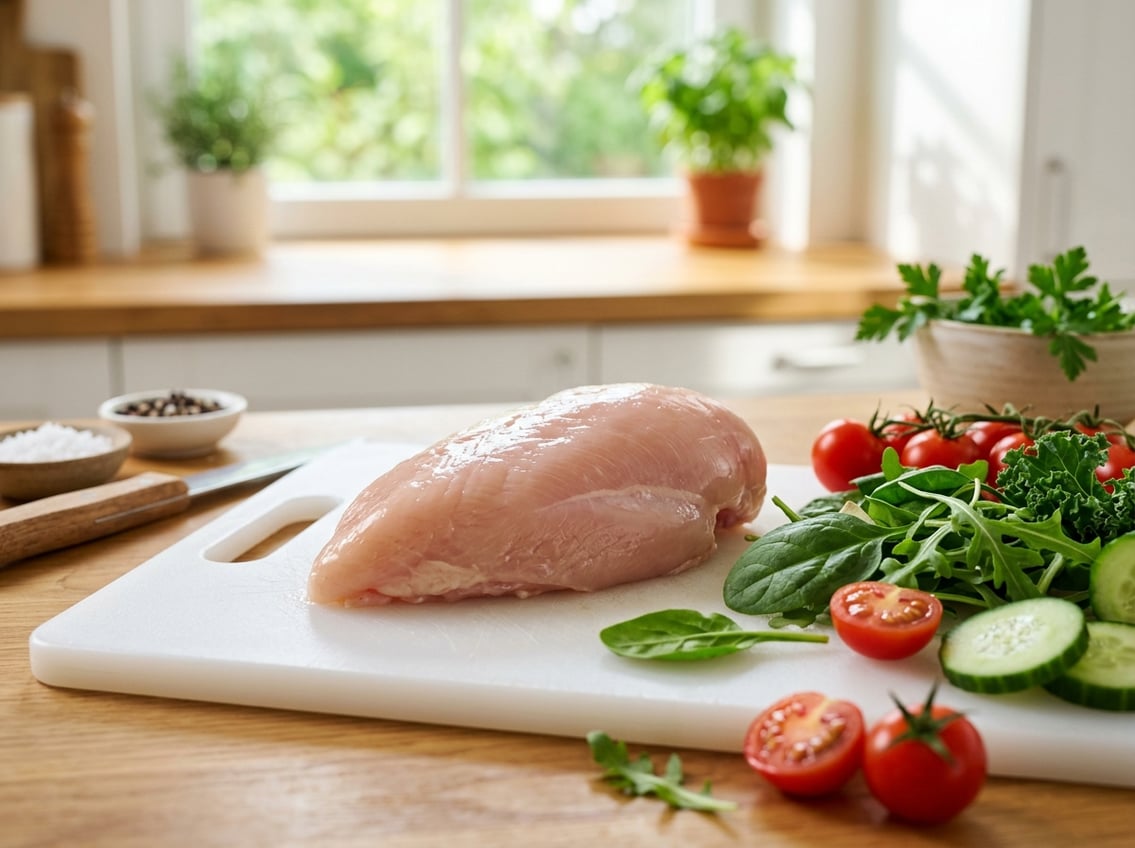
If you eat plain chicken breast, your glucose usually stays steady. The way you cook and serve it can change the result.
That matters if you have diabetes or want to keep your meals more stable. Chicken is often a solid protein choice, especially when you choose lean cuts and skip sugary coatings.
The Direct Blood Sugar Impact of Chicken Breast
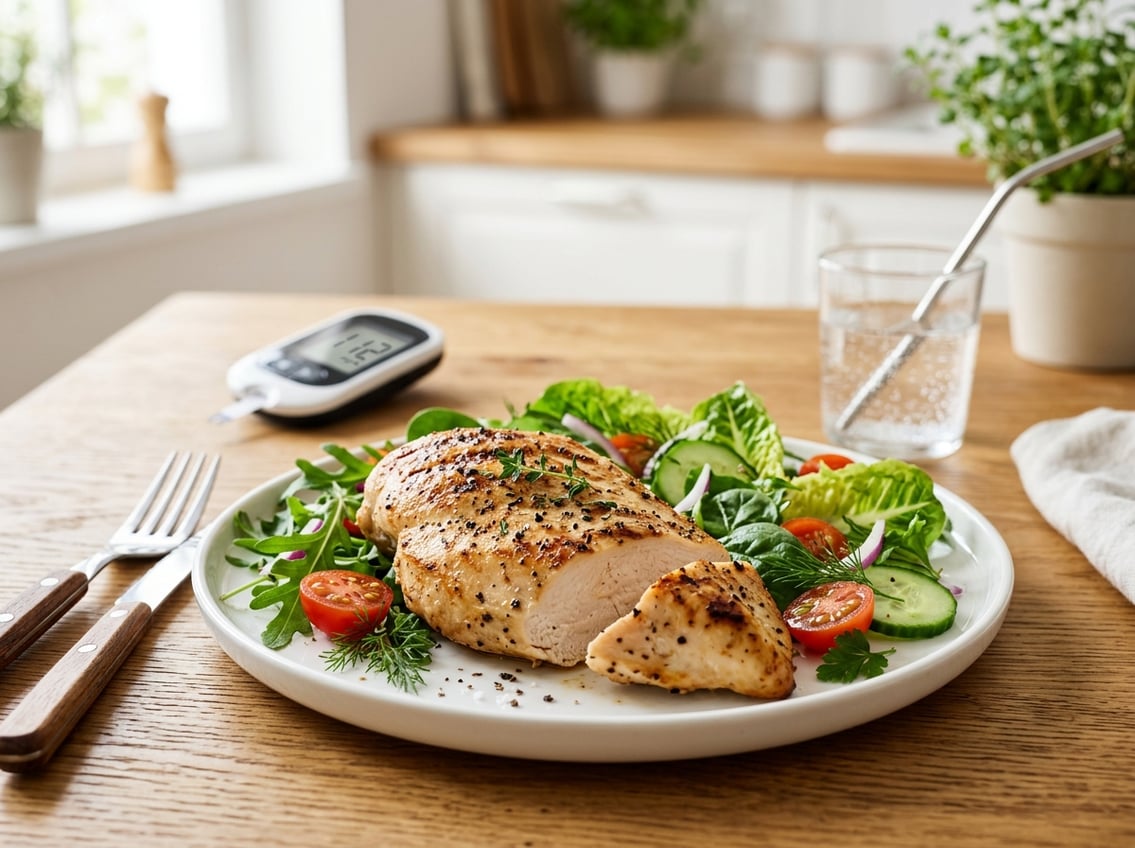
Plain chicken breast has a very small direct effect on blood sugar. Since it is naturally low in carbohydrate, it is not the kind of food that usually causes a fast glucose spike.
Why Plain Chicken Breast Usually Does Not Spike Glucose
Chicken breast is basically a protein food, not a carb food. According to Chicken Breast: Zero Glycemic Impact and Ideal Protein for Blood Sugar, it has zero glycemic index and load.
Diabetes nutrition facts for chicken breast list about 0 grams of carbs per 100 grams. Plain, cooked, skinless chicken breast is usually a safe option when you want steady glucose.
How Protein Affects Blood Sugar Differently Than Carbs
Protein digests more slowly than carbs. It does not turn into glucose as fast as bread, rice, pasta, or sweets.
That slower digestion can help you feel full and may support steadier meals. Protein can still trigger a small insulin response, yet that is different from the sharp rise you may see after a high-carb meal.
When Individual Responses May Still Vary
Your body may respond differently based on the rest of the meal, your portion size, and your activity level. Some people also see a mild glucose rise after a very large protein-heavy meal.
If you track blood sugar, your own readings matter more than general rules. Your full meal still decides the final response.
Why Preparation Can Change the Outcome
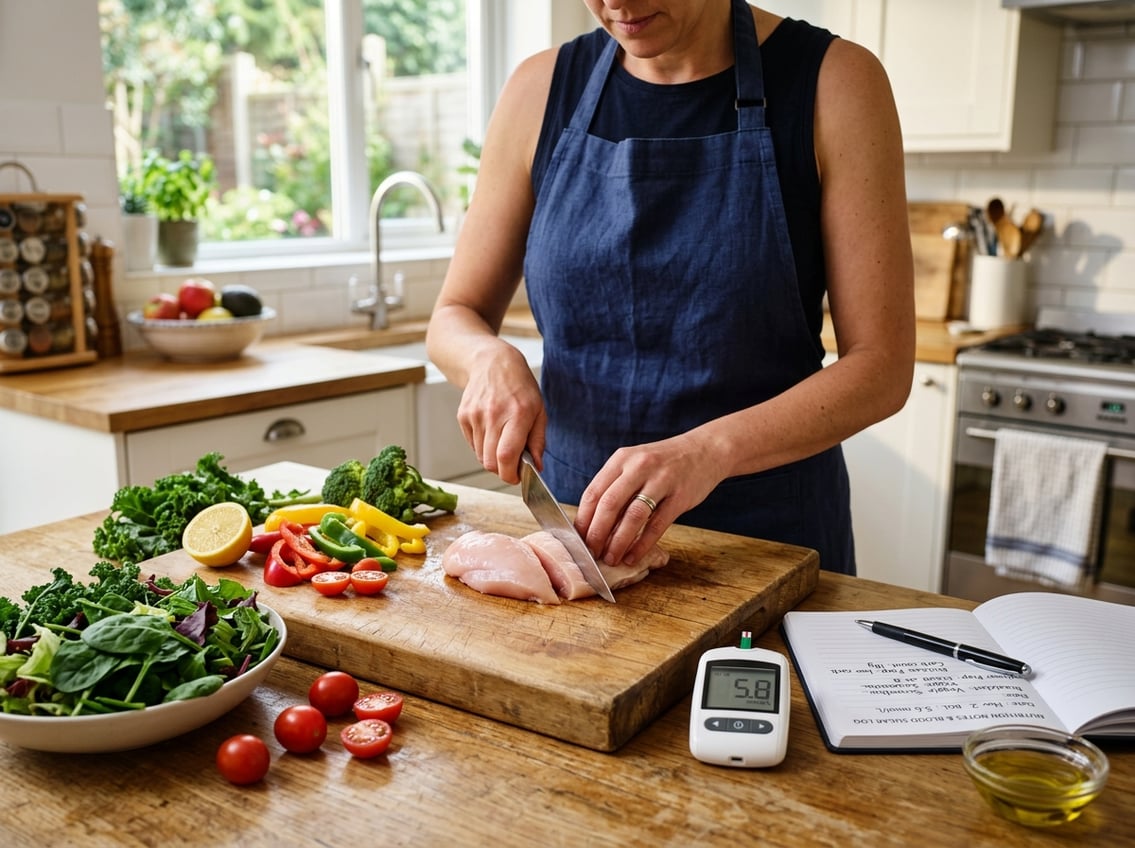
The cooking method can change chicken from a lean protein into a meal that affects glucose more strongly. Breading, frying, and sweet sauces add carbs, fat, and extra calories that can work against your goals.
Breaded and Fried Options vs. Lean Cooking Methods
Breaded chicken often contains flour or breadcrumbs, which add carbohydrate. Fried chicken also adds more fat, which can make the meal heavier and less diabetes-friendly.
A recent analysis of do chicken dishes spike blood sugar levels notes that grilled, baked, or roasted chicken is usually a better choice than fried or breaded versions. Grilling, baking, roasting, poaching, or air-frying keeps the meal simpler.
Sugary Sauces, Marinades, and Glazes to Watch
Sweet barbecue sauce, honey glazes, teriyaki-style sauces, and many bottled marinades can add a surprising amount of sugar. Even a lean chicken breast can become a high-carb meal once those extras are added.
A grilled chicken product with sugary additions may contain 10 to 15 grams of sugar per serving, as noted in an analysis of grilled chicken and blood sugar. Read labels and ask about sauces when you eat out.
Why Skinless Cuts Are Often the Better Choice
Skinless chicken breast is usually the leanest option. Removing the skin lowers saturated fat and keeps the meal lighter.
That makes it easier to pair with vegetables and measured carbs. Skinless cuts also make it simpler to keep the meal focused on protein instead of added fat.
How to Build a Blood Sugar-Friendly Meal With Chicken
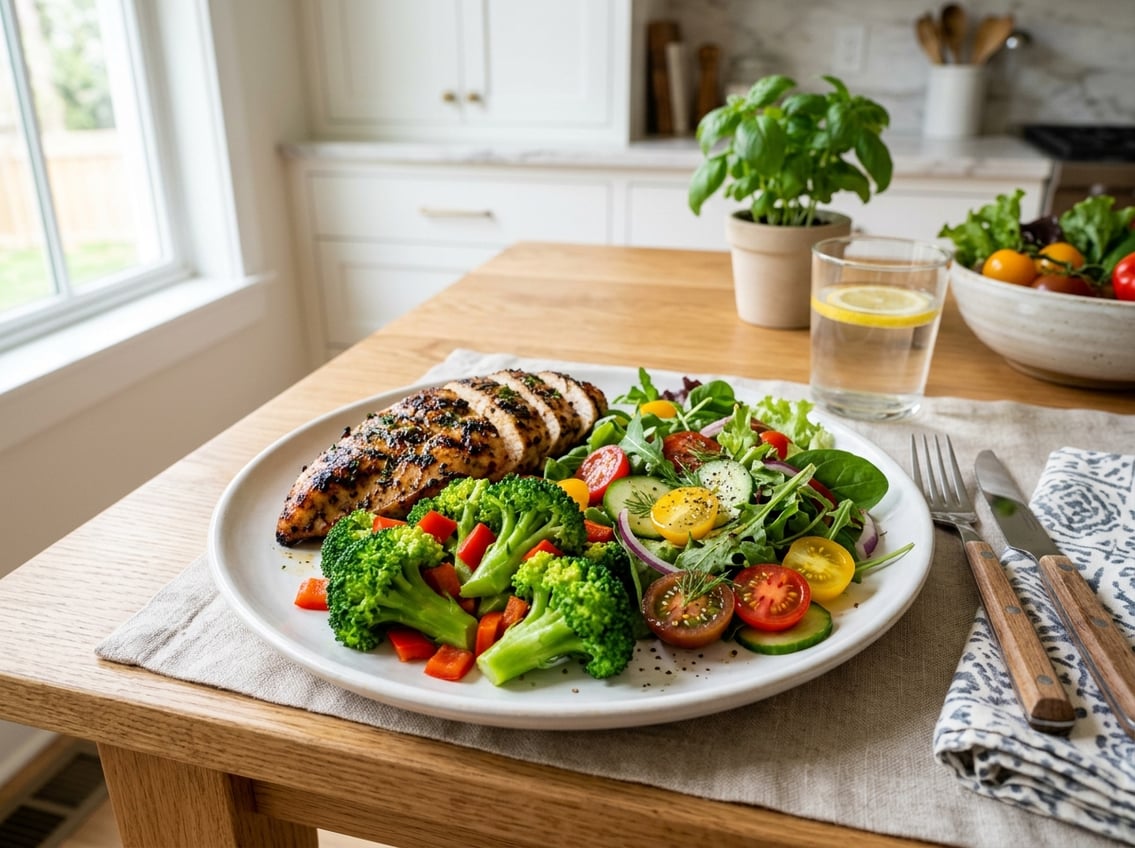
You can make chicken work well in a diabetes-friendly meal by adding fiber, controlling portions, and choosing carbs carefully. The goal is to build a plate that supports steady glucose.
Best Side Dishes for More Stable Glucose
Pair chicken with non-starchy vegetables like broccoli, spinach, cauliflower, asparagus, peppers, or green beans. These foods add fiber and volume without a large glucose load.
If you want a starch, choose a smaller portion of brown rice, quinoa, or sweet potato instead of refined grains. Lower GI sides can help smooth out the meal.
Portion Size and Plate Balance
A practical serving is often about 3 to 4 ounces of chicken, which is roughly the size of a deck of cards. Fill half your plate with vegetables, then use the rest for chicken and a modest carb portion if you want one.
That balance helps you get protein without turning the meal into a calorie-heavy plate.
Easy Meal Ideas for Everyday Eating
Try these simple combinations:
- Grilled skinless chicken breast with roasted broccoli and quinoa
- Baked chicken with cauliflower rice and green beans
- Chicken salad with leafy greens, cucumbers, tomatoes, and olive oil dressing
- Chicken vegetable soup with low-sodium broth
- Chicken stir-fry with peppers, mushrooms, and snap peas
These meals keep the focus on protein and fiber, not added sugar.
When Chicken Breast Fits Best in Diabetes Management

Chicken breast fits especially well when you want a filling meal that does not push glucose up fast. It can also help you stay satisfied longer, which may make meal planning easier.
Benefits for Satiety and Weight Control
Lean chicken breast gives you a lot of protein for relatively few carbs. That can help you feel full and may reduce the urge to snack soon after eating.
For many people, that makes chicken a useful part of a weight-conscious plan. Weight control can play an important role in blood sugar management.
Store-Bought and Restaurant Choices to Evaluate
Not all chicken options are equal. Rotisserie chicken can be a good choice, though you may want to remove the skin and check for added sugar in seasoning.
Fast-food grilled chicken is often better than breaded sandwiches, yet sauces and buns can change the meal fast. When you buy packaged chicken products, look at the label for sugar, starch, and sodium.
Processed chicken foods may not fit as well as plain skinless chicken breast.
When to Monitor Your Own Post-Meal Readings
If you manage diabetes, your meter or continuous glucose monitor shows you how your body handles chicken meals. This is especially important when you add sauces, breading, rice, potatoes, or sweet drinks.
If you eat a meal with chicken and your reading rises more than expected, look at the full plate, not just the protein. Your pattern helps you see how chicken affects your blood sugar.


