
How Long Before Chicken Breast Goes Bad? Storage Timelines
How long chicken breast stays good depends on whether it is raw, cooked, or frozen, and on how cold your fridge is. If you handle it correctly, you can usually keep raw chicken breast for only a short time in the refrigerator.
Cooked chicken breast lasts a little longer. The safest rule is simple: store chicken breast cold, use it quickly, and discard it if it shows any clear signs of spoilage.
Chicken is one of the most common perishable foods in the kitchen. Food safety depends on both time and temperature.
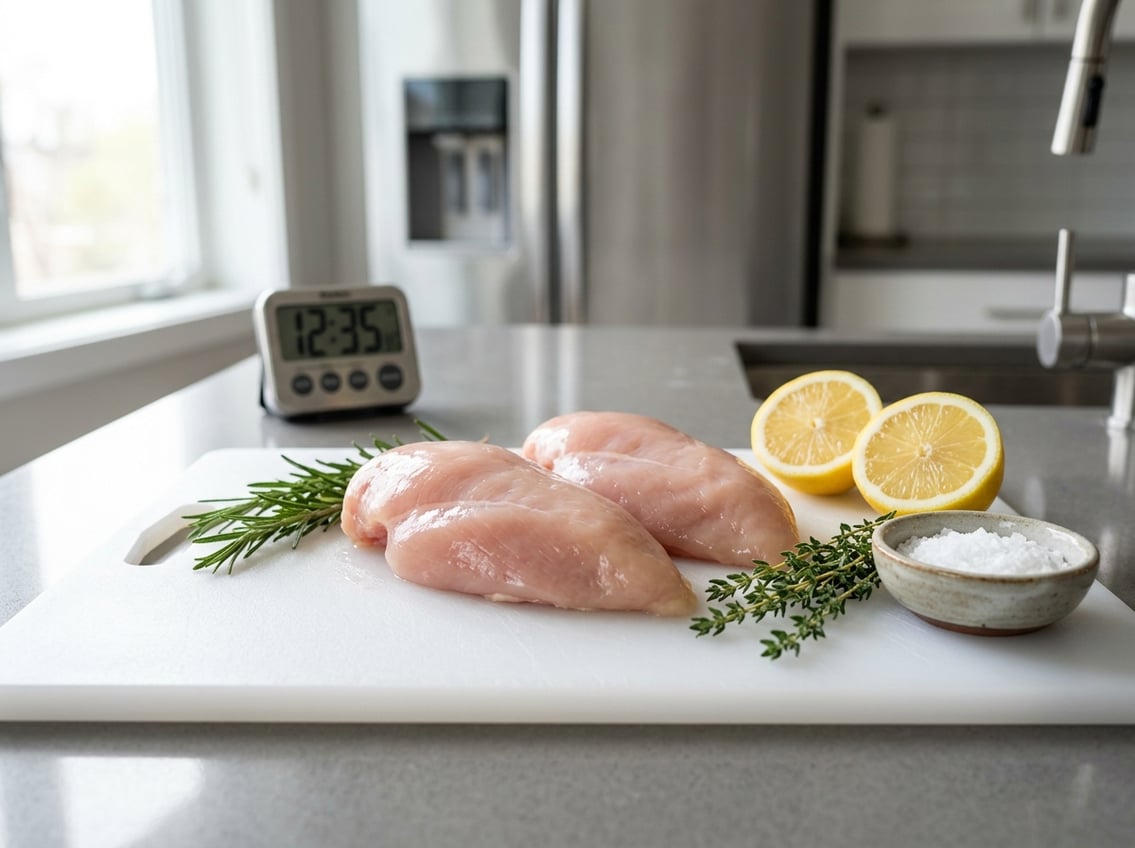
A few basic storage habits can make a big difference in shelf life. Knowing when to refrigerate, when to freeze, and when to throw out chicken breast helps you avoid waste and reduce the risk of foodborne illness.
Safe Storage Timelines at a Glance
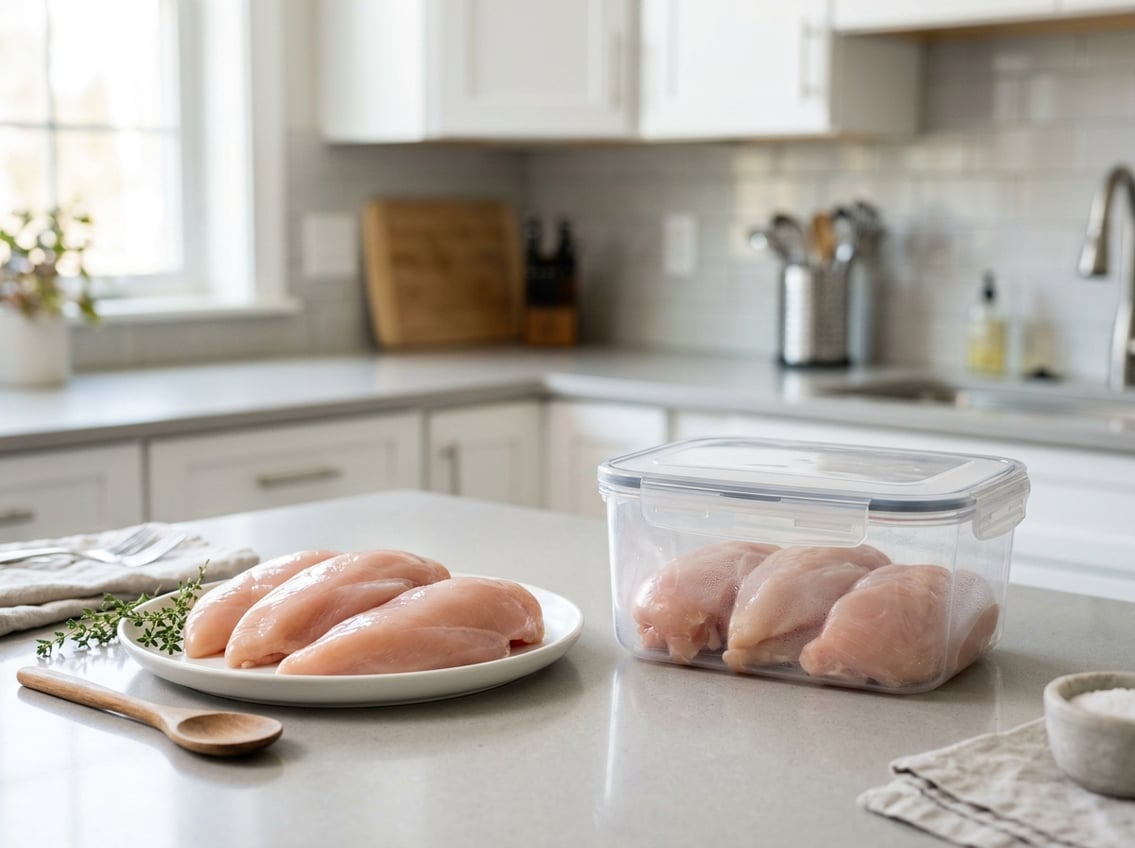
Chicken breast storage depends on the state of the meat, the temperature, and how soon you plan to use it. If you need longer than a couple of days, freezing chicken usually makes more sense than refrigeration.
| Type of chicken breast | Fridge time at 40°F or below | Freezer time |
|---|---|---|
| Raw chicken breast | 1 to 2 days | About 9 months for best quality |
| Cooked chicken breast | 3 to 4 days | About 2 to 6 months for best quality |
| Thawed chicken breast | Use within 1 to 2 days | Do not refreeze unless it was thawed safely |
These timelines match common food safety guidance and storage ranges reported by Chicken Breasts Storage: Guide to Refrigerator Shelf Life. Your refrigerator should stay at or below 40°F, because warmer temperatures speed bacterial growth.
How Long Raw Chicken Breast Lasts in the Fridge
Raw chicken breast does not stay fresh for long. If you store raw chicken breast properly in the fridge, plan to cook it within 1 to 2 days.
That short window is why it helps to buy only what you need. If your meal plan slips, freeze the fresh chicken breast before the second day ends.
How Long Cooked Chicken Breast Lasts in the Fridge
Cooking reduces bacteria, so cooked chicken breast lasts longer than raw. In the fridge, you can usually keep it safe for 3 to 4 days if you cool it quickly and store it in a sealed container.
If you know you will not eat it within that time, freeze cooked chicken breast instead. Freezing cooked chicken helps stretch shelf life.
When Freezing Makes More Sense
Freeze chicken breast when you cannot use it before the fridge time runs out. Freezing also works well when you buy in bulk or prepare meals ahead of time.
Wrap and date the chicken before freezing so you can track storage time. Freezing chicken breast slows spoilage and protects quality better than leaving it in the refrigerator too long.
How to Tell When Chicken Is No Longer Safe
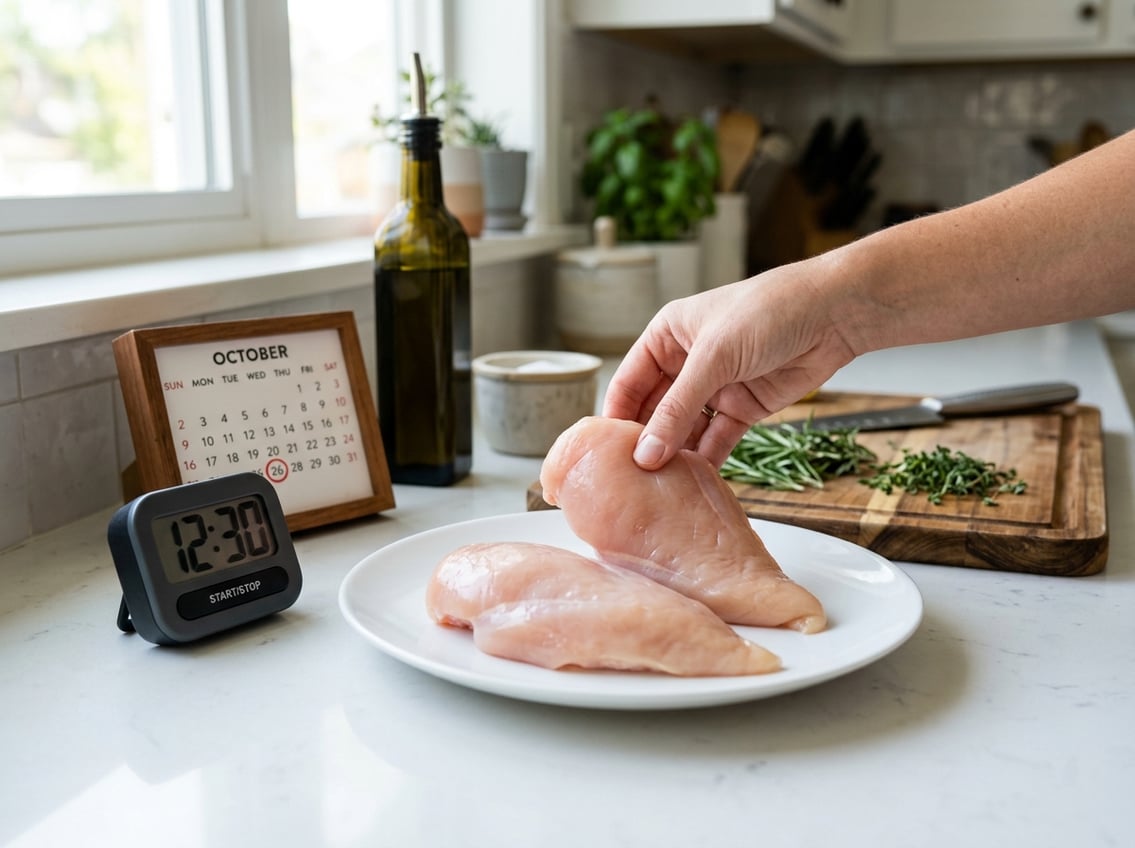
Check chicken breast before you cook it because spoilage is not always obvious at first glance. Smell, color, and texture are the main signs of spoilage.
If the chicken looks questionable, throw it out rather than risk foodborne illness. Spoiled chicken can make you sick even if it still looks mostly normal.
Smell, Color, and Texture Warning Signs
Fresh chicken breast should have little to no odor. A sour, ammonia-like, or rotten smell is a strong warning sign.
Color changes also matter. Gray, green, or dull patches can mean spoiled chicken, especially when the meat no longer looks pink and fresh.
A sticky or overly soft texture is another reason to discard it.
Why Slimy Chicken Should Be Discarded
A slimy texture is one of the clearest signs that chicken is no longer safe. Fresh chicken may feel moist, but it should not feel slick or sticky.
Bacteria often cause that slimy coating on the surface. If you notice it, discard the chicken breast without trying to save it.
Mold and Other Clear Signs of Spoilage
Any visible mold means the chicken is unsafe. Throw it out if the package is swollen, leaking, or badly damaged.
If the smell, texture, or color seems off, do not cook it. The risk of foodborne illness is not worth it.
Best Ways to Store It Properly
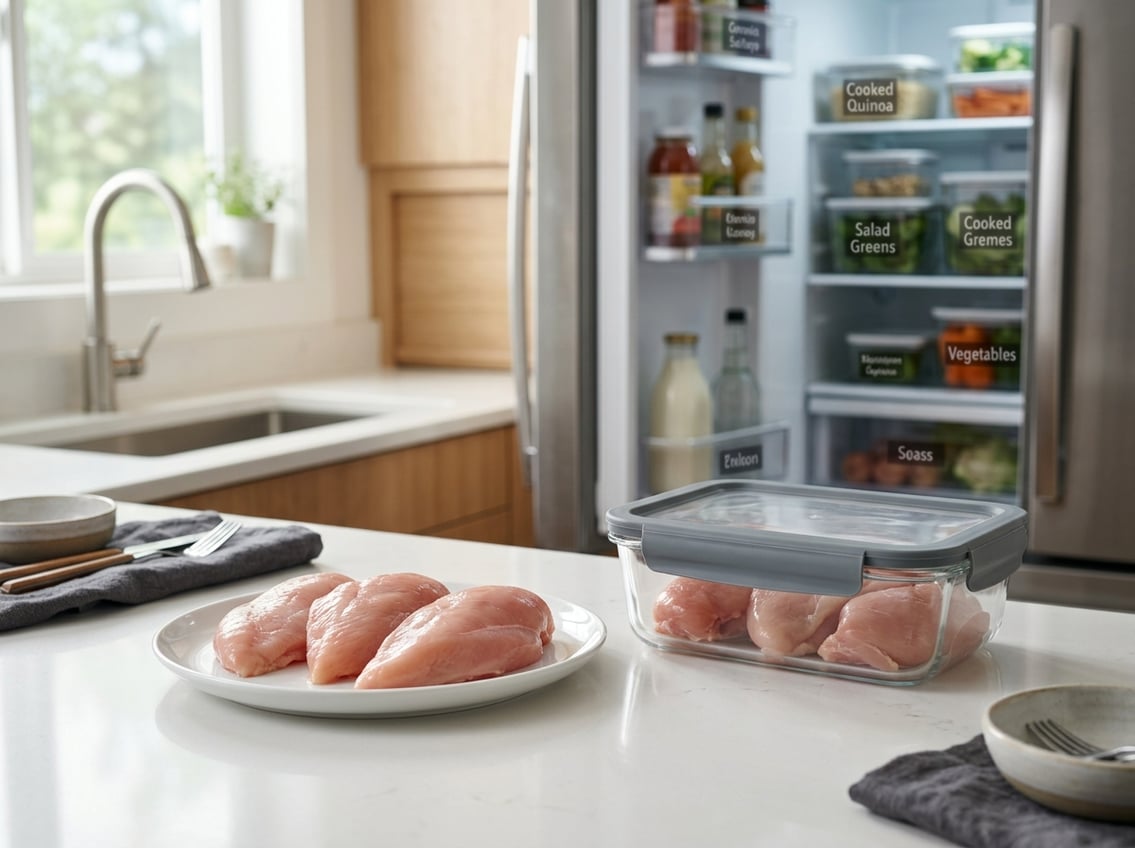
Proper storage keeps your chicken safe and maintains quality. The goal is to keep it cold, sealed, and away from foods you eat without cooking.
Small details matter. The way you pack, place, and handle fresh chicken breast affects both shelf life and food safety.
Fridge Setup and Proper Storage Habits
Store chicken breast on the bottom shelf of the refrigerator, where leaks are less likely to drip onto other foods. Keep the fridge at or below 40°F, and put raw chicken away as soon as you get home.
If the package is opened, move the chicken to a clean airtight container or wrap it tightly. This protects the meat from air and keeps the fridge cleaner.
Packaging Tips to Prevent Leaks and Freezer Burn
Use plastic wrap, freezer bags, or airtight containers to keep chicken breast from drying out. If you plan to freeze chicken, remove as much air as possible to help prevent freezer burn.
Portion the meat before freezing for best results. Smaller packs thaw faster and help you use only what you need.
How to Avoid Cross-Contamination
Raw chicken can spread bacteria to counters, cutting boards, and other foods. Keep it separate from produce, bread, and ready-to-eat meals.
Wash your hands, knives, and surfaces with soap and hot water after handling chicken. Good food safety habits lower the chance of cross-contamination and keep your kitchen safer.
Thawing and Cooking Without Raising Risk
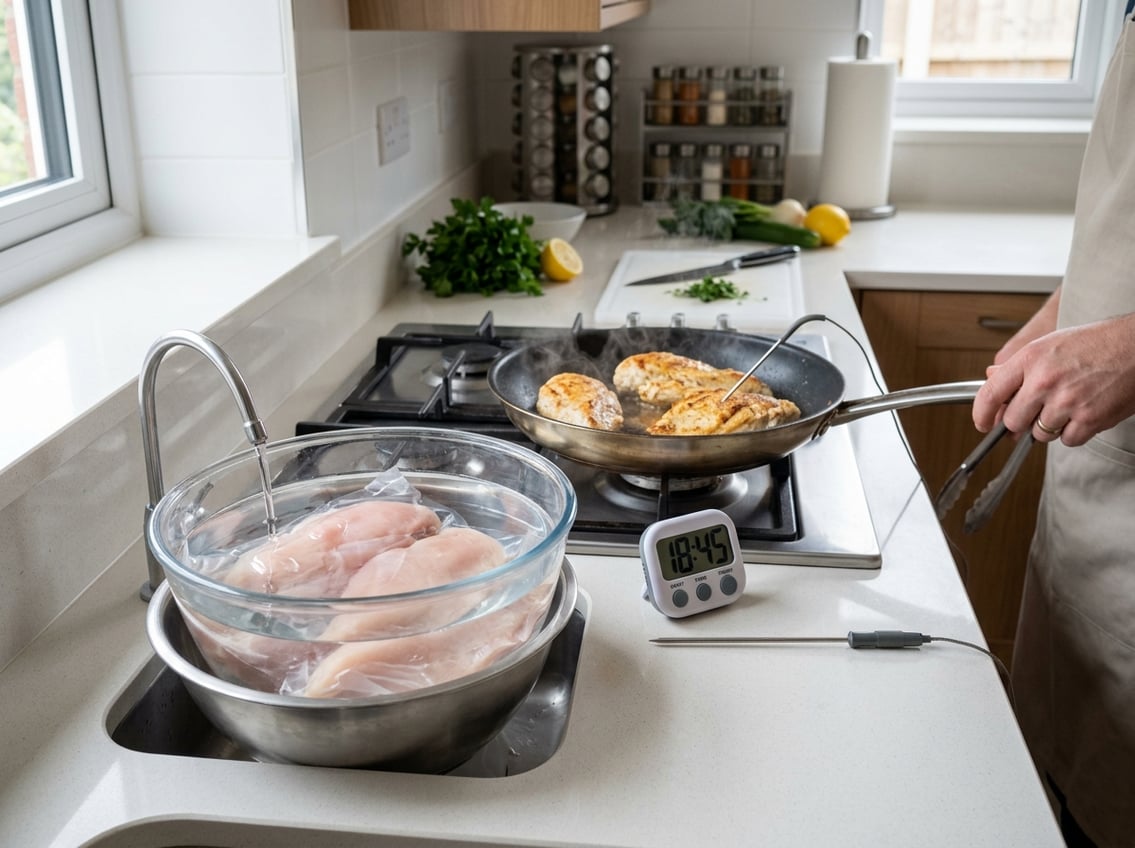
Safe thawing matters because chicken breast can move from frozen to risky fast if you leave it out too long. Use controlled methods and cook thoroughly once it is thawed.
If you start with frozen chicken breast, plan ahead so you do not rush the process. Safe thawing lowers the chance of bacterial growth and helps you cook more evenly.
Refrigerator Thawing
Refrigerator thawing is the safest choice for most situations. Place the frozen chicken breast in a dish or container in the fridge and let it thaw slowly.
Once thawed in the refrigerator, use it within 1 to 2 days. This method keeps the meat cold the whole time.
Cold Water Thawing
Cold water thawing works faster than fridge thawing. Seal the chicken in a leakproof bag, submerge it in cold water, and change the water every 30 minutes.
Cook it right after thawing. Do not use warm or hot water, because that raises the surface temperature too quickly.
Microwave Thawing
Microwave thawing is useful when you need to cook chicken breast right away. Use the defrost setting and watch it closely so some parts do not begin to cook while others stay frozen.
Cook the chicken immediately after microwaving. Uneven warming can give bacteria a chance to grow if you wait.
Why You Must Cook Thoroughly
Chicken breast must reach a safe internal temperature to reduce the risk of salmonella and other foodborne illness.
Use a food thermometer and check the thickest part to ensure it is done.
Do not rely on color alone.
Thorough cooking is the key step that keeps chicken breast safe to eat.


