
Chicken Breast Like Spaghetti: Causes, Safety, and Fixes
Chicken breast like spaghetti usually points to a texture defect in the meat, not a recipe problem. When the muscle fibers start to separate, the breast can look stringy, frayed, or like it is falling into thin strands.
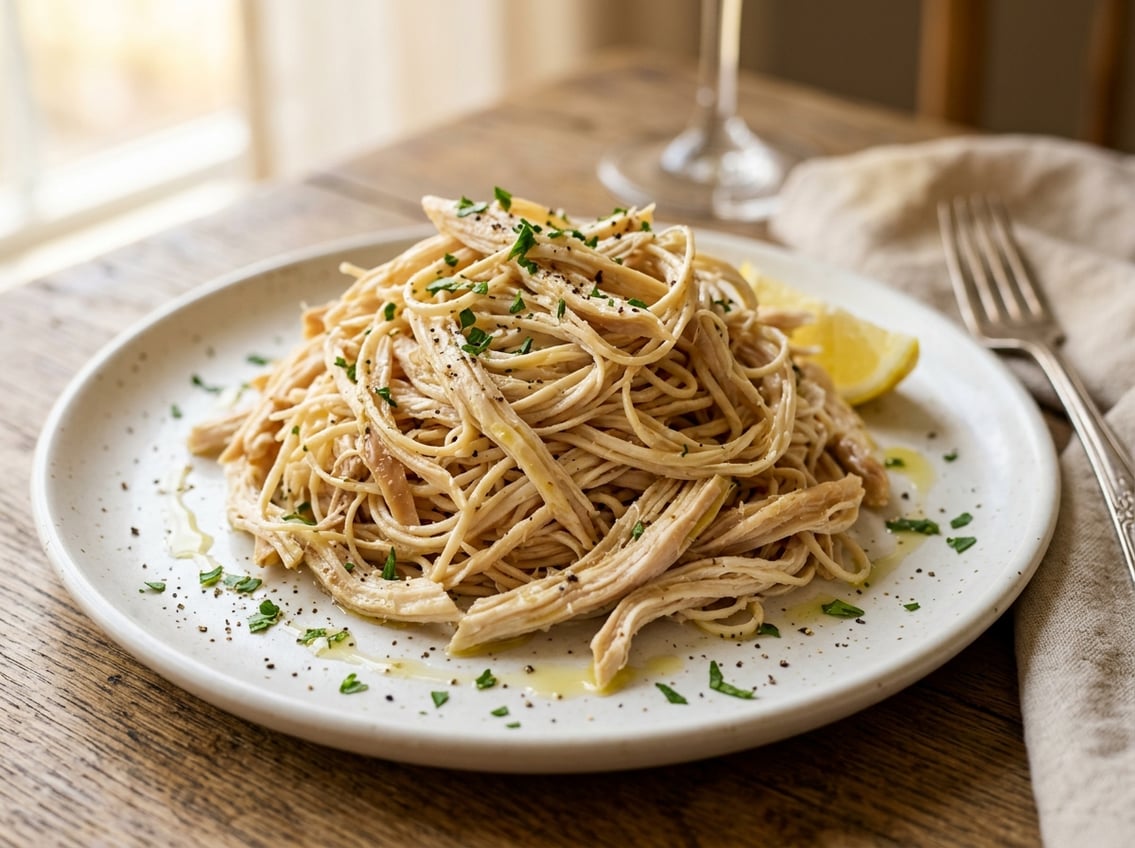
People often call this issue spaghetti meat, stringy chicken, or spaghetti chicken. It is different from overcooked chicken, since the odd look can show up before you even cook it.
What This Texture Change Usually Means
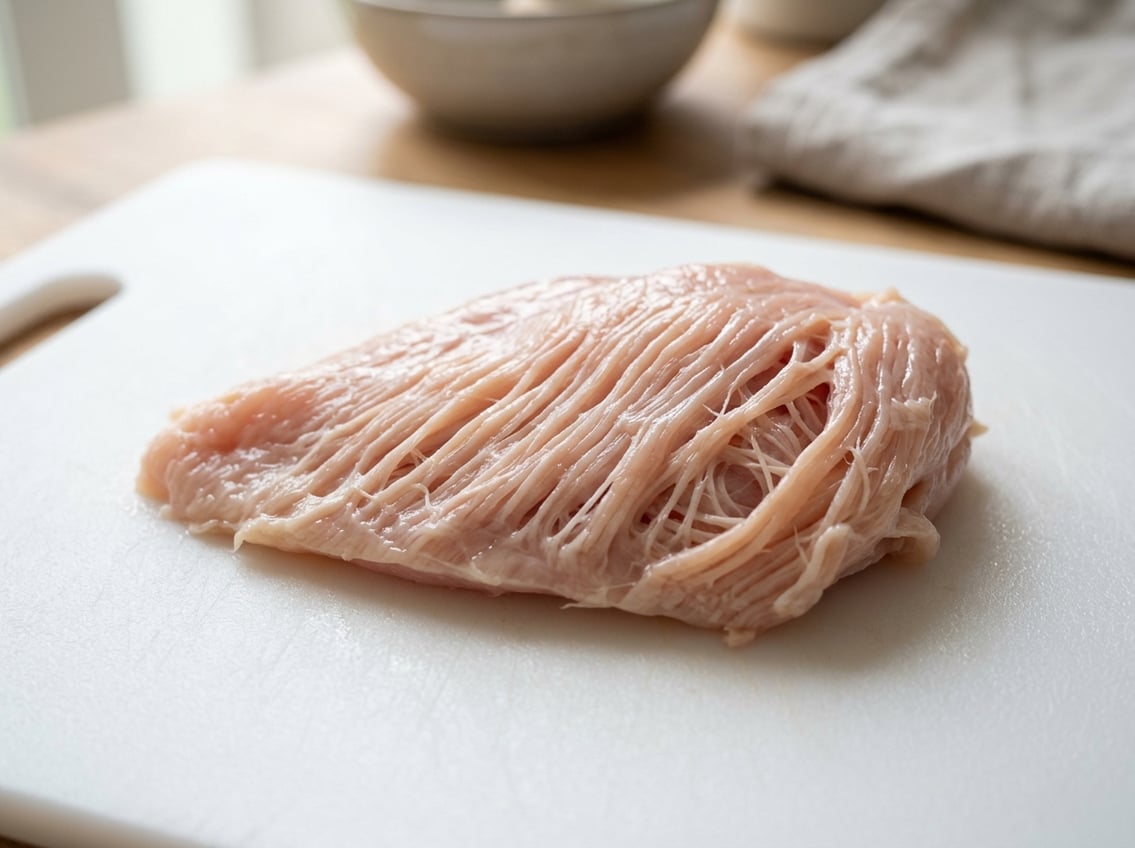
A muscle quality problem usually causes chicken breast that looks like spaghetti. The fibers lose their normal structure, so the meat pulls apart into soft strands instead of staying tight and smooth.
This can happen in raw meat. It can also show up after cooking if the breast was already affected.
It is not the same as a normal grain in chicken, where you can see lines but the meat still holds together.
How Spaghetti Meat Shows Up in Raw Chicken Breast
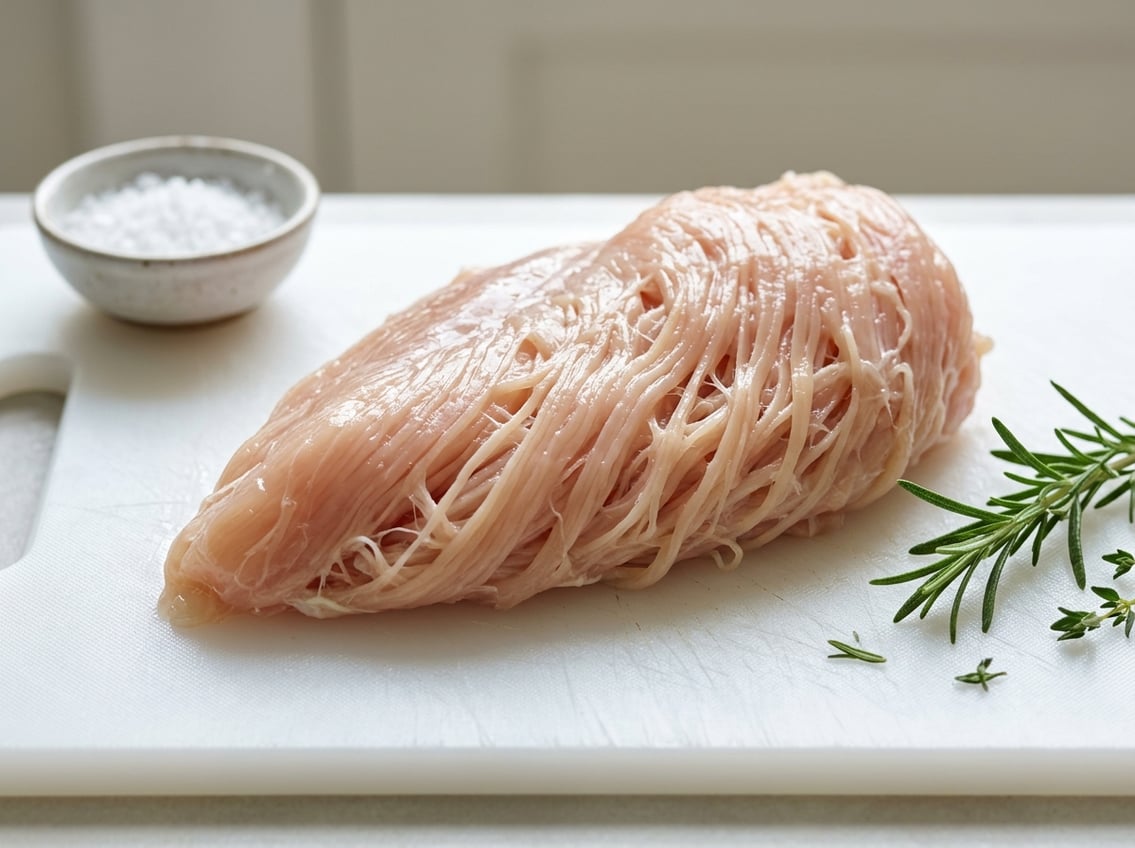
In raw chicken breast, spaghetti meat often looks pale, loose, and fibrous. The surface may tear easily when you touch it, and the inside may split into string-like pieces with very little pressure.
The meat can also look watery or uneven. That frayed look is the reason many shoppers notice it before cooking and wonder if the package has gone bad.
Why People Call It Stringy Chicken or Spaghetti Chicken
People use the names stringy chicken and spaghetti chicken because the meat looks like noodles or thin threads. The label is informal, not a food industry term.
A breast that shreds into strands is very different from a firm, intact piece of poultry.
How It Differs From Mushy Breast and Woody Breast
A mushy breast feels soft and weak, while woody breast feels firm, tough, and dense. Spaghetti meat sits in a different spot on that range, since the main sign is fiber separation rather than softness or hardness.
You may see more than one problem in the same bird. Research and food reporting have linked spaghetti meat with other breast quality defects, including woody breast, as noted in coverage from VICE.
Why It Happens in Modern Poultry
The main cause is not how you store or cook the meat. It starts earlier, during bird growth and muscle development, where size, speed, and muscle stress all play a role.
Modern poultry production has changed the structure of chicken breast meat, especially in fast-growing birds. That shift helps explain why spaghetti meat chicken shows up more often than it did in older chicken lines.
The Link Between Fast Growth and Muscle Defects
Broilers grow quickly, and that growth can outpace healthy muscle support. When the breast muscle enlarges fast, the tissue may not form a strong, even structure.
That can leave the meat with weak fiber attachment and a shredded look. Some reporting on the issue has tied spaghetti meat to breeding for larger, faster-growing chickens, including a VICE article on faster-growing birds.
How Broiler Chickens Changed Over Time
Broiler chickens today are bred for rapid weight gain and large breast yield. Compared with older birds, modern broilers put more emphasis on white meat production.
That change improves efficiency. It can also raise the chance of breast defects.
Reports in recent food coverage describe spaghetti meat as a muscle issue that appears in a meaningful share of poultry, including a 2026 write-up from FoodBible.
What Researchers Know
Researchers agree that spaghetti meat is a muscle abnormality, often called a myopathy. They also agree that it affects meat quality, especially texture and water-holding ability.
What remains less clear is the exact chain of events for every bird. Growth rate, muscle fiber damage, genetics, nutrition, and processing conditions may all contribute in different amounts.
Is It Safe to Eat and What Quality Changes to Expect
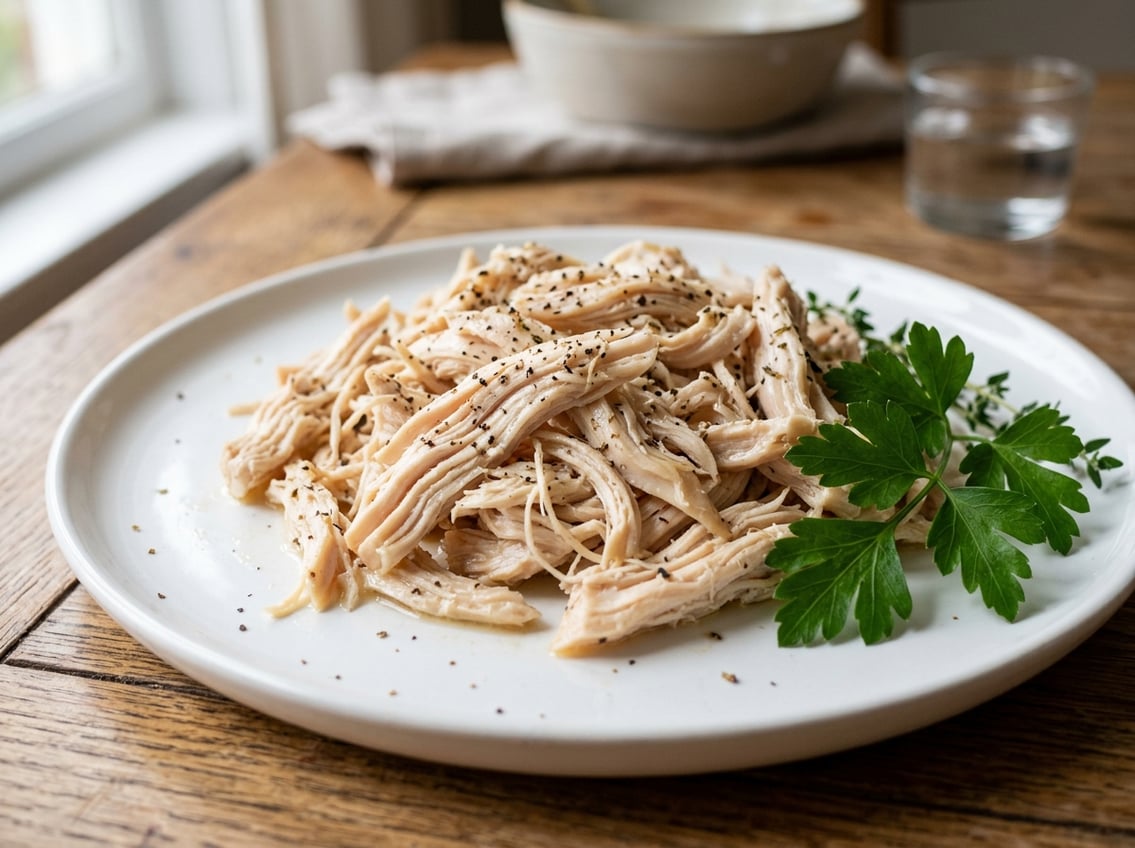
Spaghetti meat is usually a quality issue, not a food safety warning. The meat can still be cooked and eaten if it was handled safely before purchase and kept at the right temperature.
You may notice more liquid, less structure, and a drier bite once the meat is cooked.
Food Safety vs Texture Problems
If the package is within date, kept cold, and the chicken smells normal, the stringy look alone does not mean it is unsafe. Multiple food write-ups, including CyChicken’s overview of stringy raw chicken, note that the issue is mainly structural.
You still need to follow normal poultry safety rules. Safe handling, clean tools, and proper cooking temperature still matter.
Changes in Moisture, Protein, and Fat
Affected meat often loses moisture more easily during cooking. That can make the breast seem dry, even if you did not overcook it.
The texture change can also reflect a less stable protein structure, with fat and water distributed less evenly. In practice, that means the chicken may shred too easily, cook unevenly, or feel less juicy.
When Affected Meat Is More Likely to End Up in Processed Foods
Chicken with lower appearance quality is more likely to be used in shredded, chopped, or mixed products. It may end up in casseroles, soups, frozen meals, nuggets, or deli-style items where texture matters less.
Heavily processed foods can mask a stringy texture better than a plain roasted breast.
How to Shop Smarter and Cook Around the Problem
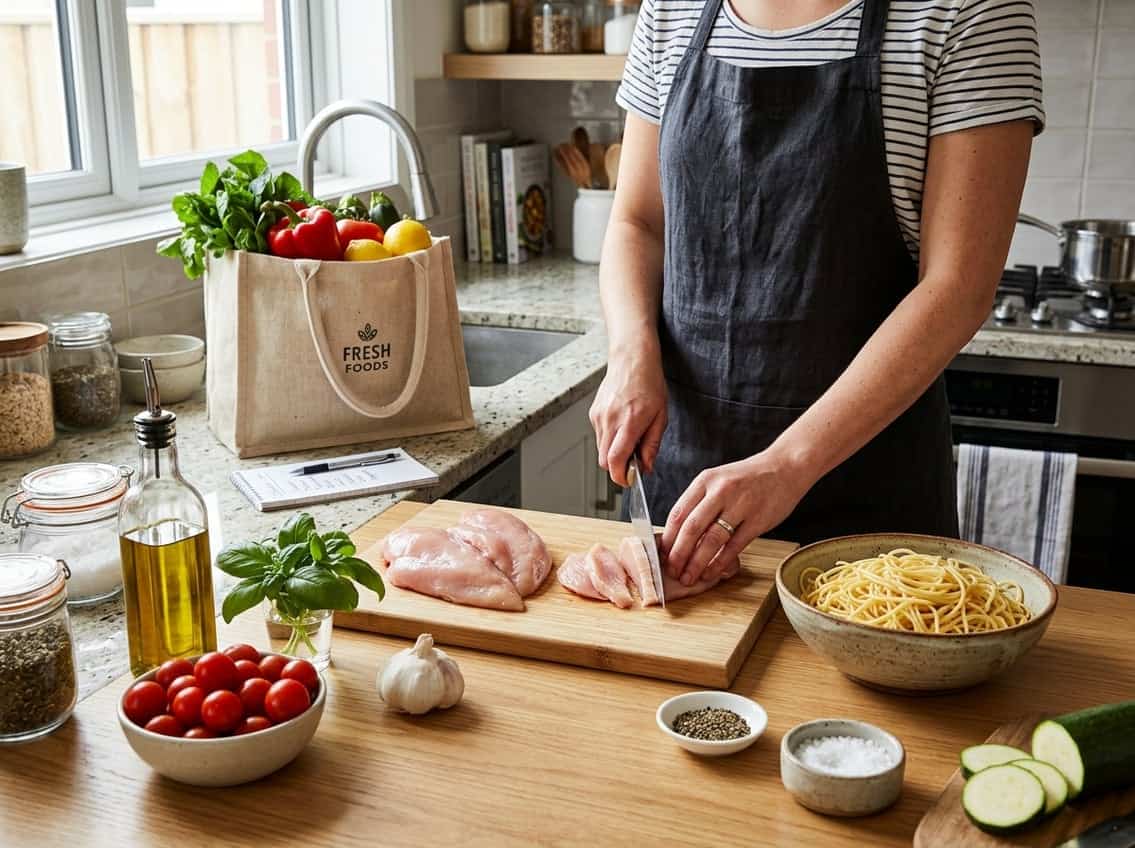
You can lower your chances of buying stringy chicken by checking the meat more closely and choosing cuts that look firm and even. Cooking method also matters, since gentle heat gives you more control when the breast starts to break apart.
If you want a smoother result, the cut, the bird type, and the cooking plan all help.
What to Look for Before Buying Chicken Breast
Pick breasts that look plump, moist, and evenly shaped. Avoid packages where the meat looks unusually fibrous, torn, or weak at the surface.
If the store allows it, compare several packages. A firmer breast with a cleaner grain is less likely to shred into spaghetti-like strands.
When Smaller or Slower-Grown Birds May Help
Smaller birds and slower-grown poultry often have more even muscle texture. They may not show the same rapid-growth stress seen in many broiler chickens.
You may pay more for these options, and they are not always available. Even so, they can be a useful choice if texture matters a lot to you.
Best Cooking Methods for Meat That Falls Apart
Use low, steady heat when you can. Poaching, baking at moderate temperature, slow cooking, and gentle pan cooking all help reduce toughness and tearing.
If the meat is already stringy, use it where shredding works in your favor. It fits well in chicken spaghetti, tacos, soups, casseroles, and saucy pasta dishes.
For a smoother final bite, avoid high heat and long dry cooking. Keep the breast covered, monitor doneness closely, and rest it before slicing.


