
What Does Chicken Breast Cost? Price Ranges and Value Tips
You may wonder what chicken breast costs when you plan weekly meals or try to keep your grocery bill in check. In the US, the answer depends on the cut, the store, and whether you buy fresh, frozen, conventional, or premium labeled chicken.
For most shoppers, boneless skinless chicken breasts usually cost about $3 to $6 per pound. Sale prices sometimes fall lower, and organic options often cost more.
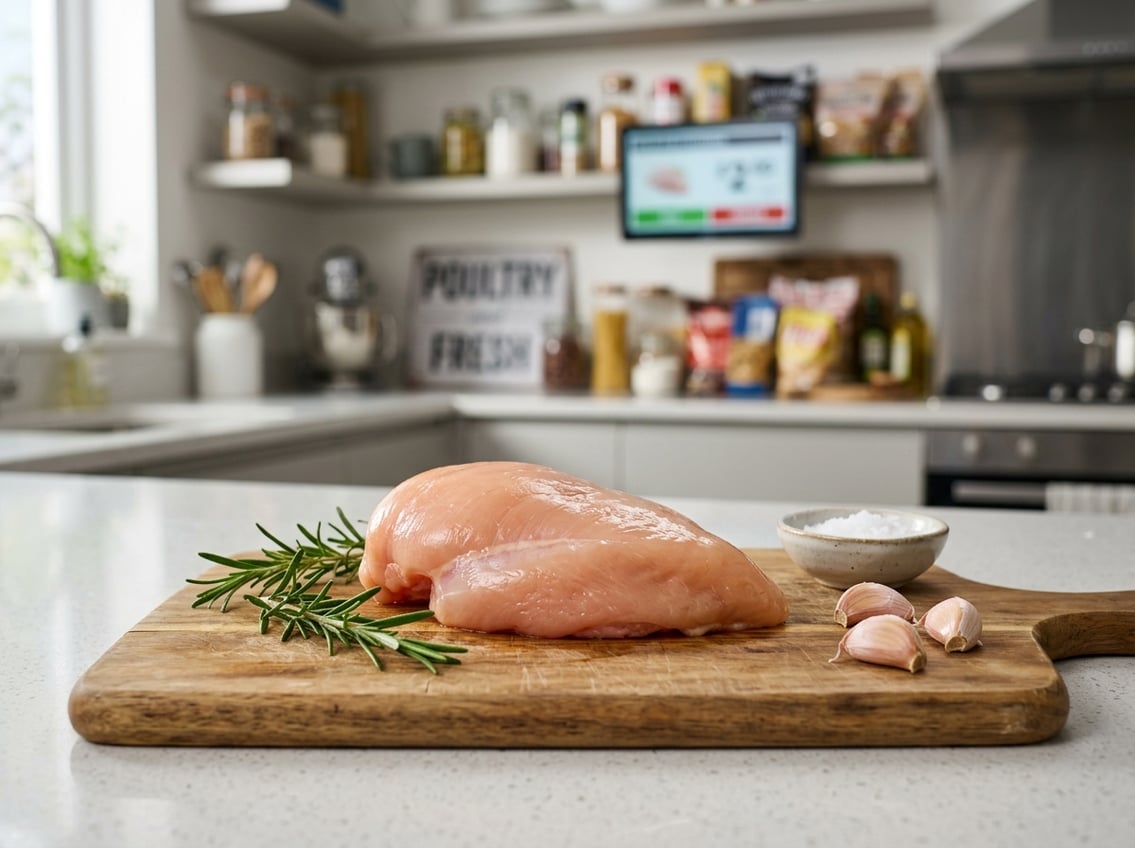
Chicken breast prices can change with season, region, and package size. If you know what changes the price, you can spot value instead of paying more for convenience.
Current Price Ranges at the Store
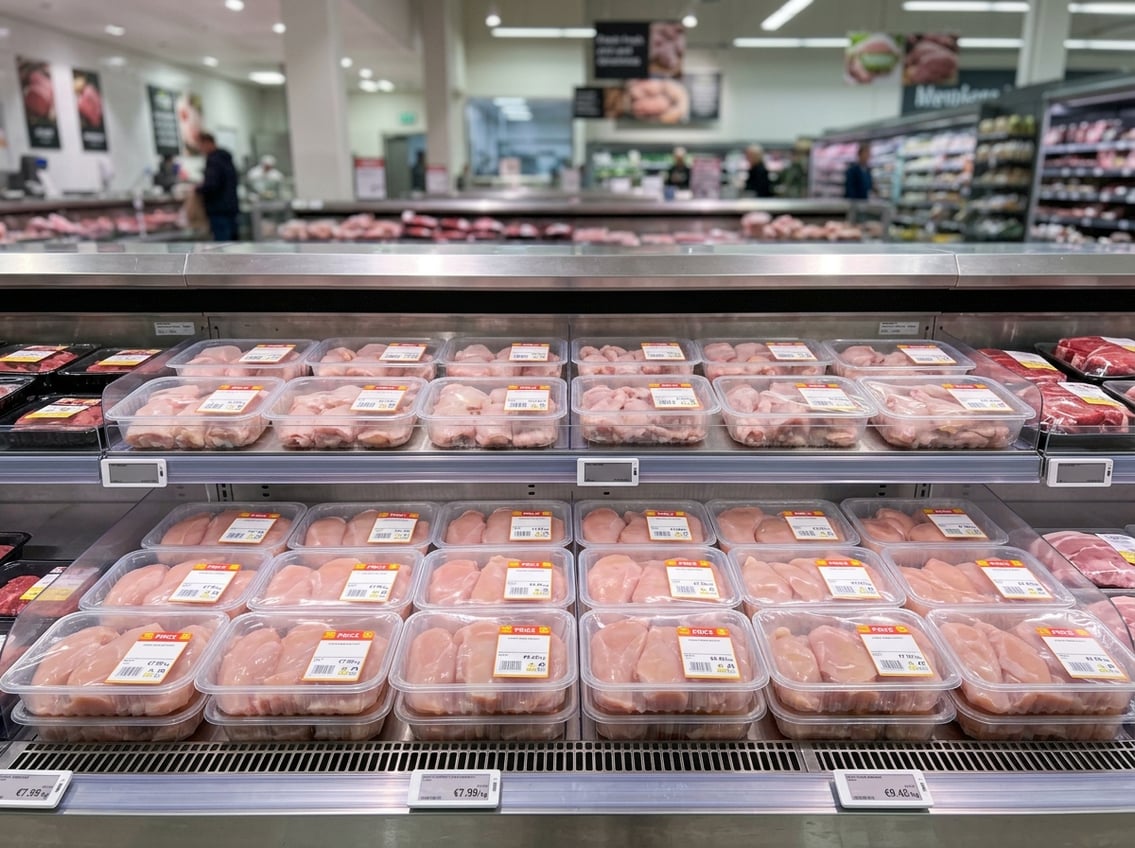
Fresh boneless skinless chicken breasts are the most common benchmark for grocery shoppers. In many US stores, fresh conventional packs sit in the middle of the market, while organic or specialty versions cost more.
A recent pricing guide puts conventional chicken breast around the low-to-mid single digits per pound. Organic cuts are closer to the upper end of the range.
Typical Cost Per Pound for Fresh Boneless Skinless Chicken Breasts
For fresh boneless skinless chicken breasts, a practical shopping range is about $3 to $6 per pound. Sale prices may fall below that, while premium or organic packs often rise above it.
Many US prices land around $2.50 to $5.50 per pound, depending on store and location.
How Frozen Options Compare on Price
Frozen chicken breasts often cost less per pound than fresh ones. The lower price reflects longer shelf life and less spoilage.
If you do not need to cook chicken the same day, frozen packs can help you control your grocery budget. The main trade-off is texture and thawing time.
Examples From Walmart, Target, and Other Grocery Retailers
Large retailers price chicken so you can compare unit cost more easily. Walmart lists Freshness Guaranteed boneless skinless chicken breasts in large tray packs, which can lower the per-pound cost when you buy more at once.
At stores like Target, the shelf tag may highlight brand names, pack size, or freshness claims. The real number to watch is the per-pound price, not the sticker total.
What Changes the Price You Pay
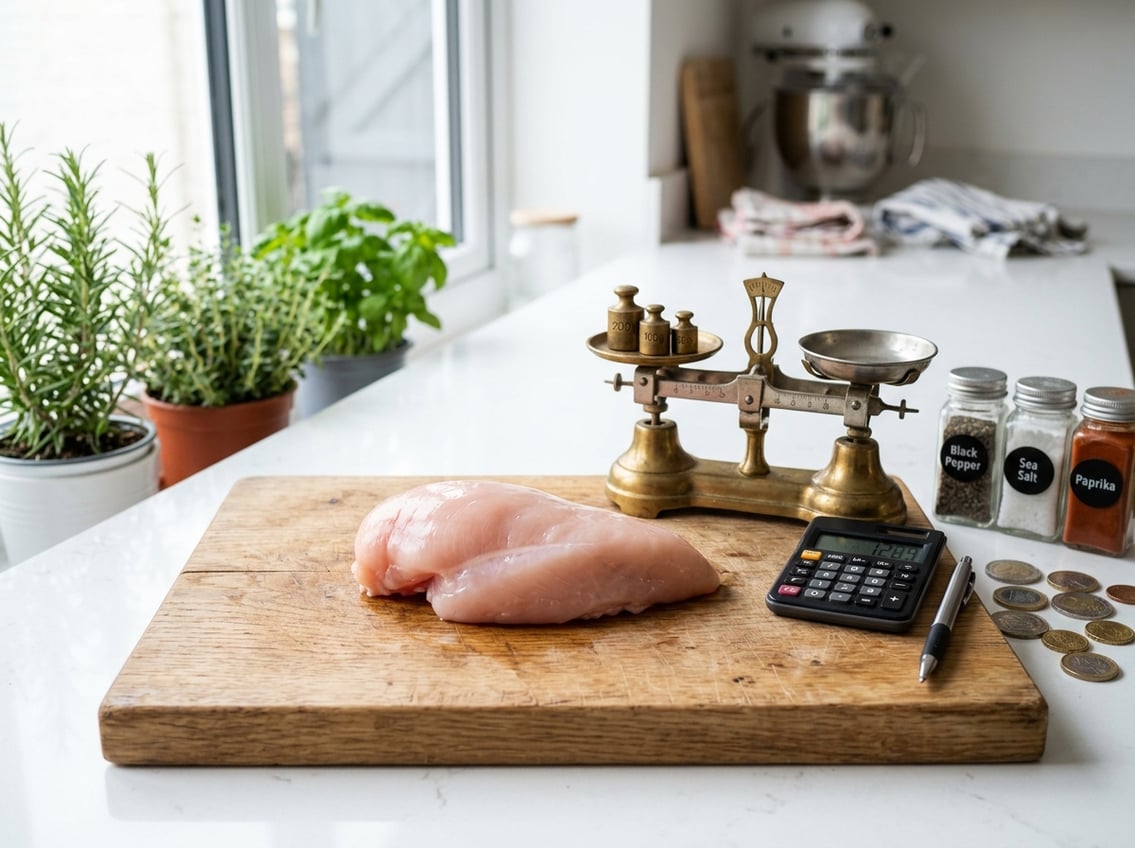
You can often see why the chicken breast price changes right on the package. Package size, label claims, and store type all affect what you pay at the register.
Some chicken breast prices look low until you check the package weight. Others look high until you compare them to smaller packs or premium labels.
Package Size, Value Packs, and Bulk Buying
Bigger packs often lower the price per pound. Family-size trays and bulk value packs can be a smart choice if you have freezer space.
Bulk buying works best when you use chicken breast often and can portion it right away. Smaller packs may cost more per pound, but can still make sense if they reduce waste.
Fresh, Frozen, Organic, and Natural Label Differences
Fresh chicken usually costs more than frozen chicken because of handling and shelf-life limits. Organic chicken often costs more since organic feed and production rules raise costs.
Natural chicken and other label claims can also change the price, even when the cut is the same. If you want the lowest prices, plain conventional fresh or frozen packs usually sit near the bottom of the range.
Regional Pricing and Store Format Differences
Your region affects price a lot. Areas with higher transportation costs, stronger demand, or fewer large poultry suppliers often show higher prices.
Store format matters too. Warehouse clubs, discount grocers, and big-box stores often post lower per-pound prices than smaller neighborhood markets. Full-service meat counters may charge more for trimming and service.
How Chicken Breast Compares With Other Chicken Cuts
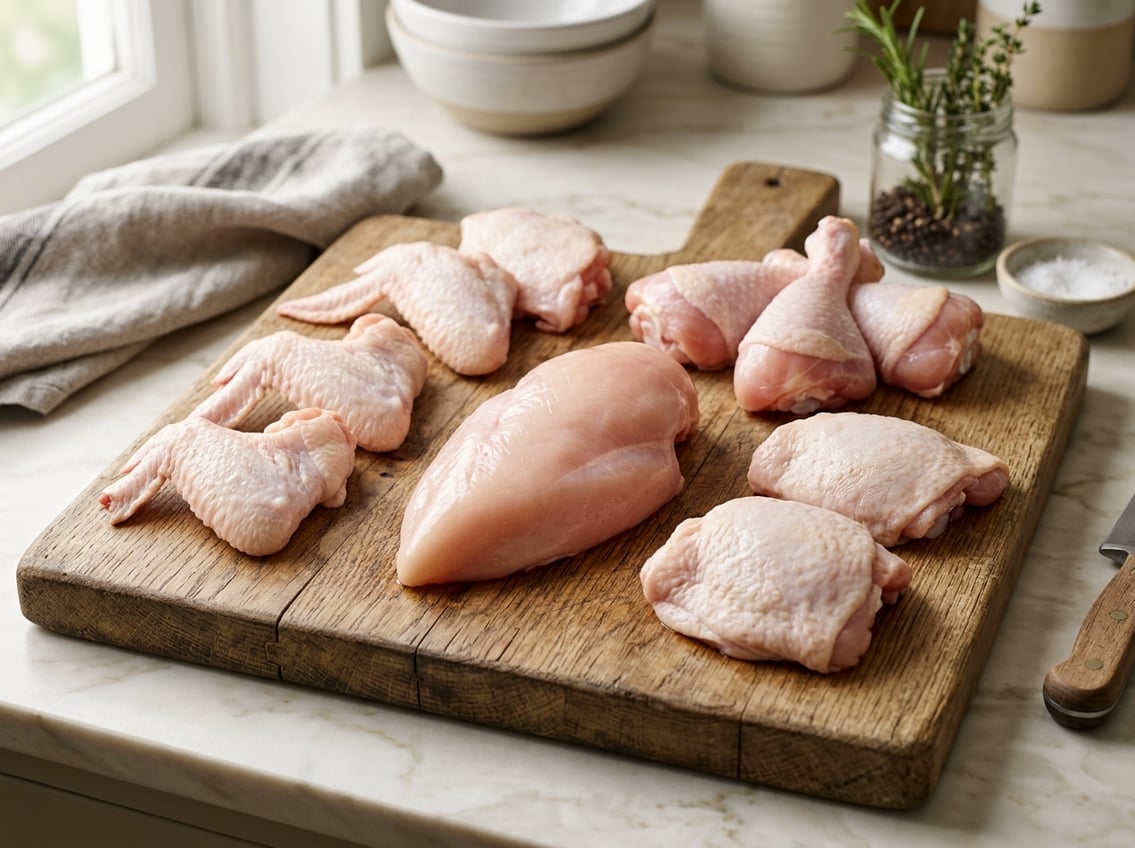
Chicken breast is usually the most expensive common cut because it is lean, popular, and easy to sell in boneless skinless form. Other cuts can give you more meat for less money if you are willing to cook differently.
If you want convenience, chicken breast may be worth it. If you want lower cost, thighs, ground chicken, or a whole bird can stretch your budget.
Chicken Breast Tenderloins and Thin-Sliced Options
Chicken breast tenderloins often cost more per pound than standard boneless skinless chicken breasts. They are smaller, more limited in number, and sold for fast cooking.
Thin-sliced chicken breast can also carry a higher price because the store already did part of the prep work. You pay for convenience as much as for the meat itself.
Chicken Thighs and Ground Chicken as Lower-Cost Alternatives
Chicken thighs usually cost less than boneless skinless chicken breasts and give you more flavor. Ground chicken can also be cheaper, depending on the brand and fat level.
These options work well when you want lower prices without giving up chicken. They are common swaps in tacos, stir-fries, soups, and casseroles.
Whole Chicken Value Versus Boneless Cuts
A whole chicken is often the best value per pound. You pay less for the bird, then split it into breasts, thighs, wings, and broth.
That value comes with more prep time. If you want boneless skinless chicken breasts only, you pay for the work of cutting and trimming.
How to Get Better Value on Every Purchase
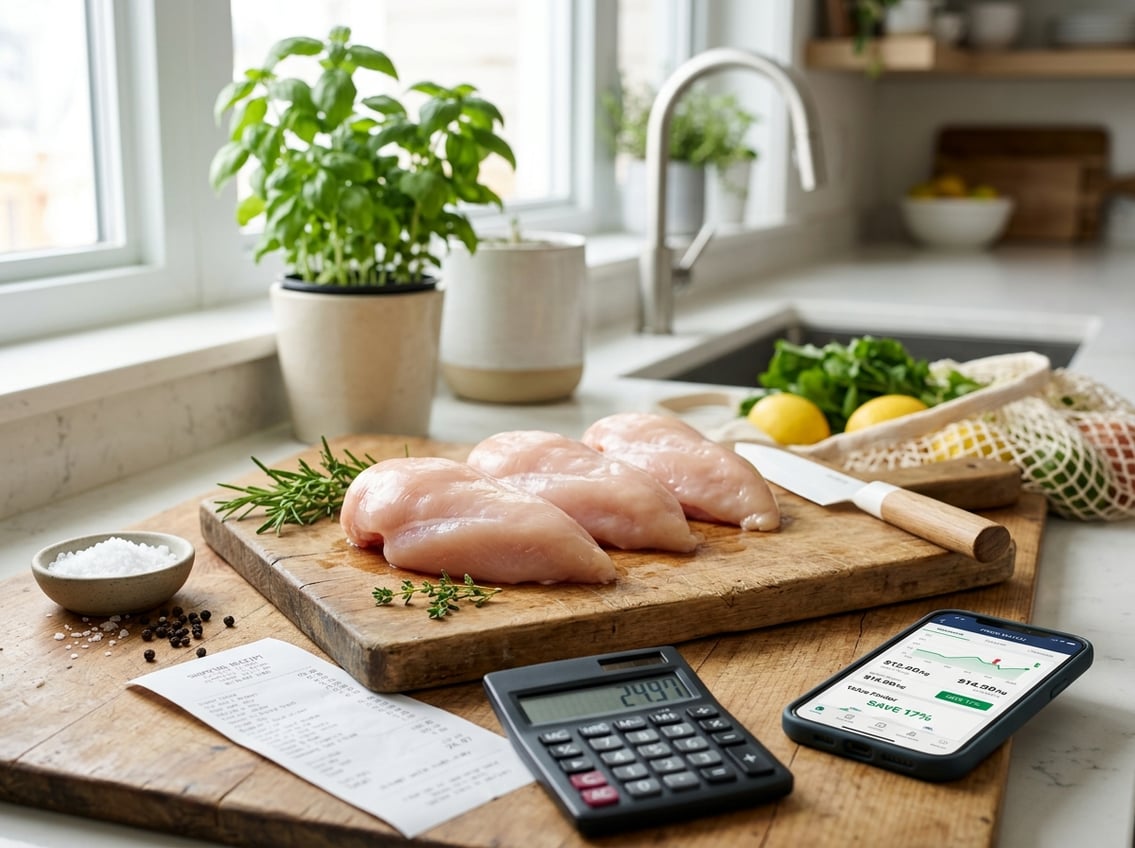
You can lower your chicken breast price without changing your meals much. The biggest savings usually come from store brands, sales, and careful unit-price comparison.
It also helps to think in servings, not just pounds. A cheaper package is not a better deal if it gives you less usable meat.
When Store Brands and Sales Offer the Best Deals
Store brands like Great Value often compete well on price, especially during weekly promotions. A store-brand fresh or frozen pack can be a smart buy if the date is good and the package size fits your needs.
Watch for sale tags tied to meal holidays or weekend ad cycles. Retailers may also mark down meat near the sell-by date, and that can be a real deal if you cook or freeze it soon.
How to Judge Cost by Serving Size Instead of Sticker Price
The lowest sticker price is not always the lowest cost per meal. A package with more water weight, more trimming, or smaller pieces may not stretch as far.
Compare cost per pound and then estimate how many cooked servings you will get. Tools like a chicken cost calculator can help you think in true serving cost instead of shelf price alone.
When Paying More Makes Sense for Convenience or Quality
Sometimes a higher chicken breast price is worth it.
Pre-cut, thin-sliced, or individually wrapped packs save time and reduce prep.
You may also choose to pay more for organic or natural chicken if those labels matter to you.
If you value specific feed standards or freshness guarantees from a preferred grocery store, the added cost may fit your budget and routine.


