
How Is Chicken Breast Processed? Steps, Labels, and What Counts
Chicken breast processing depends on what happens to it after slaughter and before you cook it.
A plain fresh or frozen breast is usually a minimally handled cut of meat.
A breast that has been injected, seasoned, breaded, cured, or turned into a ready-to-eat item is more clearly processed.
If you want to know how chicken breast is processed, check the physical steps, the ingredient list, and the label claims. These details show whether you are buying a simple cut or a more altered product.
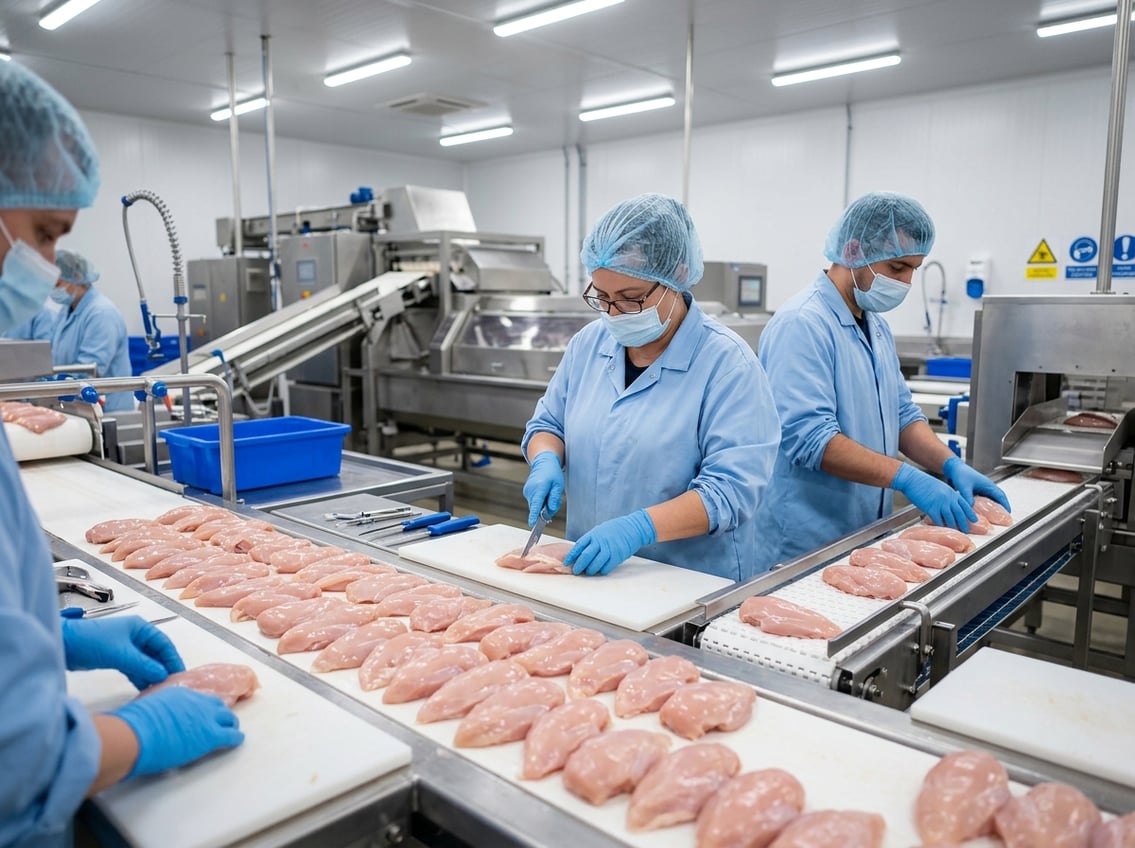
In the U.S., chicken breast moves through a tightly controlled poultry system. The industry focuses on food safety, sanitation, and accurate labeling.
USDA inspection rules cover most meat and poultry products. FDA rules apply to certain ingredients and additives used in processing.
What Happens to Chicken Breast Before It Reaches Stores
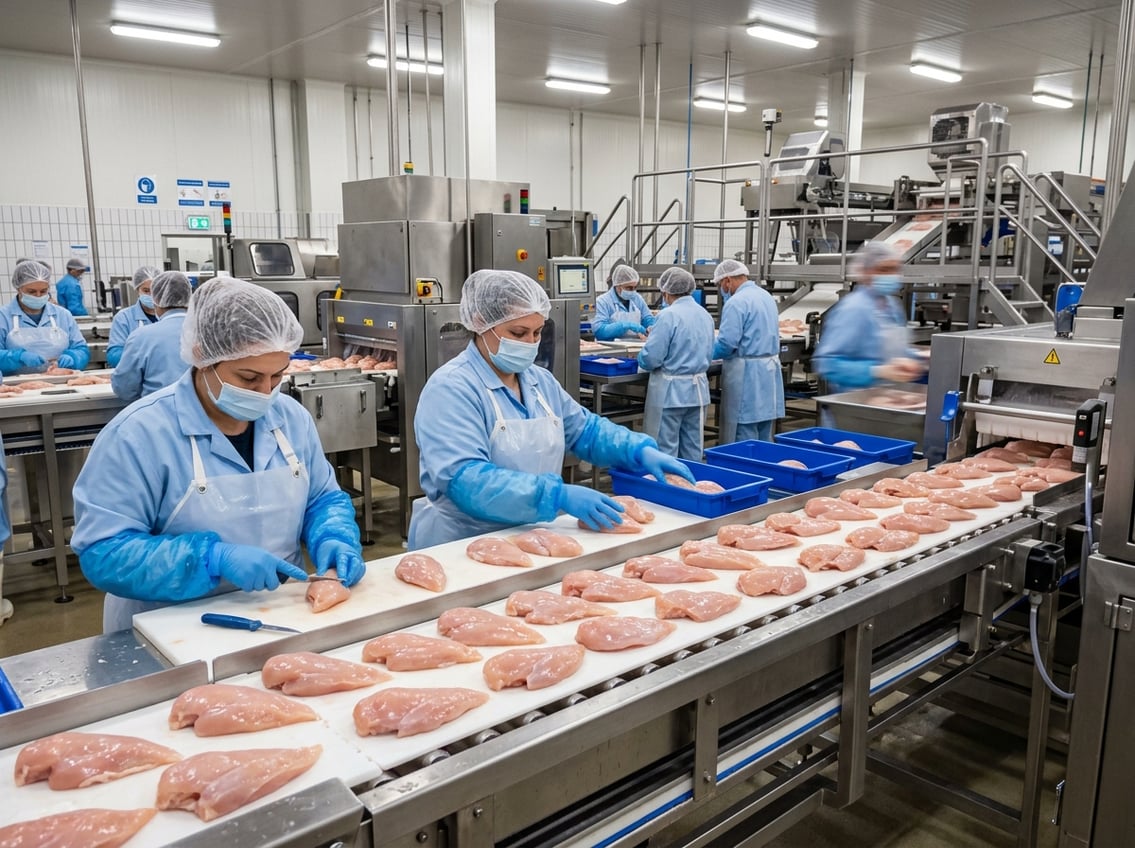
Before chicken breast reaches a store, it usually passes through several processing steps that turn a live bird into a chilled, market-ready product.
These steps can stay minimal or lead to further cutting and packaging that change the final product.
From Slaughtering to Chilling
In commercial poultry processing, workers first stun the bird, then slaughter and bleed it. They move the bird through scalding and defeathering before removing the internal organs.
After that, they wash and cool the chicken carcass to bring the temperature down fast. This step helps food safety and slows bacterial growth.
That early stage is not the same as making a processed chicken product. It is the basic conversion from live bird to edible meat, and it follows standard procedures in U.S. chicken processing plants under USDA oversight.
Cutting, Deboning, and Trimming
Once the carcass is chilled, workers or machines cut it into parts or separate out boneless chicken breast.
They may debone by hand or use machines, depending on the plant and product type.
Trimming removes skin, fat, cartilage, or uneven edges to make the breast portion uniform.
A whole breast or trimmed boneless breast remains a simple meat cut if no extra ingredients are added.
Cleaning, Washing, and Packaging
Plants use cleaning and sanitation steps to reduce contamination risks during handling.
Workers may wash the meat, then pack it in trays, vacuum packs, or sealed bags for shipment.
Packaging itself does not always mean heavy processing.
A plain package of boneless chicken breast that lists only chicken breast is different from one that includes water, salt, or sodium phosphate on the ingredient list, as noted in guidance on identifying processed chicken.
When Basic Handling Becomes Further Processing

A plain cut becomes processed chicken once you add ingredients or alter the meat in a way that changes taste, texture, or shelf life.
The label often tells you more than the front of the package.
Why Plain Fresh or Frozen Cuts Are Usually Not Processed Meat
Fresh or frozen chicken breast that is simply cut and packaged is usually not considered processed meat.
It is still close to its natural form and usually has a short ingredient list, sometimes just one item: chicken breast.
That differs from processed meat products that have been cured, smoked, flavored, or preserved.
A free-range label refers to how the bird was raised, not whether the breast is processed.
How Marinades, Brines, and Additives Change the Product
A marinated or brined breast is more processed because it contains a solution.
Common additions include salt, sodium phosphate, and other ingredients that help with moisture retention, tenderness, or shelf life.
If the package lists added water, sodium, or other solutions, you are not looking at a plain cut.
The ingredient list and nutrition panel often show higher sodium in these products, which can matter for your diet.
What Curing, Smoking, and Preservatives Signal on the Label
Curing and smoking are stronger signs of processing because they change the meat for preservation and flavor.
Ingredients such as sodium nitrite and nitrates are common in cured poultry products, and preservatives can also extend shelf life.
If a package is labeled ready-to-eat, it has already been made safe for direct eating after processing.
That puts it in a different category from raw chicken breast that you still need to cook.
Chicken Breast Products That Are Clearly More Processed
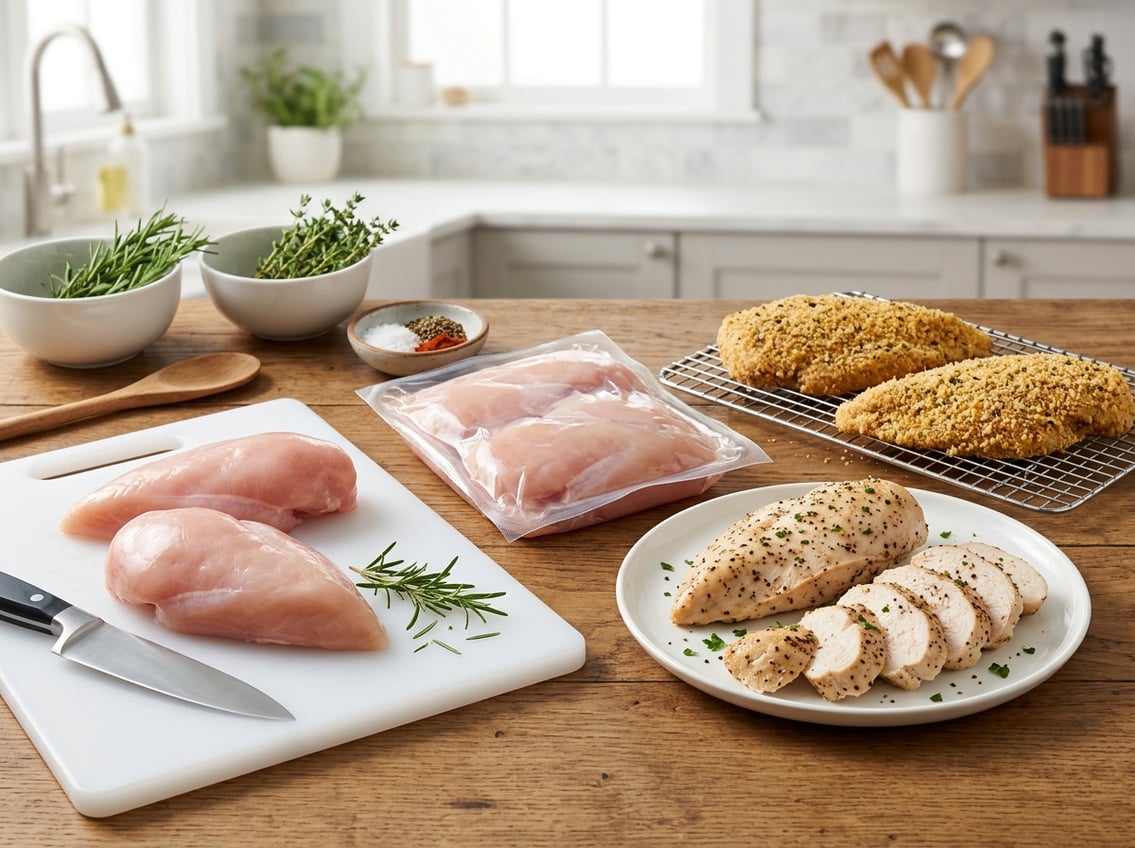
Some chicken items are clearly more processed because they are reshaped, mixed with other ingredients, or cooked before sale.
These products often have longer ingredient lists and higher sodium than plain raw chicken breast.
Breaded and Formed Items Like Nuggets and Boneless Wings
Chicken nuggets and breaded chicken are made by coating or shaping meat into a new form.
They may include binders, starches, flavorings, and added salt, making them more processed than a simple breast fillet.
Boneless wings and similar products can start from chicken breast or other chicken meat, then be shaped, breaded, and pre-cooked.
These are processed chicken products even when the package uses simple-sounding marketing terms.
Ground and Emulsified Products Like Sausage and Frankfurters
Ground chicken is more processed than a whole breast because workers chop the meat and often mix it with seasonings or binders.
Chicken sausage, chicken frankfurter, and similar items are usually emulsified or reworked into a new structure.
Products like chicken bologna, chicken ham, hot dogs, and other cold cuts are even farther from the original breast cut.
Some may also use meat from the chicken carcass or combine different parts for texture and cost control.
Deli Meats and Other Ready-to-Eat Poultry Options
Ready-to-eat sliced chicken breast, deli meat, and similar products are processed because they are cooked, seasoned, and packaged for direct use.
These items often have preservatives and higher sodium, and some may use additives that affect color and moisture.
If you compare labels, the plainest option is usually the one with the shortest ingredient list.
Once you see multiple ingredients or a product name like bacon-style poultry, you are dealing with a much more processed item.
Health, Safety, and Shopping Considerations
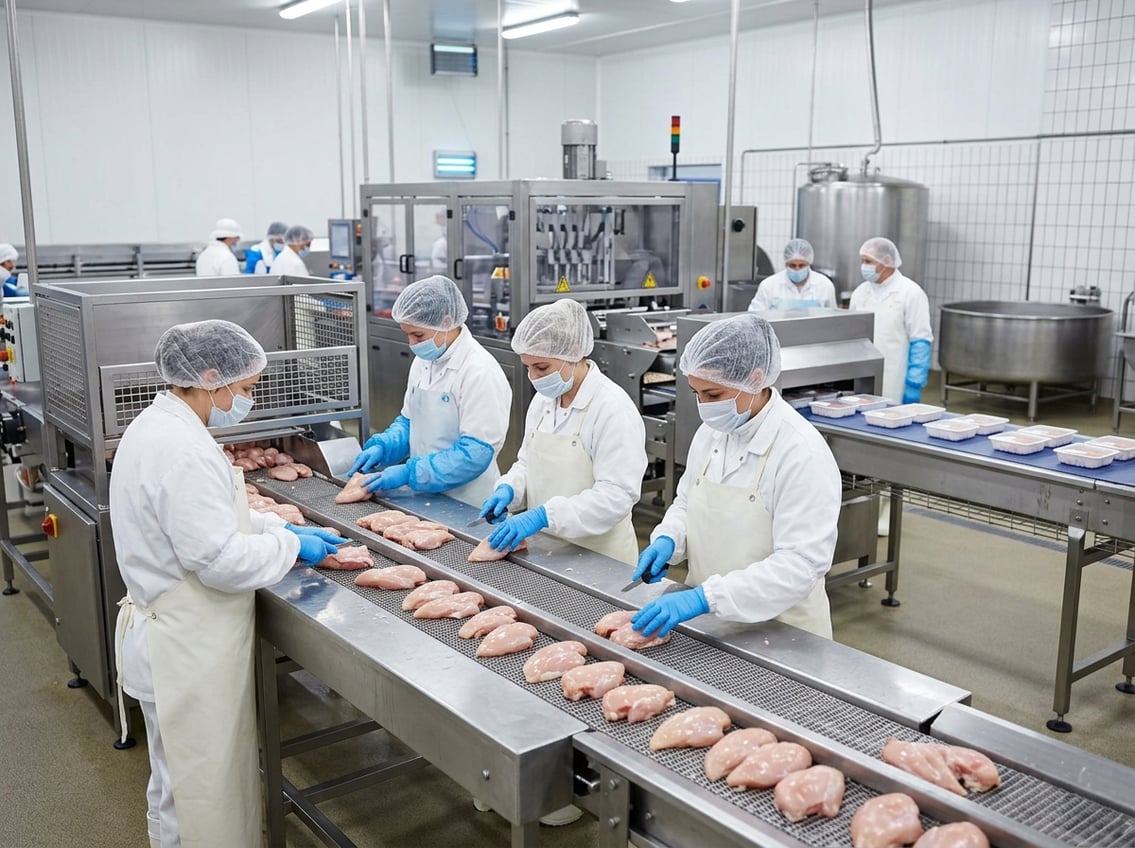
Your shopping choice affects nutrition, food safety, and how much handling the chicken received.
The label can help you balance convenience with a simpler ingredient profile.
How Sodium, Preservatives, and Fat Affect Nutrition
Processed chicken often contains more sodium because of brines, marinades, and preservatives such as sodium phosphate or sodium nitrite.
That can raise the salt level much more than plain chicken breast.
Some processed chicken products also contain more saturated fat, especially breaded or sausage-style items.
If you want a lighter option, plain fresh or frozen breast usually gives you the simplest nutrition profile.
What Food Safety Rules Aim to Prevent
Food safety rules aim to reduce risks from salmonella and campylobacter, two common poultry-related bacteria.
USDA inspection and FDA ingredient rules help keep processing sanitary and labeling accurate.
Chicken processing also addresses antibiotics, contamination control, and cold storage.
A well-run plant washes, chills, packages cleanly, and controls temperature to lower risk from raw poultry.
How to Choose the Least Processed Option
Check the ingredient list first. The simplest product usually lists only chicken breast.
Processed items list water, salt, phosphates, or preservatives. You can also compare shelf life.
A longer shelf life often means more processing. A short shelf life often points to a more basic cut.
If sustainability matters to you, weigh water usage and energy consumption in poultry processing. Claims like free-range speak to raising conditions more than processing level.


