
How Do Chicken Breasts Get So Big? The Real Reasons
How do chicken breasts get so big? The short answer is that modern broilers have been bred and raised to put far more energy into breast muscle than older broiler chickens did.
That change comes from poultry science, selective breeding, faster growth, and feeding programs built around measurable data.
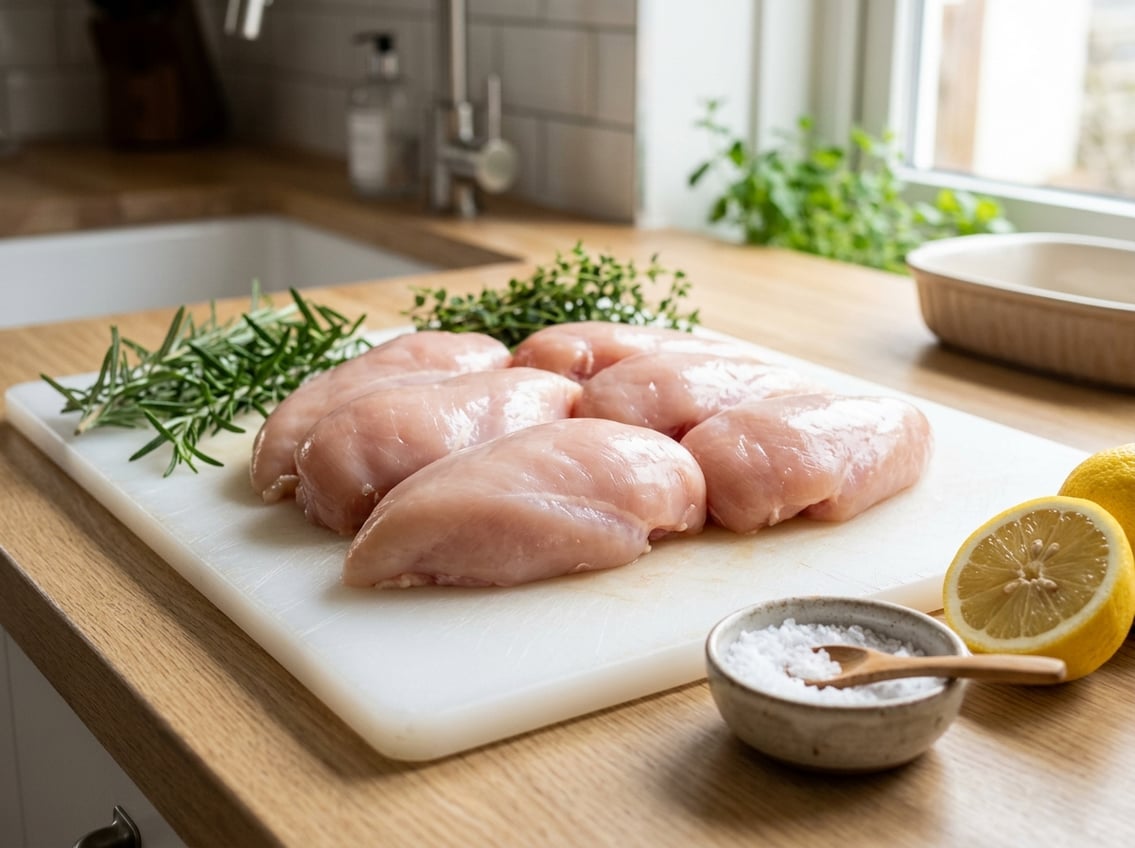
If you keep seeing oversized chicken breasts in stores, breeders have selected for fast growth and high breast yield, not hormones or injections.
Modern chicken is very different from the birds your grandparents may have bought.
The goal in commercial poultry is to raise birds that reach market weight quickly and produce more meat from each bird.
That makes the breast, which is the most valuable cut for many buyers, much larger than it used to be.
The Main Reason Modern Chicken Breasts Are Larger
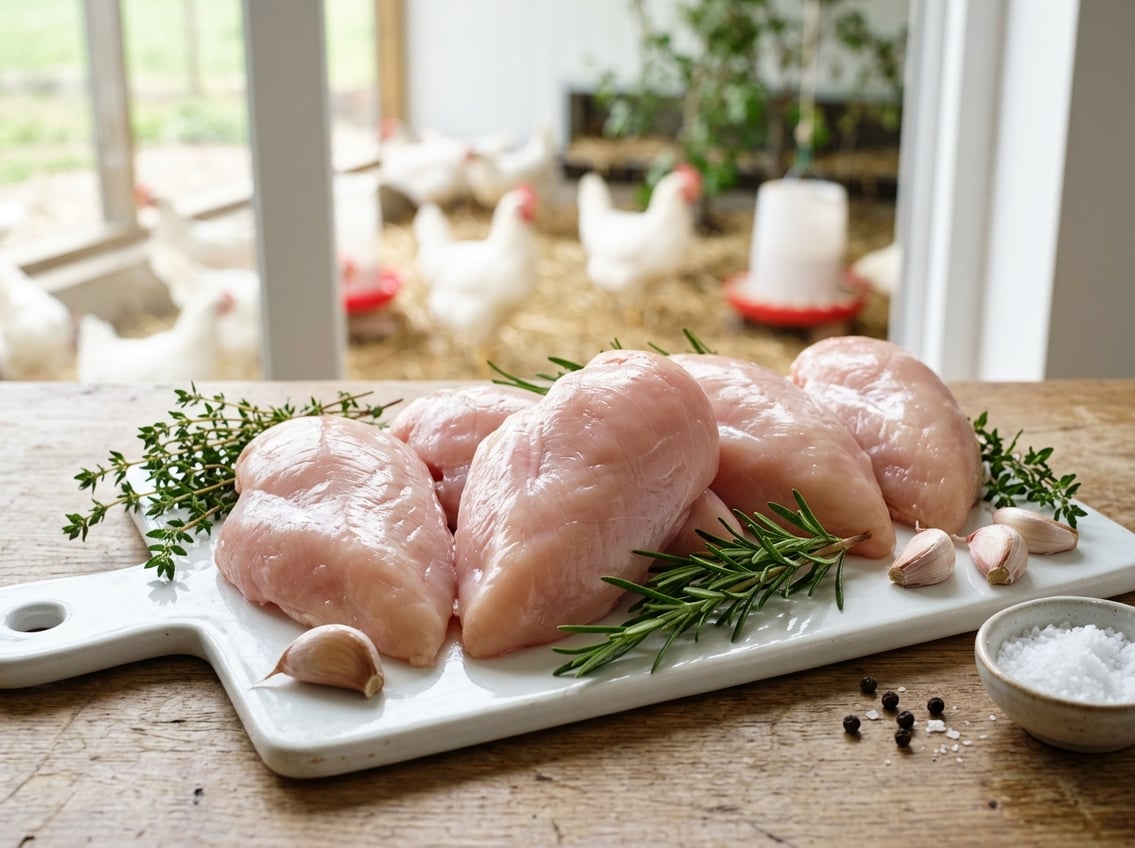
Selective breeding makes modern chicken breasts so large.
Poultry companies have spent decades choosing birds that grow faster, eat efficiently, and produce more breast meat per pound of live weight.
That is why today’s broilers look so different from older farm chickens.
This change relies on data from breeding and production programs.
Birds that reach market weight sooner and convert feed into meat more efficiently are more profitable, so breeders keep and strengthen those traits over generations.
A good overview of this shift appears in Chicken Check In’s explanation of supersized chickens, which notes that modern chickens grow much faster than older types.
Selective Breeding for Breast Yield
Breeders focus on traits that matter in meat production, especially breast muscle size, growth rate, and feed efficiency.
Over time, breeders have pushed more of the bird’s growth into the breast area.
You are seeing the result of many generations of selection for more breast meat.
How Broilers Grow Faster Than Older Breeds
Older chickens often grew more slowly and were raised for mixed farm use, not just meat.
Today’s broiler chickens are built to reach market size in a short time.
That fast growth changes how the bird develops, and the breast becomes much larger relative to the rest of the body.
Nutrition, Feed Efficiency, and Bird Management
Feed is designed to match the bird’s stage of growth, with balanced protein, amino acids, and energy.
Better feed efficiency means more of what the bird eats becomes muscle.
Management also matters, since temperature, lighting, space, and health care all affect growth and final breast size.
Why It Is Not About Hormone Injections
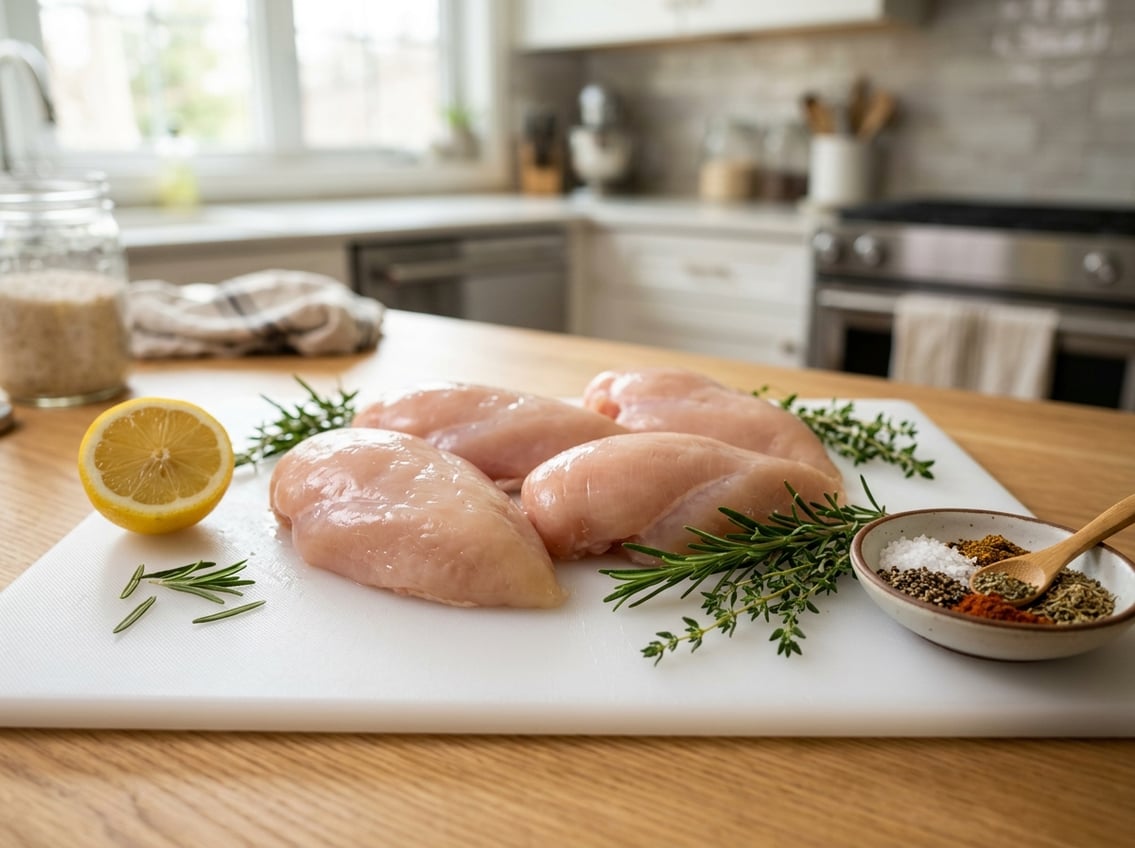
When people ask about hormones in chicken, they usually react to how much larger modern birds look.
The idea that chicken is pumped full of hormones sounds plausible, but U.S. poultry producers do not use hormones.
The real growth story comes from breeding, feed, and management.
Hormones in Chicken: What Shoppers Usually Mean
People see a huge breast and assume it must have been altered with drugs.
That assumption is common, but it does not match how commercial poultry is produced.
Are Chickens Injected With Hormones?
Producers in the United States do not inject chickens with hormones.
Poultry production does not use hormone injections to speed growth, as explained in an industry article on poultry growth without hormones.
What Laws and Compliance Standards Require
Federal rules do not allow hormones or steroids in poultry production, and companies must follow strict compliance standards.
The USDA and FDA framework keeps poultry production within approved methods, not hormone treatment.
Processing, Labeling, and Why Store-Pack Chicken Can Look Bigger
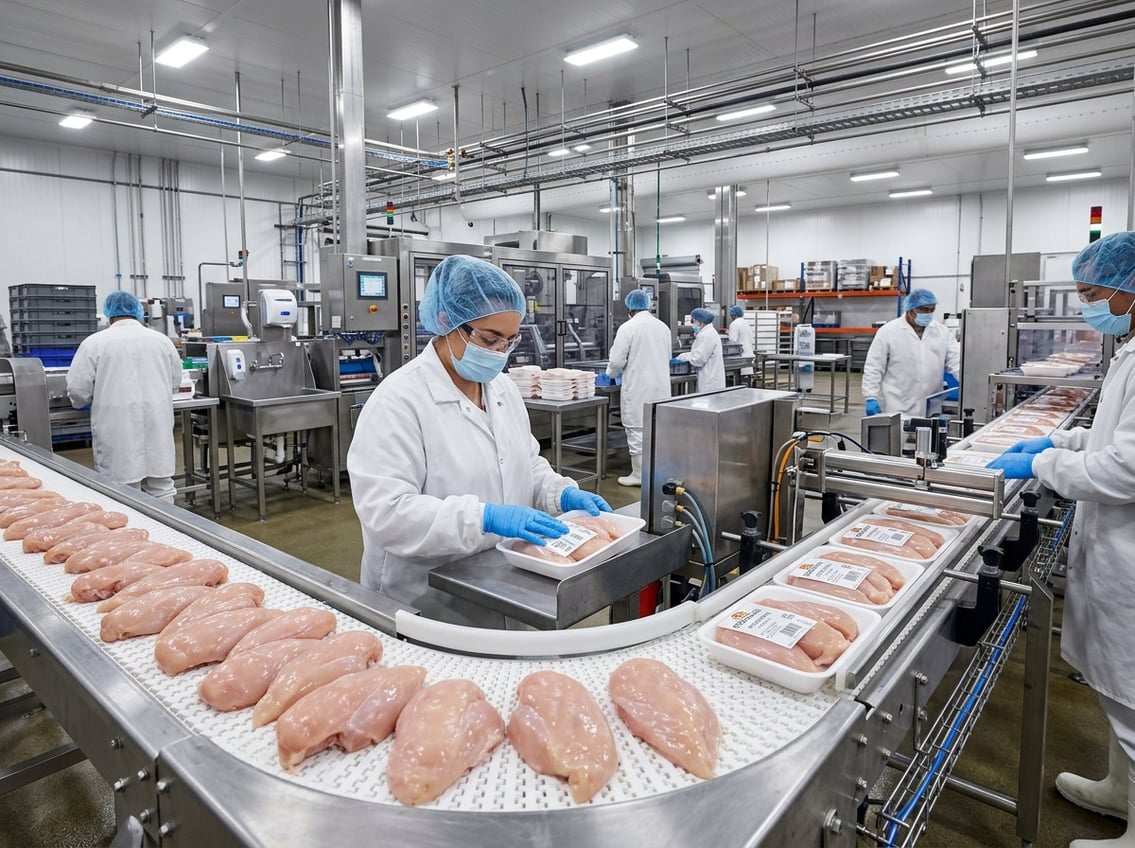
What you see in the package is not always what the live bird looked like.
Processing can change shape, moisture content, and the way a cut appears in the tray.
Labels also matter, because some products are sold with solutions that make them seem plumper.
Processing and packaging cannot create giant breasts from small birds, but they can make a breast look fuller and heavier.
The label, cut style, and added liquid all affect appearance.
That is why one package can look much bigger than another even when the birds were similar in size.
Natural Size Versus Added Solutions
Some chicken is sold plain, while other products are treated with added solutions.
Those solutions are not the same as hormones, and they do not change the bird’s biology.
They can change the weight and feel of the meat in the package.
Water, Salt, and Enhanced Poultry Labels
If a package says it is “enhanced,” it usually means salt, water, or flavoring has been added.
That can increase juiciness and weight.
It can also make the breast look thicker, which adds to the idea that the chicken is bigger than it really is.
How Packaging and Cut Style Affect Appearance
A tightly packed tray can make a breast seem larger than it is.
Boneless, skinless breasts also look bigger because the shape is smooth and uniform.
Whole birds or bone-in cuts often look smaller in comparison, even when the actual amount of meat is similar.
What Bigger Breasts Mean for Health and Quality
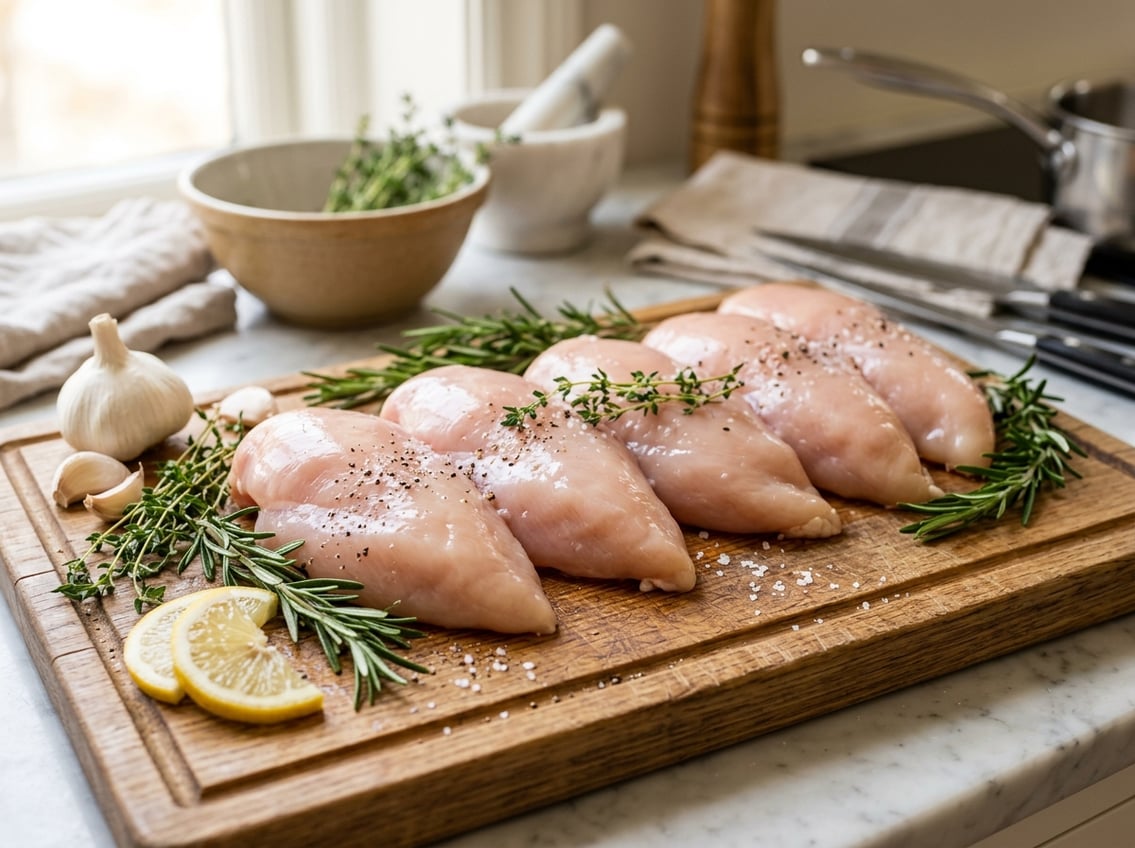
Large breasts are not automatically unhealthy, but they can affect texture, cooking, and portion size.
More meat per bird can mean more efficiency, but it can also create quality issues in some broiler chickens.
Poultry science looks at both yield and eating quality.
Are Big Chicken Breasts Healthy?
If you are asking if big chicken breasts are healthy, the answer depends on how you prepare and eat them.
Chicken breast is still lean protein, which can fit many diets.
The larger concern is portion size, since a very large breast can contain more calories and sodium if it is enhanced.
Lean Protein Benefits Versus Portion Size
Chicken breast offers a lot of protein with little fat, which is one reason it is popular.
You still need to watch serving size, especially if you are eating restaurant portions or packaged products with added salt.
Bigger pieces can quietly push a meal beyond the amount you planned.
Texture Issues Like Woody Breast and White Striping
Very fast growth can cause texture problems such as woody breast and white striping.
These are quality issues, not food safety issues. Birds bred for rapid growth show these problems more often.
A recent discussion of these poultry genetics problems appears in coverage of modern chicken growth and breast texture.


