
What Does Chicken Breast Mean? Definition and Uses
You may see the term what does chicken breast mean on a menu, grocery label, or recipe. It usually refers to the white meat cut from the front chest area of a chicken.
In cooking, the term most often means the two large breast muscles, which are sold as one whole piece or split into halves.
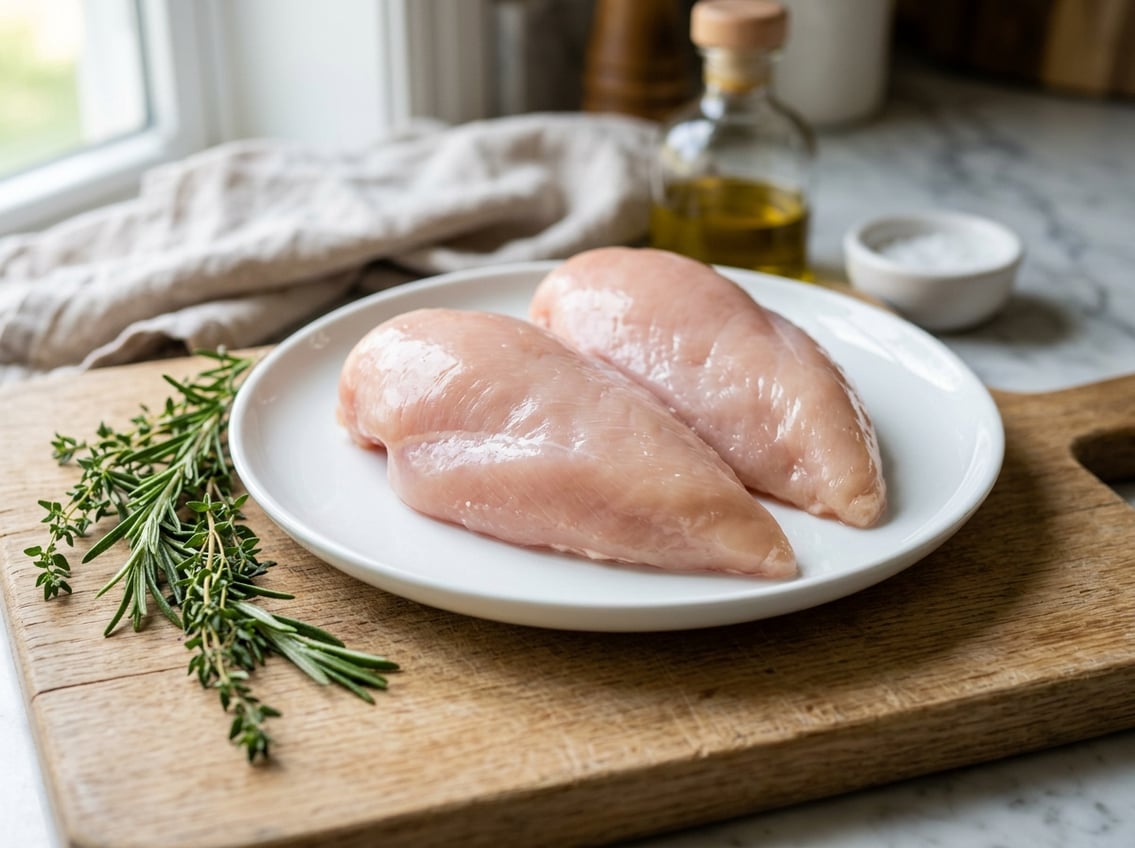
If you know what chicken breast means, you can buy the right cut and cook it the right way. This helps avoid confusion between breasts, tenderloins, cutlets, and split breasts.
Chicken breast is popular because it is lean, mild in flavor, and easy to use in many meals. Recipes may call for “chicken breast” even when the package label uses a slightly different term.
A clear definition helps you shop and cook with more confidence.
The Exact Meaning of the Term
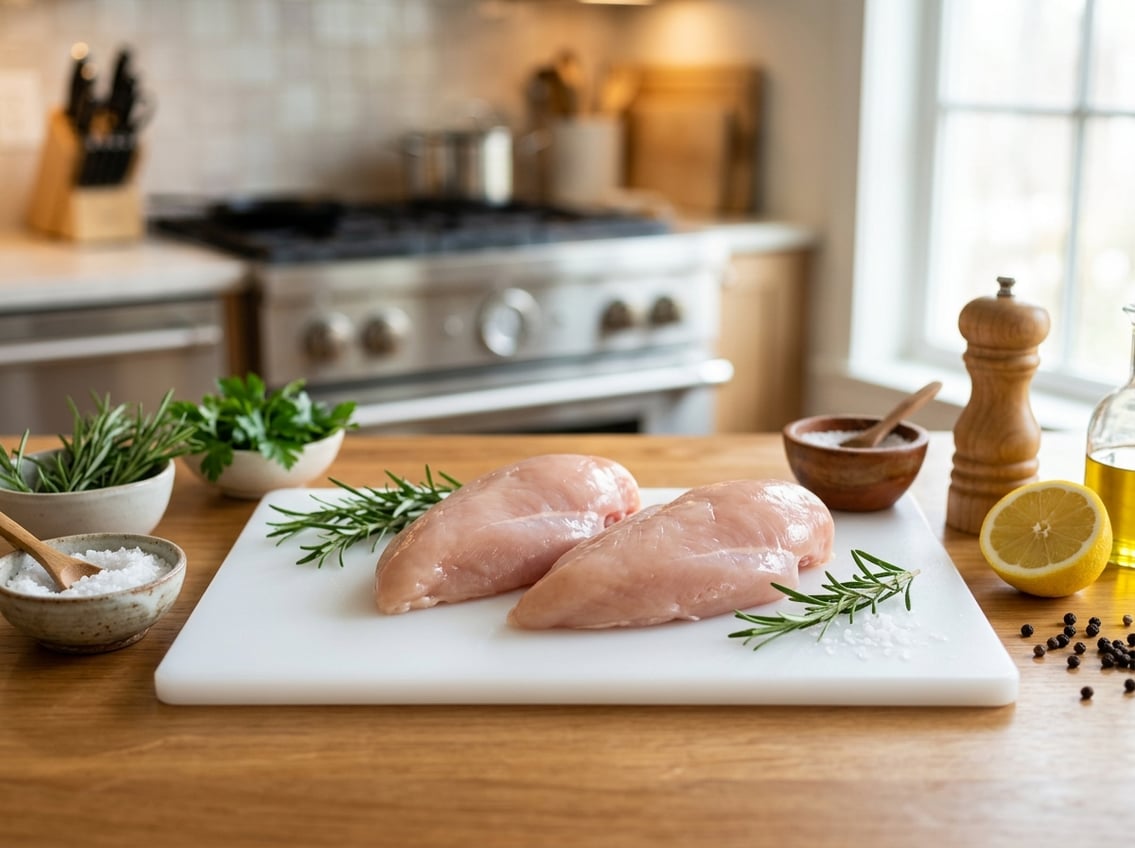
Chicken breast means the meat from the front of the bird, mainly the large pectoralis major muscle. In food terms, it usually refers to the most familiar white-meat cut sold in U.S. grocery stores and used in home cooking.
The exact label can vary by store and butcher. A recipe asking for chicken breast may mean a boneless piece, a bone-in piece, or one half of a split breast.
How the Cut Is Defined in Cooking
In cooking, chicken breast is the meaty portion from the chest of the bird, not the wing, thigh, or leg. The term is about the cut you cook, not the entire chicken.
According to Chef’s Resource, stores commonly sell the breast boneless and skinless, though other forms exist. Most recipes use this practical kitchen meaning.
Where It Comes From on the Bird
The chicken breast comes from the front chest area, where the two large breast muscles sit on either side of the breastbone. These muscles do most of the work involved in wing movement.
The breast is one of the largest and most familiar parts of the bird. It is also the part most people mean when they say “white meat.”
Why Recipes Usually Mean One Half
When a recipe says “a chicken breast,” it often means one half of the breast, not the whole breast from both sides of the bird. Grocery stores commonly sell each side separately.
Package labels may say “chicken breasts” even when the package contains two pieces. In everyday cooking, one piece usually equals one serving unless the recipe says otherwise.
How Chicken Breast Is Sold and Labeled
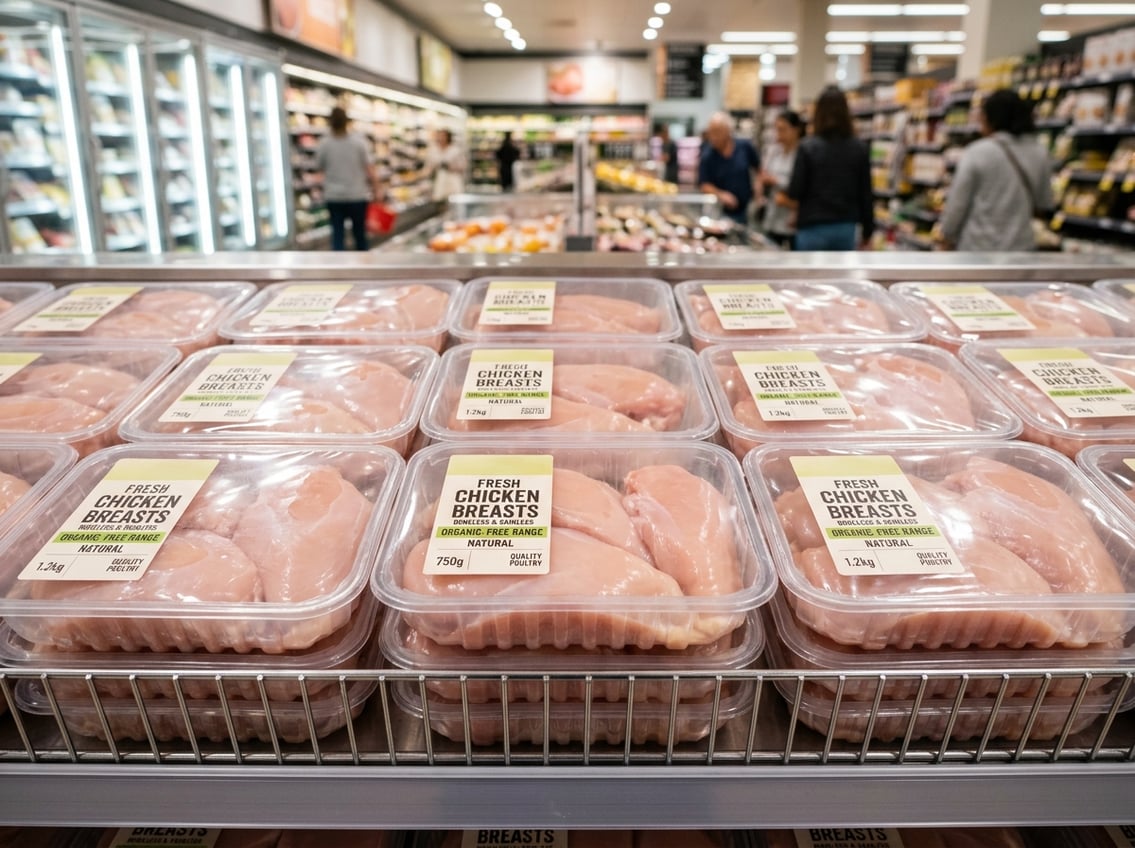
Stores sell chicken breast in several forms, and the label tells you a lot about how it will cook. The main differences are size, bone, skin, and how the breast has been cut.
You may see plain chicken breasts, split breasts, boneless options, or skinless chicken breast packages. Each label changes flavor, texture, and cooking time.
Whole Breasts, Halves, and Split Breasts
A whole breast refers to the full breast section from one side of the chicken, while a half breast is one of the two sides you usually buy at the store. A split breast is a breast that still has the bone and may include some skin.
Split chicken breast usually cooks more slowly than boneless meat. It often stays juicier and works well for roasting or grilling when you want more flavor.
Boneless Versus Bone-In Options
Boneless chicken breasts are easier to slice, stuff, and cook quickly. They are the most common choice for weeknight meals.
Bone-in chicken breast usually has more flavor and can stay moister during cooking. Bone-in can be a strong choice, especially for roasting.
Skin-On Versus Skinless Cuts
Skin-on chicken breast keeps more moisture and can brown better in the pan or oven. The skin also adds fat and flavor.
Skinless chicken breast is the usual choice for lighter meals and fast cooking. Labels in the U.S. often highlight skinless chicken breast because it is simple to use and easier to portion.
Chicken Breast Compared With Similar Cuts
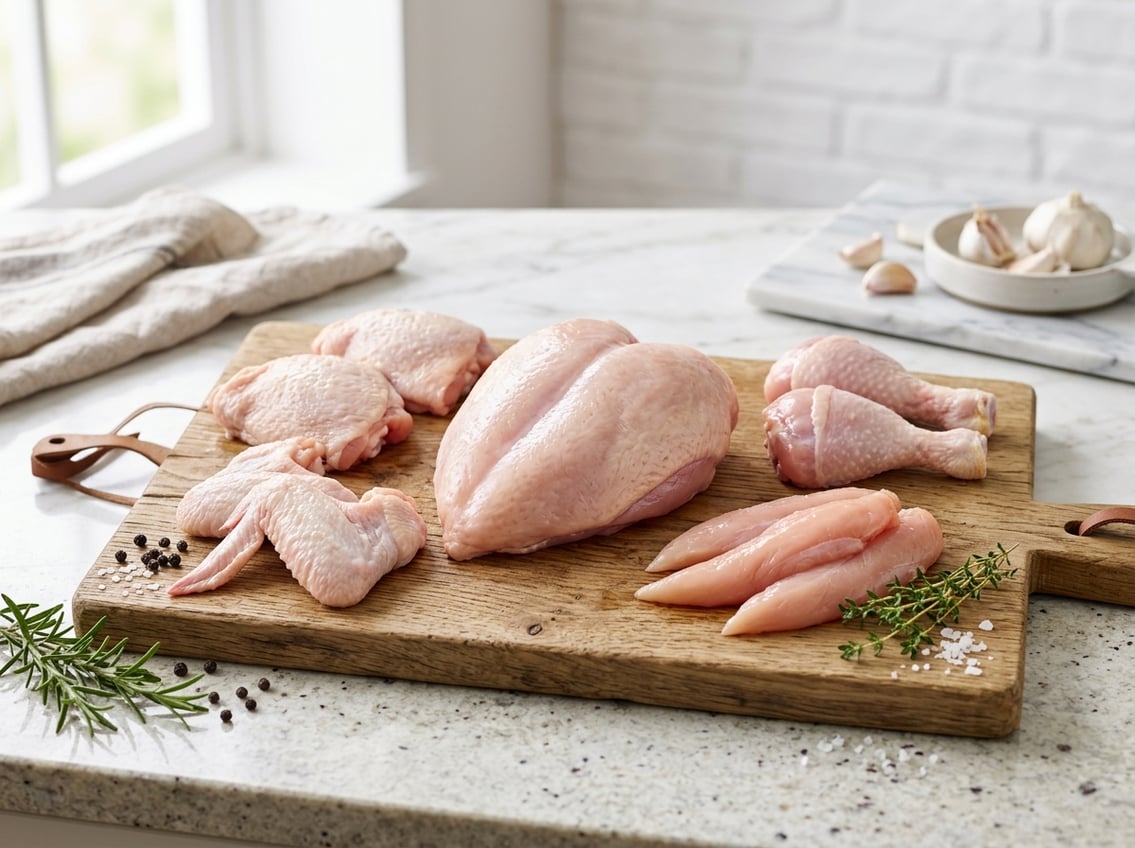
Chicken breast is easy to confuse with cutlets and tenderloins because all three are white meat and cook quickly. The main differences are shape, thickness, and where each cut comes from.
Those differences matter in recipes like chicken parmesan, where even cooking and texture affect the final dish.
Cutlets Versus Breasts
A chicken cutlet is usually a chicken breast that has been sliced or pounded thinner. A breast is the larger original cut before it is flattened.
Cutlets cook faster than whole breasts, so they are useful when you want quick browning or a thin, even result. They work well in breaded dishes and pan-fried meals.
Chicken Tenderloins and Chicken Tenderloin Explained
Chicken tenderloins are a small strip of meat beneath the breast, and chicken tenderloin is the singular term for one piece. They are not the same as the main breast muscle.
Tenderloins are softer and smaller, so they cook very fast. You can swap them into many recipes that call for chicken breast, as long as you adjust the cooking time.
When Each Cut Works Best in Recipes
Use whole chicken breast when you want a full portion for grilling, baking, or slicing. Use cutlets when you need fast, even cooking.
Use tenderloins for stir-fries, quick sautés, and kid-friendly meals. For dishes like chicken parmesan, both cutlets and breasts can work, depending on the thickness you want.
Nutrition, Cooking Uses, and Common Misunderstandings
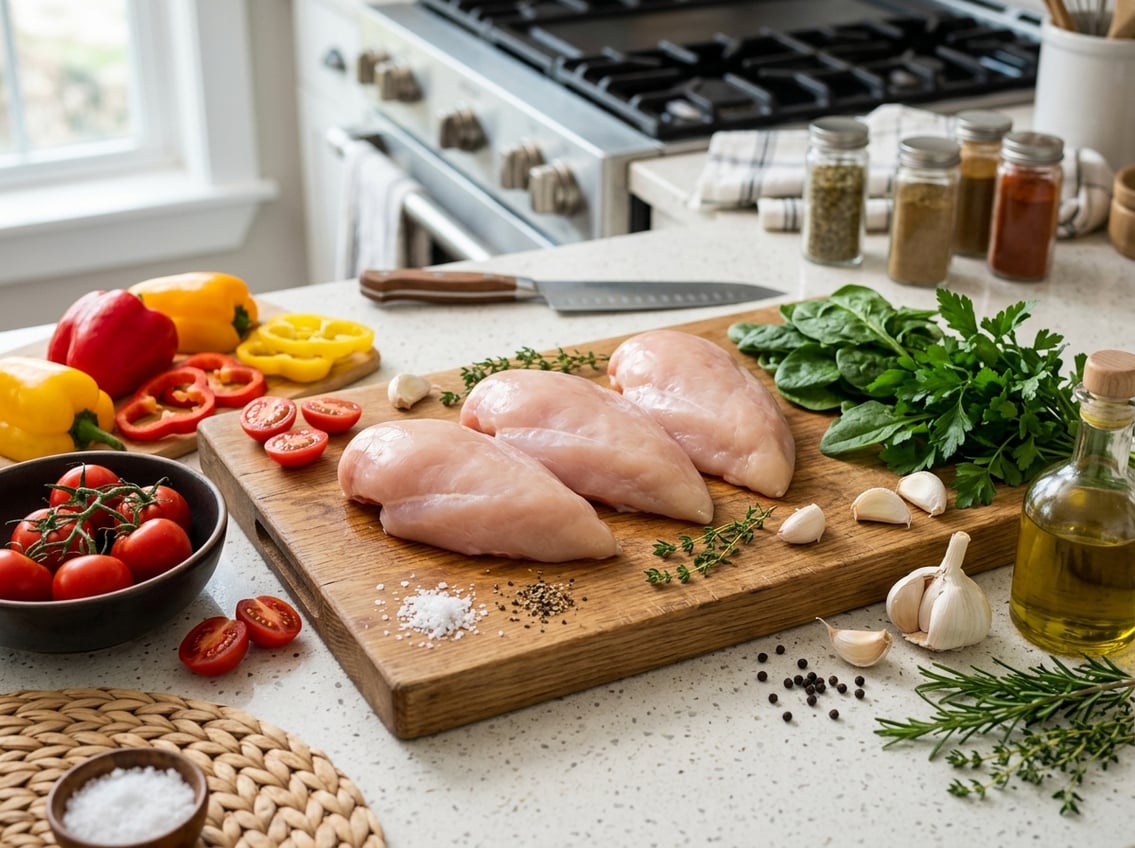
Many people use chicken breast because it is high in protein and low in fat, especially when skinless. It is also one of the most flexible cuts for home cooking.
The term can also cause confusion with other uses of the word “breast,” including animal anatomy in other species. Clear labels help you know exactly what you are buying.
Why It Is Considered a Lean Protein
Skinless chicken breast is often called a lean protein because it has a high protein-to-fat ratio. That makes it useful for meals where you want filling protein without much added fat.
A standard serving is about 3.5 ounces, according to the National Chicken Council. Nutrients vary by cut and cooking method, as noted by Chef’s Resource.
Popular Ways to Cook It Well
You can keep chicken breast juicy by avoiding overcooking. Baking, grilling, poaching, steaming, and stir-frying are common methods for skinless chicken breast.
A meat thermometer helps you avoid overcooking. Chicken breast should reach 165°F in the thickest part for safe eating, according to Ohio Poultry.
The Difference Between the Food Term and Pigeon Breast
In food language, chicken breast means the edible breast meat from a chicken.
It does not mean the chest in a medical or general body sense.
The phrase can also appear in other animal contexts, such as pigeon breast.
Pigeon breast refers to the breast area of a pigeon.


