
What Makes Chicken Breast Chewy: Causes and Fixes
You usually notice what makes chicken breast chewy when the meat feels dry, firm, or rubbery instead of moist and easy to bite through.
In most cases, heat, timing, or the quality of the meat cause the problem.
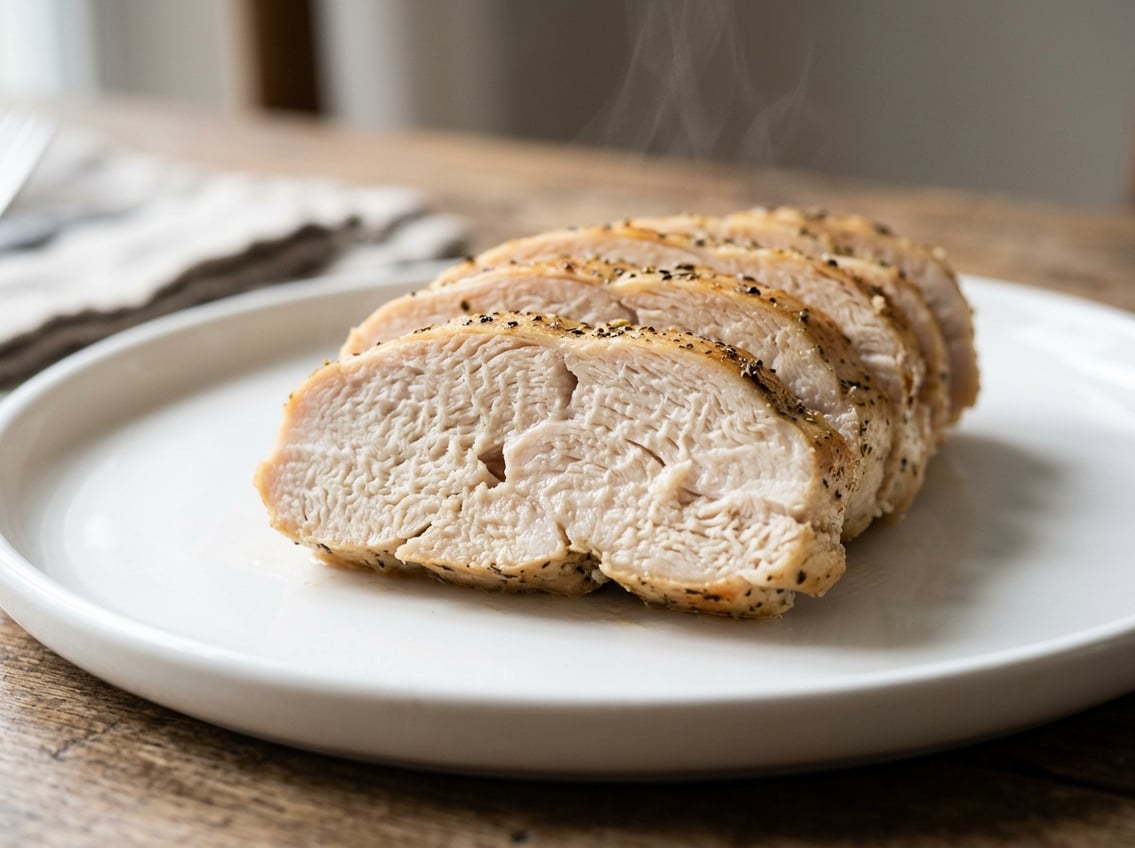
A few simple checks can help you cook more tender chicken breast next time and make an already tough piece easier to eat.
The Main Reasons Texture Goes Wrong
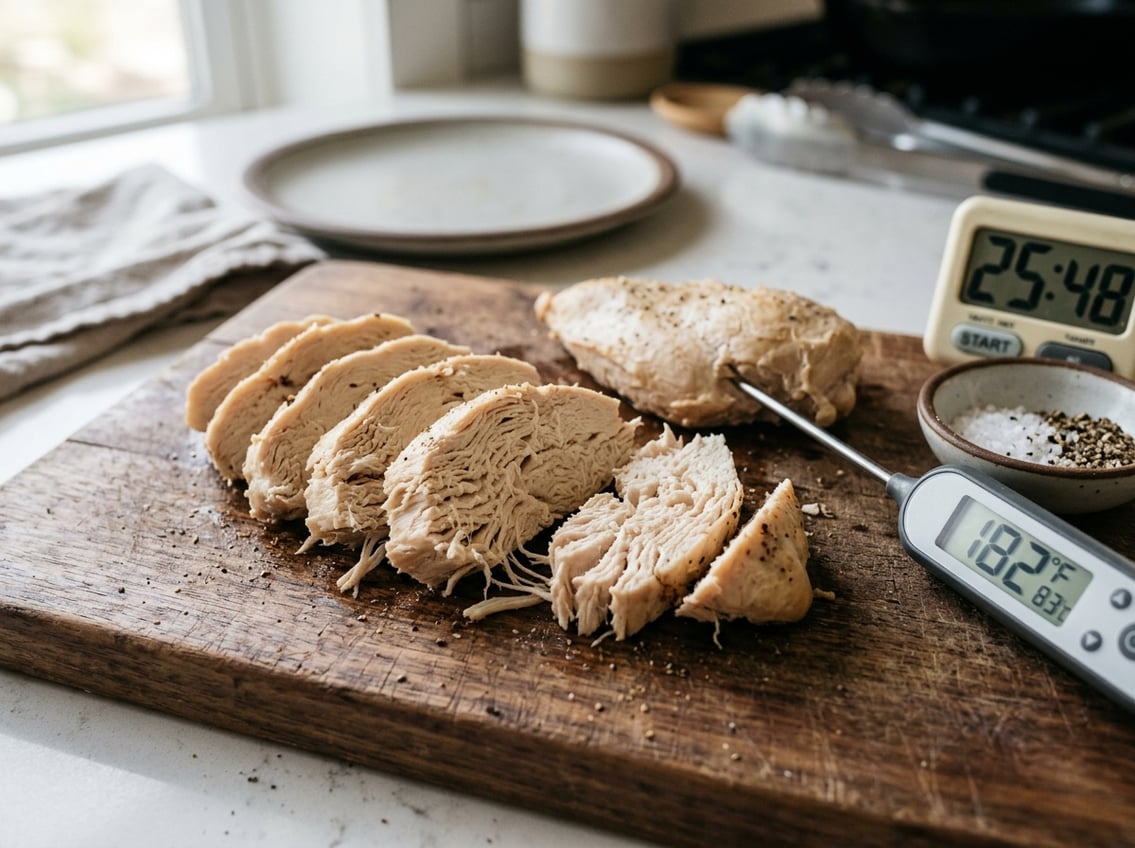
Chewy chicken usually comes from a few predictable causes.
The biggest clues are how much heat the meat got, how evenly it cooked, and whether the breast started out with good texture.
Overcooking and Moisture Loss
Overcooked chicken breast often causes chewiness.
As the meat gets too hot, the muscle fibers tighten and push out moisture, which leaves the chicken dry and firm.
Even a small gap between done and overdone can change chicken breast texture a lot, because moisture loss happens fast once the temperature climbs too high.
This is why chicken breast often turns from tender to tough in just a few extra minutes.
If you want tender chicken breast, control the final temperature instead of cooking it longer.
Undercooked Centers and Rubbery Bites
Undercooked chicken can feel rubbery in the middle even when the outside looks fine.
The center may stay pale, glossy, soft, or spongy, creating a slippery bite instead of a tender one.
A meat thermometer removes the guesswork, since the thickest part must reach a safe temperature.
A rubbery center comes from not finishing the cook, while dryness comes from overcooking.
Uneven Thickness and Heat Exposure
Chicken breasts are often thicker on one end than the other.
If you cook them as-is, the thin end can dry out before the thick end is done, leaving you with chewy chicken breast on one side and possibly undercooked chicken on the other.
Even thickness helps the whole piece cook at the same rate.
Butterflying or lightly pounding the breast often improves the final texture.
Woody Breast and Meat Quality Problems
Sometimes chewy chicken starts before you cook it.
A condition called woody breast can make some breasts feel firm, dense, or stringy even when cooked correctly.
Poor storage, handling, age, and general meat quality can also affect the result.
If the texture is tough every time, even with careful cooking, the chicken itself may be the problem.
A breast with poor muscle structure will not become truly tender just from extra heat.
How to Tell Which Issue You Have
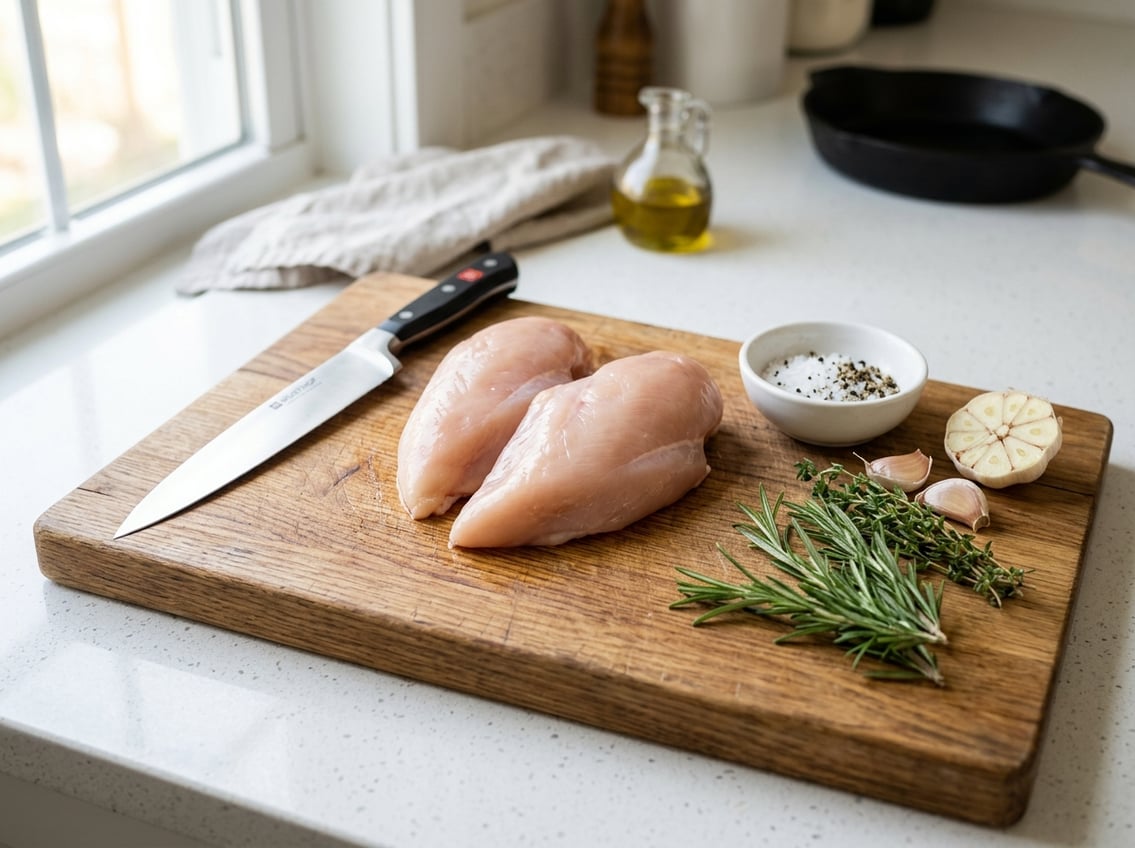
You can narrow down the problem by looking at the meat, checking the center, and noticing whether the issue began before cooking.
A few quick signs usually point to the cause.
Visual Signs of Dry, Tough Meat
Overcooked chicken breast often looks smaller, drier, and more stringy than when it first went into the pan or oven.
The surface may look pale and tight, and the meat may pull apart in fibrous strands.
Undercooked chicken usually looks different.
It may still appear glossy or soft in the center, and the bite can feel slippery rather than dry.
Clues From the Center Texture
The center tells you a lot about chicken breast texture.
If the middle feels soft, spongy, or rubbery, the chicken may be undercooked.
If the center is dry and firm all the way through, overcooking is more likely.
A meat thermometer confirms what your eyes and hands suggest.
Insert it into the thickest part, and do not let it touch the pan.
How to Use a Meat Thermometer Correctly
Chicken breast should reach 165°F in the thickest part for food safety.
That temperature gives you a clear finish point and helps prevent both undercooked and overcooked chicken breast.
Check early if your chicken breast is uneven in shape.
Pull it as soon as it reaches temperature, then let it rest so the juices stay in the meat.
When the Problem Started Before Cooking
If every batch turns out chewy, meat quality may be the issue.
Woody breast, poor handling, or storage problems can give you a firm, dense texture before cooking even begins.
When that happens, better technique can still help, yet it may not fully fix the texture.
Switching brands or buying from a different supplier can make a real difference.
How to Improve Chicken That Is Already Chewy
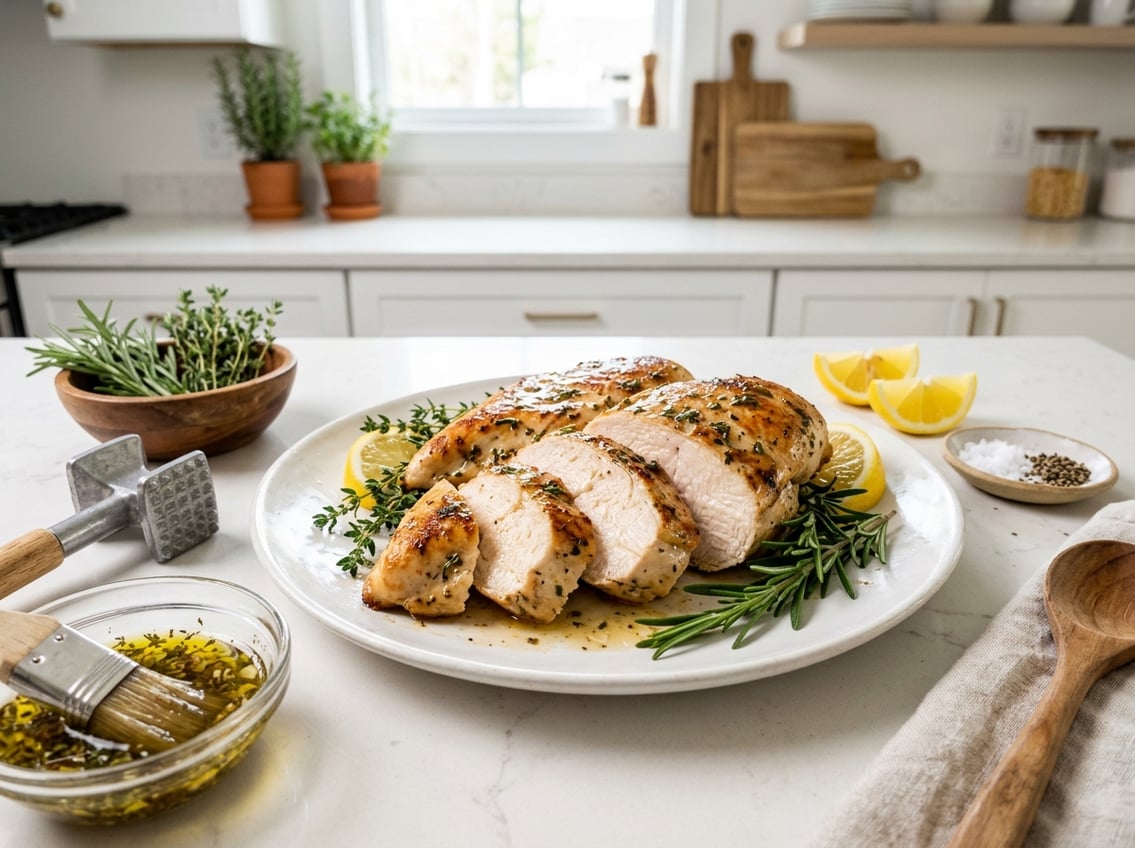
You may not be able to make tough chicken breast taste perfect again, yet you can often make it easier to eat.
The best fixes are moisture, thinner cuts, and dishes that use sauce or broth.
How to Fix Chewy Chicken After Cooking
To fix chewy chicken after cooking, slice it thinly across the grain.
That shortens the muscle fibers and makes each bite easier to chew.
This helps especially when the chicken is dry or slightly overcooked.
If the chicken is undercooked, return it to gentle heat and finish it carefully.
Use low to moderate heat so you do not turn a small mistake into overcooked chicken.
Adding Moisture With Sauce or Broth
Moisture helps soften the eating experience fast.
A sauce, gravy, pan juices, or a splash of broth can make chewy chicken easier to work with.
This is one of the simplest ways to fix chewy chicken after cooking.
You can also use it in dishes that already carry moisture, such as chicken salad with dressing, shredded chicken with broth, or a mild cream sauce.
These options help dry meat feel less tough.
When to Slice, Shred, or Repurpose It
If the chicken is still too firm as a whole piece, repurpose it instead of serving it plain.
Shredding works well for tacos, casseroles, sandwiches, and soup.
Slicing works best when the texture problem is moderate, not severe.
A chicken salad can also hide mild chewiness when you add enough dressing or moisture.
For very tough meat, smaller pieces are usually easier to enjoy than a whole breast.
What Helps Keep Future Batches Tender
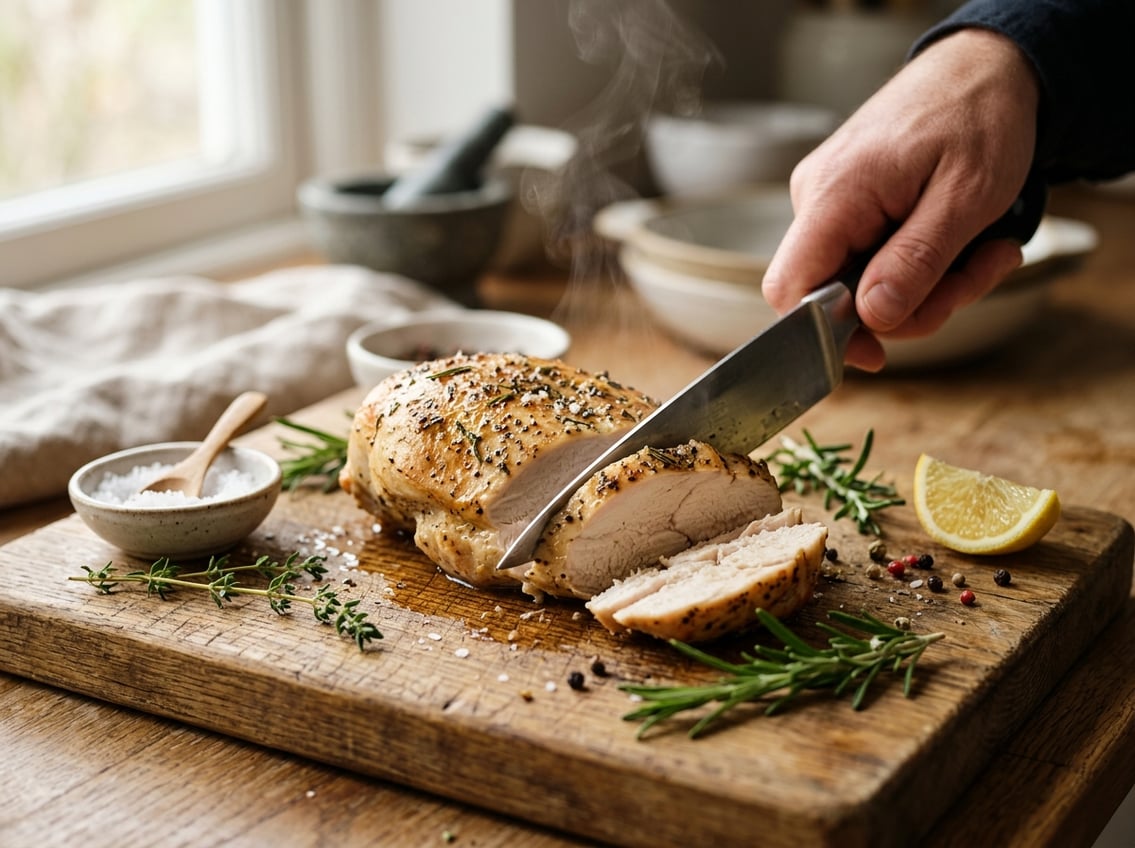
You can prevent chewy chicken with a few repeatable habits.
The main goals are even cooking, better moisture control, and careful use of heat.
Brining, Marinating, and Even Thickness
A short brine helps the meat hold onto moisture, which can reduce moisture loss during cooking.
Marinating also helps with flavor and surface tenderness, especially when you use yogurt, buttermilk, herbs, or a little oil.
Even thickness matters just as much.
Pound thick breasts lightly or cut them into cutlets so the whole piece cooks at the same rate.
That reduces the risk of dry edges and undercooked centers.
Choosing Better Heat and Timing
Gentle cooking makes it easier to prevent chewy chicken.
Bake, poach, simmer, or pan-cook with moderate heat rather than pushing the temperature too high.
A meat thermometer gives you the most control.
Cook the chicken only until it reaches 165°F in the thickest part.
Cooking much past that point raises the risk of overcooked chicken breast and moisture loss.
Resting and Slicing for Better Texture
Let the chicken rest for a few minutes after cooking. This allows the juices to settle back into the meat.
Cut the chicken across the grain when you slice it. This shortens the muscle fibers and gives you a more tender bite.


