
Chicken Breast vs Tenderloin: Key Differences Explained
You may see chicken breast vs tenderloin used interchangeably in recipes, grocery ads, and meal prep guides, but they are not the same cut.
The difference between chicken breast and tenderloin depends on where each cut sits on the bird, how they cook, and the texture you get on the plate.
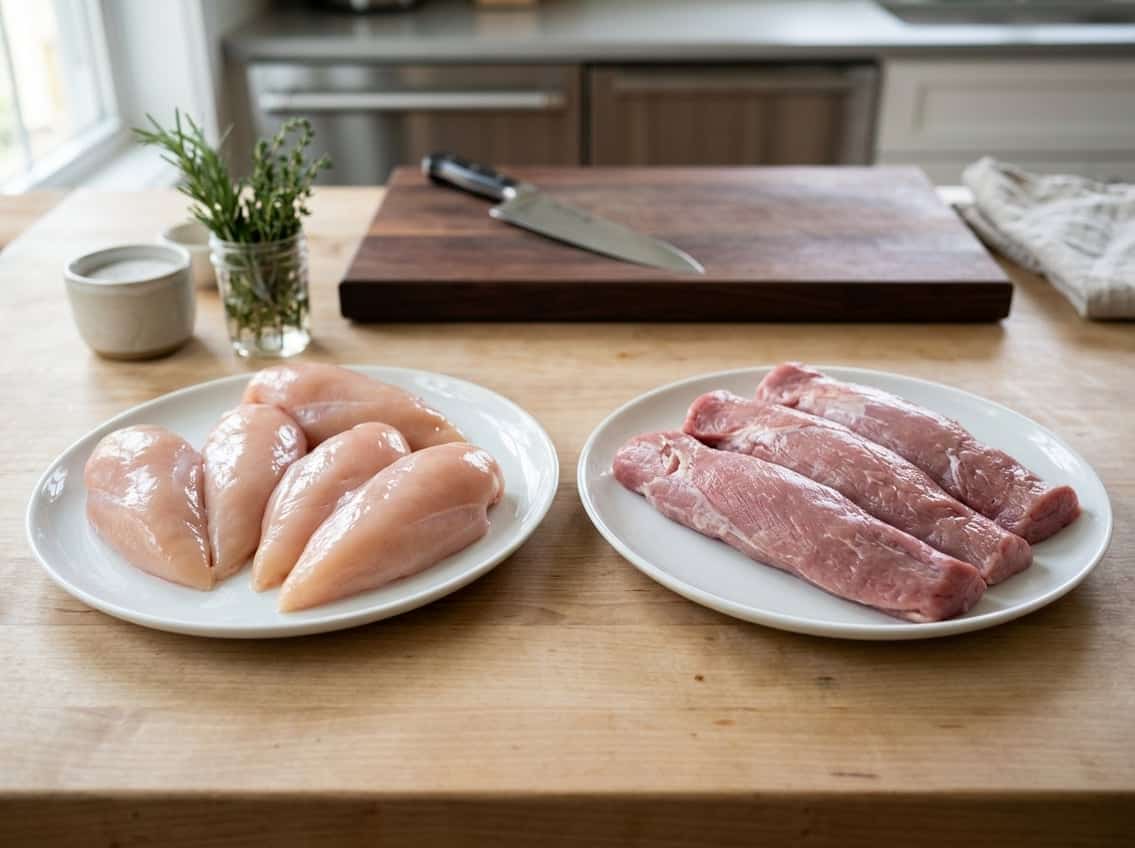
Chicken breast gives you more size and flexibility. Chicken tenderloin gives you faster cooking and a softer bite.
That choice matters when you compare breast vs tenderloin for weeknight dinners, meal prep, and nutrition goals.
Both are popular chicken parts in the white meat category, and both work well when you season them well and avoid overcooking.
What Sets These Cuts Apart
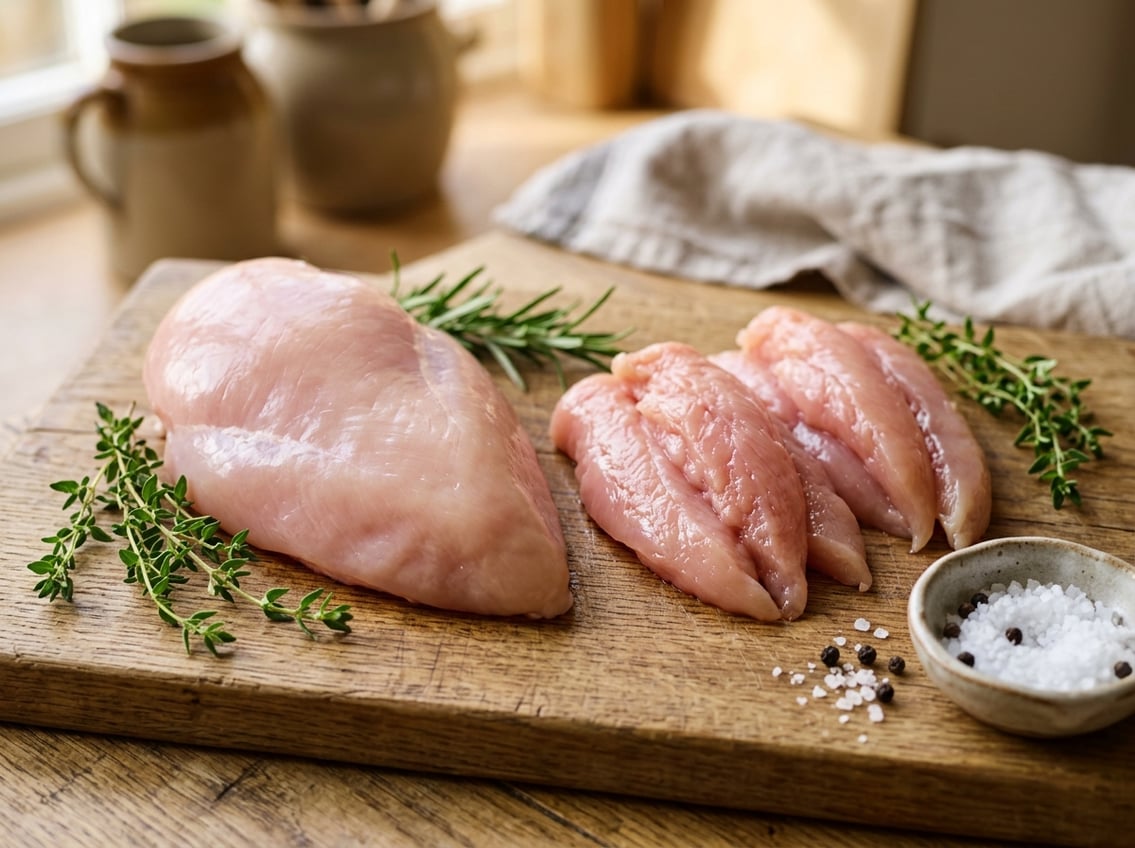
Chicken breast and chicken tenderloin come from different muscles.
That difference affects size, shape, texture, and the way each cut handles fat, mild flavor, and versatility.
Where Each Cut Comes From on the Chicken
The chicken breast comes from the pectoralis major, the large chest muscle.
Chicken tenderloin comes from the pectoralis minor, a smaller muscle tucked under the breast.
Because the tenderloin sits underneath the breast, butchers usually sell it as a separate strip.
You may also see it labeled as chicken tenderloin or chicken tender.
Size, Shape, and Texture Differences
Chicken breast is larger, thicker, and more even in shape.
Chicken tenderloin is smaller, narrower, and often has a visible white tendon line.
Texture is the clearest difference.
Chicken tenderloin is usually more delicate and softer, while chicken breast is firmer and can feel drier if you cook it too long.
Flavor, Tenderness, and Fat Content
Both cuts have a mild flavor, so they take on marinades, rubs, and sauces well.
Tenderloin often tastes a little more tender because it is a smaller, less worked muscle.
Fat content is low in both, which keeps them in the white meat category.
That low fat also means you need to watch cook time closely if you want moist results.
Nutrition and Health Tradeoffs
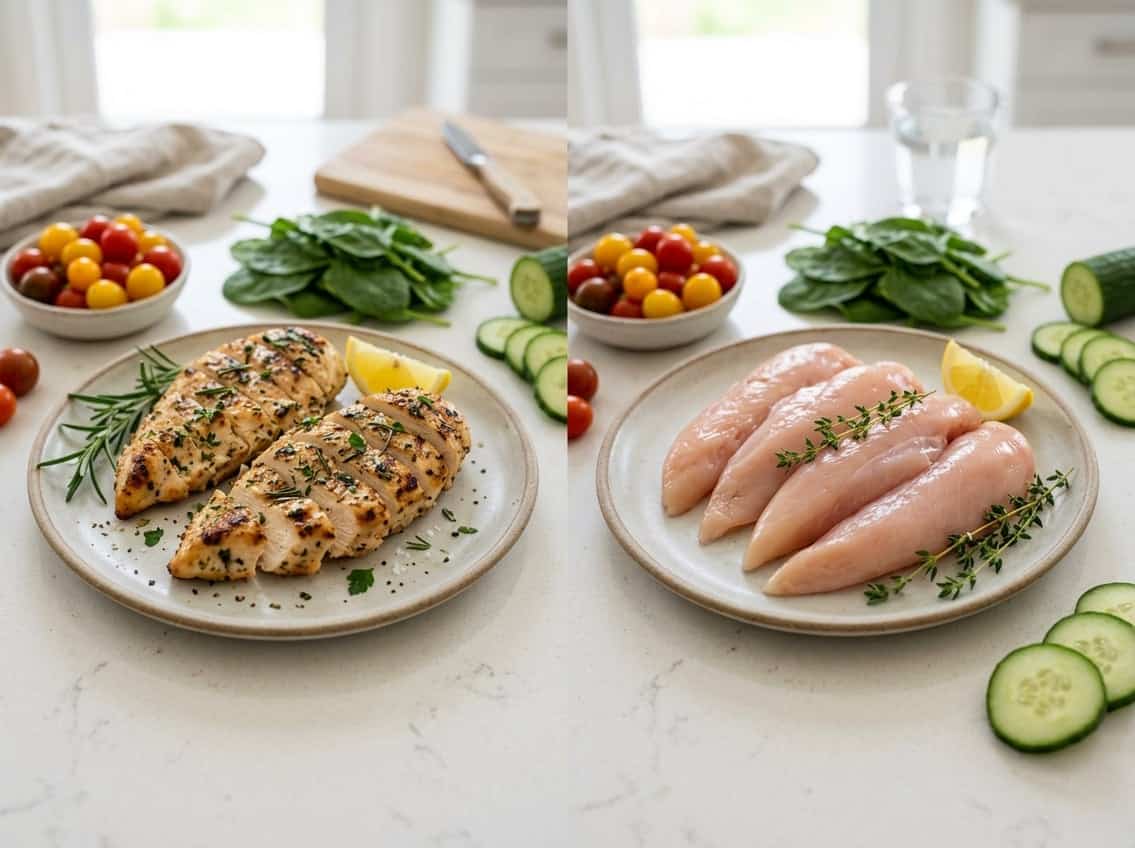
Both cuts are strong choices when you want lean protein with a modest calorie count.
The difference in nutritional value is real, yet small enough that your cooking style and diet goals often matter just as much as the cut itself.
Protein, Calories, and Lean Protein Comparison
Chicken breast usually gives you a little more protein per serving.
Chicken tenderloin usually gives you slightly fewer calories.
In a 100-gram serving, chicken breast has 165 calories and 31 grams of protein, while chicken tenderloin has 144 calories and 26 grams of protein, according to The Kitchen Community.
If you want the most protein for the fewest grams of food, breast often wins.
If you want a slightly smaller calorie load and a softer texture, tenderloin fits well.
Vitamin and Mineral Highlights
Chicken breast usually has a small edge in key nutrients like vitamin b6, niacin, and selenium.
Breast contains slightly more of several minerals and vitamins than tenderloin, including vitamin B6 and selenium, while tenderloin has a bit more sodium per serving.
These differences are modest, so either cut can fit a balanced diet.
The way you season and cook the chicken can affect the final nutrition more than the cut itself.
Which Cut Fits Common Diet Goals
If you are focused on high-protein meal prep, chicken breast is a strong default.
If you are managing portions and want a cut that cooks quickly, chicken tenderloin is a practical option.
For low-fat cooking, both work well.
For strict sodium tracking, plain chicken breast is often the easier choice when comparing unseasoned cuts.
Best Cooking Uses for Each Cut
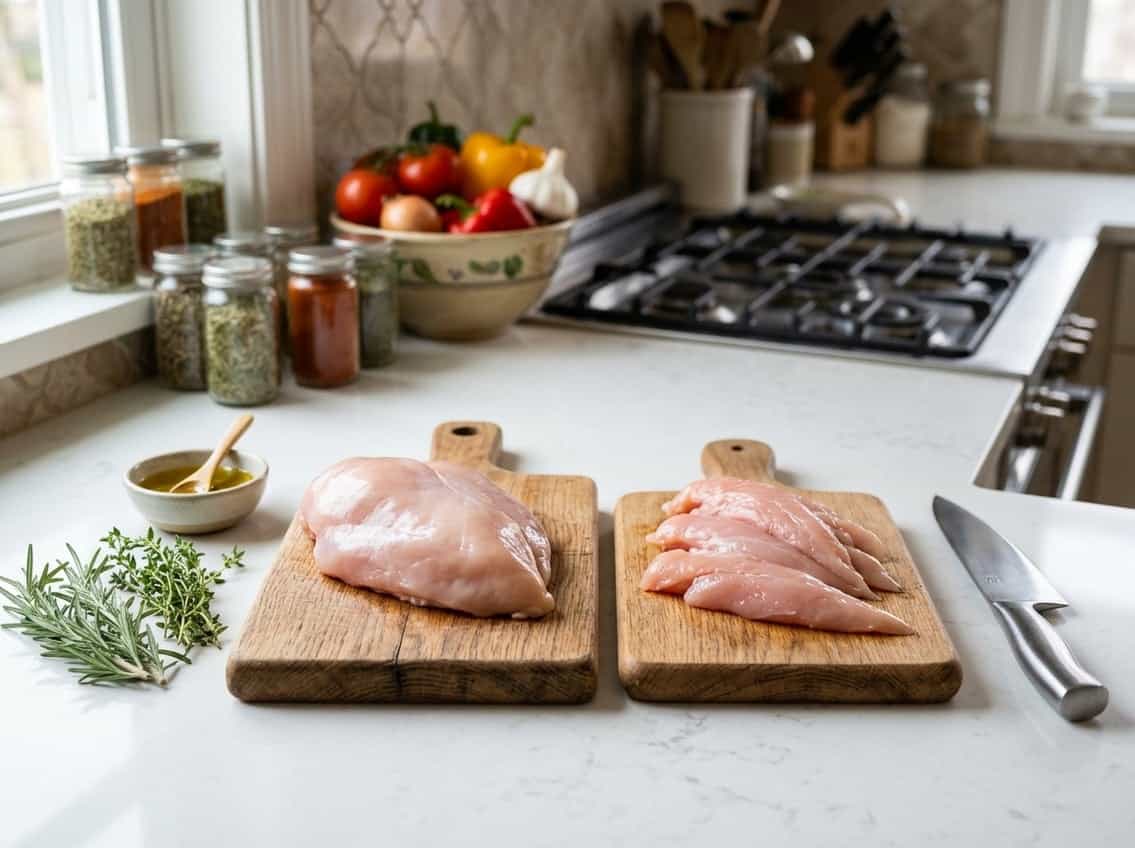
Your best choice depends on the cooking methods you plan to use and how much time you have.
Chicken breast stands up well to bigger-format dishes, while tenderloins shine when you want fast, even cooking.
When Chicken Breast Works Best
Chicken breast works well for grilling, baking, and roasting when you want a full portion that can be sliced after cooking.
It is also great for grilled chicken breast in salads, bowls, and sandwiches.
Because it is thick, breast can handle stronger seasonings and longer cook times better than tenderloin.
That makes it a good choice for recipes where you want a main protein that stays center stage.
When Tenderloins Are the Better Choice
Chicken tenderloin is ideal for quick skillet meals, breaded chicken strips, and simple chicken tenderloin recipes.
It also works well for frying or for a fast chicken tenderloin recipe that needs even pieces and short cook time.
Tenderloins are especially useful when you want something close to grilled chicken results without cutting a breast into smaller pieces first.
They also resemble the texture people expect from chicken tenders.
How Cooking Time and Heat Affect Results
Tenderloins cook faster because they are thinner.
Chicken breast can take longer, especially if you leave it whole.
Use high heat carefully.
It can give you good browning for grilled or pan-seared chicken, but it can also dry out breast meat if you cook past 165°F.
Tenderloins are more forgiving in short bursts of heat, but they can still dry out if left on the heat too long.
Buying, Prep, and Substitution Tips
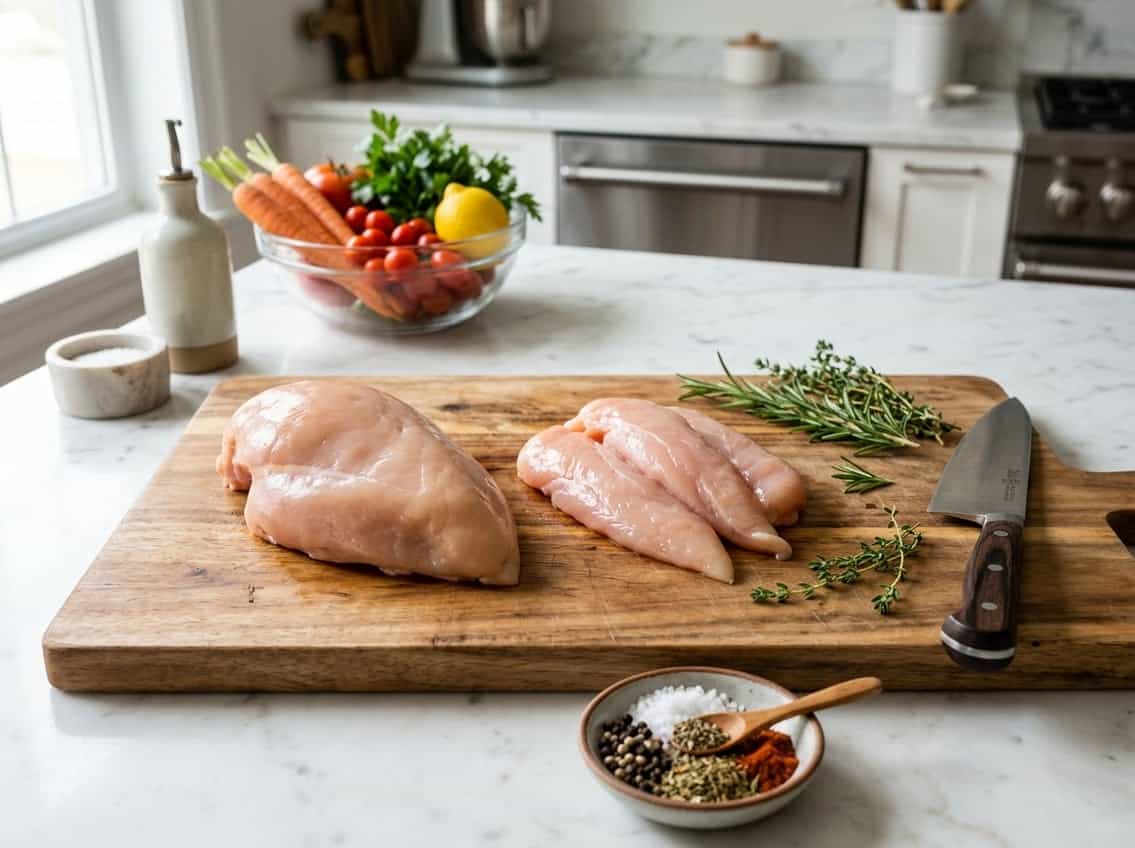
At the store, you will likely compare price, package size, and how the cut will fit your recipe.
Since both are common chicken parts, you can usually swap them with a little adjustment.
Price and Store Availability
Stores usually sell chicken breast more widely and often in larger packs.
Tenderloins may cost a little more per pound because they are smaller and sold as a separate cut.
Availability varies by store, and labels can be inconsistent.
Some packages use terms like chicken tenderloin, chicken tenders, or chicken breast tenderloin for similar products.
How to Remove the Tenderloin
To remove the tenderloin from a chicken breast, look along the underside of the breast for the thin strip of meat.
That strip is the tenderloin.
Gently pull the strip away with your fingers or a small knife.
It usually separates cleanly along a natural seam.
If you buy whole breasts, you can easily use both cuts.
How to Substitute One for the Other
You can often swap chicken tenderloins for chicken breast in many recipes. This works especially well when you slice or chop the meat.
Chefs Resource notes that tenderloins serve as a practical alternative in many dishes.
Keep the size difference in mind. Two tenderloins may equal one breast in volume, so adjust portions and cook time as needed.
If a recipe depends on a thick, even piece, chicken breast is the safer choice. If it needs quick cooking and a softer texture, chicken tenderloin usually works better.


