
Will Chicken Breast Raise My Cholesterol? What to Know
If you are asking, will chicken breast raise my cholesterol, the short answer is that it can add some dietary cholesterol. Even so, it is usually one of the better protein choices for heart health when you keep it skinless and avoid heavy frying.
The bigger concern for most people is not the chicken breast itself. The amount of saturated fat, trans fats, and extra calories that come with the way you cook and serve it matters more.
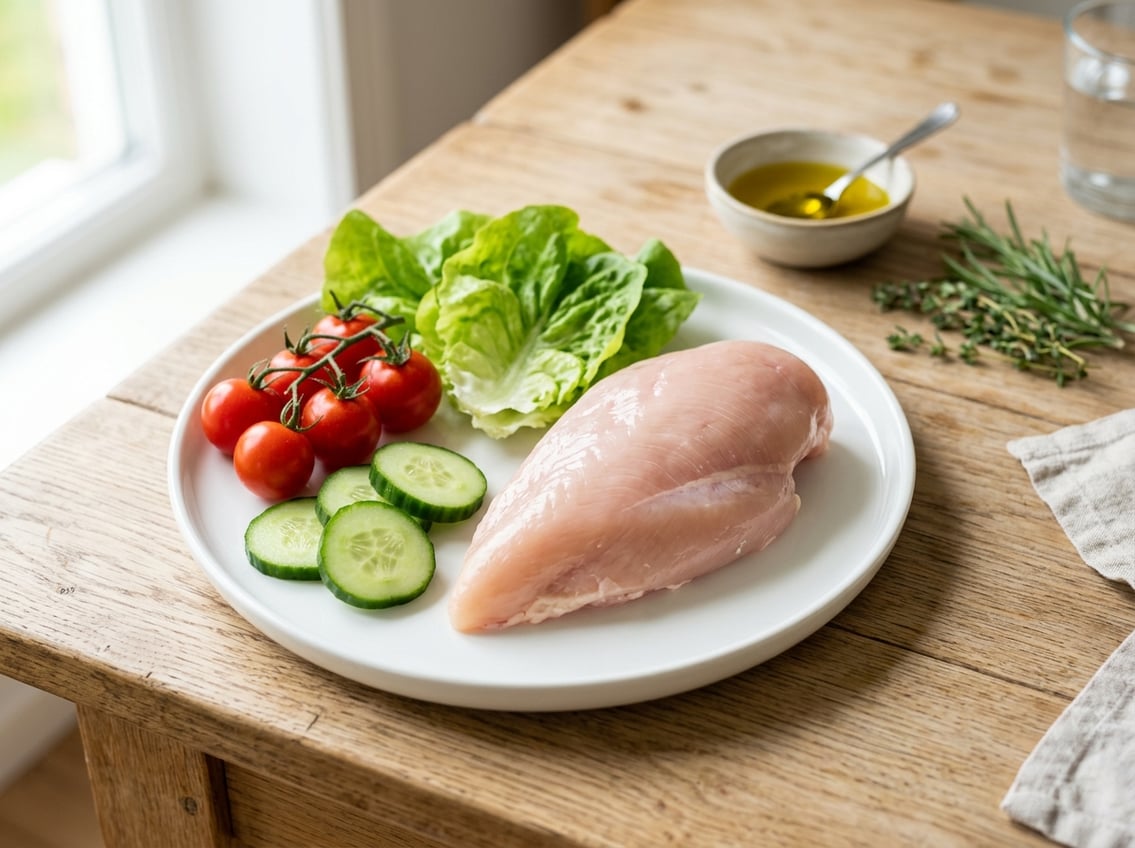
For most people, skinless chicken breast is a lean meat that is unlikely to raise cholesterol much on its own. This is especially true when you prepare it without added saturated fat or trans fats.
Your cholesterol levels depend on more than one food. Your usual eating pattern, body weight, activity level, genetics, and whether you already have high cholesterol all play a role.
Short Answer: How Chicken Breast Affects Cholesterol
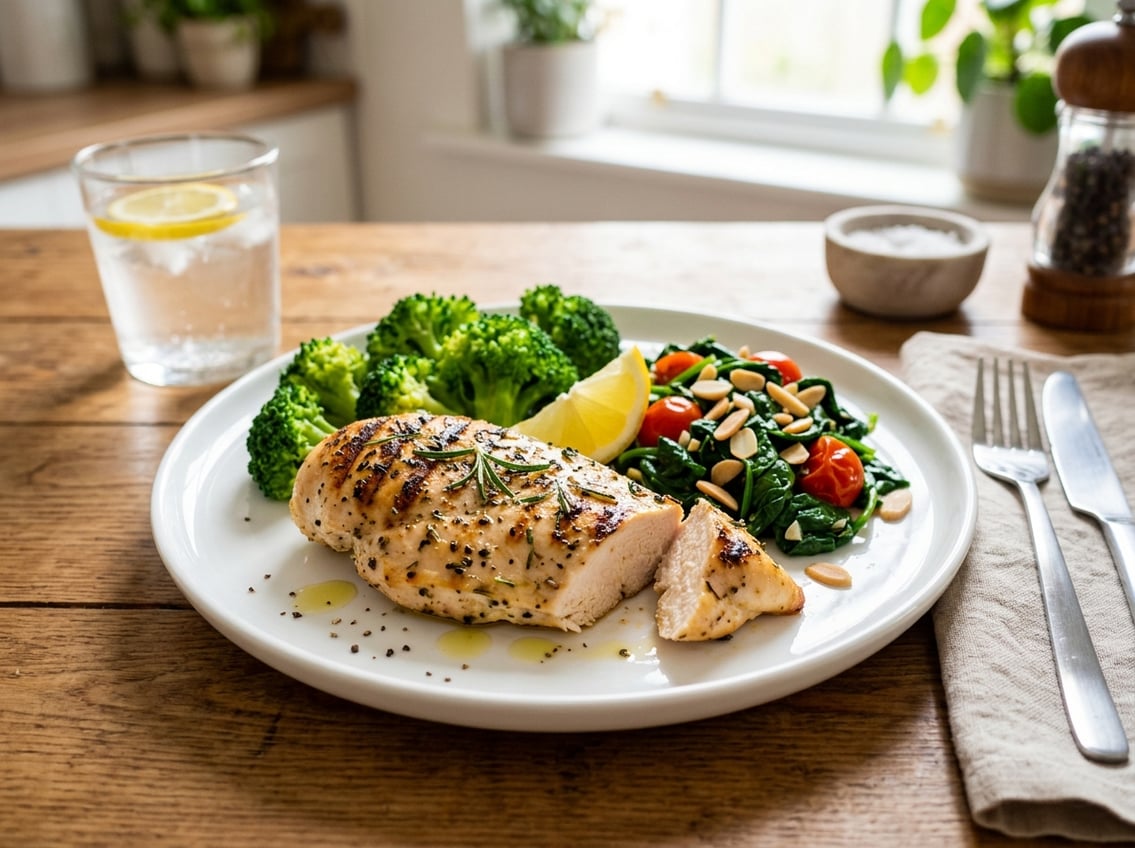
Chicken breast contains dietary cholesterol, so it is not cholesterol-free. Even so, it is widely considered a lean meat and usually has less fat than many other animal proteins.
Why Chicken Breast Is Usually Considered a Leaner Choice
Chicken breast is low in fat, especially when you remove the skin. According to Medical News Today’s review of chicken cholesterol by cut, the breast is generally the leanest part of the bird.
Fatty cuts tend to bring more saturated fat, which is more strongly linked with higher LDL cholesterol, also called low-density lipoprotein. If you are trying to manage high cholesterol, the breast is often a better fit than darker, fattier cuts.
Dietary Cholesterol vs. Saturated Fat in Heart Health
Dietary cholesterol and saturated fat are not the same thing. Dietary cholesterol comes from animal foods, while saturated fat is a type of fat that can push LDL cholesterol higher in many people.
For heart health, saturated fat usually deserves more attention than the cholesterol in a single serving of chicken breast. Skinless chicken breast often fits into plans meant to lower cholesterol or support lower cholesterol goals.
What Research Suggests About LDL Response
Your LDL cholesterol response to chicken breast depends on the rest of your diet. If you bake, grill, or roast the chicken without much added fat, it is less likely to have a negative effect.
Research reviews on chicken and cholesterol show that cooking method and cut matter a lot. A plain breast is usually a moderate choice for dietary cholesterol, while fried or skin-on versions can be less favorable for people watching cholesterol levels.
What Changes the Risk Most

The cut alone does not decide the impact. Skin, cooking fat, breading, and serving size can change how chicken affects cholesterol levels much more than the breast meat itself.
Skin-On vs. Skinless Portions
Chicken skin adds fat, including saturated fat, so skin-on portions are less ideal if you are trying to lower cholesterol. Skinless chicken breast is usually the better choice for someone with high cholesterol or someone aiming to keep LDL cholesterol in a healthier range.
Removing the skin is a simple change, and it often makes a bigger difference than people expect. It lowers the fat load without removing the protein.
Cooking Methods That Can Raise Cholesterol Concerns
Frying adds extra oil and often adds breading as well. That combination can increase saturated fat and, if the oil is reused or highly processed, may also increase exposure to trans fats.
Roasting, grilling, baking, and poaching usually fit better with a heart-friendly plan. Medical News Today notes that the same piece of chicken can have different cholesterol content depending on whether it is grilled or breaded and fried in oil.
Portion Size and Overall Eating Pattern
A large portion of chicken breast can still fit into a healthy diet. More is not always better.
If your plate is full of chicken and low in fiber-rich foods, your meal may not support lower cholesterol as well as it could. A pattern rich in vegetables, beans, whole grains, nuts, and lean meat is more likely to support better lipid levels.
How Chicken Breast Compares With Other Chicken Cuts
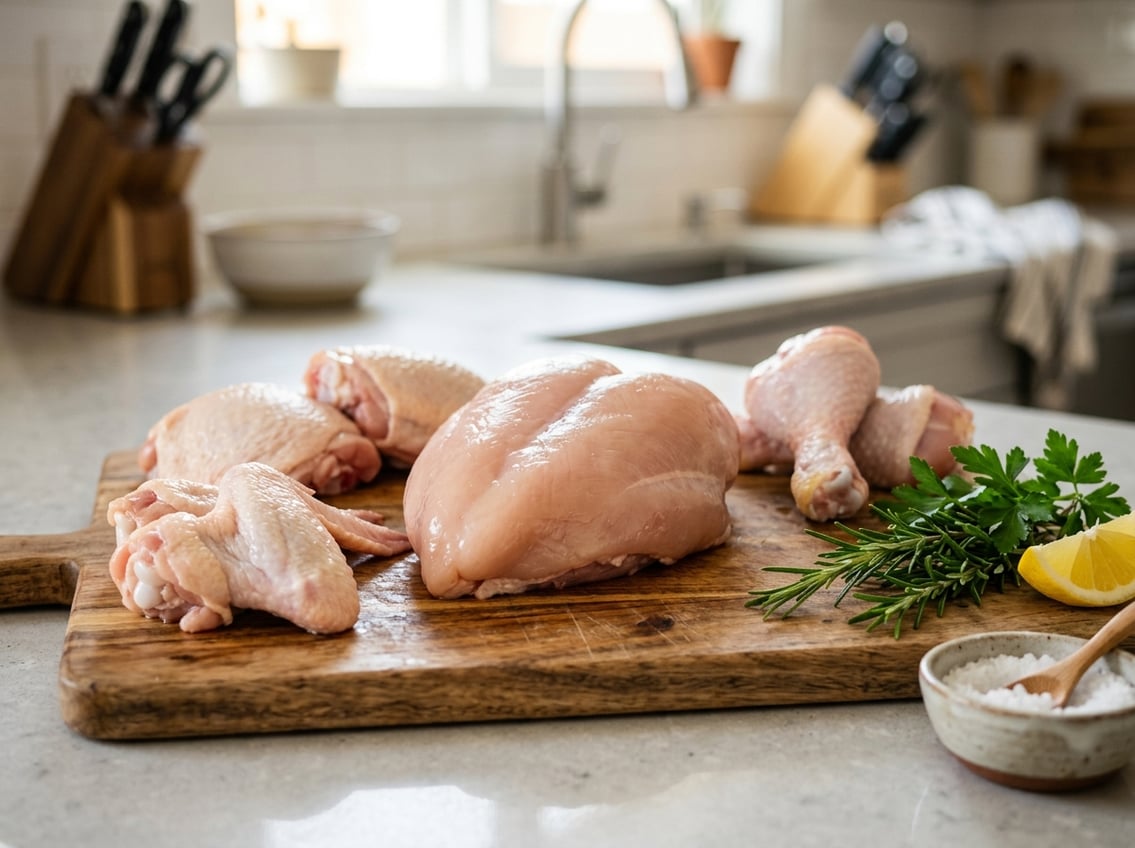
Chicken breast is usually the leanest cut, so it is often the easiest option to fit into a cholesterol-aware diet. Other cuts can still be part of your meals, yet they usually carry more fat or are more often cooked in ways that add extra calories.
Why Breast Meat Is Typically the Lowest-Cholesterol Option
If you want the leanest portion, breast meat is usually the first choice. Medical News Today reports that chicken breast is generally the portion with the lowest cholesterol content, and skinless breast is especially lean.
That makes it a practical option when you want protein without much saturated fat. It is also easier to pair with low-fat sides.
How Thighs, Wings, and Fried Dishes Differ
Thighs and wings usually contain more fat than breast meat. Wings are often higher in cholesterol per serving, and fried chicken dishes can add even more concern because of the oil and breading.
A thigh can still fit into your diet, yet it is not usually the best pick if you are focused on lowering cholesterol. Fried chicken is the cut and preparation most likely to work against that goal.
When Preparation Matters More Than the Cut
Preparation can matter more than the cut when you add breading, butter, cream sauces, or frying oil. If you cook a skinless breast in a lot of oil, it can become a less heart-friendly meal than a plain thigh cooked simply.
That is why it helps to look at the whole dish, not just the name of the cut. Grilled or roasted chicken breast with simple seasoning is usually a better choice than fried chicken, even if both start with the same bird.
How to Eat It in a More Heart-Healthy Way
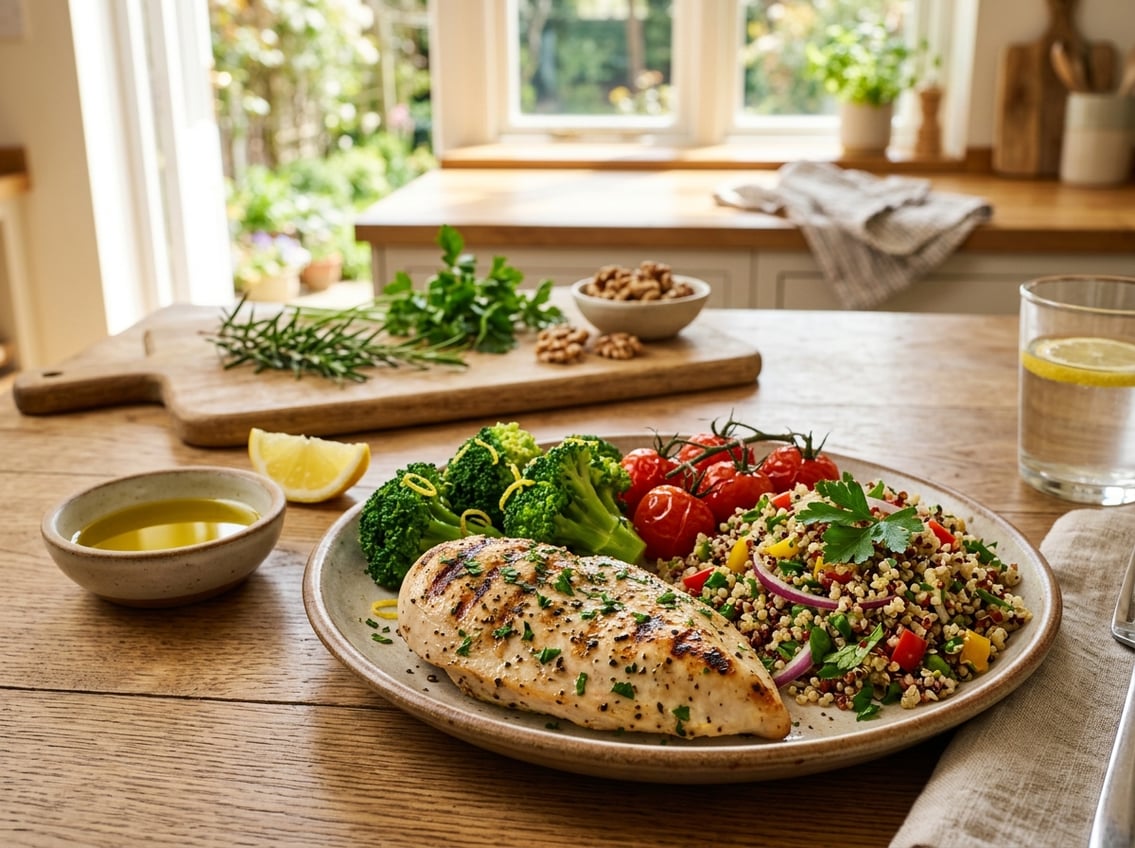
You can make chicken breast fit a heart-healthy diet with a few simple choices. The goal is to keep saturated fat and trans fats low while building meals that support better LDL cholesterol and lower cholesterol goals.
Best Ways to Prepare Chicken Breast
Choose baking, grilling, roasting, broiling, or poaching instead of frying. Use herbs, garlic, citrus, pepper, paprika, and other dry seasonings instead of heavy sauces.
If you want a recipe idea, look for meals that stay low in saturated fat and include vegetables or whole grains, like the heart-healthy chicken dinner ideas from EatingWell. Simple cooking methods make it easier to keep the meal light.
What to Pair With It to Support Better Lipid Levels
Build the rest of the plate with foods that help support healthier cholesterol levels. Vegetables, beans, oats, brown rice, quinoa, and fruit can add fiber, which supports heart health.
A meal with chicken breast, steamed vegetables, and a whole grain is usually a better choice than chicken breast with fries or a creamy side dish. Fiber-rich foods help shift the meal in a better direction.
When to Be More Careful if You Already Have High Cholesterol
If you already have high cholesterol, pay extra attention to skin, cooking fat, and portion size.
Even lean meat can work against your goals if you fry it or serve it with foods high in saturated fat.
If your LDL cholesterol stays high despite diet changes, food choices are only one part of the picture.
Your clinician may also consider genetics, weight, activity level, and whether you need medication to help lower cholesterol.


